Burmeister's porpoise (Phocoena spinipinnis)

Key facts
Scientific name Phocoena spinipinnis Burmeister, 1865
Other names Burmeister’s porpoise, black porpoise (English); marsopa espinosa (Spanish); Burmeister-Schweinswal (German)
Size About 1.5 to 1.85 m in adults (sexual maturity reached at around 1.53-1.60 m); mean length of mature adults 1.65 m (females) and 1.70 m (males); measured maxima 1.83 m (female) and 1.82 m (male); newborn about 86 cm
Weight Most often 40 to 75 kg; reported maxima of 85 to 105 kg in females
Longevity The available data do not allow the maximum longevity of the species to be established; generation length estimated at 14.4 years (IUCN)
Diet Pelagic and demersal fish (the anchovies Engraulis ringens and E. anchoita, the hakes Merluccius gayi and M. hubbsi, the silverside Odontesthes regia), squid (Illex argentinus, Loligo gahi), euphausiids and mysids
IUCN status Near Threatened (NT), criteria A3d+4d, assessment of 11 February 2018, published in 2018 (Félix, Alfaro, Reyes, Mangel, Dellabianca, Heinrich & Crespo) and still in force. Population trend: unknown. Previous statuses: Data Deficient (DD) in 1996, 2008 and 2012. No subpopulation is assessed separately, but the porpoises of Peru, genetically distinct and the most exposed to bycatch, would probably fall into a more threatened category if they were treated as a separate taxon. CITES Appendix II; CMS Appendix II.

In brief

Burmeister’s porpoise is the only strictly coastal, resident porpoise of the South American coasts, from northern Peru in the Pacific to southern Brazil in the Atlantic, rounding Tierra del Fuego; the spectacled porpoise (Phocoena dioptrica), essentially oceanic and subantarctic, also frequents the southern waters of the continent. A small, dark and extremely inconspicuous cetacean, it is recognised by its triangular dorsal fin, tilted backwards and set very far back on the body, the leading edge of which bears rows of tubercles. The IUCN has listed it as Near Threatened since 2018, essentially because of bycatch in coastal gillnets.

Identification

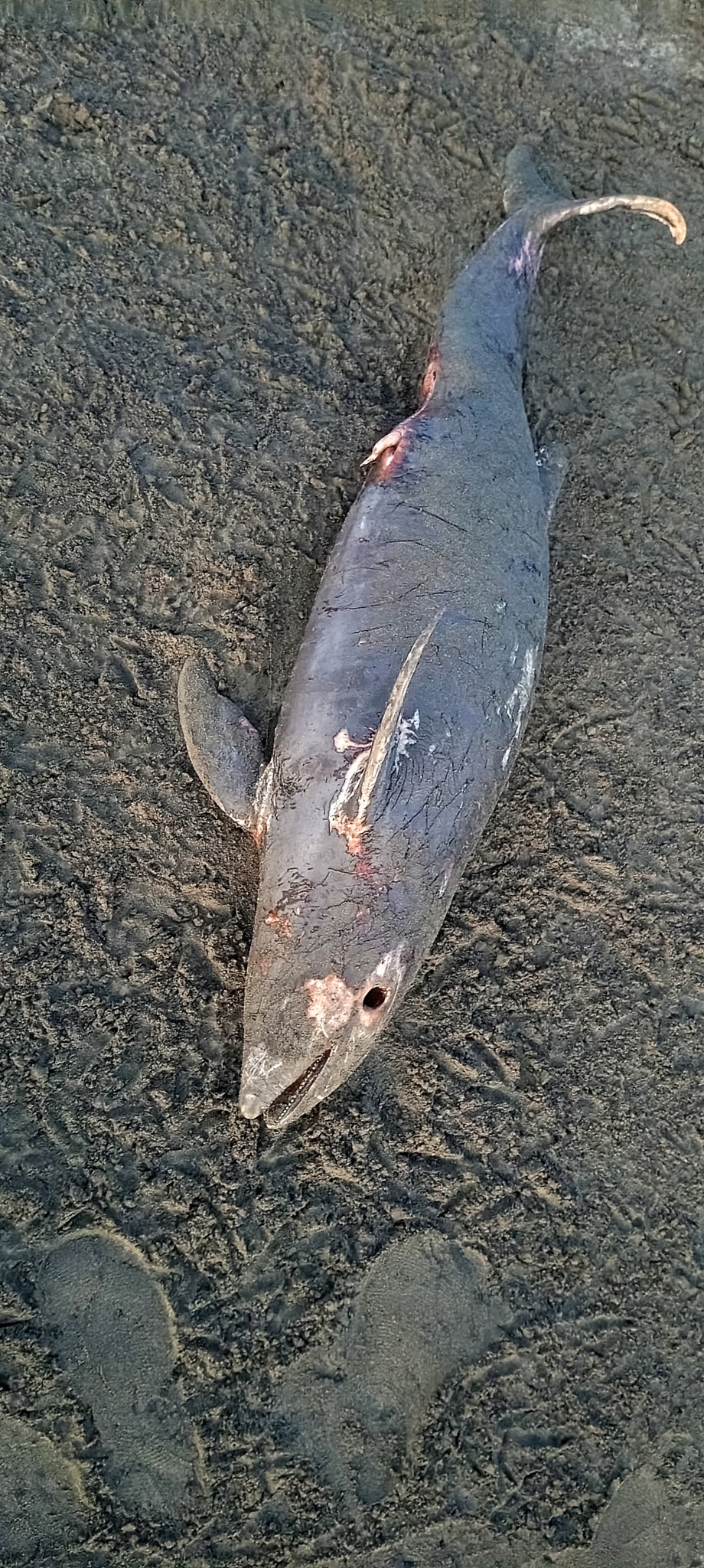
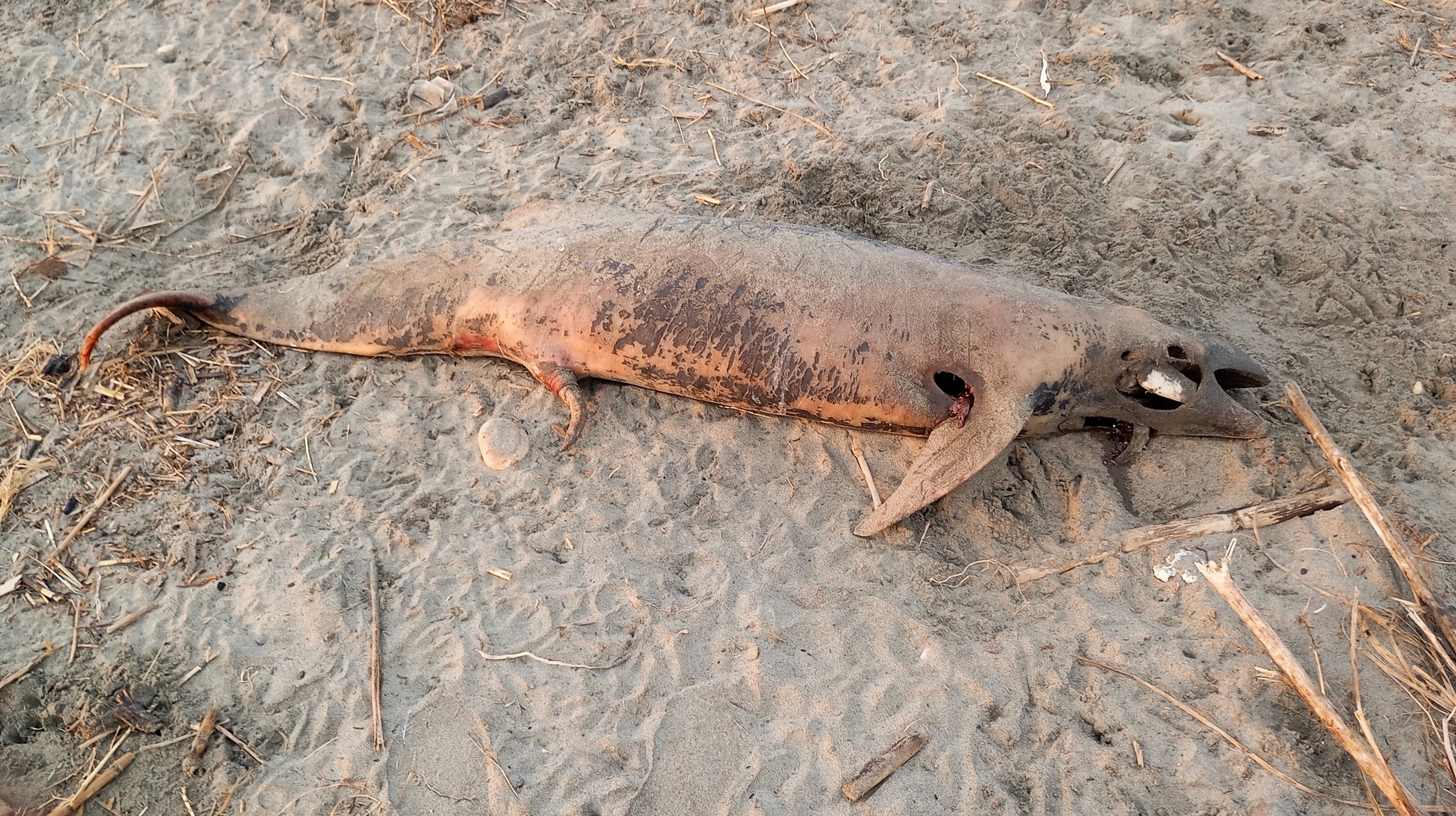
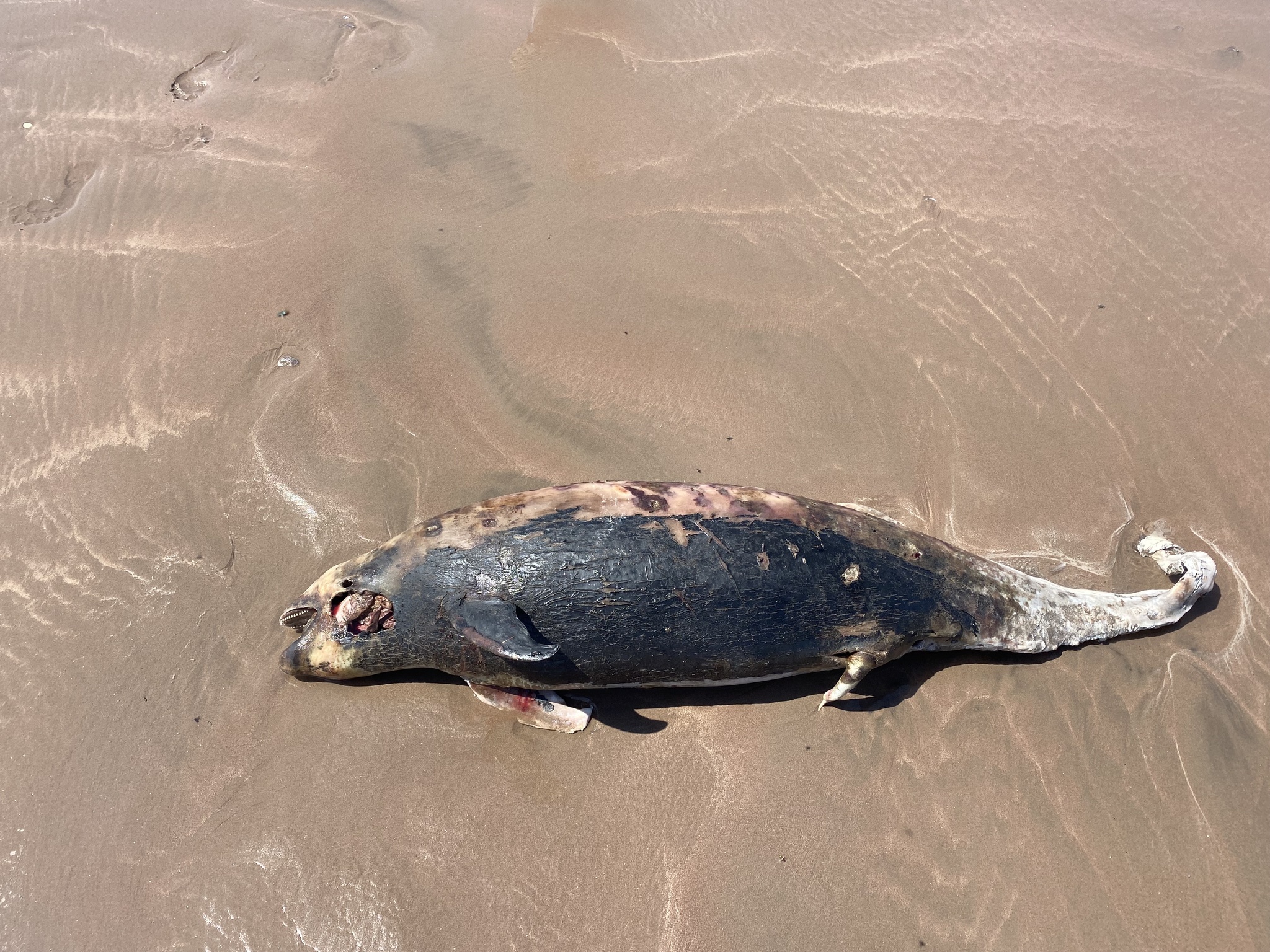
With an adult length of between about 1.5 and 1.85 m and a mass most often between 40 and 75 kg, Burmeister’s porpoise is among the smallest cetaceans. The largest individuals measured in Peru reached 1.83 m (female) and 1.82 m (male), mature adults averaging around 1.65 m in females and 1.70 m in males; maximum masses of 85 to 105 kg have been reported in females. The body is stocky, the head rounded and without a beak, the mouth slightly upturned, the blowhole preceded by a faint depression. The back is dark grey to blackish, the belly pale grey; a dark eye patch ringed by a pale halo is often visible, as are asymmetrical bands linking the flippers to the throat. Dead animals darken within a few minutes, which explains the English name “black porpoise”.

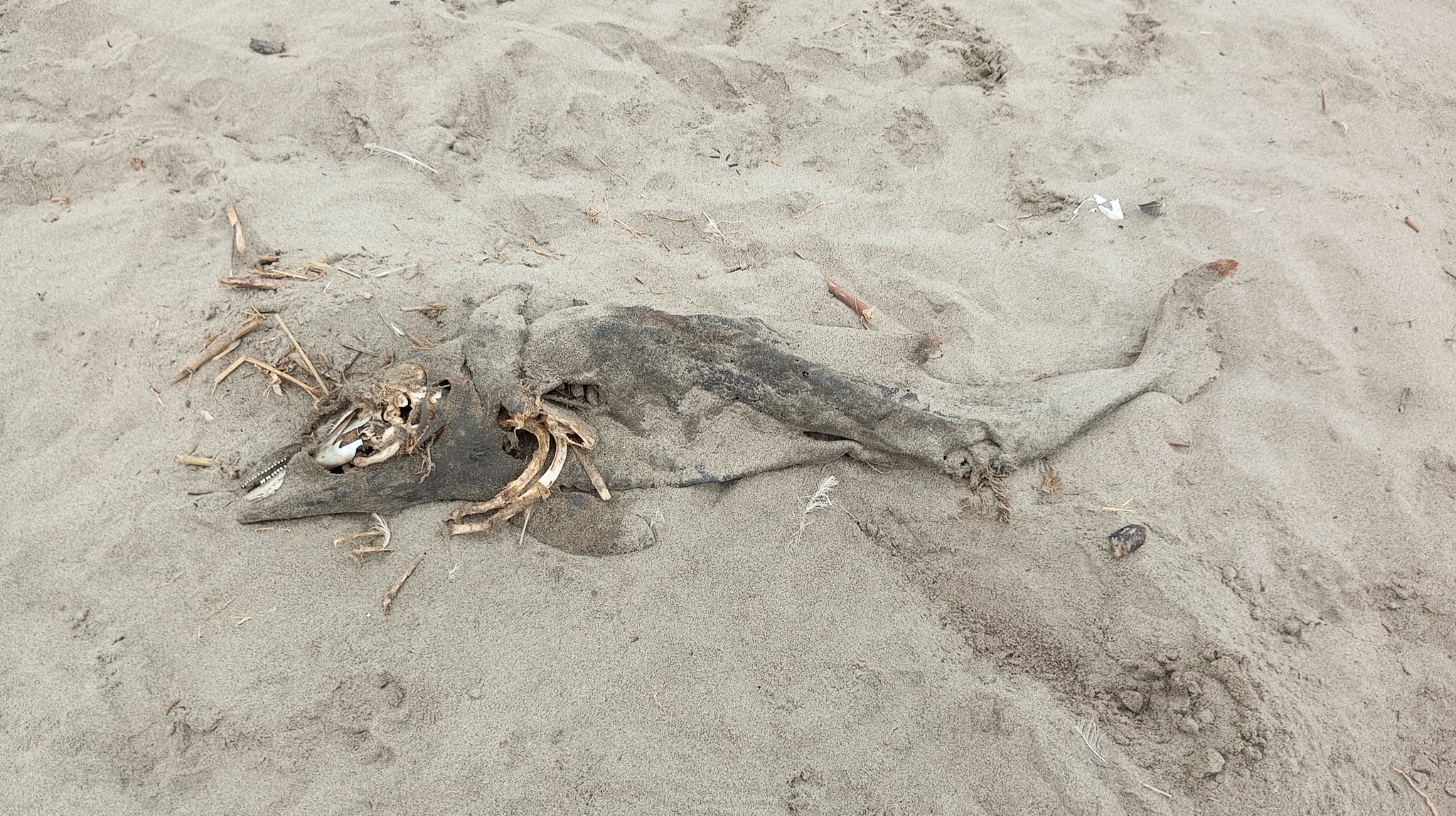
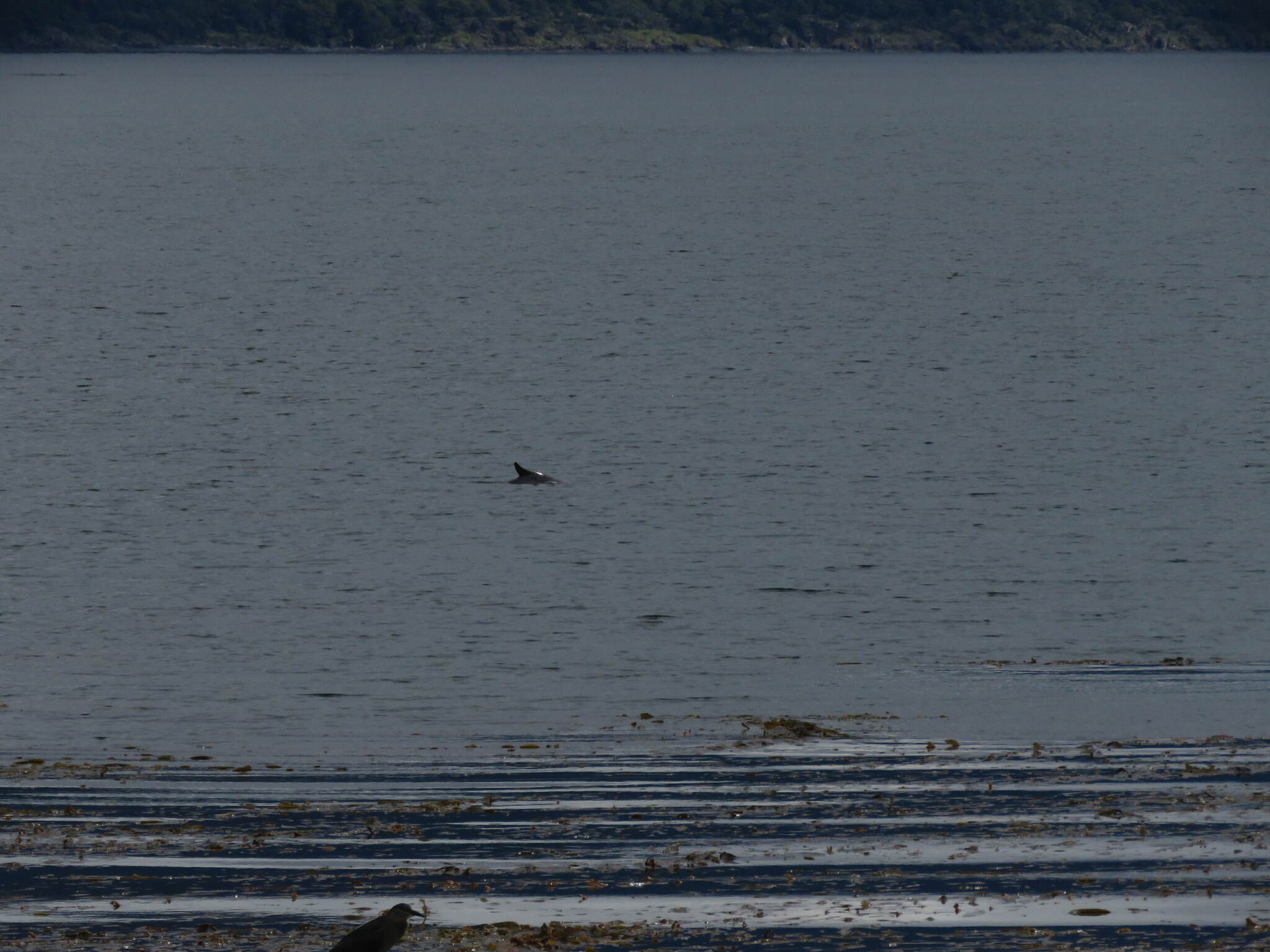
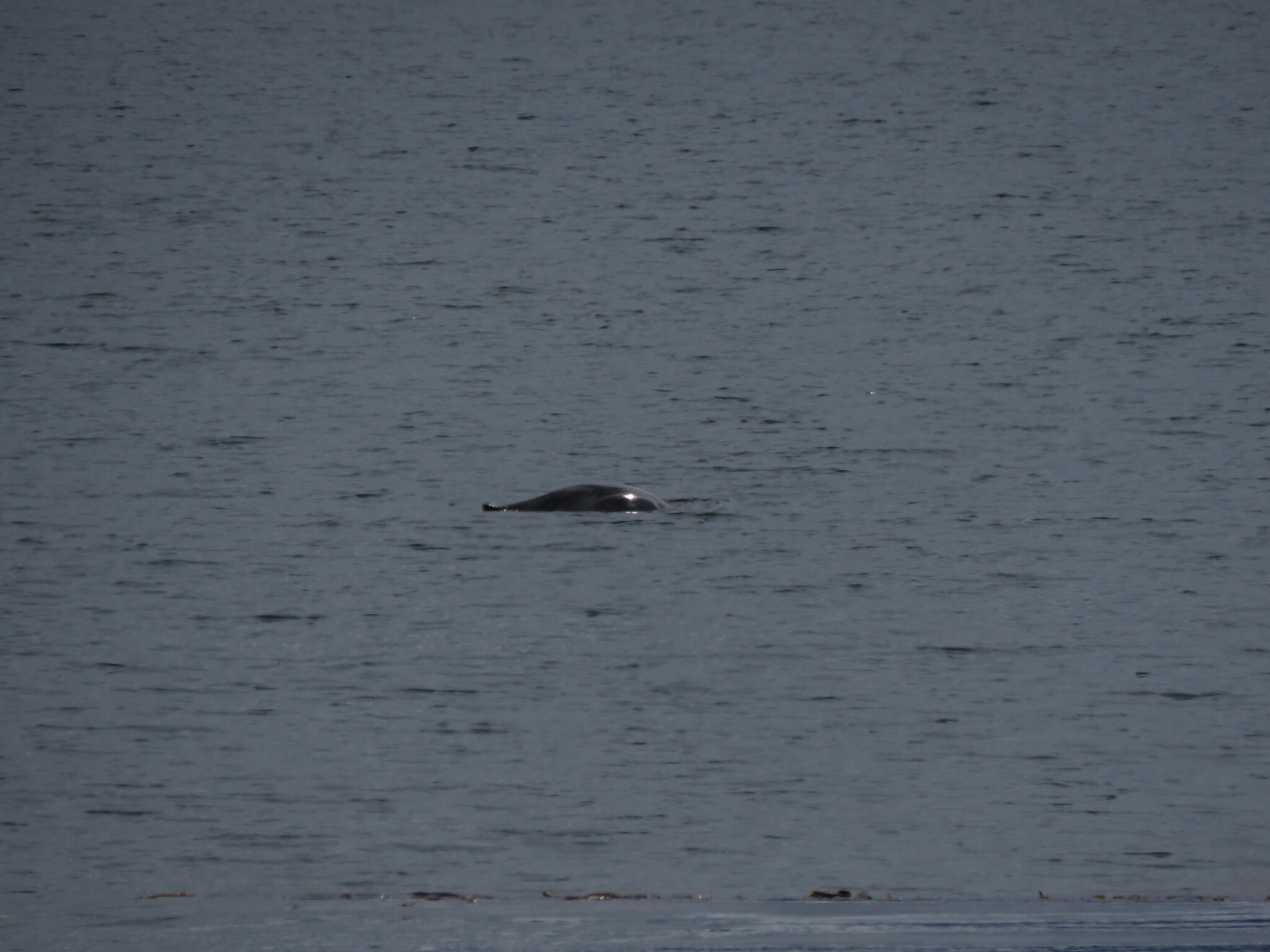
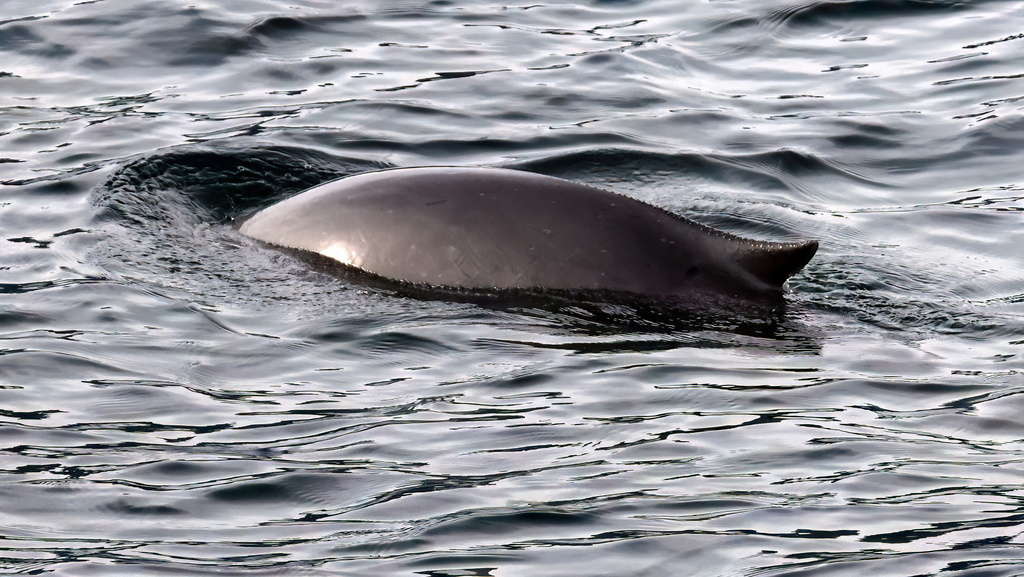
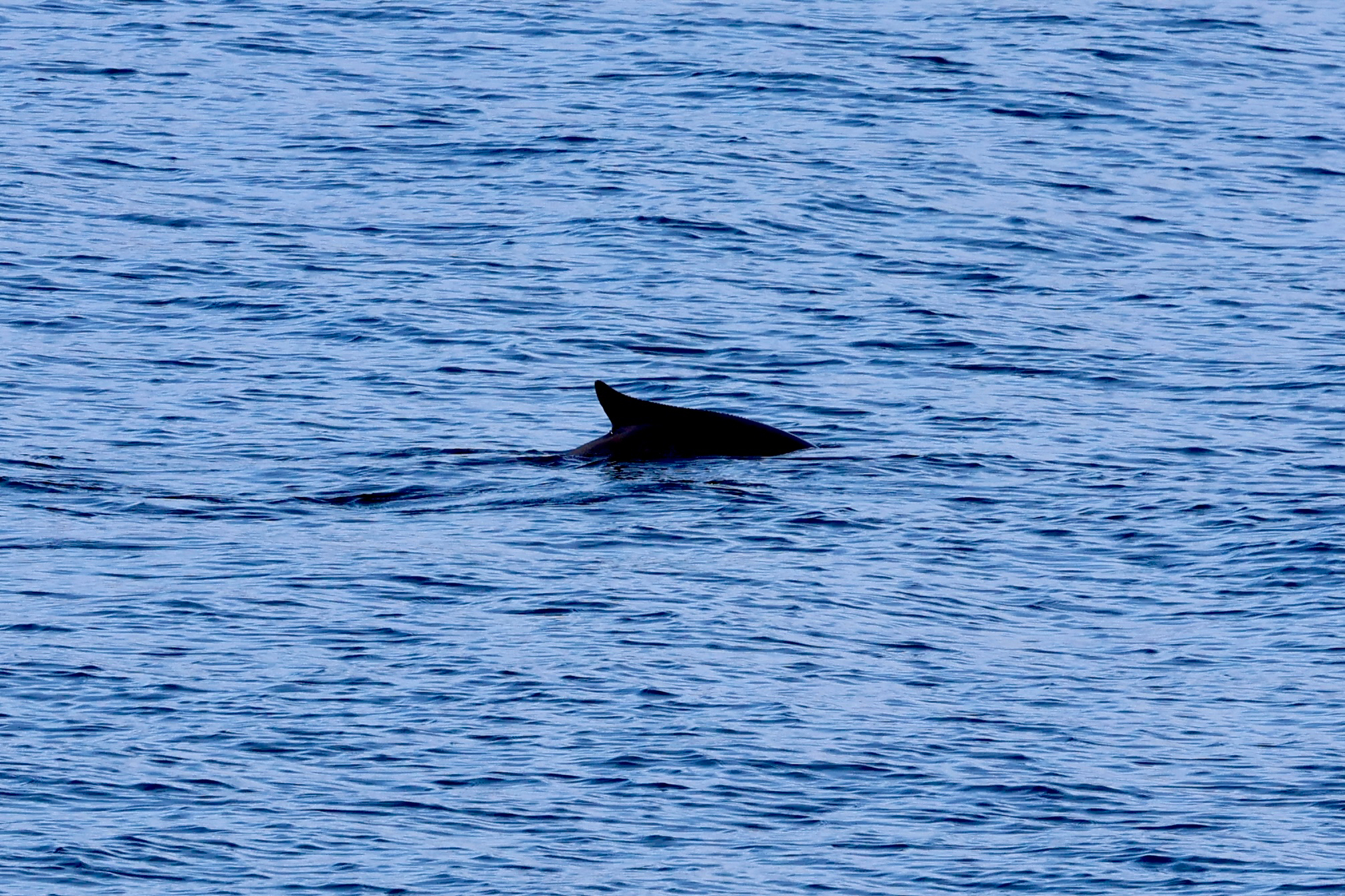
The most diagnostic feature remains the dorsal fin. Triangular, low, distinctly tilted backwards rather than upright, it is set at two thirds to three quarters of the body length, that is, further back than in any other porpoise or dolphin. Its leading edge bears two to four rows of small tubercles, larger and sharper in older animals: these are what gave the species its epithet, from the Latin spina (spine) and pinna (fin). The flippers are large, with a broad base and a rounded tip. The teeth, spade-shaped as in all Phocoenidae, are numerous, published counts ranging from 10 to 23 per upper half-jaw and from 14 to 23 per lower half-jaw.

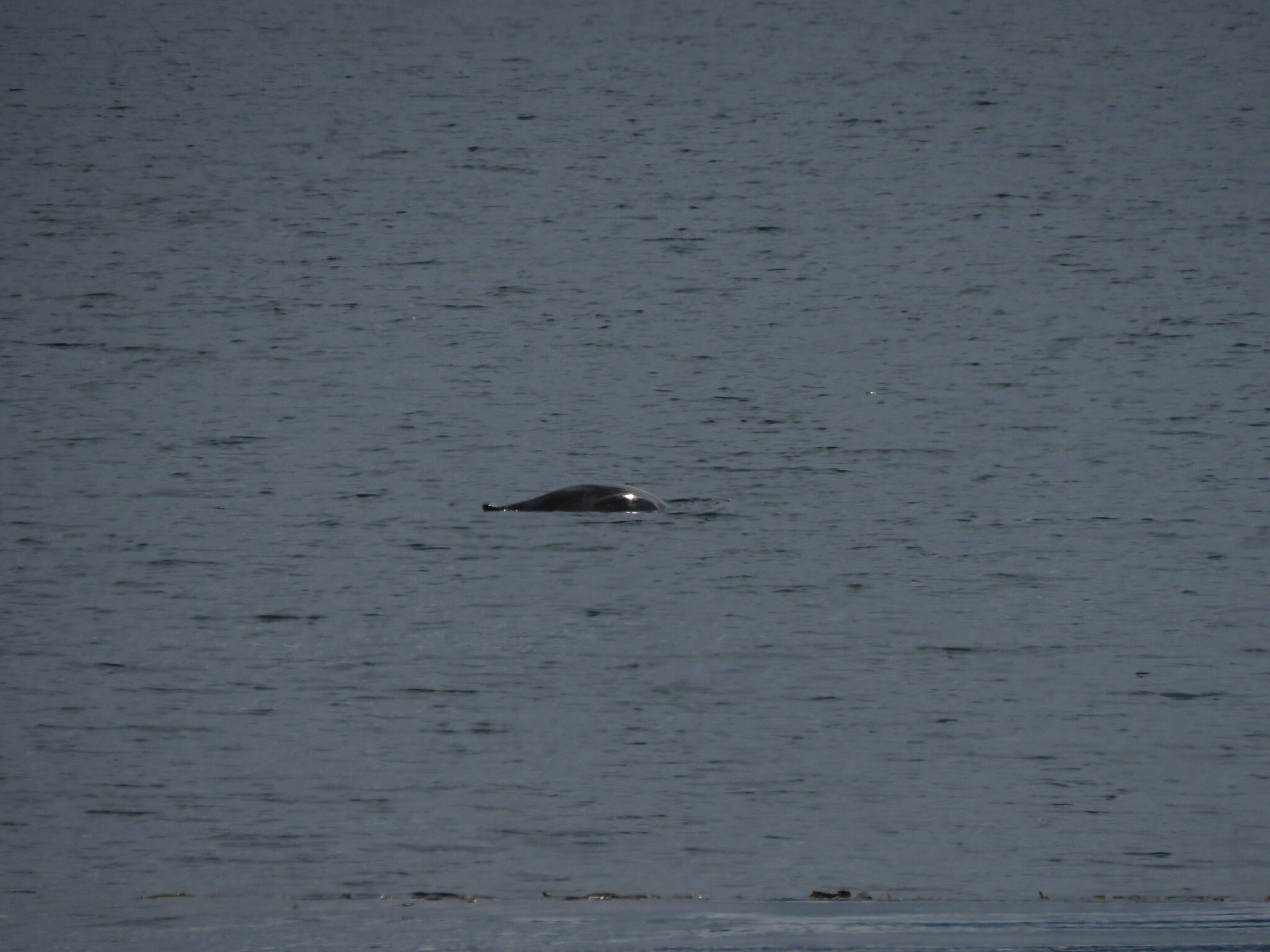
The most likely confusion, in southern waters, is with the spectacled porpoise (Phocoena dioptrica), which differs from it in having a black back contrasting sharply with white flanks and belly, a black eye ring outlined in white, and a very large dorsal fin, rounded and with a convex trailing edge in the male. Commerson’s dolphin (Cephalorhynchus commersonii), the Chilean dolphin (Cephalorhynchus eutropia) and Peale’s dolphin (Cephalorhynchus australis, formerly Lagenorhynchus australis) frequent the same fjords and channels, but all show a more rounded fin and far more demonstrative surface behaviour. At sea, Burmeister’s porpoise most often shows no more than a dark back and a fin, with no spray and no breach.

Taxonomy

Phocoena spinipinnis was described in 1865 by the naturalist Hermann Burmeister, to whom the species owes its common name. It belongs to the order of cetaceans (placed within the Artiodactyla), to the suborder of odontocetes and to the family Phocoenidae, the porpoises. The genus Phocoena also brings together the harbour porpoise (P. phocoena), the vaquita (P. sinus) and the spectacled porpoise (P. dioptrica). No subspecies is recognised to date, but the genetic structure of the species is anything but homogeneous: fixed differences in mitochondrial DNA separate the porpoises of Peru from those of Chile and Argentina, at a level of divergence judged compatible with subspecies rank, or more. Morphological differences have also been noted between the animals of the two ocean seaboards. This taxonomic uncertainty bears directly on the assessment of conservation status, since the Peruvian group, the most exposed, could constitute a distinct taxon markedly more threatened than the species taken as a whole.

Distribution and habitat

Burmeister’s porpoise is endemic to the coastal waters of South America. On the Atlantic seaboard, it ranges from Cape Horn north to southern Brazil, to about 28°48’S in the state of Santa Catarina; on the Pacific seaboard, it occupies the whole of the Chilean and then the Peruvian coast up to about 5°01’S. The range states recognised by the IUCN are Argentina, Brazil, Chile, Peru and Uruguay; the species is also reported from the Falkland Islands, and exceptional strandings have carried the known records as far as the state of Rio de Janeiro. The continuity of the distribution between the two oceans remains uncertain: the species is rare in the Fuegian channels, and the resident group of the Beagle Channel appears to originate from the Atlantic population.

It is an animal of the continental shelf, frequenting sheltered bays, channels and fjords, sometimes right inside kelp forests. Off Salaverry, in Peru, monitoring with click detectors fitted to fishing nets showed a presence concentrated in the immediate vicinity of the coast, over depths of less than 200 m and above all in less than 50 m of water; the animals clearly favour cool water of 17 to 18 °C and avoid water above 19 °C. Sightings further offshore, up to some fifty kilometres from the coast and over depths reaching 1,000 m, remain occasional.

The species is absent from French waters. Strictly South American, it has never been recorded in the Mediterranean, in the Bay of Biscay or in the English Channel, any more than in the waters of the French overseas territories: French Guiana lies well to the north of its Atlantic limit.

Biology and ecology

The diet combines pelagic and demersal fish, cephalopods and crustaceans. Off central Peru, analysis of 69 stomachs identified the Peruvian anchoveta (Engraulis ringens) as the main prey, followed by the silverside Odontesthes regia; the hake Merluccius gayi and Sciaena deliciosa also figure among the prey identified. On the Atlantic seaboard, the Argentine anchovy (Engraulis anchoita), the Argentine shortfin squid (Illex argentinus), the Patagonian squid (Loligo gahi), the Argentine hake (Merluccius hubbsi), Stromateus brasiliensis and Seriolella punctata have been recorded. Euphausiids and mysids occasionally complete the menu.

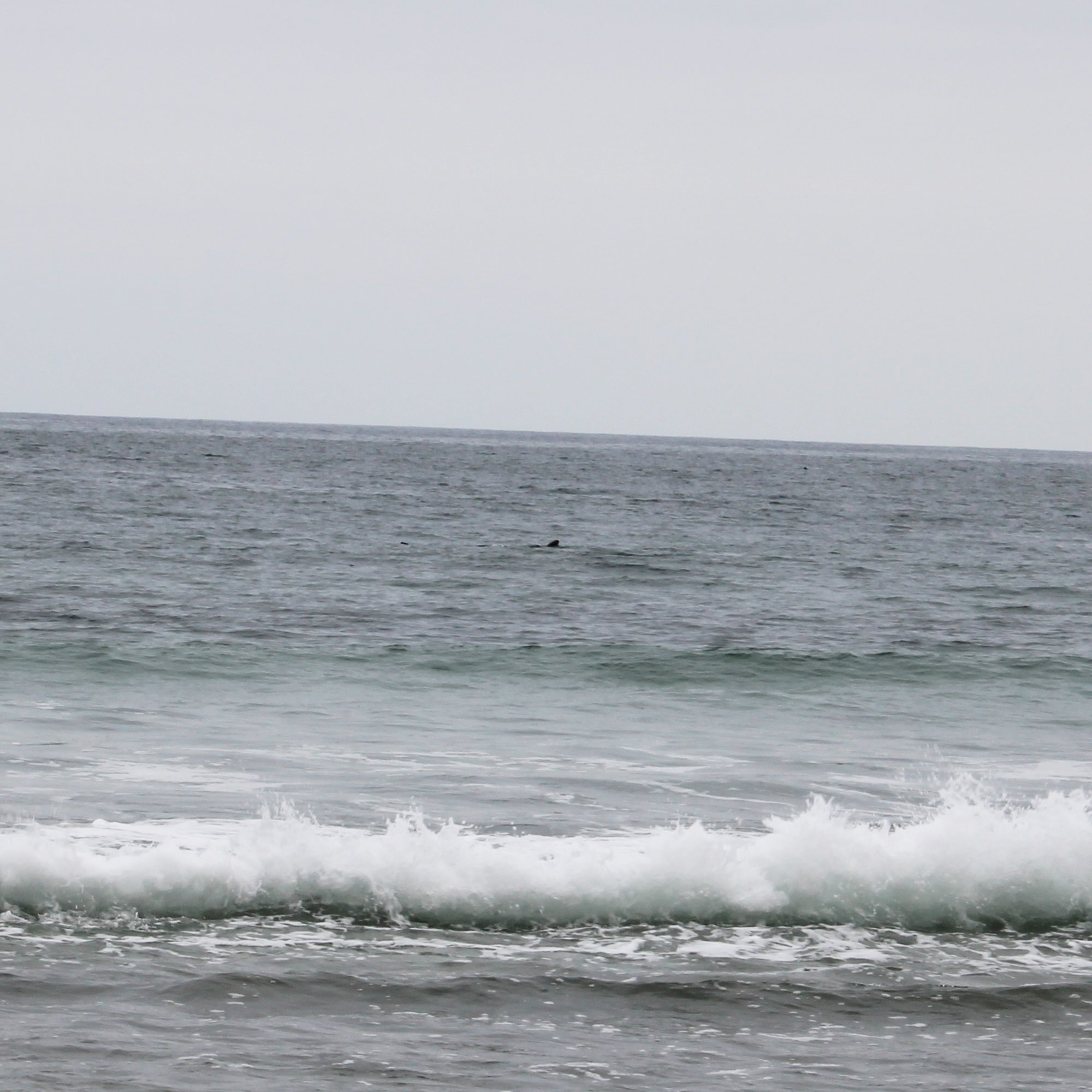
Social life is limited: the species is almost always encountered alone, in pairs or in groups of fewer than eight individuals, sometimes a few dozen; an exceptional gathering of about 150 animals has been reported 20 km off Peru. Surface behaviour is furtive, a quick roll, little or no splash, flight as soon as a boat approaches.

Like all porpoises, it produces narrow-band high-frequency echolocation clicks, whose peak frequency lies at around 130 to 140 kHz, with virtually no energy below 100 kHz. Inaudible to the human ear and outside the hearing range of the killer whale, these signals are interpreted as a form of acoustic concealment from that predator. They do, on the other hand, make the species readily detectable by automatic recorders, today the main tool for studying it.

The most complete reproductive data come from 402 individuals taken as bycatch in Peru between 1983 and 1989. Sexual maturity is reached at around 153-155 cm in females and 158-160 cm in males. Gestation lasts 11 to 12 months, with a peak of conceptions in the austral summer, and the newborn measures about 86 cm. The observed pregnancy rate reached 0.60 and 34% of pregnant females were lactating at the same time, which suggests a calving rhythm that may approach one calf a year in some females. The available data do not allow the maximum longevity of the species to be established; the generation length adopted by the IUCN is 14.4 years. Trematodes and nematodes regularly parasitise the species, and cases of poxvirus infection as well as of genital papillomatosis, sometimes severe enough to compromise reproduction, have been documented in Peruvian porpoises.

Status and conservation

The IUCN lists Phocoena spinipinnis as Near Threatened (NT) under criteria A3d+4d, on the basis of an assessment carried out on 11 February 2018 and published the same year; this status is still the one in force. It follows three listings as “Data Deficient” (1996, 2008 and 2012). The trend of the world population is officially unknown, no census at the scale of the range ever having been conducted. The assessors themselves describe this listing as provisional: the species is close to the threshold of Vulnerable status, a decline of at least 30% over three generations being judged plausible, and the Peruvian group would probably fall into a more threatened category if it were treated separately.

The dominant threat is bycatch in coastal gillnets, particularly in Peru. Earlier estimates there exceeded 450 individuals a year; a study covering a single port put forward 205 catches a year (95% CI: 105-699), a figure which, set against a fishing effort of more than 100,000 km of nets a year, suggests a national total of several thousand animals. An assessment published in 2025 for the port of Salaverry estimated 1,696 porpoises (95% CI: 1,087-2,648) in an area of 3,500 km², for about 420 animals taken as bycatch each year (95% CI: 210-700) attributable to the local fleet alone: a population of more than 42,000 individuals would be needed for such a level of mortality to be sustainable.

To this are added deliberate takes. In Peru, porpoise meat is eaten and is used as bait in the shark fishery. In Argentina and Chile, the species was harpooned until the end of the 1990s to bait traps for centolla (southern king crab), a practice that appears to have largely ceased. The species is listed in Appendix II of CITES and in Appendix II of the Bonn Convention on Migratory Species (CMS). There is no recovery plan and no systematic monitoring programme. Trials of acoustic deterrents (“pingers”) in Peru reduced the combined bycatch of dolphins and porpoises by 37%, an encouraging avenue but still far from large-scale deployment.

Watching this species

Burmeister’s porpoise is the subject of no commercial watching activity, and it is one of the hardest small cetaceans in the world to spot. It is visible only in calm seas, with neither swell nor chop, from a high point on the shore or a small, slow boat, and it moves away as soon as a vessel approaches. Densities are low: around Península Valdés, in Argentina, aerial surveys give 0.0065 individuals per km² for a mean group size of 1.6 animals; in the Chiloé ecoregion, in southern Chile, boat-based encounter rates range from 0.1 to 2.5 animals per 100 km travelled.

The best chances lie in the fjords and channels of southern Chile, the Beagle Channel, the coastal waters of Argentine Patagonia and the Peruvian inshore strip. The rules of approach are those for any shy small coastal cetacean: hold a steady speed or cut the engine, never chase an animal, keep a sufficient distance and report sightings and strandings to the local scientific networks. For this species, passive acoustic monitoring remains far more effective than visual observation. It cannot be watched in French waters.

Frequently asked questions

Is Burmeister’s porpoise a threatened species?

It is listed as Near Threatened (NT) on the IUCN Red List, under criteria A3d+4d, since the assessment of February 2018 that replaced a Data Deficient listing. This status is explicitly presented as provisional: the species is close to the threshold of Vulnerable status, a decline of at least 30% over three generations being judged plausible because of bycatch. The real population trend remains unknown, for want of a census at the scale of its range.

Can it be seen in France?

No. Burmeister’s porpoise is endemic to the coasts of South America, between northern Peru and southern Brazil. It has never been reported in the Mediterranean, in the Bay of Biscay or in the English Channel, nor in the waters of the French overseas territories. In Europe, the only porpoise present is the harbour porpoise (Phocoena phocoena), in particular in the English Channel, the North Sea and the Atlantic.

What is the main threat facing it?

Bycatch in the gillnets of the small-scale coastal fishery, in particular in Peru. An assessment published in 2025 for the port of Salaverry alone estimates about 420 porpoises caught a year for a local population of about 1,700 individuals: more than 42,000 animals would be needed for such a take to be sustainable. To this are added deliberate takes for human consumption and to bait shark fishing gear.

Why is it called spinipinnis?

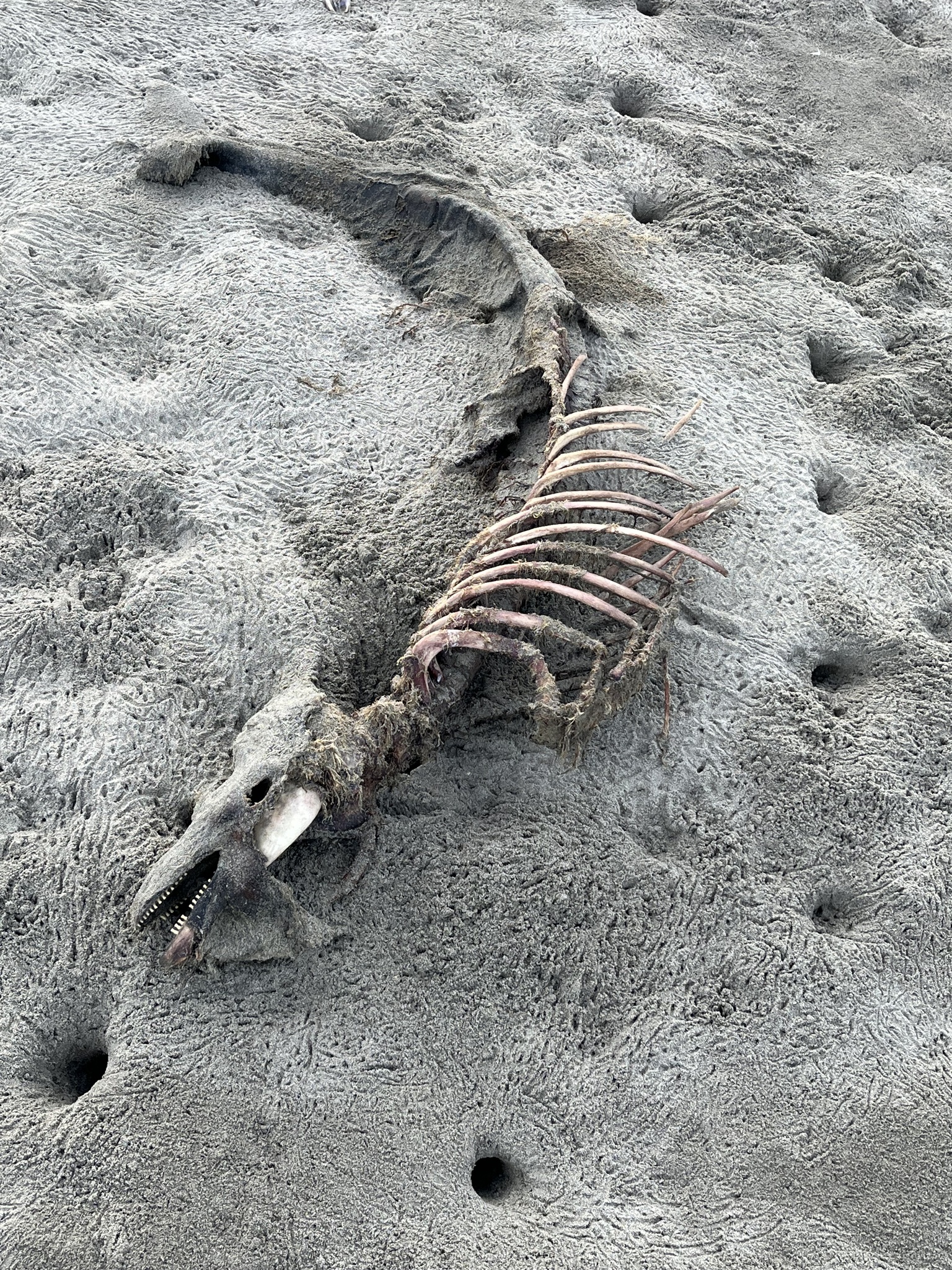
The epithet comes from the Latin spina, spine, and pinna, fin. The leading edge of the dorsal fin bears two to four rows of small tubercles, which become larger and more prominent with age. It is a unique feature among the porpoises and one of the best identification criteria on a stranded animal.

How can it be told from the spectacled porpoise?

The spectacled porpoise (Phocoena dioptrica) shares part of the southern waters but shows a sharp contrast between a black back and white flanks and belly, with a black ring edged in white around the eye. Its dorsal fin is very large, rounded and with a convex trailing edge, spectacularly developed in the male. Burmeister’s porpoise, for its part, is uniformly dark grey to blackish and has a low, triangular fin, tilted backwards and set very far back on the body. Their habitats also differ: Burmeister’s porpoise is strictly coastal, whereas the spectacled porpoise is above all oceanic and subantarctic.

How do scientists study it, given how inconspicuous it is?

Essentially by passive acoustics. Like all porpoises, the species emits narrow-band high-frequency echolocation clicks, with a peak around 130 to 140 kHz and almost no energy below 100 kHz. Automatic recorders placed on moorings or directly on fishing nets make it possible to map its presence, its depth and temperature preferences, and to pick out hunting phases, where visual observation most often fails.

Sources

Profile compiled from authoritative scientific sources (IUCN, NOAA Fisheries, specialist literature) and reviewed for factual accuracy.

Observed distribution

According to the open data of the GBIF, 99 georeferenced sightings of Phocoena spinipinnis are recorded in our photographic index.

Main countries of observation
CountryNotes
Peru83
Chile44
Argentina12
Uruguay1

Distribution map: Burmeister's porpoise (Phocoena spinipinnis)

Distribution map: Burmeister's porpoise (Phocoena spinipinnis), 99 georeferenced sightings from GBIF
99 georeferenced sightings of Phocoena spinipinnis. Base map Natural Earth, public domain. GBIF data.
🗺️ Open the interactive mapTo zoom and pan. It uses the OpenStreetMap/CARTO base maps and the GBIF occurrence densities: no data is sent to these services before you click.

Presence through the year

Monthly distribution of 111 dated sightings (all years combined): the maximum is reached in December.

560janvier : 6janfévrier : 4febmars : 6maravril : 2avrmai : 1maijuin : 4juinjuillet : 13juilaoût : 6Augustseptembre : 3sepoctobre : 9octnovembre : 1novdécembre : 56dec
Sightings by month
MonthNotes
janvier6
February4
mars6
avril2
mai1
juin4
juillet13
August6
septembre3
octobre9
novembre1
December56

These figures reflect survey effort (more boaters and more surveys in summer) as much as the actual presence of the species: to be interpreted with caution.

En images

Phocoena spinipinnis
© Ángel Gabriel Manayay Nuñez, CC BY-NC, 2026
Phocoena spinipinnis
© Ángel Gabriel Manayay Nuñez, CC BY-NC, 2026
Phocoena spinipinnis
© Ángel Gabriel Manayay Nuñez, CC BY-NC, 2026
Phocoena spinipinnis
© Federico Muñoz, CC0, 2025
Phocoena spinipinnis
© Federico Muñoz, CC0, 2025
Phocoena spinipinnis
© Federico Muñoz, CC0, 2025
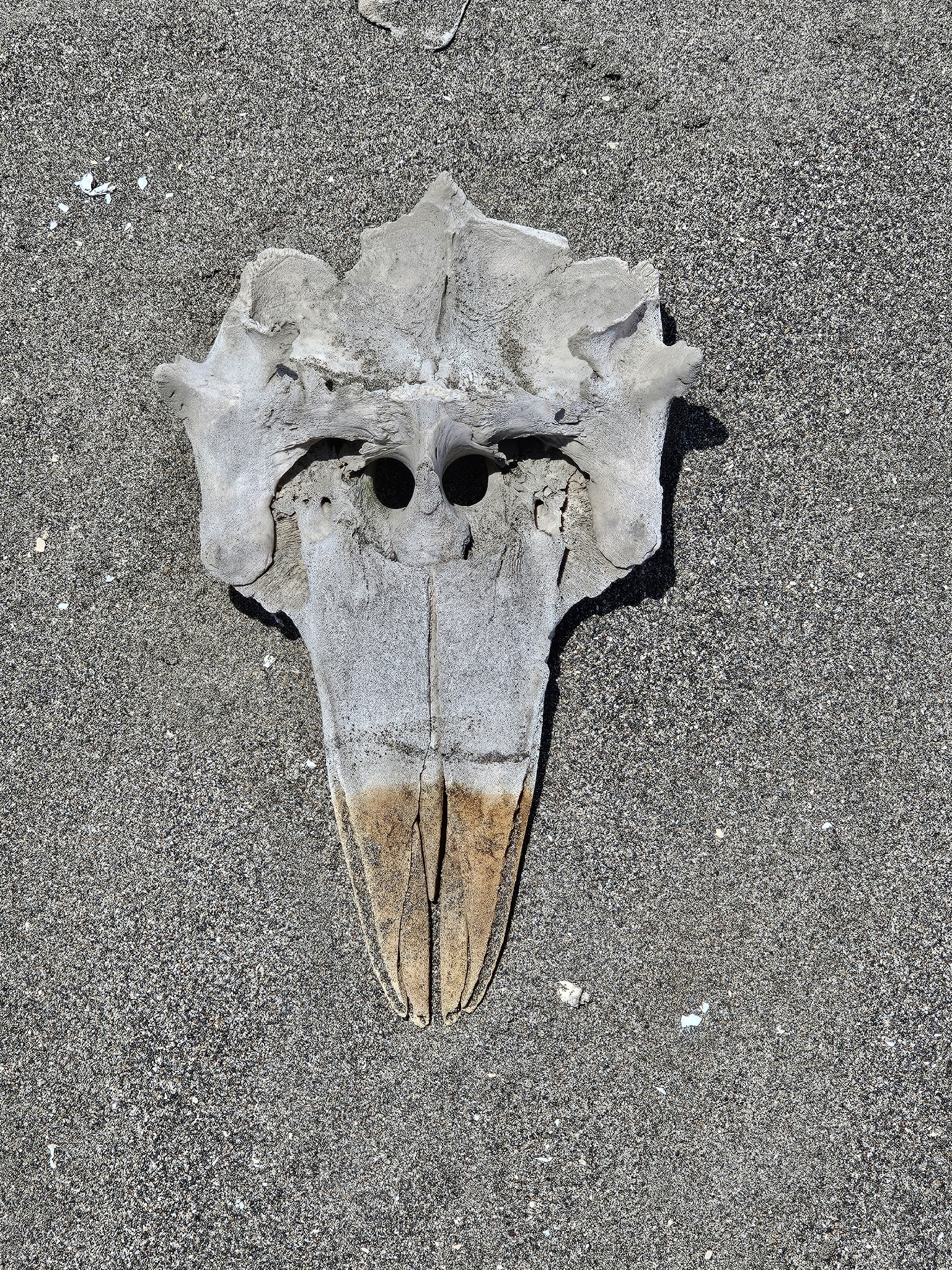
Phocoena spinipinnis
© Atreo Jofré Fernández, CC BY-NC, 2025
Phocoena spinipinnis
© Markus Ackermann, CC BY-NC, 2025
Phocoena spinipinnis
© Redbeardbirder, CC BY-NC, 2025
Phocoena spinipinnis
© rcotlear, CC BY-NC, 2025
Phocoena spinipinnis
© craigjhowe, CC BY-NC, 2025
Phocoena spinipinnis
© Ashton Reiser, CC BY-NC, 2025

Photographs from GBIF under a Creative Commons licence. The author and the licence of each photograph are given; please respect them if you reuse them.

Scientific references

  1. Van Bressem M., Van Waerebeek K., Reyes J., Dekegel D. et al. (1993) Evidence of Poxvirus in Dusky Dolphin (Lagenorhynchus obscurus) and Burmeister's Porpoise (Phocoena spinipinnis) from Coastal Peru, Journal of Wildlife Diseases
  2. Brownell R., Praderi R. (1984) Phocoena spinipinnis, Mammalian Species
  3. Reyes Reyes M., Marino A., Dellabianca N., Hevia M. et al. (2018) Clicks of wild Burmeister's porpoises (Phocoena spinipinnis) in Tierra del Fuego, Argentina, Marine Mammal Science
  4. Torres P., Oporto J., Brieva L., Escare L. et al. (1992) Gastrointestinal Helminths of the Cetaceans Phocoena spinipinnis (Burmeister, 1865) and Cephalorhynchus eutropia (Gray, 1846) from the Southern Coast of Chile, Journal of Wildlife Diseases
  5. Molina-Schiller D., Rosales S., Freitas T. (2005) Oceanographic conditions off coastal South America in relation to the distribution of Burmeister's porpoise, Phocoena spinipinnis, Latin American Journal of Aquatic Mammals
  6. Beilis A., Cetica P., Merani M. (2000) SPERM MORPHOLOGY AND MORPHOMETRY OF BURMEISTER'S PORPOISE (PHOCOENA SPINIPINNIS), Marine Mammal Science
  7. Santillán L. (2022) Observations of Burmeister’s Porpoise (Phocoena spinipinnis) in the Northern Coast of Peru, Aquatic Mammals
  8. (2018) Phocoena spinipinnis: Félix, F., Alfaro, J., Reyes, J., Mangel, J., Dellabianca, N., Heinrich, S. & Crespo, E., IUCN Red List of Threatened Species

Automatic selection of the most cited works mentioning the species (source: Crossref).