L'info des cétacés logo
FrançaisEnglish
  • Cetaceans
    • Mysticetes
    • Odontocetes
    • The difference between whale, sperm whale and dolphin
    • Cetacean evolution
    • Cetacean records
    • How to identify a cetacean?
    • Size comparator
    • Interactive phylogeny
    • Interactive anatomy
    • Famous cetaceans
    • Ancestral fossils
    • IUCN status by species
    • 🧭 50+ databases
    • Freshwater cetaceans
    • Epibionts & symbioses
    • Sleep in cetaceans
    • Etymology of the names
    • Diets
    • Life cycles
    • Brain & cognition
    • Aquatic behaviours
    • Swimming performance
    • Diving physiology
    • Senses: hearing & vision
    • Energy & metabolism
    • Hydrodynamics (Strouhal)
    • Lactation
    • Social cohesion
    • Mating & reproduction
    • Anatomical counts
    • Comparative morphometrics
    • Tools & techniques
    • Cognitive tests
    • Sequenced genomes
    • Hybridisations
    • Pigmentation variants
    • Diving records
    • Thermal preferences
  • Watching
    • When to watch cetaceans
    • Watching calendar
    • How should you prepare for your whale watching trip?
    • Whale watching certification labels
    • HQWW directory and associations
    • Where to watch whales and dolphins
    • Watching in the Mediterranean
    • Map of cetaceans in France
    • Marine mammals of France
    • Most recorded cetaceans (GBIF)
    • Annual migrations
    • Identify my cetacean
    • Identifying by the blow
    • Ocean currents
    • Sea level (satellite)
    • Bay of Biscay: plankton & temperature
    • Seabed types (Bay of Biscay)
    • GBIF records (Bay of Biscay)
    • Fishing & ship strikes (Bay of Biscay)
    • Ships by satellite (VesselFinder)
    • Offshore wind and cetaceans (France)
    • Cetacean distribution (DCSMM)
    • Crozet & Kerguelen
    • Marine sanctuaries worldwide
    • MPAs worldwide
  • Strandings
    • What should you do if you find a stranded cetacean?
    • The RNE (Réseau National Echouage) in France
    • Why study strandings?
    • What causes strandings?
    • Stranding map
    • Chemical pollution
    • Bycatch
    • International legal framework
    • Blue carbon
    • Climate change
    • Diseases
    • Ocean noise
    • Current demographics
    • Captivity & sanctuaries
    • Rescues
  • Media
    • Research & discoveries
    • Cetaceans and human culture
    • A history of whaling
    • Cetacean sound library
    • Video library
    • Encyclopaedia of cetacean researchers: who studies cetaceans
    • Research organisations (worldwide)
    • Audio quiz: recognise the cetacean
    • Whaling 1900-2025
    • Cetacean documentaries
    • Call library
    • 🧭 Explore all the data
    • Live hydrophones
    • Whale products
    • 📸 Cetacean photographers
    • Military marine mammals
    • Scientific bibliography
    • Quotations from cetology
    • Acoustic profile
    • Fiction films
    • History of the discoveries
    • Cetaceans in music
    • Myths & folklore
    • Skeletons in museums
    • Acoustic monitoring (PAM)
    • Tracking technologies
  • Education
    • 🧭 Explore all the tools
    • How to act
    • Bibliography & media library
    • For children
    • For teachers
    • Breath-hold calculator vs cetaceans
    • Whale falls
    • Citizen science
    • Open data
    • Watch: the FORESEA dataset
  • About
    • Our blog
    • Contact us
L'info des cétacés logo
  • Cetaceans
    • Mysticetes
    • Odontocetes
    • The difference between whale, sperm whale and dolphin
    • Cetacean evolution
    • Cetacean records
    • How to identify a cetacean?
    • Size comparator
    • Interactive phylogeny
    • Interactive anatomy
    • Famous cetaceans
    • Ancestral fossils
    • IUCN status by species
    • 🧭 50+ databases
    • Freshwater cetaceans
    • Epibionts & symbioses
    • Sleep in cetaceans
    • Etymology of the names
    • Diets
    • Life cycles
    • Brain & cognition
    • Aquatic behaviours
    • Swimming performance
    • Diving physiology
    • Senses: hearing & vision
    • Energy & metabolism
    • Hydrodynamics (Strouhal)
    • Lactation
    • Social cohesion
    • Mating & reproduction
    • Anatomical counts
    • Comparative morphometrics
    • Tools & techniques
    • Cognitive tests
    • Sequenced genomes
    • Hybridisations
    • Pigmentation variants
    • Diving records
    • Thermal preferences
  • Watching
    • When to watch cetaceans
    • Watching calendar
    • How should you prepare for your whale watching trip?
    • Whale watching certification labels
    • HQWW directory and associations
    • Where to watch whales and dolphins
    • Watching in the Mediterranean
    • Map of cetaceans in France
    • Marine mammals of France
    • Most recorded cetaceans (GBIF)
    • Annual migrations
    • Identify my cetacean
    • Identifying by the blow
    • Ocean currents
    • Sea level (satellite)
    • Bay of Biscay: plankton & temperature
    • Seabed types (Bay of Biscay)
    • GBIF records (Bay of Biscay)
    • Fishing & ship strikes (Bay of Biscay)
    • Ships by satellite (VesselFinder)
    • Offshore wind and cetaceans (France)
    • Cetacean distribution (DCSMM)
    • Crozet & Kerguelen
    • Marine sanctuaries worldwide
    • MPAs worldwide
  • Strandings
    • What should you do if you find a stranded cetacean?
    • The RNE (Réseau National Echouage) in France
    • Why study strandings?
    • What causes strandings?
    • Stranding map
    • Chemical pollution
    • Bycatch
    • International legal framework
    • Blue carbon
    • Climate change
    • Diseases
    • Ocean noise
    • Current demographics
    • Captivity & sanctuaries
    • Rescues
  • Media
    • Research & discoveries
    • Cetaceans and human culture
    • A history of whaling
    • Cetacean sound library
    • Video library
    • Encyclopaedia of cetacean researchers: who studies cetaceans
    • Research organisations (worldwide)
    • Audio quiz: recognise the cetacean
    • Whaling 1900-2025
    • Cetacean documentaries
    • Call library
    • 🧭 Explore all the data
    • Live hydrophones
    • Whale products
    • 📸 Cetacean photographers
    • Military marine mammals
    • Scientific bibliography
    • Quotations from cetology
    • Acoustic profile
    • Fiction films
    • History of the discoveries
    • Cetaceans in music
    • Myths & folklore
    • Skeletons in museums
    • Acoustic monitoring (PAM)
    • Tracking technologies
  • Education
    • 🧭 Explore all the tools
    • How to act
    • Bibliography & media library
    • For children
    • For teachers
    • Breath-hold calculator vs cetaceans
    • Whale falls
    • Citizen science
    • Open data
    • Watch: the FORESEA dataset
  • About
    • Our blog
    • Contact us
FrançaisEnglish

The Cetacean Journal

News, discoveries and stories from the marine world!

Latest news from the open sea

Dive into our selection of articles to find out all about cetaceans and their environment.
Tahlequah (J35) a un fils, J65, vu le 19 octobre, seize jours après le nouveau-né mort porté par J31
News

Tahlequah (J35) has a son, J65, seen on 19 October, sixteen days after J31 was spotted carrying a dead newborn

•27 October 2026•Eric GARLETTI
Un lien inattendu entre les chants de baleines et la théorie de la relativité restreinte d'Einstein
News

An unexpected link between whale song and Einstein’s theory of special relativity

•6 September 2026•Eric GARLETTI
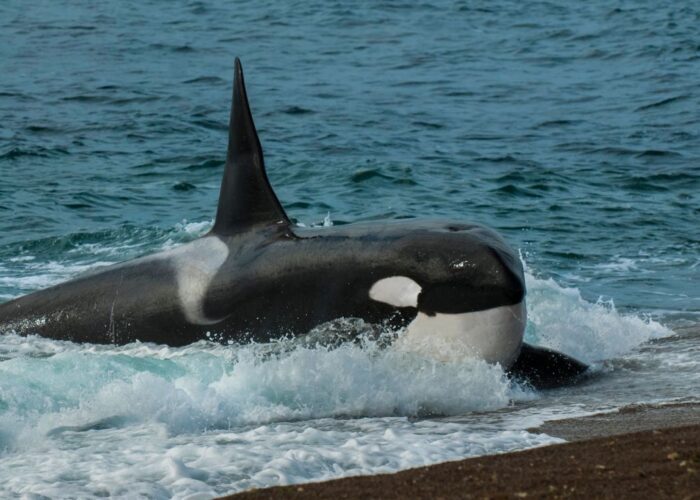
La tache blanche de l’orque ce que l’on sait vraiment, et pourquoi le mystère n’est pas résolu
News

The killer whale’s white patches: the study said to have solved their mystery does not exist

•5 September 2026•Eric GARLETTI
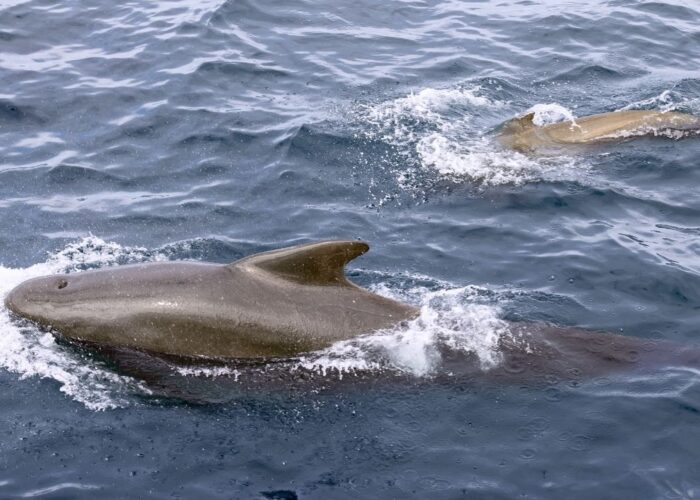
Deux virus que personne n’avait jamais décrits viennent d’être identifiés dans des tissus de globicéphales tropicaux et d’orques
News

Two viruses that no one had ever described have just been identified in tissues from short-finned pilot whales and killer whales

•4 September 2026•Eric GARLETTI
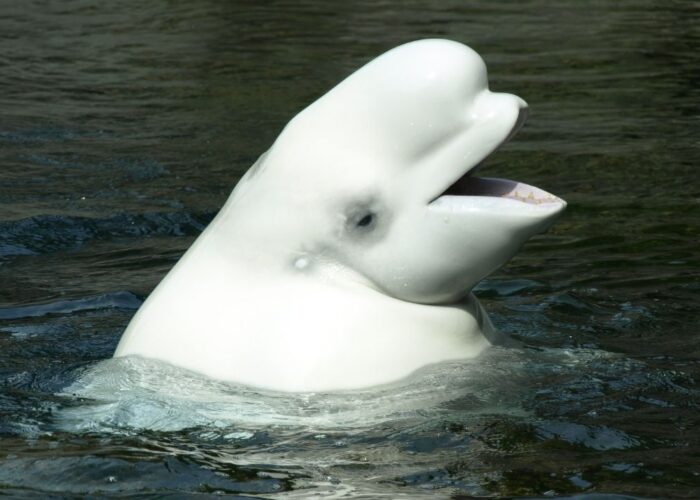
Bélugas du Saint-Laurent deux fois plus nombreux qu’on le croyait, et pas en meilleure santé
News

St Lawrence belugas: twice as numerous as was thought, and no healthier

•3 September 2026•Eric GARLETTI
ADN environnemental l’eau de mer révèle une baleine à bec que les campagnes SCANS n’avaient jamais vue
News

Environmental DNA: sea water reveals a beaked whale the SCANS surveys had never seen

•2 September 2026•Eric GARLETTI
La pêche au krill fermée le 12 août le seuil de 620 000 tonnes ne sert plus à ce pour quoi il a été créé
News

Krill fishing closed on 12 August: the 620,000-tonne threshold no longer serves the purpose it was created for

•1 September 2026•Eric GARLETTI
Quand une orque ménopausée meurt, le risque de mort de ses petits-enfants est multiplié par 6,7
News

When a menopausal killer whale dies, the risk of death for her grandoffspring is multiplied by 6.7

•31 August 2026•Eric GARLETTI
Une baleine morte sur le récif de Papara, son baleineau blessé et seul dans le lagon baignade interdite sur 300 mètres à Tahiti
News

A dead whale on the Papara reef, her injured calf alone in the lagoon: swimming banned within 300 metres in Tahiti

•31 August 2026•Eric GARLETTI
1 2 3 … 6

Our latest articles

  • Tahlequah (J35) has a son, J65, seen on 19 October, sixteen days after J31 was spotted carrying a dead newborn
  • An unexpected link between whale song and Einstein’s theory of special relativity
  • The killer whale’s white patches: the study said to have solved their mystery does not exist
  • Two viruses that no one had ever described have just been identified in tissues from short-finned pilot whales and killer whales
  • St Lawrence belugas: twice as numerous as was thought, and no healthier
  • Environmental DNA: sea water reveals a beaked whale the SCANS surveys had never seen

About us

  • Home
  • Our blog
  • FAQ
  • Cetacean glossary
  • Who we are
  • Contact us
  • Legal notice
  • Privacy policy
  • Our nature parks partner

Discover our podcasts!


L'info des cétacés logo

Our ambition: to raise awareness, to inform and to bring together a community around the beauty and the fragility of the marine world.

Together, let us act to better understand and protect cetaceans.

L'info des Cétacés | All rights reserved | © 2026
🔍
Type to search across … pages.
Navigate with ↑ ↓, open with Enter.
cetace.info search ↑↓ navigate · ↵ open · esc fermer