For children: discovering cetaceans

Hello! This page is made specially for you if you are between 8 and 13, or if you want to discover the world of whales, dolphins and other cetaceans in simple words. You are going to learn some amazing things: that a blue whale is bigger than a bus, that dolphins have “first names”, that sperm whales can hold their breath for more than an hour and a half under water.

~90cetacean species
30 mlargest whale
200 yearsoldest whale
3,000 mrecord dive

First of all: what is a cetacean?

Cetaceans are all the sea animals that look like fish but are really mammals: like you, like me, like a dog or a cow. It means that they breathe air (they have to come up to the surface to breathe), that they are warm-blooded, and that the females give milk to their babies.

There are two big families:

  • The baleen whales, like the blue whale, the humpback whale or the rorquals. They have no teeth: instead, they have baleen, a sort of comb they use to filter their food.
  • The toothed whales, like dolphins, killer whales, sperm whales or narwhals. They catch their prey with their teeth.

10 amazing things about cetaceans

  1. The blue whale is the largest animal of all time, bigger than the biggest dinosaurs we know of. Its heart weighs about 180 kg (as big as a golf buggy), and it beats only 4 to 8 times a minute when the whale dives!
  2. Dolphins do not sleep the way we do. They close only one eye at a time! One half of their brain sleeps while the other stays awake to breathe and watch out for danger.
  3. Dolphins have first names. When it is small, each dolphin invents a whistle of its own that it uses all its life. And the other dolphins can copy that whistle to call it.
  4. The narwhal has a unicorn horn on its head… well, almost! What looks like a horn is in fact a giant spiral tooth, which can be up to 3 metres long.
  5. Sperm whales have the biggest head in the world. It makes up a third of their body and holds the strangest organ in the animal kingdom: a sac filled with waxy oil that they use to “see” with sound.
  6. Humpback whales sing. Their songs are so complicated that they sound like music. And all the males in the same region sing the same song!
  7. Cuvier’s beaked whale can hold its breath for 3 hours and 42 minutes. That is the world record among mammals. A trained human can manage only about 10 minutes.
  8. Killer whales are the wolves of the sea. They hunt in groups, with different strategies depending on the region: some hunt fish, others seals, and others again great white sharks!
  9. The bowhead whale can live for more than 200 years. Some that are still alive today were already born before Napoleon.
  10. Cetaceans come from the land. Their ancestors, 50 million years ago, were animals that walked on four legs on dry land, a bit like a wolf. And then they went back to live in the sea.

🎨 Pictures to colour in

Here are 6 cetacean pictures to colour in, scientifically accurate silhouettes drawn by the illustrator Chris Huh and used in the reference phylogenetic trees. You can print each picture (one per sheet) or download it to colour in on a computer or a tablet. Do you know their real colours? To help you, we have noted them under each picture.

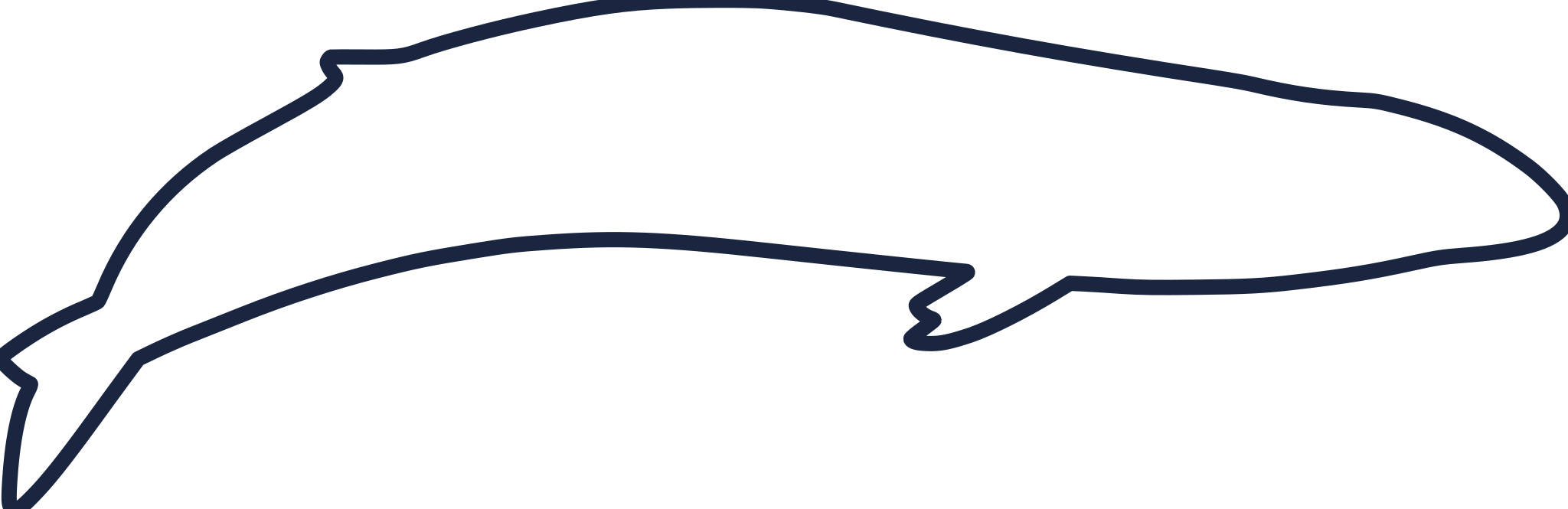
1. The Blue Whale

Balaenoptera musculus

Blue whale silhouette to colour in
🎨 Real colours: bluish grey with lighter patches (mottled). Belly slightly paler.
💾 Download

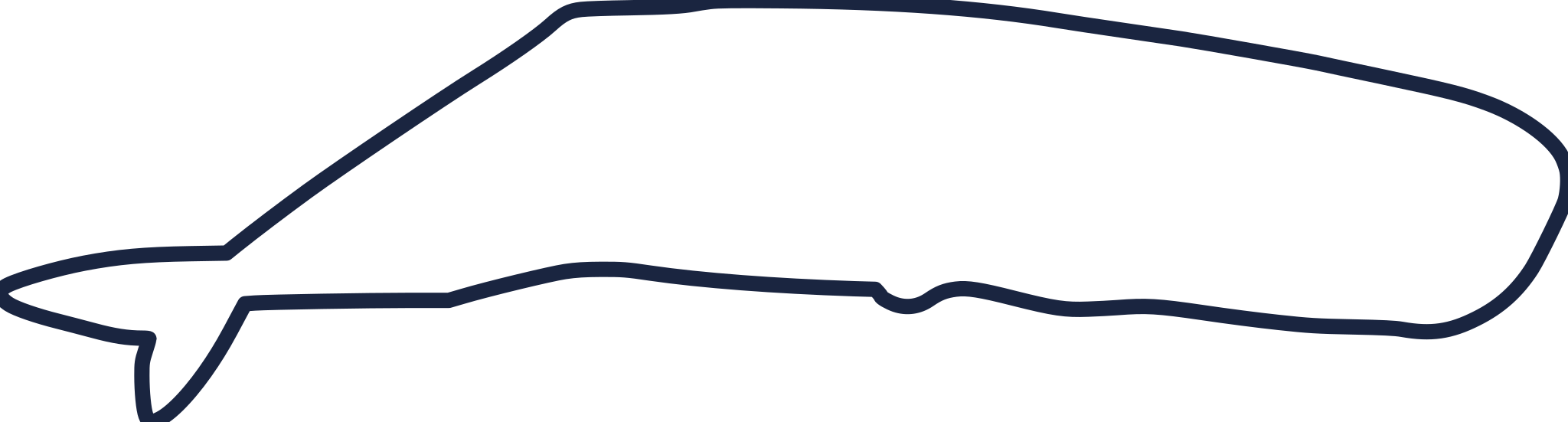
2. The Sperm Whale

Physeter macrocephalus

Sperm whale silhouette to colour in
🎨 Real colours: uniform dark greyish brown. Skin full of folds and scars (like an old prune!).
💾 Download

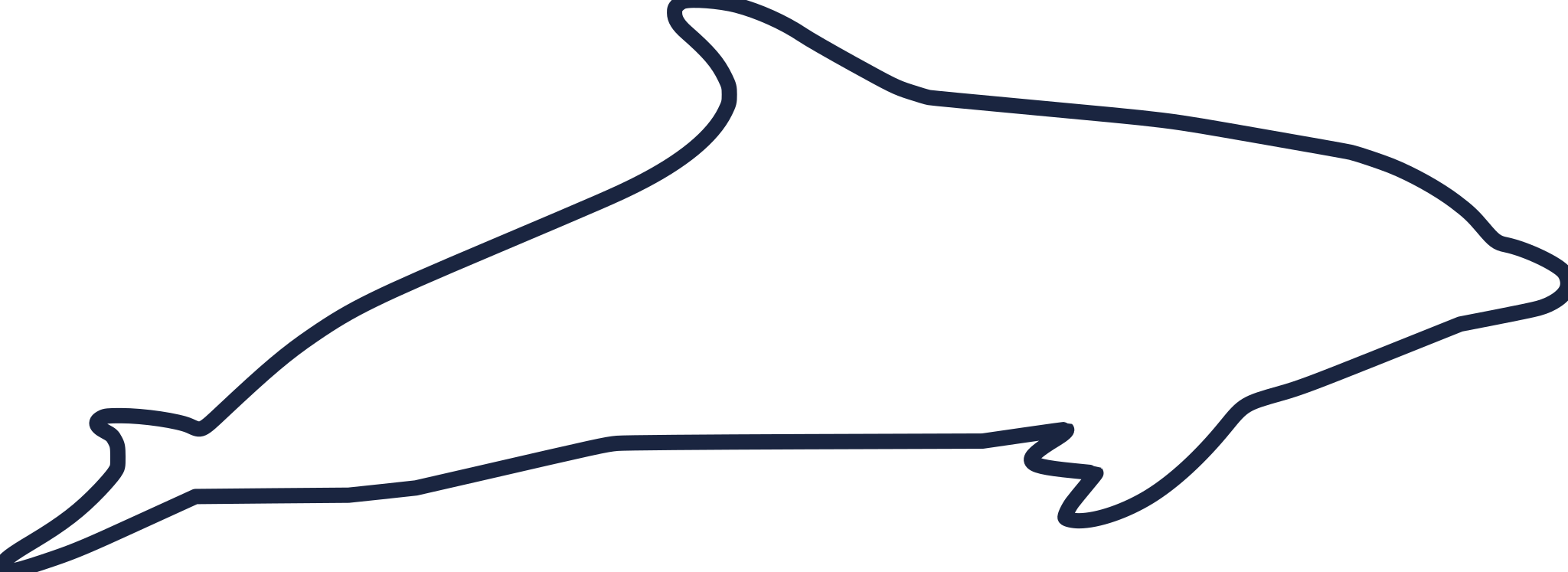
3. The Common Bottlenose Dolphin

Tursiops truncatus

Common bottlenose dolphin silhouette to colour in
🎨 Real colours: dark grey on the back, light grey on the flanks, white on the belly. A mouth that smiles!
💾 Download

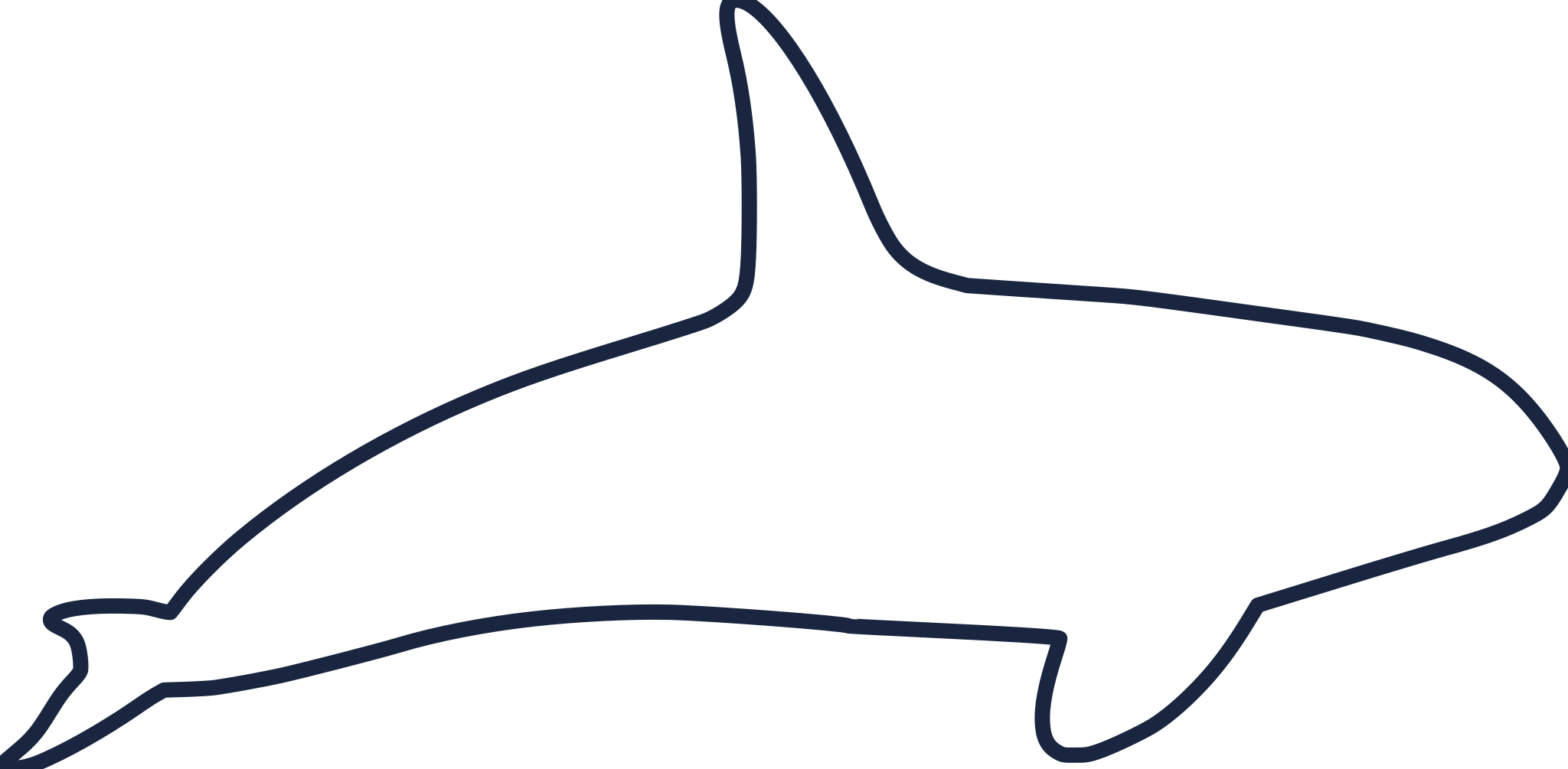
4. The Killer Whale

Orcinus orca

Killer whale silhouette to colour in
🎨 Real colours: black and white! The back and the dorsal fin are black. The belly, the throat and a patch behind each eye are white.
💾 Download

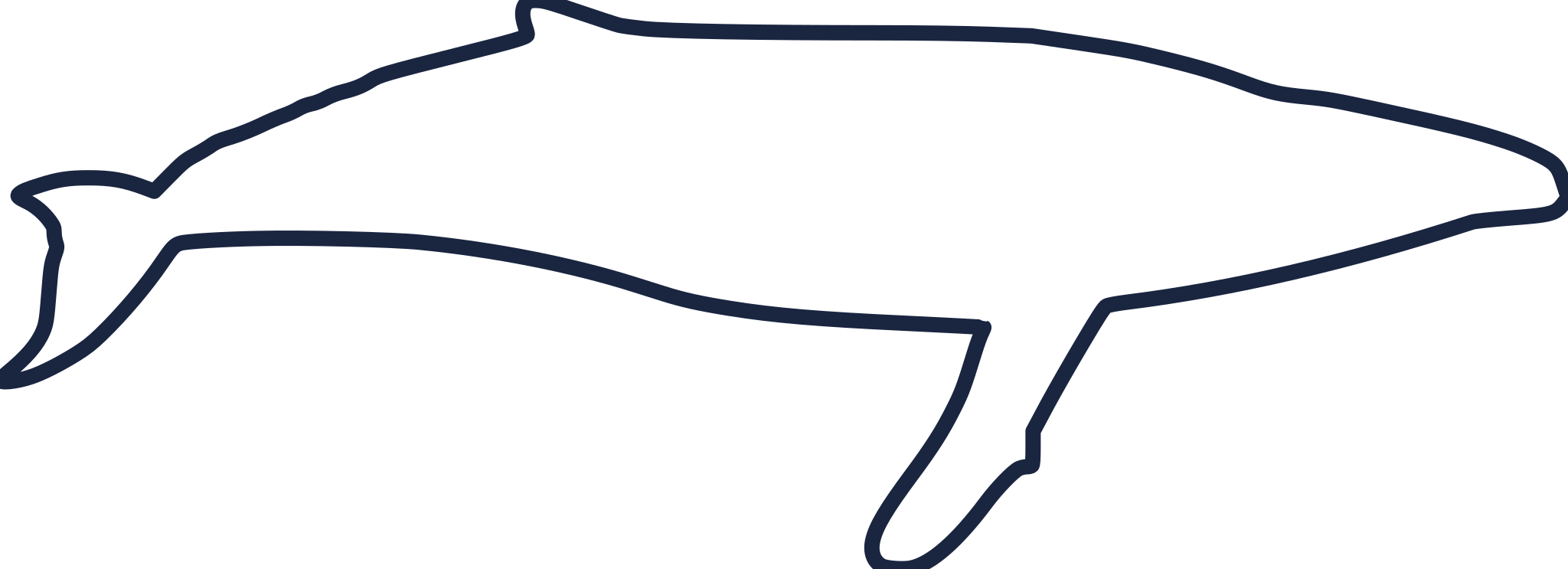
5. The Humpback Whale

Megaptera novaeangliae

Humpback whale silhouette to colour in
🎨 Real colours: black on the back, white on the belly and on the underside of the long flippers. The tail has a pattern that is unique to each individual!
💾 Download

6. The Narwhal

Monodon monoceros

Narwhal silhouette to colour in
🎨 Real colours: the adult is light grey speckled with dark grey (the calf is almost black and grows paler with age). The spiral tusk stays ivory white.
💾 Download

🎨 Detailed pictures (zentangle style)

More complex pictures with plenty of patterns to colour in, perfect for quiet afternoons or for practising precision. Plenty of patience, plenty of fun!

7. The Whale (mandala)

Zentangle style

Whale mandala to colour in
🎨 Give your imagination free rein: realistic colours (blue-grey) or completely fanciful ones (rainbow)!
💾 Download

8. The Humpback Whale

Megaptera novaeangliae

Humpback whale zentangle to colour in
🎨 The humpback whale has a black back, a white belly and long flippers that are partly white. And its tail is unique to each individual, so invent your own!
💾 Download

9. The Killer Whale

Orcinus orca

Killer whale zentangle to colour in
🎨 Real colours: contrasting black and white. But you can also colour the patterns with dozens of different colours!
💾 Download

10. The Dolphin (leaping)

Acrobatic dolphin

Leaping dolphin to colour in
🎨 Real colours: shaded grey. But the waves can be turquoise, deep blue, sea green… it is up to you!
💾 Download

11. The Dolphin (another style)

Dolphin over the waves

Dolphin variant to colour in
🎨 Another acrobatic dolphin above the waves, a different style to colour in!
💾 Download

12. The Octopus

Octopus vulgaris

Octopus zentangle to colour in
🎨 The octopus is not a cetacean! It is a cephalopod mollusc (like the squid). It can change colour at will, so colour it however you like, it will always be realistic!
💾 Download

13. The Shark

Selachimorpha

Shark zentangle to colour in
🎨 The shark is a cartilaginous fish (not a cetacean!). But it also lives in the sea and is often mistaken for the killer whale… so here it is to colour in as well!
💾 Download

14. The Seahorse

Hippocampus sp.

Seahorse zentangle to colour in
🎨 The seahorse is a very special little fish: it is the dad who carries the babies in his pouch! Real colours vary a great deal: yellow, orange, red, green, mauve…
💾 Download

15. The Seahorse (variant)

Hippocampus sp.

Seahorse variant to colour in
🎨 Another seahorse to colour in, with a crest on its head like a little horse!
💾 Download
Credits: cetacean silhouettes (nos. 1 to 6) by Chris Huh, via PhyloPic: under CC BY-SA 3.0 licence. Detailed pictures (nos. 7 to 15) in zentangle style.

How can we protect them?

Cetaceans are in danger because of lots of things we have done without thinking: the plastic we throw into the sea, boats that make too much noise, fishing that catches them by accident in nets, the warming of the water that changes their habitat. Happily, there are things we can do, even at your age:

  • Say no to plastic straws and bags in a restaurant or at the supermarket. You can say “no thank you” and explain why.
  • Pick up the litter you see on the beach (with gloves on!). Every piece of plastic less is one more chance for a whale.
  • Talk about it around you. Tell your friends, your parents and your teachers what you have learnt. The more of us who know, the more we can do.
  • If you see a stranded whale or dolphin on the beach, do not touch it and tell an adult. You need to call the RNE (Réseau National Échouage, the French stranding network) on 05 46 44 99 10.

For the more curious

If you want to find out more, here are our favourite pages for curious children: