Harbour porpoise (Phocoena phocoena)

Key facts
Scientific name Phocoena phocoena (Linnaeus, 1758)
Other names Harbour porpoise, nicknamed “puffing pig” because of the sound of its breathing; French: cochon de mer, marsouin des ports
Size 1.4 to 1.9 m in adults depending on the source (NOAA: 1.5 to 1.7 m; OFB: 1.3 to 2 m); newborns 67 to 85 cm. Porpoises stranded in France in 2023 measured 50 to 185 cm.
Weight About 45 to 75 kg in adults (NOAA: 61 to 77 kg; OFB: 45 to 70 kg), females reaching about 76 kg against about 61 kg for males; newborns 6.4 to 10 kg. Animals stranded in France in 2023 weighed 8 to 72 kg.
Longevity 8 to 13 years on average, 10 to 15 years according to the OFB; maximum documented around 20 to 24 years (NOAA cites a maximum longevity of about 24 years).
Diet Small schooling and demersal fish (herring, sprat, capelin, mackerel, gadids, sandeels, gobies), with cephalopods as a secondary item. Prey are small, most often under about twenty centimetres, and only 3 to 10 cm in the hunting sequences followed by acoustic tags.
IUCN status Least Concern (LC) globally, Braulik, G.T., Minton, G., Amano, M. & Bjørge, A. 2023, amended version of the 2020 assessment (e.T17027A247632759; DOI 10.2305/IUCN.UK.2023-1.RLTS.T17027A247632759.en). At European level, the IUCN’s most recent regional assessment (Sharpe & Berggren 2023, e.T17027A219010660, scope “Europe”) also lists the species as Least Concern (LC), with a population trend judged stable; the earlier European regional assessment as Vulnerable (VU) dates from 2007 and is no longer in force. Some subpopulations, by contrast, are considerably more threatened: Baltic Sea subpopulation: Critically Endangered (CR, criterion C2a(ii), Carlström et al. 2023, e.T17031A50370773, 216 mature individuals); Black Sea subspecies P. p. relicta: Endangered (EN, criteria A1d+4cde, Birkun & Frantzis, 2026 amended version of the 2008 assessment, e.T17030A290349737). Red List of marine mammals of metropolitan France: Near Threatened (NT).

In brief

The harbour porpoise (Phocoena phocoena) is the smallest cetacean in European waters and the only member of the family Phocoenidae in the North-East Atlantic. Coastal and inconspicuous, it shows no more than a rounded back and a small triangular dorsal fin for a fraction of a second, and hunts tiny schooling fish almost without pause. Listed as Least Concern (LC) by the IUCN both globally and at European level, it nonetheless holds some of the most threatened cetacean populations in Europe, the Baltic and the Black Sea foremost among them, and appears as Near Threatened (NT) on the Red List of metropolitan France.

Identification

The harbour porpoise is a small, stocky, spindle-shaped cetacean with a conical head and no rostrum: unlike dolphins, it has no pronounced beak. The back is dark grey to black, the flanks lighten progressively and the belly is white; a thin dark line usually runs from the corner of the mouth to the flipper. The dorsal fin, set at mid-back, is small, low and clearly triangular, with a straight or slightly concave trailing edge, a decisive criterion. The dentition is characteristic of the family: 19 to 28 teeth in each half of the jaw, spade-shaped rather than conical as in delphinids. Females are on average slightly larger and heavier than males.

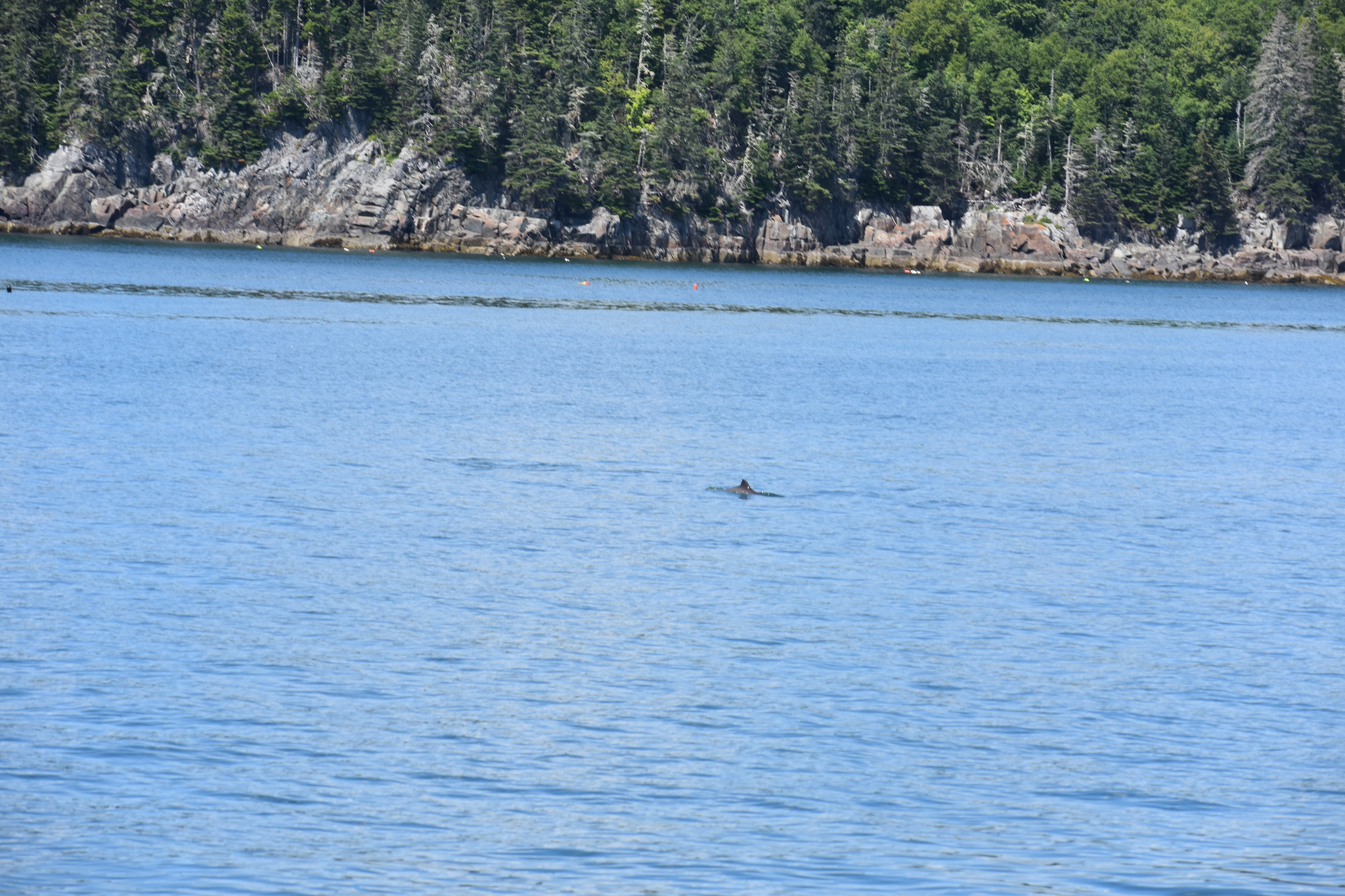
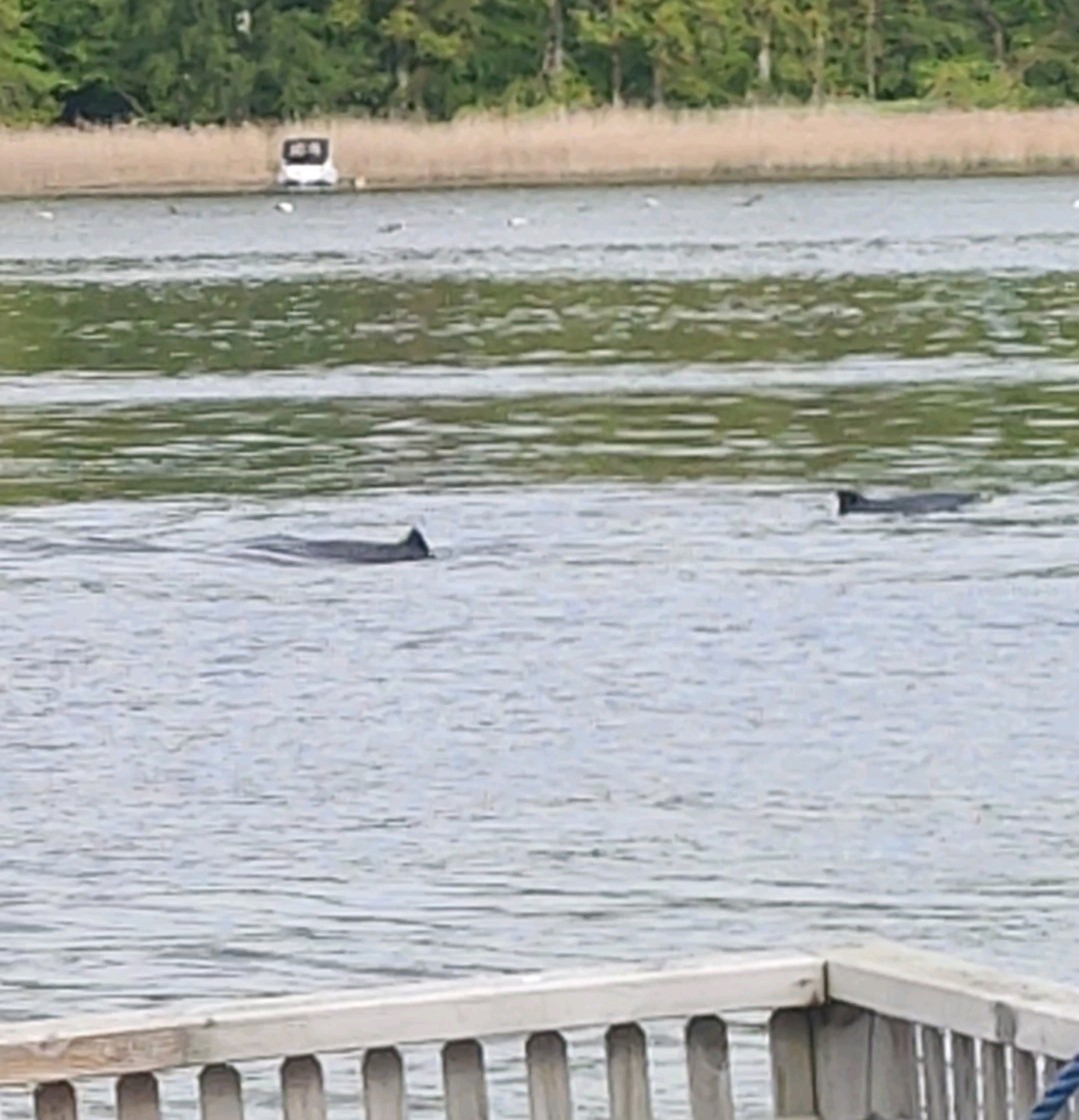
At sea, identification rests at least as much on behaviour as on outline. The porpoise does not breach, does not bow-ride and raises almost no spray: it rolls slowly at the surface, from snout to tail fluke, arching its back, then disappears. Its breathing produces a brief wheezing sound, audible at short range in calm seas, which earns it the English nickname “puffing pig”. It tends to avoid vessels and travels alone, in pairs or in very small groups of 2 to 5 animals, exceptionally several dozen to a hundred over concentrations of prey.

Possible confusions are few but real. At a distance, a young common dolphin (Delphinus delphis) or a common bottlenose dolphin (Tursiops truncatus) can be taken for a porpoise: in dolphins, the dorsal fin is larger and falcate, the rostrum is visible and the behaviour far more demonstrative. The head of a grey seal at the surface is also confusing to an untrained eye. In the North Pacific, where the harbour porpoise occurs alongside Dall’s porpoise (Phocoenoides dalli), hybrids between the two species have been documented. In the North-East Atlantic no other phocoenid is present: a small cetacean without a beak and with a triangular dorsal fin is a harbour porpoise there.

Taxonomy

Phocoena phocoena (Linnaeus, 1758) belongs to the family Phocoenidae, which groups the porpoises, a lineage distinct from the dolphins (Delphinidae) by the spade-shaped teeth, the absence of a rostrum and a generally triangular dorsal fin. The French name “marsouin” derives from Germanic roots meaning “sea pig”, a sense also found in the medieval Latin behind the English term “porpoise”.

Three subspecies are conventionally recognised: P. p. phocoena in the North Atlantic and along the coasts of West Africa, P. p. relicta in the Black Sea and the Sea of Azov, and P. p. vomerina in the North-East Pacific; to these is added an unnamed population in the North-West Pacific. The porpoises of the Iberian Peninsula and Mauritania, genetically and morphologically distinct and largely isolated from the other North-East Atlantic populations, have been the subject of a proposal for a fourth subspecies, P. p. meridionalis, which is not universally accepted to date.

Distribution and habitat

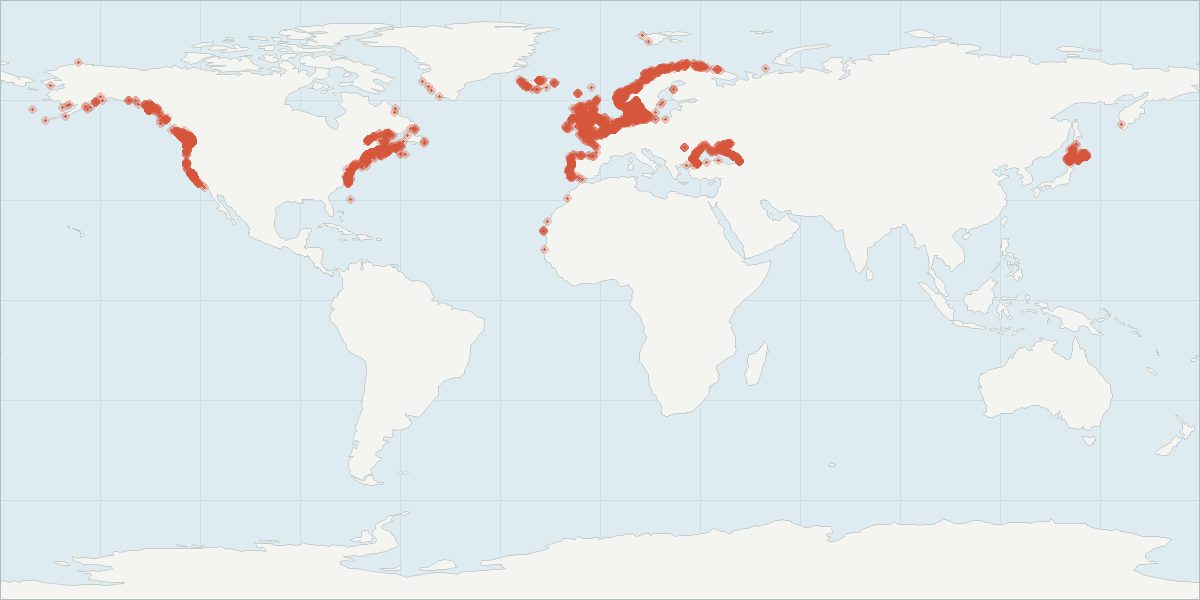
The harbour porpoise occupies the temperate, subarctic and arctic coastal waters of the northern hemisphere. In the western Atlantic it ranges from West Greenland to Cape Hatteras (North Carolina); in the eastern Atlantic, from Spitsbergen and the Barents Sea to the Iberian and West African coasts, including the North Sea and the Baltic. In the Pacific it ranges from Japan to California (Point Conception) and extends north to the Beaufort Sea. A relict population persists in the Black Sea, the Sea of Azov and the Sea of Marmara, with sightings in the Aegean Sea. It is a continental shelf species, generally over depths of less than 200 m, which readily enters bays, estuaries and river mouths.

In France, the species is present on the Channel and North Sea seaboard and in the Atlantic. Monitoring by the Réseau National Échouages, coordinated by the Observatoire Pelagis, records 3,009 reports on the Channel and North Sea seaboard and 1,864 on the Atlantic seaboard between 1990 and 2023, against exactly 0 in the Mediterranean. The porpoise remains the dominant species among strandings on the Channel and North Sea seaboard (47% in 2023). Successive aerial surveys (SCANS in 1994 through to SCANS-IV in 2022, SAMM in 2012 and 2021) show a gradual colonisation of the English Channel: no sightings in 1994, a few at the far western end in 2005, then detections across the whole basin in 2022. The French Mediterranean, where the species was reported in the nineteenth century, no longer holds it. In the overseas territories, the harbour porpoise is present only at Saint Pierre and Miquelon.

Biology and ecology

The harbour porpoise is one of the most energetically constrained cetaceans: a small body, high heat loss in cold water, and therefore considerable food requirements. The acoustic tagging study by Wisniewska and colleagues (2016) showed that it hunts almost without interruption, day and night, with capture attempts reaching up to 550 fish per hour after dusk and a success rate above 90%, on very small prey of 3 to 10 cm. This near-total absence of margin explains its particular vulnerability to disturbance that interrupts its feeding.

Its hunting relies on a highly specialised form of echolocation, described as narrow-band high-frequency: extremely brief clicks, 50 to 100 microseconds long, centred around 130 kHz and emitted in a narrow beam of about ten degrees. This very high frequency makes it possible to detect small targets and lies outside the hearing sensitivity of killer whales, which may have constituted a selection pressure behind this sonar. Dives typically last a minute, exceptionally five, and the maximum recorded depth is 220 m.

Social life is limited: animals are solitary or in small groups, without the lasting structures found in dolphins. Females reach sexual maturity at around 3 to 4 years, some French sources giving instead 4 to 6 years. Mating peaks in summer, gestation lasts 10 to 11 months and the birth of a single calf occurs mainly from May to July or August. Lactation lasts 8 to 12 months and females can breed every other year, or even several years in a row. Known predators are the killer whale, the white shark and the grey seal; the common bottlenose dolphin also kills porpoises during aggressive interactions, a cause of death established for one porpoise examined in France in 2023.

Status and conservation

At global as well as European level, the IUCN lists Phocoena phocoena as Least Concern (LC), the species remaining widely distributed in the northern hemisphere with no evidence of a global decline. This status masks strong regional disparities. The Baltic Sea subpopulation (Baltic Proper) is Critically Endangered (CR): the SAMBAH acoustic monitoring project estimates only about 491 individuals (95% CI: 71 to 1,105), of which 216 individuals are mature in the figure retained by the IUCN. The Black Sea subspecies, P. p. relicta, is Endangered (EN): transects carried out in the early 2000s suggest a population of at least several thousand animals, perhaps 10,000 to 12,000, after an inferred reduction of about 70% over three generations, a consequence of massive directed catches (at least 163,000 to 211,000 porpoises killed between 1976 and 1983) and then of bycatch in bottom-set nets. Iberian porpoises, very few in number (about 4,000 individuals during SCANS-IV in 2022), are not the subject of a separate IUCN subpopulation assessment, but are listed as Critically Endangered on the Portuguese Red List and “in danger of extinction” in the Spanish catalogue.

The SCANS-IV survey (summer 2022) estimated 409,244 porpoises (CV = 0.17; 95% CI: 298,194 to 578,505) across the whole area covered in the European Atlantic, of which 338,918 for the North Sea management unit, a figure stable since 2005. Conversely, the Belt Sea unit fell to 14,403 individuals in 2022 against 42,324 in 2016.

Bycatch in set nets (gillnets, trammel nets) and trawls is by far the leading cause of mortality. In France, the Observatoire Pelagis puts the share of stranded porpoises that died from bycatch at 20% (partial examinations) and more than 30% (full examinations), and estimates mortality from fishing gear in 2023 at 140 individuals (95% CI: 100 to 190). Next come underwater noise (pile driving for offshore wind, seismic surveys, sonars), persistent contaminants (PCBs, heavy metals) and the scarcity of prey. The species is protected in France, listed in Annexes II and IV of the Habitats Directive, which requires the designation of dedicated Natura 2000 sites and the monitoring of interactions with fisheries, in Appendix II of CITES and of the Bonn Convention (CMS), and covered by the ASCOBANS agreement.

Observing this species

Watching a harbour porpoise calls for patience and good conditions. In France, the best chances are in the English Channel, from the shore or a slow boat: the Cotentin peninsula, the Bay of the Seine and the Calvados coast, the Strait of Dover, northern Brittany. The species is more scattered and scarcer in the Bay of Biscay, and absent from the Mediterranean. Early spring corresponds to a density peak off the Normandy coast, and sightings in the Channel have been increasing for thirty years.

A glassy or only lightly ruffled sea is needed, because the animal produces no splash: what you look for is a small black triangular fin that breaks the surface for a second, often accompanied by a dry, brief blow. Binoculars from a high vantage point, a cliff, a rocky headland or a sea wall, are often more effective than a boat trip, since the species avoids craft.

On the ethical side, a porpoise must never be pursued, its course must never be cut and a female accompanied by her calf must never be approached: the species is protected and intentional disturbance is prohibited. Given its almost continuous feeding requirements, any disturbance carries a real energetic cost. A stranded animal, alive or dead, should be reported to the Réseau National Échouages through the Observatoire Pelagis (05 46 44 99 10, 7 days a week) and must not be handled.

Frequently asked questions

Can harbour porpoises be seen in France?

Yes, mainly in the English Channel and the North Sea, more rarely in the Bay of Biscay. It is the dominant species among strandings on the Channel and North Sea seaboard (47% in 2023). It is also present at Saint Pierre and Miquelon, the only overseas territory concerned.

Is the harbour porpoise present in the Mediterranean?

No. Reported on the Provençal coast in the nineteenth century, it has disappeared from the western Mediterranean. The Réseau National Échouages recorded no report at all in the French Mediterranean between 1990 and 2023. Only the Black Sea subspecies, P. p. relicta, persists, with a few sightings in the Aegean Sea.

What is the difference between a porpoise and a dolphin?

The porpoise has no beak, its teeth are spade-shaped rather than conical, and its dorsal fin is small and triangular, whereas that of dolphins is larger and curved. Behaviour differs too: the porpoise does not breach, does not follow bows and rolls discreetly at the surface.

Is the harbour porpoise a threatened species?

Overall no: the IUCN lists it as Least Concern (LC), at global as well as European level, where the population trend is judged stable. But some populations are on the brink of extinction, notably that of the Baltic Sea (Critically Endangered, about 491 individuals of which 216 mature) and that of the Black Sea (Endangered, after an inferred decline of about 70% over three generations). In metropolitan France, it is listed as Near Threatened (NT).

How long can a porpoise stay underwater?

Its dives most often last about a minute and can reach five minutes. The maximum recorded depth is 220 m, but the species mostly frequents depths of less than 200 m.

Why must the porpoise feed almost constantly?

Its small body loses a great deal of heat in cold water and its prey are tiny, of the order of 3 to 10 cm. Tagged porpoises have attempted up to 550 captures per hour after dusk, with more than 90% success. This absence of margin makes it very vulnerable to any disturbance that interrupts its hunting.

Sources

Fact sheet compiled from authoritative scientific sources (IUCN, NOAA Fisheries, specialist literature) and reviewed for factual accuracy.

Observed distribution

According to the open data of the GBIF, 16,088 georeferenced sightings of Phocoena phocoena are recorded in our photographic index.

Main countries of observation
CountryNotes
Netherlands9,733
United States of America1,691
Sweden935
Denmark797
Canada709
Norway569
United Kingdom of Great Britain and Northern Ireland539
Japan397
Germany305
Russian Federation114

Distribution map: Harbour porpoise (Phocoena phocoena)

Distribution map: Harbour porpoise (Phocoena phocoena), 16,088 georeferenced sightings from GBIF
16,088 georeferenced sightings of Phocoena phocoena. Base map Natural Earth, public domain. GBIF data.
🗺️ Open the interactive mapTo zoom and pan. It uses the OpenStreetMap/CARTO base maps and the GBIF occurrence densities: no data is sent to these services before you click.

Presence through the year

Monthly distribution of 16,155 dated sightings (all years combined): the maximum is reached in August.

23690janvier : 898janfévrier : 1087febmars : 1210maravril : 1108avrmai : 1248maijuin : 1225juinjuillet : 2309juilaoût : 2369Augustseptembre : 1755sepoctobre : 1327octnovembre : 852novdécembre : 767dec
Sightings by month
MonthNotes
janvier898
February1,087
mars1,210
avril1,108
mai1,248
juin1,225
juillet2,309
August2,369
septembre1,755
octobre1,327
novembre852
December767

These figures reflect survey effort (more boaters and more surveys in summer) as much as the actual presence of the species: to be interpreted with caution.

En images

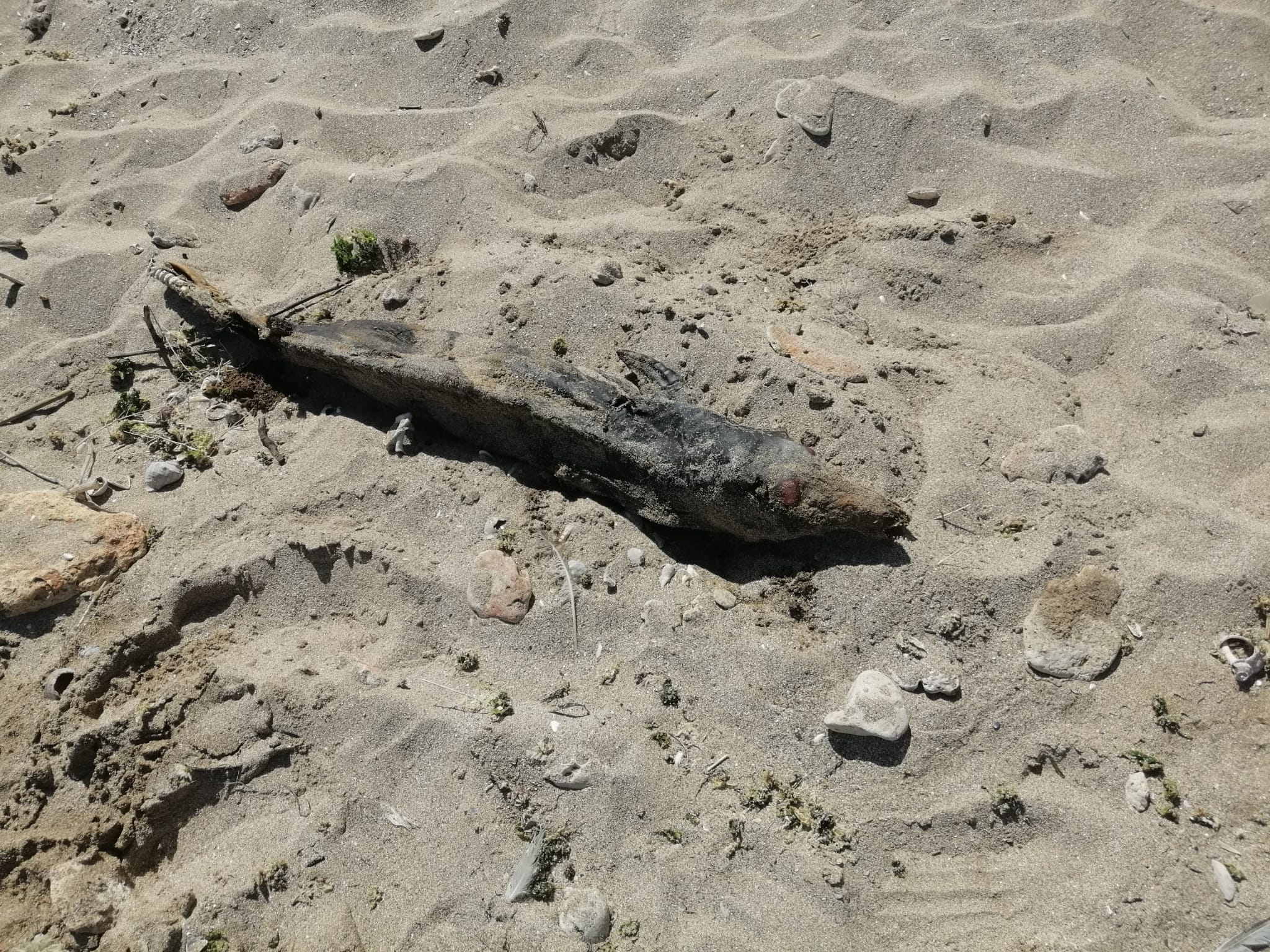
Phocoena phocoena
© Ianis Cont-Cioban, CC BY-NC, 2026
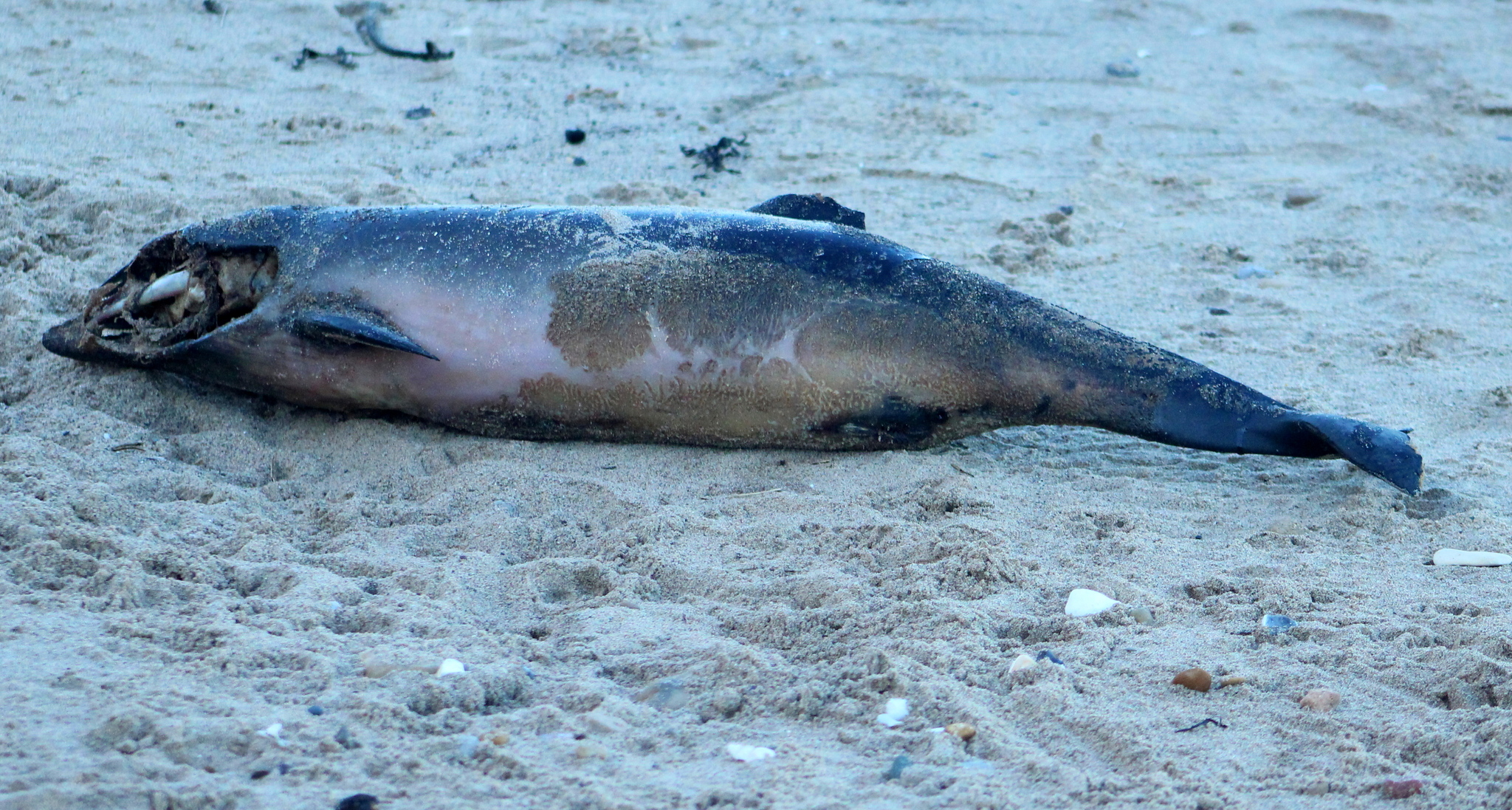
Phocoena phocoena
© Jeroen van Kruiningen, CC BY-NC-ND, 2026
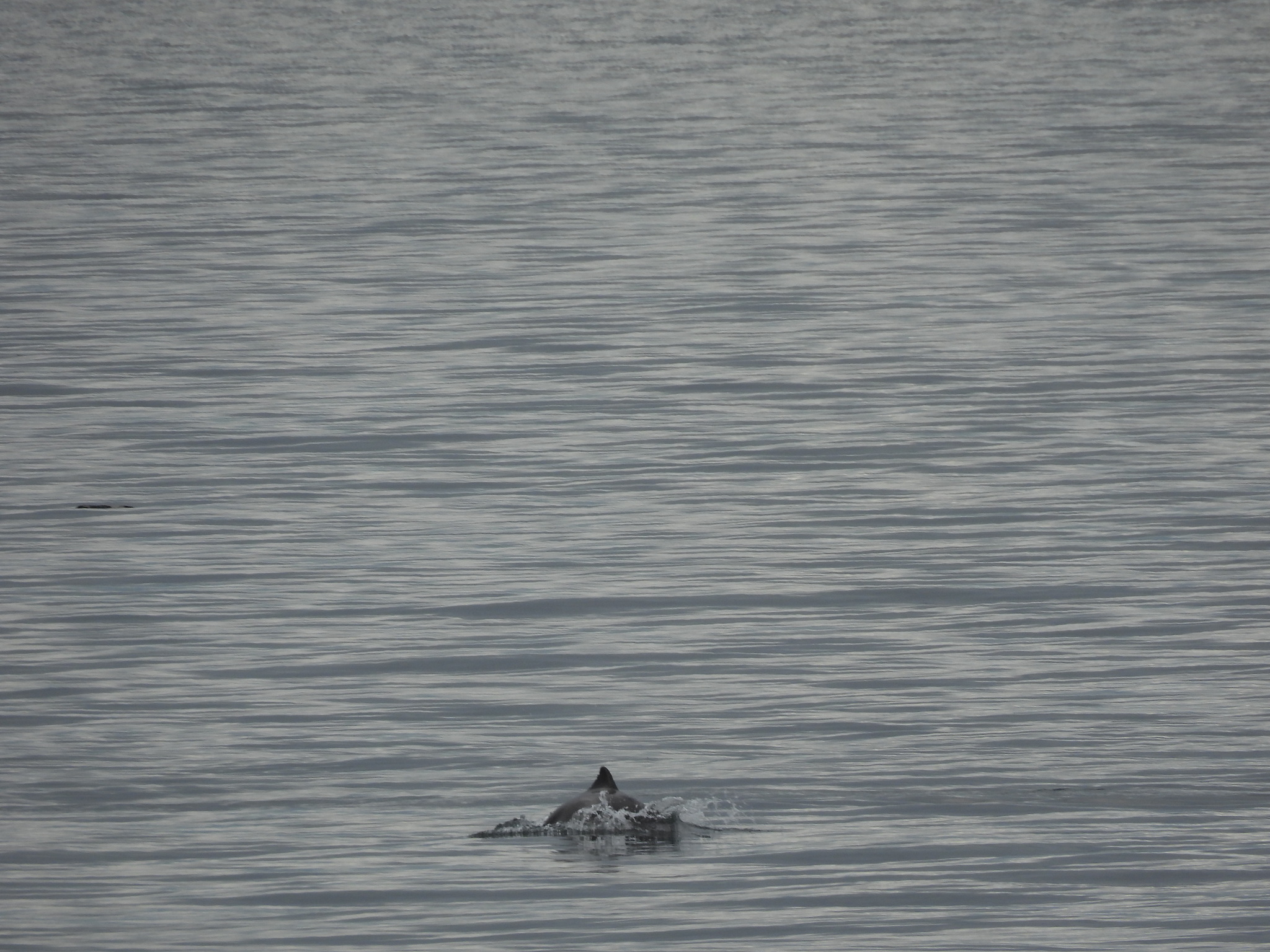
Phocoena phocoena
© Steve Daniels, CC BY-NC, 2026
Phocoena phocoena
© auteur non précisé, CC BY, 2026
Phocoena phocoena
© Josh Noseworthy, CC BY, 2026
Phocoena phocoena
© auteur non précisé, CC BY, 2026
Phocoena phocoena
© Richard Gjersøe, CC BY-NC-SA, 2026
Phocoena phocoena
© Bobby McCabe, CC BY, 2026
Phocoena phocoena
© Sam Christesen, CC BY, 2026
Phocoena phocoena
© wikinose, CC BY-NC, 2026
Phocoena phocoena
© Aren Fallon, CC BY-NC-ND, 2026
Phocoena phocoena
© Kristiaan, CC BY-NC-ND, 2026

Photographs from GBIF under a Creative Commons licence. The author and the licence of each photograph are given; please respect them if you reuse them.

Scientific references

  1. Koschinski S. (2001) Current knowledge on harbour porpoises (Phocoena phocoena) in the Baltic Sea, Ophelia
  2. ÁRNASON Ú. (2009) C- and G-banded karyotypes of three delphinids: Stenella clymene, Lagenorhynchus albirostris and Phocoena phocoena, Hereditas
  3. (1974) Phocoena phocoena, Mammalian Species
  4. Read A., Keener W., Webber M., Siebert U. et al. (2025) Harbor porpoise Phocoena phocoena ( ), Coastal Dolphins and Porpoises
  5. IJsseldijk L., van Schalkwijk L., Kik M., Gröne A. et al. (2021) Postmortaal onderzoek van bruinvissen (Phocoena phocoena) uit Nederlandse wateren, 2020 : Biologische gegevens, gezondheidsstatus en doodsoorzaken
  6. (2019) Phocoena phocoena, CABI Compendium
  7. Curry B. Facial anatomy of the Harbor Porpoise (Phocoena phocoena) and Dall's Porpoise (Phocoenoides dalli)
  8. Dorfman E. Distribution, behavior, and food habits of harbor porpoises (Phocoena phocoena) in Monterey Bay

Automatic selection of the most cited works mentioning the species (source: Crossref).