Narrow-ridged finless porpoise (Neophocaena asiaeorientalis)

Key facts
Scientific name Neophocaena asiaeorientalis (Pilleri & Gihr, 1972)
Other names Narrow-ridged finless porpoise, East Asian finless porpoise (marine subspecies); Yangtze finless porpoise (for the freshwater subspecies N. a. asiaeorientalis, nicknamed the “smiling angel” in China); sunameri (Japanese), sanggwaengi (Korean); in French: marsouin aptère à dos étroit, marsouin aptère à crête étroite, marsouin du Yangtsé
Size 1.5 to 1.8 m commonly; documented maximum of about 2.3 m. Newborn: 75 to 85 cm
Weight 30 to 45 kg in most cases; up to about 70 kg for the largest individuals
Longevity Most often under 20 years in the wild (maximum age of 19 years in a sample of 116 individuals in the Yellow Sea); a maximum of 33 years is reported in captivity. Generation length used by the IUCN: 16 to 17 years
Diet Small demersal fish, cephalopods (squid, cuttlefish) and crustaceans (shrimps); opportunistic diet varying with the seasons
IUCN status Endangered (EN), criteria A2bcde+3bcde+4bcde, assessment dated 15 August 2017; population trend decreasing. The freshwater Yangtze subspecies (Neophocaena asiaeorientalis ssp. asiaeorientalis) is assessed separately as Critically Endangered (CR, criteria A3b+4b), a 2012 assessment published in 2013. The sister species Neophocaena phocaenoides is listed as Vulnerable (VU)

In brief

The narrow-ridged finless porpoise is the only small coastal cetacean of East Asia entirely without a dorsal fin: a simple ridge studded with tubercles runs along its back. At 1.5 to 1.8 m long, it frequents the shallow coastal waters of China, Korea and Japan, while one of its two subspecies lives exclusively in fresh water in the Yangtze. Listed as Endangered by the IUCN since 2017, it suffers heavy bycatch in nets.

Identification

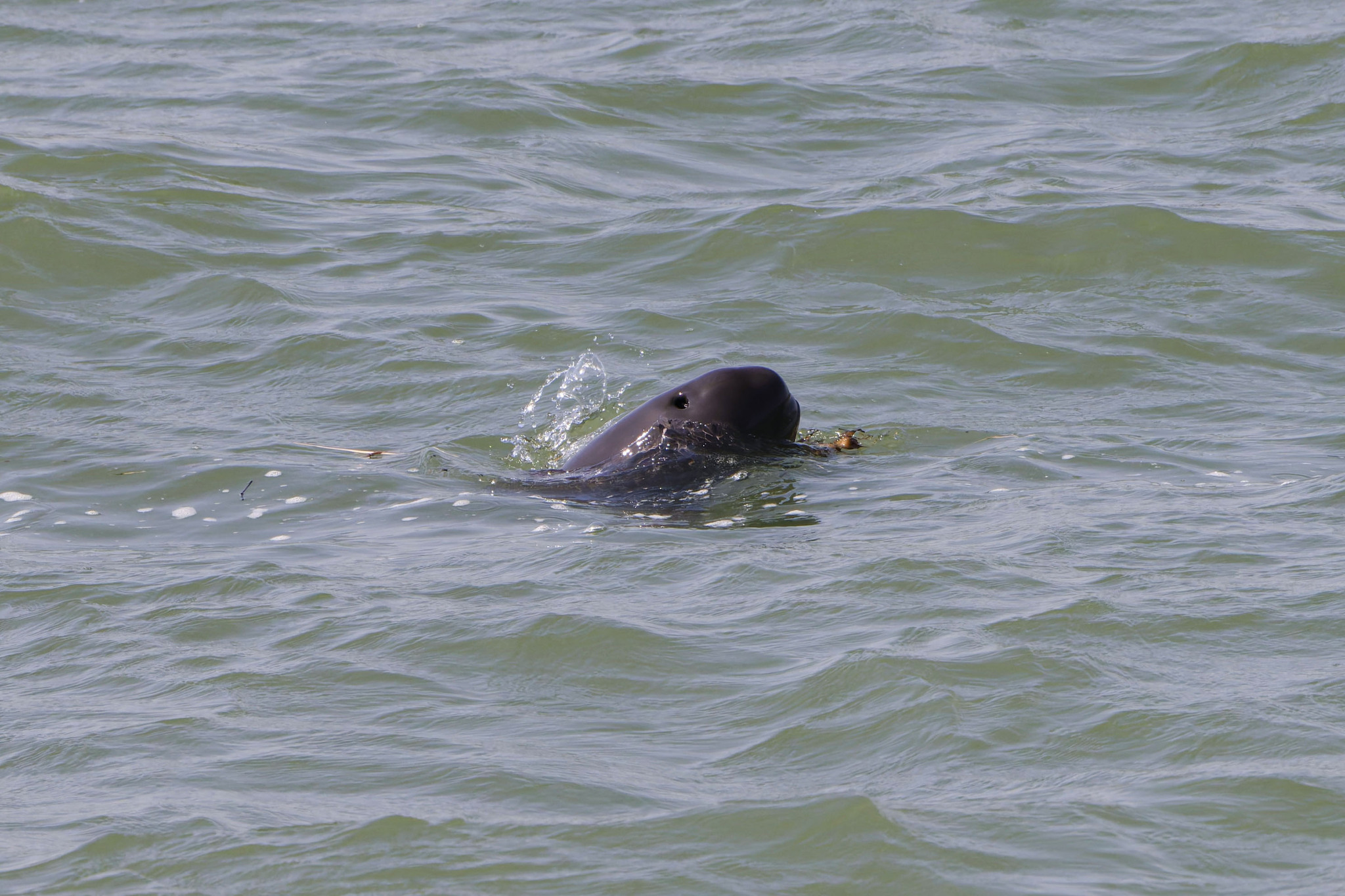
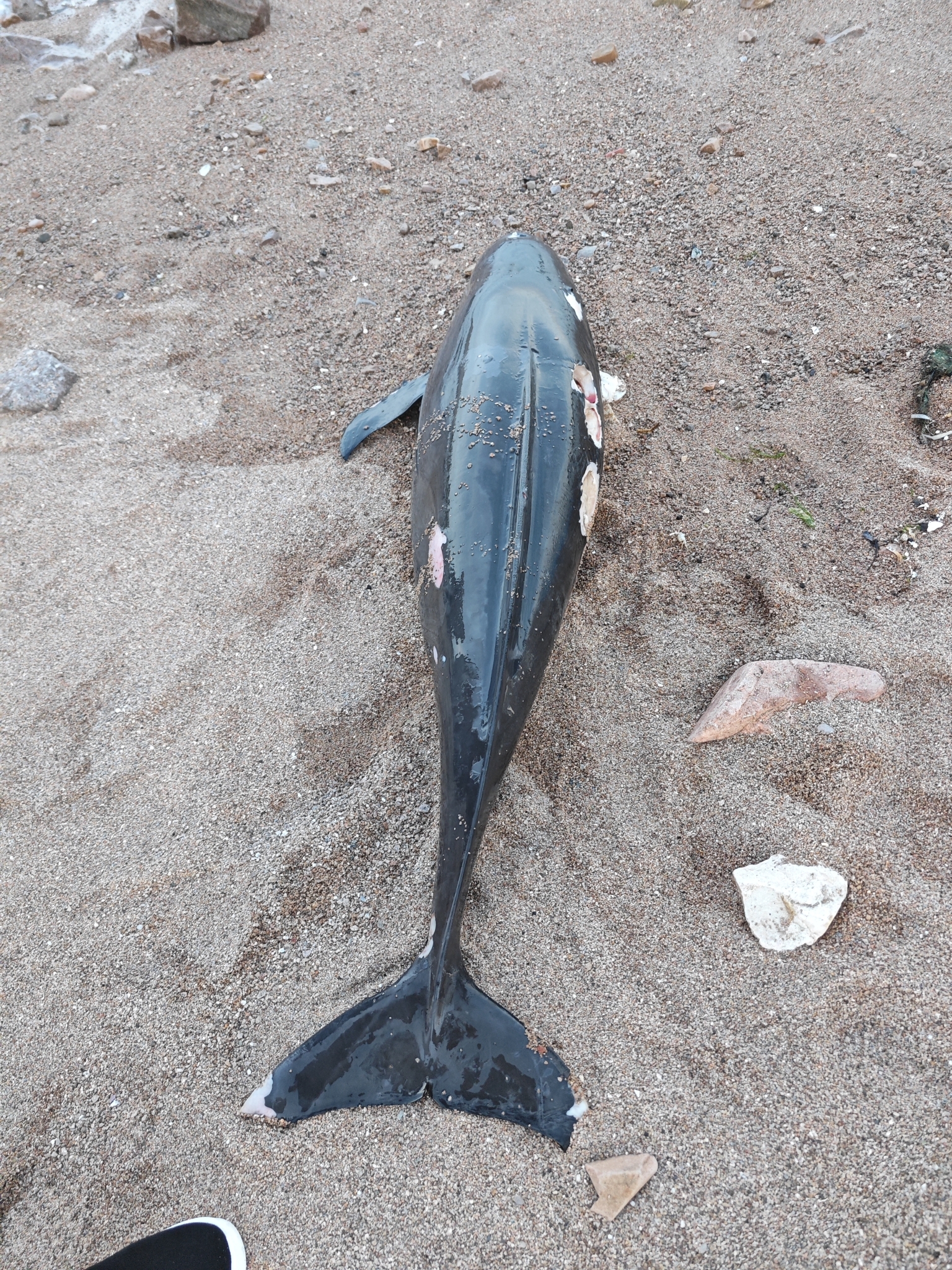
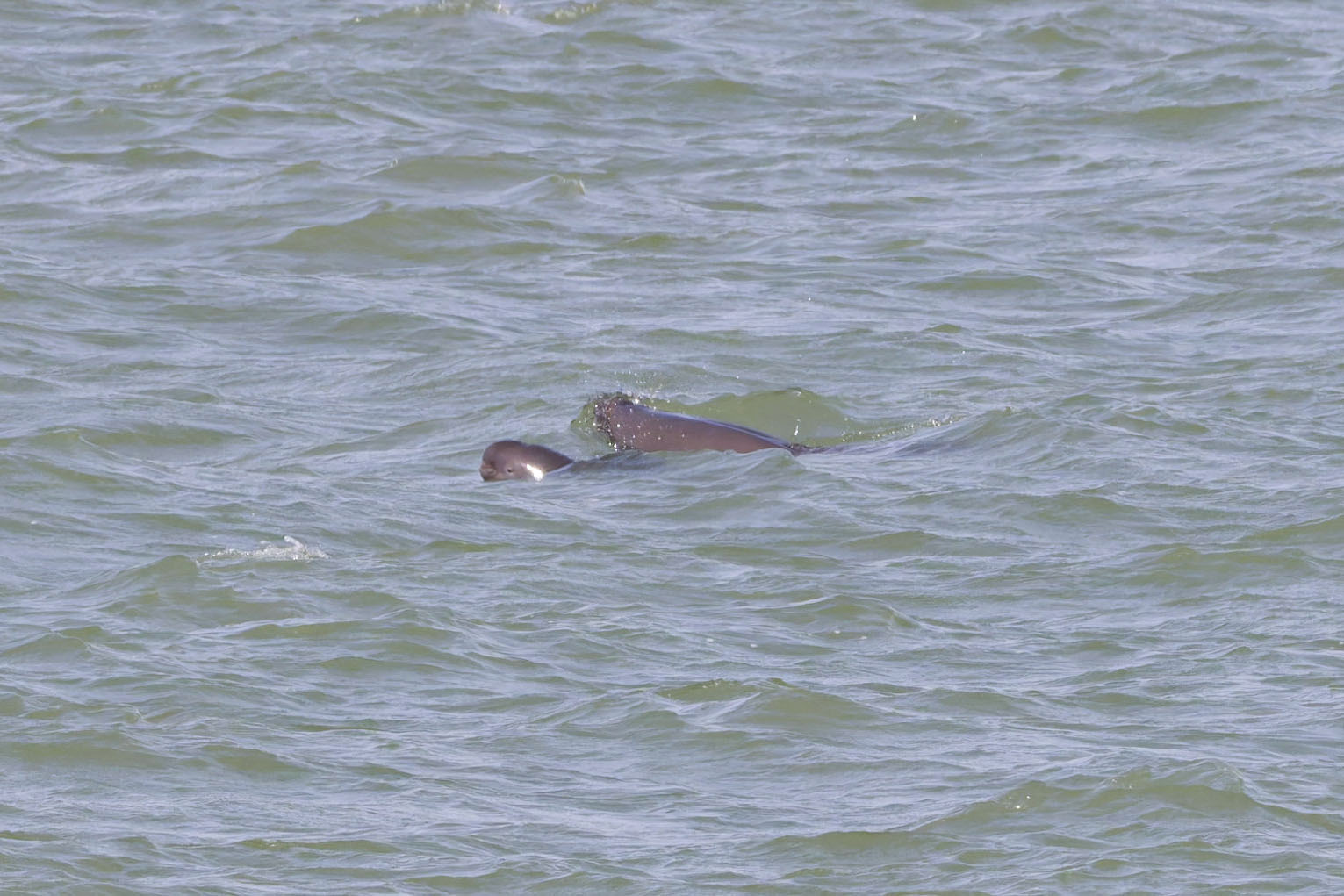
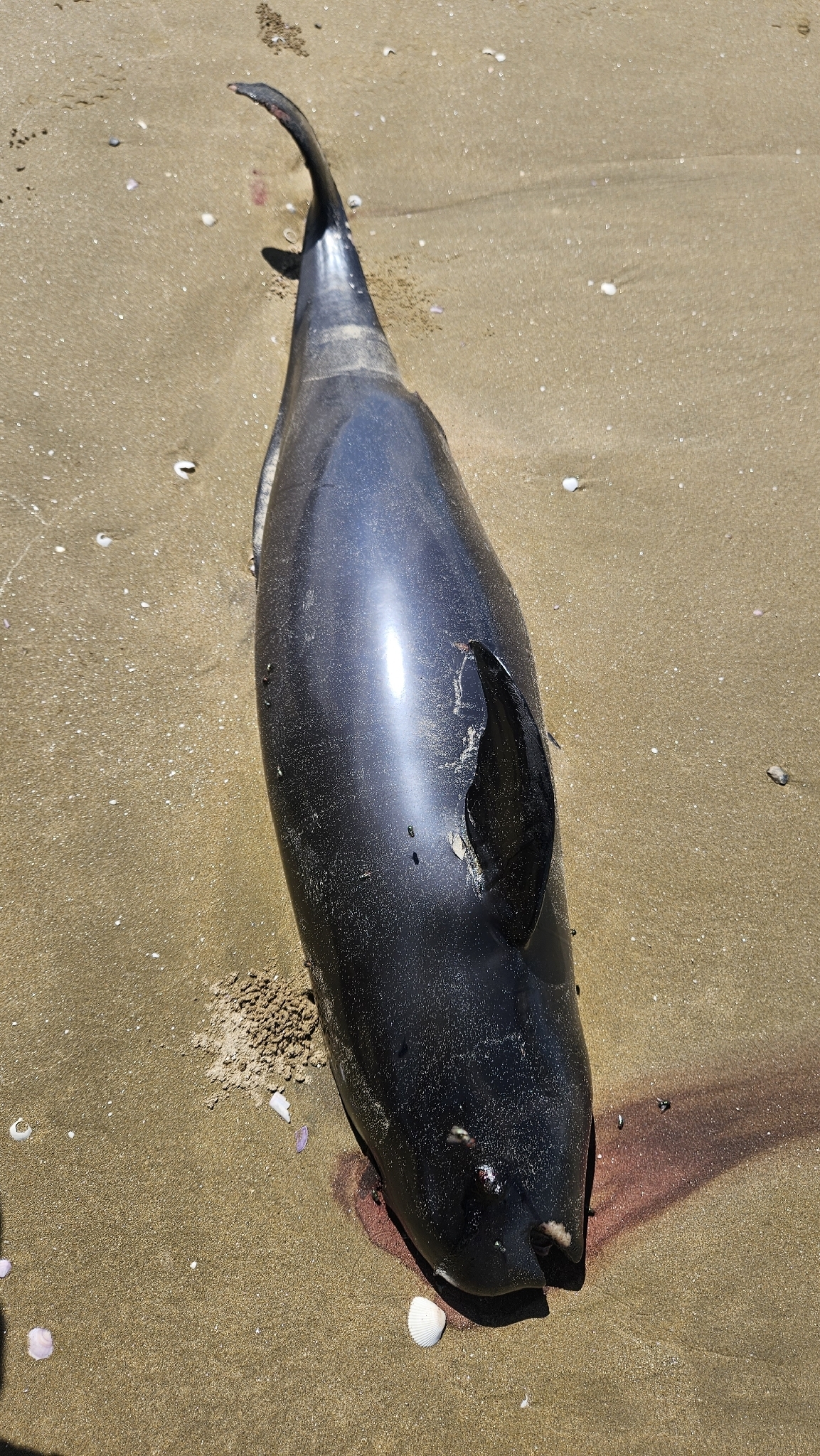
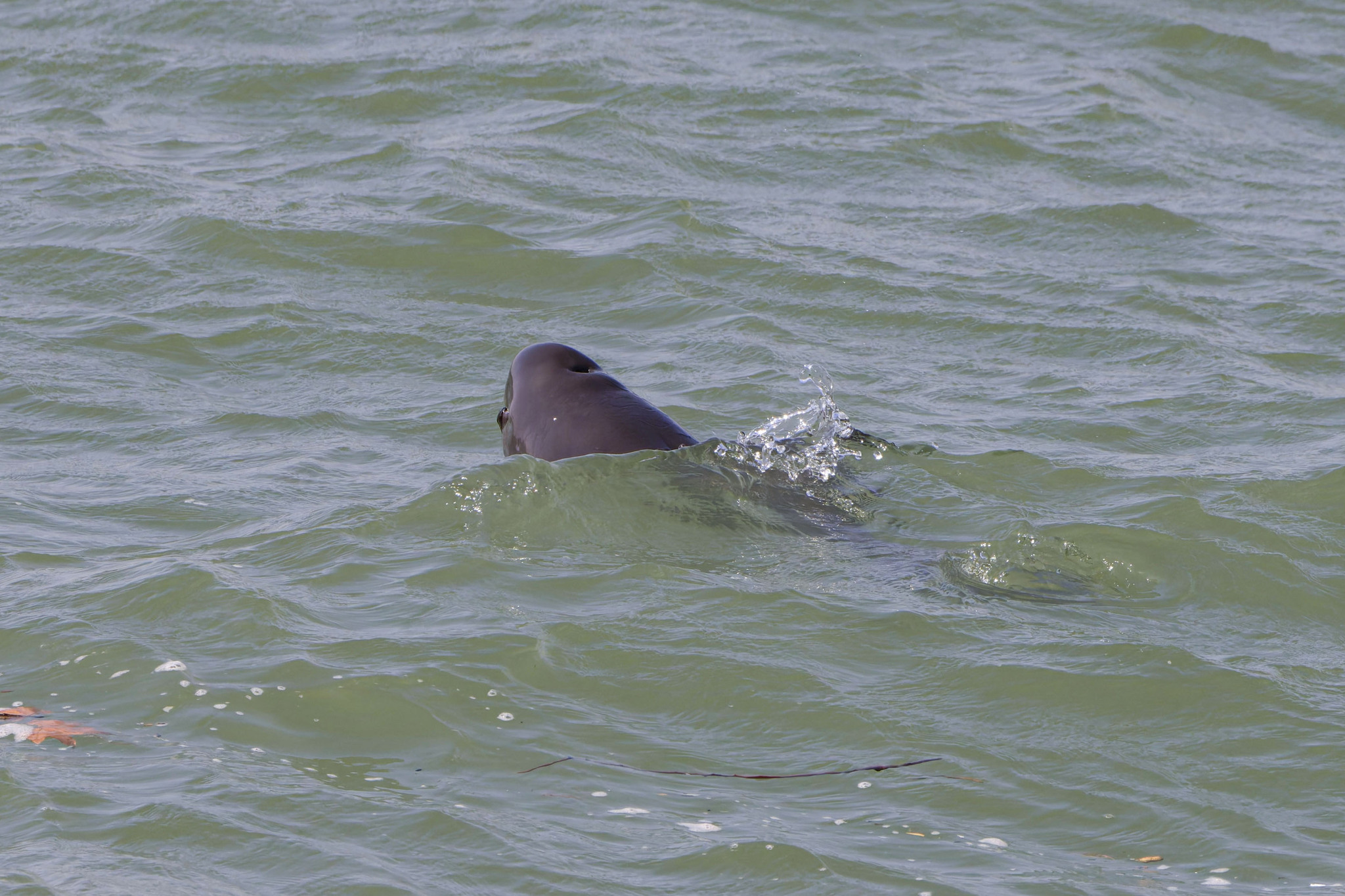
A small, stocky odontocete, the narrow-ridged finless porpoise most often measures 1.5 to 1.8 m for 30 to 45 kg, the largest individuals reaching about 2.3 m and a mass close to 70 kg. Its coloration is a uniform grey, sometimes lighter around the mouth and the genital region; newborns are born darker, almost black, and lighten over four to six months. The head is rounded, the forehead steep and the beak entirely absent, which gives the animal a characteristic “melon head” outline. The cervical vertebrae are not fused, so that the head moves freely; the flippers, curved, account for nearly 20% of body length. Each half of the jaw carries 15 to 21 spatulate teeth.

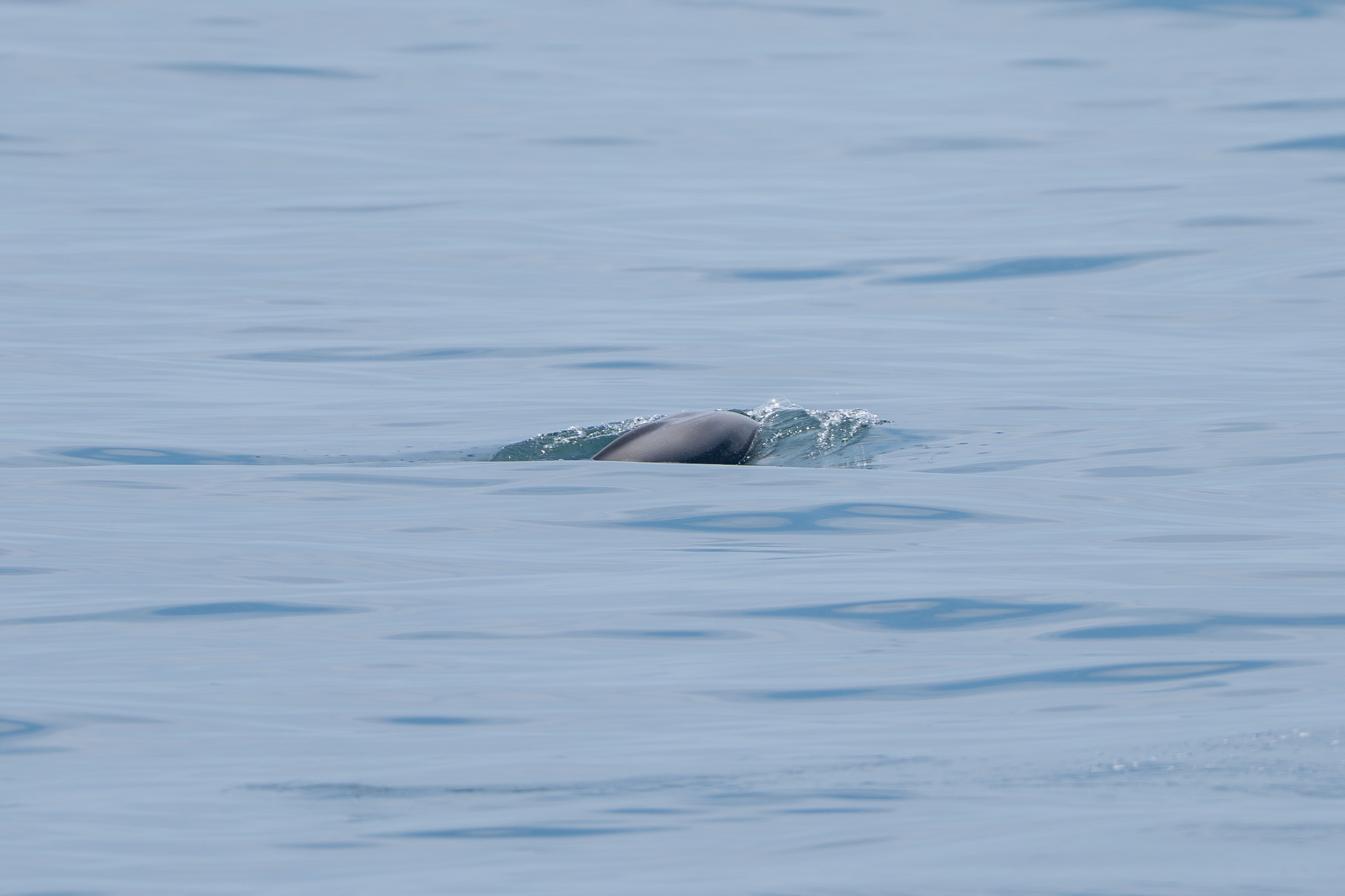
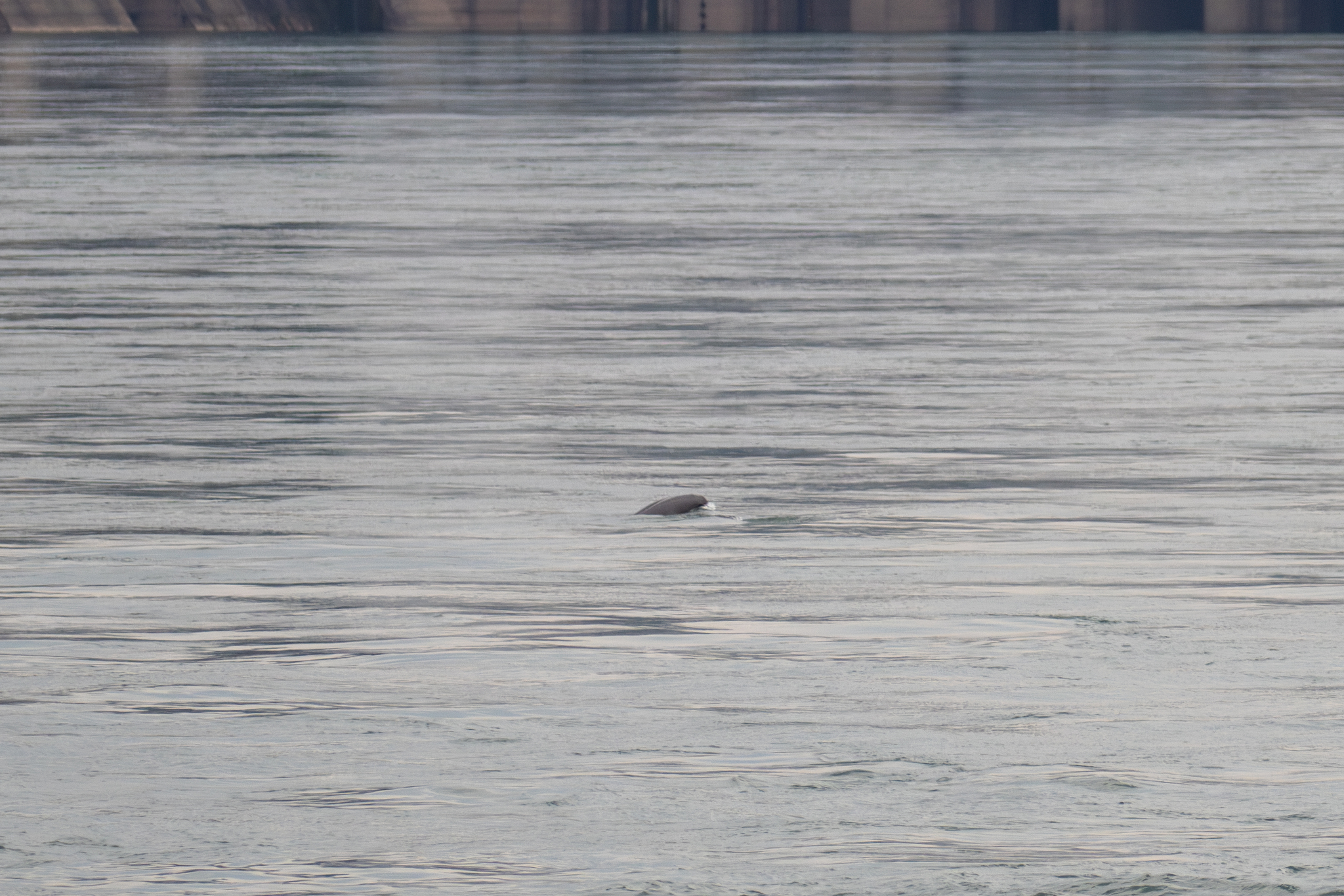
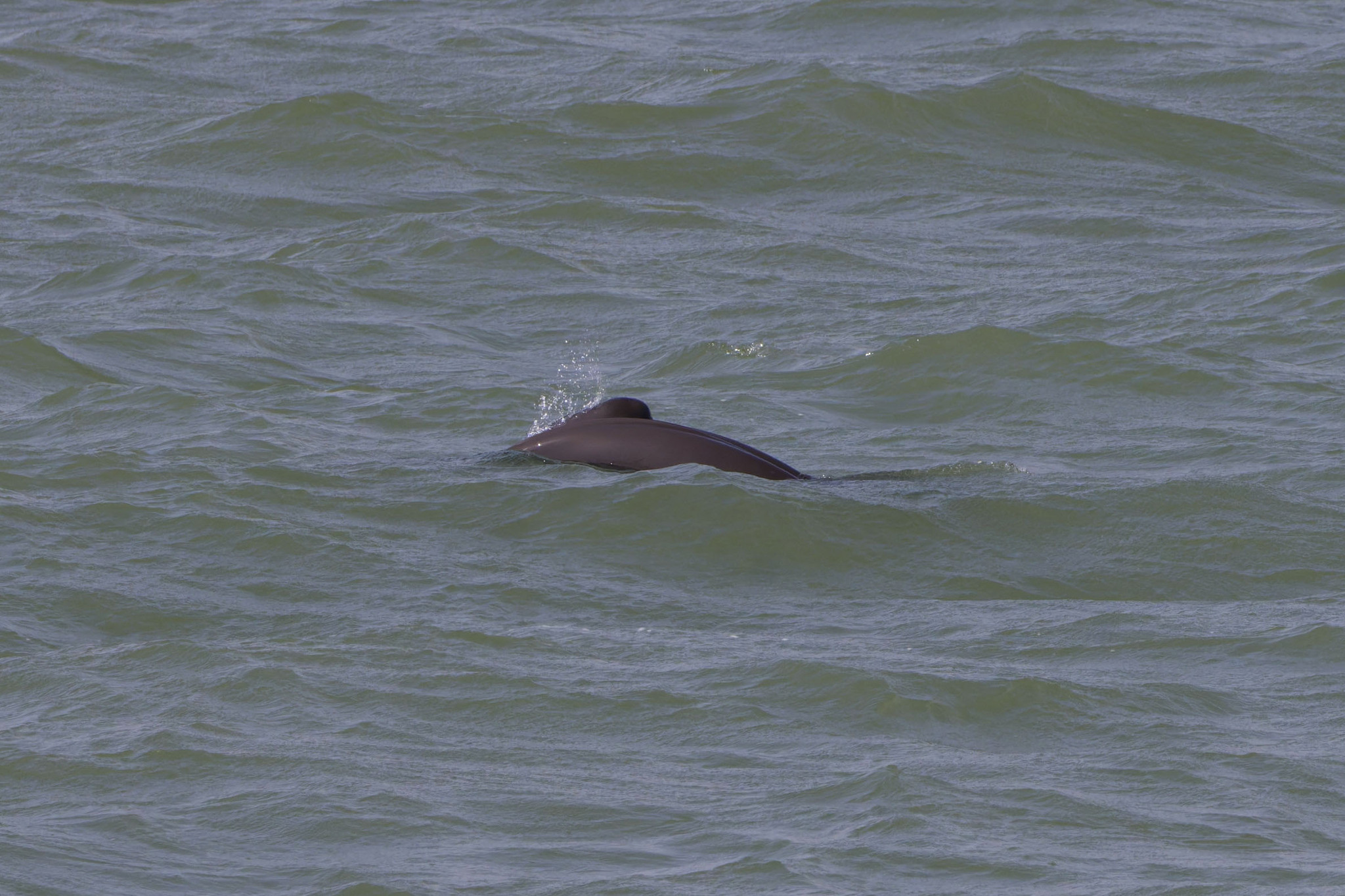
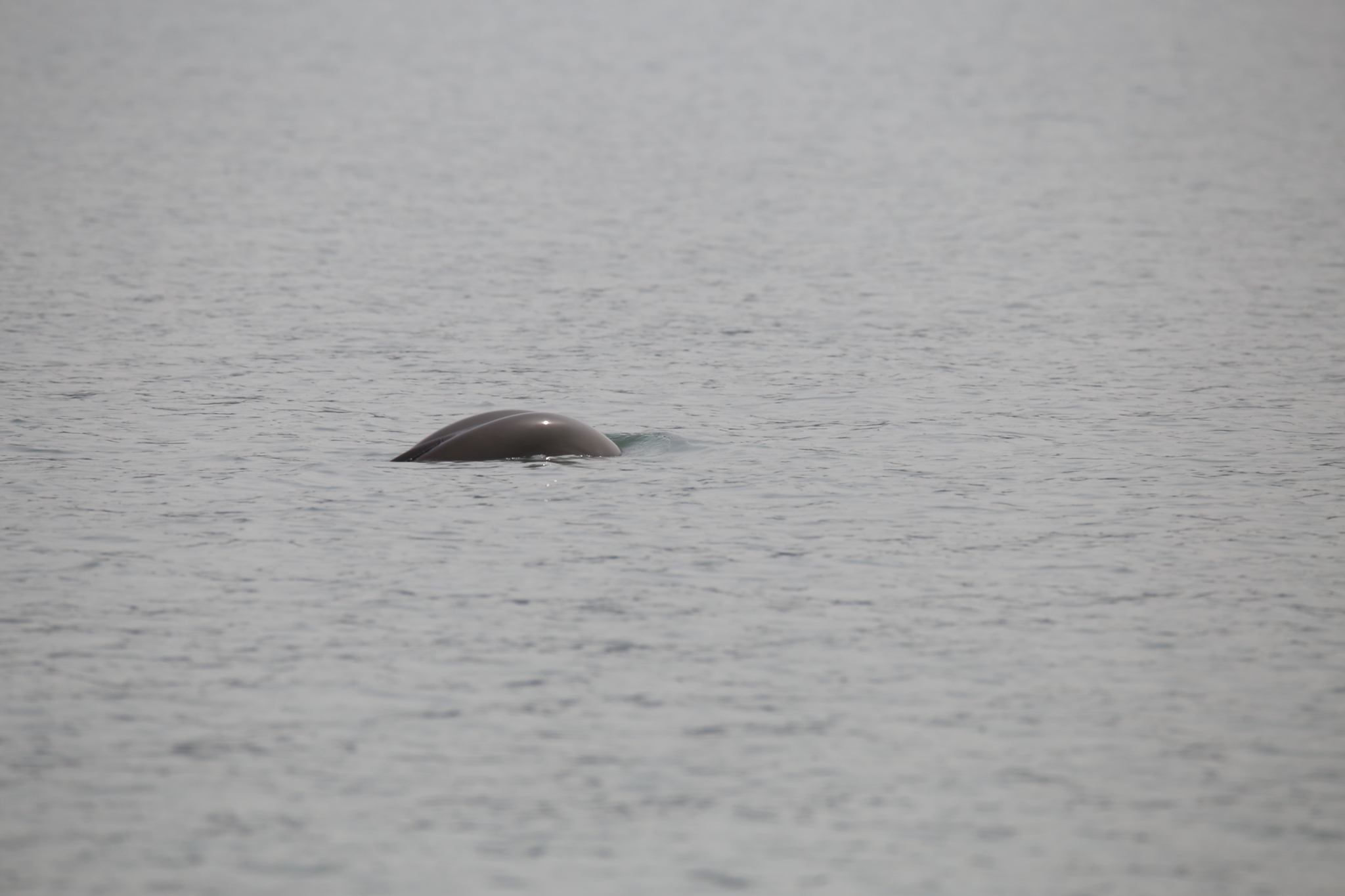
The most striking feature is the complete absence of a dorsal fin, unique among porpoises. It is replaced by a low, very narrow dorsal ridge (0.2 to 1.2 cm wide), covered with one to about ten rows of tiny horny tubercles. It is precisely this detail that separates the species from the Indo-Pacific finless porpoise (Neophocaena phocaenoides), in which the tubercled area is much wider and flatter (about 3.5 to 12 cm) and carries 10 to 25 rows of tubercles.

Confusion in the field therefore remains limited: this is the only coastal cetacean of North-East Asia without a dorsal fin. The only other cetacean in the region with no dorsal fin, the northern right whale dolphin (Lissodelphis borealis), is a slender offshore pelagic delphinid, sharply two-toned black and white, which does not frequent shallow coastal waters. The harbour porpoise (Phocoena phocoena), which reaches northern Japan, is immediately recognisable by its triangular dorsal fin. The most frequent confusion is in fact terminological: the name “finless porpoise” used on its own traditionally designates the Indo-Pacific species, and the “Yangtze finless porpoise” is not the baiji (Lipotes vexillifer), a river dolphin declared functionally extinct.

Taxonomy

The genus Neophocaena, erected by Palmer in 1899, is the most basal lineage of the family Phocoenidae; its type species is Delphinus phocaenoides, described by Cuvier in 1829. Long treated as a single species, the finless porpoises were split in two following genetic and morphological work (Wang et al., 2008; Jefferson & Wang, 2011) demonstrating an absence of gene flow between the wide-ridged and narrow-ridged forms. The IUCN endorsed this separation in 2011 by publishing two distinct assessments.

Neophocaena asiaeorientalis comprises two subspecies: N. a. sunameri Pilleri & Gihr, 1975, marine, and N. a. asiaeorientalis, strictly freshwater. Some databases, among them the Mammal Diversity Database of the American Society of Mammalogists, followed by several encyclopaedias, raise sunameri to species rank, which would then restrict N. asiaeorientalis to the Yangtze alone. The reference list of the Society for Marine Mammalogy (April 2026 update) and the IUCN Red List, on the other hand, retain the two-subspecies arrangement, which is the one followed here.

Distribution and habitat

The species is endemic to the warm temperate waters of East Asia, north of the Taiwan Strait. It frequents the coasts of China (the Bohai Sea, the Yellow Sea, the East China Sea), of the Korean peninsula, its presence in North Korea remaining uncertain, and of Japan. The Japanese nuclei are largely isolated from one another: the Seto Inland Sea, Ise and Mikawa bays, the Ariake Sea and Tachibana Bay, Omura Bay, and northward along the Pacific coast as far as Sendai Bay.

It is an animal of shallow bottoms: it keeps to waters less than 50 m deep, over sandy or muddy substrate, generally within 5 km of the shore in Japan, but it can be seen as much as about 240 km offshore in the very shallow Yellow Sea. Sheltered bays, estuaries and mangroves complete its habitat.

The freshwater subspecies occupies the middle and lower Yangtze as well as Poyang and Dongting lakes; since the functional extinction of the baiji, it is the only cetacean in Chinese fresh waters.

The species is absent from all French waters. In mainland France, the only porpoise present is the harbour porpoise (the English Channel, the North Sea, the Bay of Biscay), and no Neophocaena frequents the Mediterranean or the French overseas territories.

Biology and ecology

An opportunistic predator, the narrow-ridged finless porpoise feeds mainly on small demersal fish, cephalopods and crustaceans; in the Yangtze, its dominant prey include Coilia brachygnathus, Pseudobrama simoni, Pelteobagrus nitidus and Hemiculter bleekeri. The diet varies strongly from one season to the next.

It is an unobtrusive and barely gregarious species: groups most often number 1 to 6 individuals, exceptionally about twenty. The animal rolls slowly at the surface, with no spray and no spectacular leap, and moves away from noisy craft; it does nonetheless practise “spyhopping”, raising its head vertically, and sometimes makes brief leaps. The typical dive sequence combines one long breath-hold followed by two short dives. Females carrying their calf on their back have been reported, a behaviour that is still poorly documented.

Like all porpoises, it does not whistle and communicates by narrow-band high-frequency echolocation clicks: centre frequency of 128 to 133 kHz, −3 dB bandwidth of 15 to 20 kHz, duration of 39 to 58 microseconds and apparent source levels of 167 to 180 dB re 1 µPa peak-to-peak. This highly stereotyped acoustic signature allows effective passive monitoring of populations.

Sexual maturity is reached at about 4 to 5 years in the Yellow Sea (females of 131.6 to 155.2 cm), later in some Chinese waters; first calving takes place at about 5 years. Gestation lasts about 10 to 11 months. In Korea, births are spread from April to August, with a peak in April and May. Weaning occurs at about 6 months, at a mean length of about 101 cm, and the interval between two calvings is 1 to 2 years.

Status and conservation

The IUCN has listed the species as Endangered (EN) since the assessment of 15 August 2017, with a declining population: the threats cover a sufficient share of the range to infer a reduction of at least 50% over three generations, that is about 45 years. The Yangtze subspecies is the subject of a separate assessment, Critically Endangered (CR) since the 2012 analysis published in 2013, based at the time on 500 to 1,800 mature individuals.

The documented declines are severe. In the Korean Yellow Sea, densities fell from 0.565 ind./km² (2004) to 0.122 ind./km² (2011) offshore, and from 0.638 to 0.151 ind./km² inshore between 2005 and 2011, a drop of about 70%. In Japan, the Seto Inland Sea lost nearly 70% of its numbers between 1976-1978 and 1999-2000; estimates from the early 2000s gave 7,572 individuals there, against 3,807 in the Ariake Sea and Tachibana Bay, 3,743 in Ise and Mikawa bays, 3,387 from Sendai Bay to Tokyo Bay and only 289 in Omura Bay. In the Yangtze, numbers fell from about 2,700 in the early 1990s to some 1,800 in 2006.

The leading threat is bycatch: gillnets, trap nets and longlines. South Korea officially reported 2,107 individuals taken as bycatch in 2012 alone, a figure that is probably an underestimate; in Japan, 73% of 114 specimens collected between 1985 and 1992 had died in fishing gear. To these are added ship strikes, sand extraction, dams, chemical pollution, underwater noise and electrofishing.

The species is listed in Appendix I of CITES and Appendix II of the Convention on Migratory Species; it has been protected in Japan since 1930 and, in China, the national list revised in 2021 places the Yangtze finless porpoise among first-class protected wild animals, while the marine form (N. a. sunameri) comes under the second class. The ten-year moratorium on fishing in the Yangtze, in force since 1 January 2021, five river reserves and safeguard populations established in the Tian-e-Zhou and He-wang-miao oxbows complete the arrangements, alongside the breeding programme of the dolphinarium of the Institute of Hydrobiology in Wuhan, opened in 1992, where the first birth in captivity took place on 5 July 2005. These efforts are bearing fruit: the Yangtze population has risen from 1,012 individuals in 2017 to 1,249 in 2022, then to 1,426 according to the census announced on 30 January 2026, the first sustained recovery ever recorded. The marine populations, for their part, do not yet benefit from comparable monitoring.

Watching this species

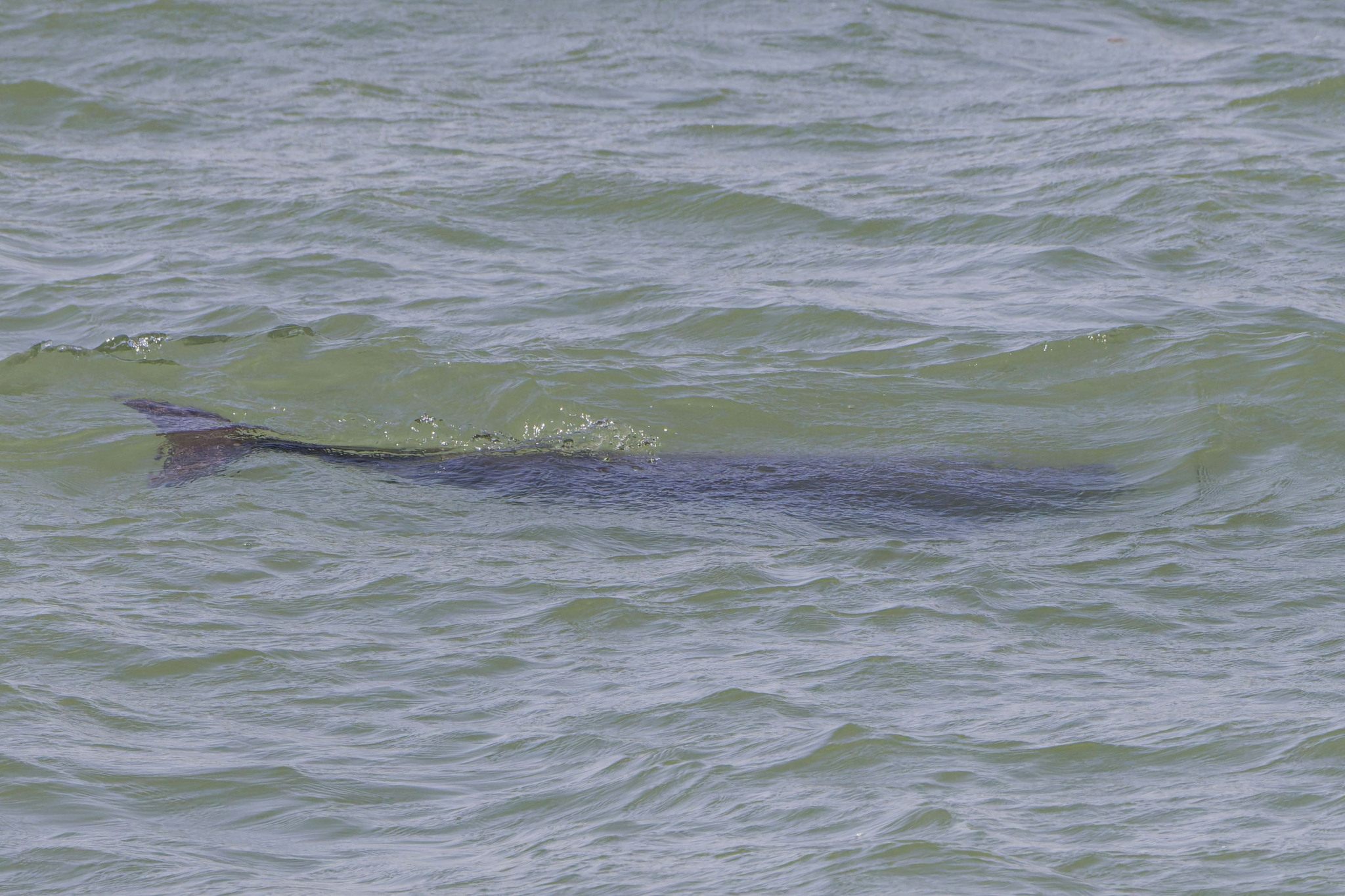
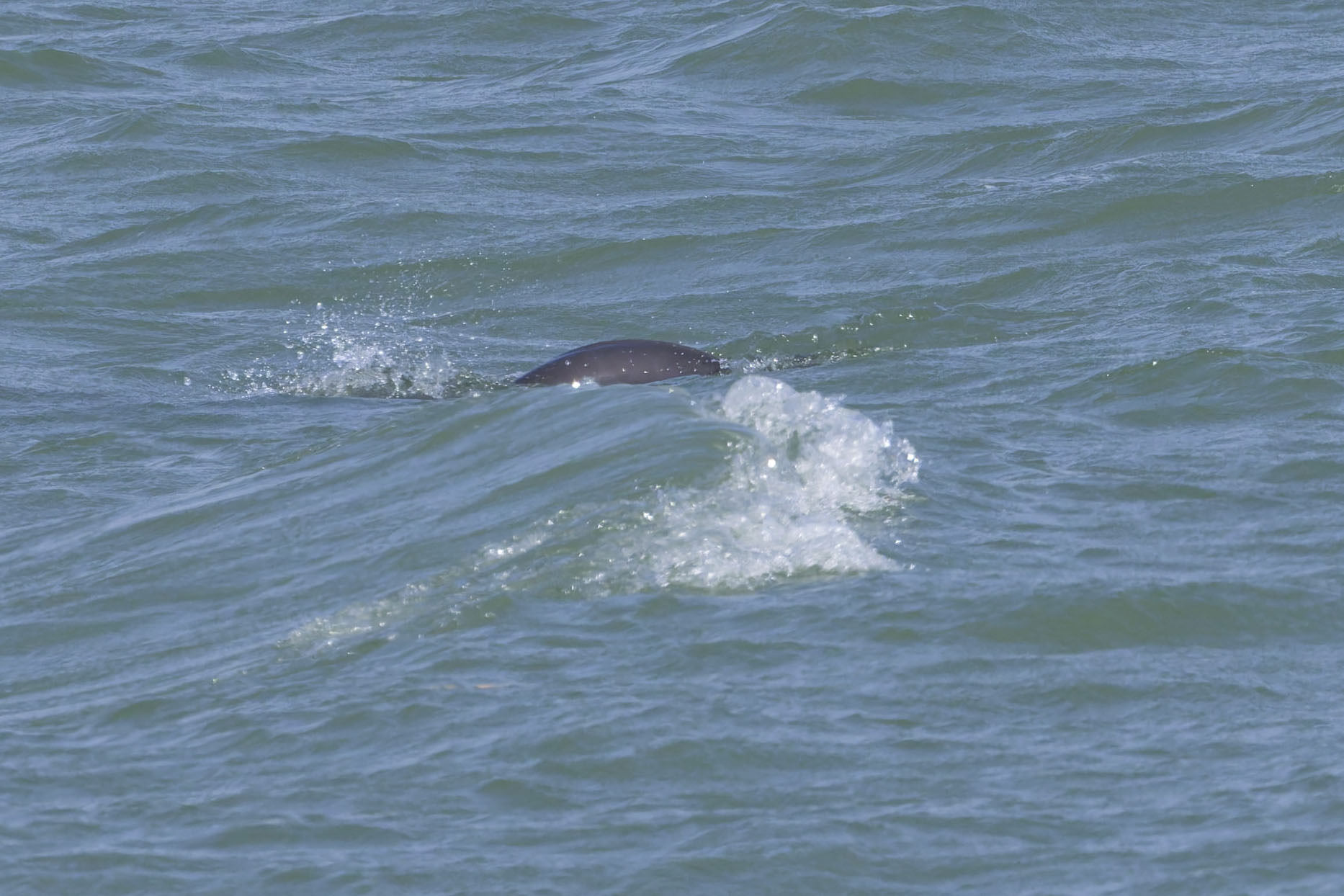
Watching a narrow-ridged finless porpoise calls for patience: with no dorsal fin, the animal shows only a grey back breaking the surface for a second or two, with no visible blow, and it avoids boats. Spotting is therefore often done from the bank or from a ferry, calm sea and low raking light being the best conditions.

Nanjing is the only large city where the species can be watched from the quays in the middle of the urban centre; five observation stations have been installed there and a porpoise monitoring map was unveiled in October 2024. Poyang and Dongting lakes offer further opportunities. In Japan, the Seto Inland Sea, Omura Bay and Ise Bay concentrate the coastal sightings.

Ethics matter all the more because numbers are small: favour watching from land, never pursue an animal, reduce engine speed, avoid low-altitude drone overflights and report any stranding or bycatch to the local networks. In France, the species being absent, porpoise sightings concern the harbour porpoise exclusively, monitored by the Observatoire Pelagis.

Frequently asked questions

Is the narrow-ridged finless porpoise really entirely without a dorsal fin?

Yes. It is the only group of porpoises with no dorsal fin. In its place it has a very narrow dorsal ridge, 0.2 to 1.2 cm wide, covered with one to about ten rows of small horny tubercles.

What is the difference between the narrow-ridged finless porpoise and the Yangtze finless porpoise?

The Yangtze finless porpoise is one of the two subspecies of the narrow-ridged finless porpoise. Strictly freshwater, it lives in the Yangtze and in Poyang and Dongting lakes; the other subspecies, sunameri, is marine and coastal.

How many Yangtze finless porpoises are left?

The census announced on 30 January 2026 reports 1,426 individuals, against 1,249 in 2022 and 1,012 in 2017. This is the first sustained increase recorded, attributed in particular to the ten-year fishing moratorium in force since 1 January 2021.

Can it be seen in France?

No. The species is confined to the waters of East Asia and is present neither in the Mediterranean, nor in the Bay of Biscay, nor in the English Channel, nor in the French overseas territories. The only porpoise that can be seen in France is the harbour porpoise (Phocoena phocoena).

What is the main threat to the species?

Bycatch in fishing gear, in particular gillnets, trap nets and longlines. South Korea officially reported 2,107 individuals caught in 2012 alone, a figure that is probably an underestimate.

Why is it called the “smiling angel” of the Yangtze?

The Chinese nickname comes from the upturned corner of its mouth and its domed, beakless forehead, which give the illusion of a permanent smile. It conveys no emotional expression: it is simply an effect of the morphology of the skull.

Sources

Profile compiled from authoritative scientific sources (IUCN, NOAA Fisheries, specialist literature) and reviewed for factual accuracy.

Observed distribution

According to the open data of the GBIF, 133 georeferenced sightings of Neophocaena asiaeorientalis are recorded in our photographic index.

Main countries of observation
CountryNotes
China91
Korea, Republic of33
Japan10
Chinese Taipei1

Distribution map: Narrow-ridged finless porpoise (Neophocaena asiaeorientalis)

Distribution map: Narrow-ridged finless porpoise (Neophocaena asiaeorientalis), 133 georeferenced sightings from GBIF
133 georeferenced sightings of Neophocaena asiaeorientalis. Base map Natural Earth, public domain. GBIF data.
🗺️ Open the interactive mapTo zoom and pan. It uses the OpenStreetMap/CARTO base maps and the GBIF occurrence densities: no data is sent to these services before you click.

Presence through the year

Monthly distribution of 133 dated sightings (all years combined): the maximum is reached in February.

280janvier : 17janfévrier : 28febmars : 8maravril : 14avrmai : 26maijuin : 6juinjuillet : 5juilaoût : 5Augustseptembre : 5sepoctobre : 3octnovembre : 4novdécembre : 12dec
Sightings by month
MonthNotes
janvier17
February28
mars8
avril14
mai26
juin6
juillet5
August5
septembre5
octobre3
novembre4
December12

These figures reflect survey effort (more boaters and more surveys in summer) as much as the actual presence of the species: to be interpreted with caution.

En images

Neophocaena asiaeorientalis
© 管牧山, CC BY-NC, 2026
Neophocaena asiaeorientalis
© 洋芋颗粒, CC BY-NC, 2026
Neophocaena asiaeorientalis
© 管牧山, CC BY-NC, 2026
Neophocaena asiaeorientalis
© 管牧山, CC BY-NC, 2026
Neophocaena asiaeorientalis
© Paul Ha, CC BY-NC, 2026
Neophocaena asiaeorientalis
© Zeal, CC BY-NC, 2026
Neophocaena asiaeorientalis
© 夏仲归, CC BY, 2026
Neophocaena asiaeorientalis
© 管牧山, CC BY-NC, 2026
Neophocaena asiaeorientalis
© 管牧山, CC BY-NC, 2026
Neophocaena asiaeorientalis
© jung yong pak, CC BY-NC, 2026
Neophocaena asiaeorientalis
© Park Jeongwoo, CC BY-NC, 2026
Neophocaena asiaeorientalis
© 管牧山, CC BY-NC, 2026

Photographs from GBIF under a Creative Commons licence. The author and the licence of each photograph are given; please respect them if you reuse them.

Scientific references

  1. Mei Z., Huang S., Hao Y., Turvey S. et al. (2012) Accelerating population decline of Yangtze finless porpoise (Neophocaena asiaeorientalis asiaeorientalis), Biological Conservation
  2. Nabi G., Hao Y., McLaughlin R., Wang D. et al. (2018) The Possible Effects of High Vessel Traffic on the Physiological Parameters of the Critically Endangered Yangtze Finless Porpoise (Neophocaena asiaeorientalis ssp. asiaeorientalis), Frontiers in Physiology
  3. Mooney T., Li S., Ketten D., Wang K. et al. (2013) Hearing pathways in the Yangtze finless porpoise,Neophocaena asiaeorientalis asiaeorientalis, Journal of Experimental Biology
  4. (2012) Neophocaena asiaeorientalis ssp. asiaeorientalis: Wang, D., Turvey, S.T., Zhao, X. & Mei, Z., IUCN Red List of Threatened Species
  5. (2017) Neophocaena asiaeorientalis: Wang, J.Y. , Reeves, R., IUCN Red List of Threatened Species
  6. McLaughlin R., Zheng J., Ruan R., Wang C. et al. (2013) Isolation of Robinsoniella peoriensis from the fecal material of the endangered Yangtze finless porpoise, Neophocaena asiaeorientalis asiaeorientalis, Anaerobe
  7. Park K., An Y., Lee Y., Park J. et al. (2011) Feeding Habits and Consumption by Finless Porpoises (Neophocaena asiaeorientalis) in the Yellow Sea, Korean Journal of Fisheries and Aquatic Sciences
  8. Hao Y., Nabi G., Deng X., Wang D. et al. (2019) Non-invasive Fecal Steroid Measurements for Monitoring the Reproductive Status of a Critically Endangered Yangtze Finless Porpoises (Neophocaena asiaeorientalis asiaeorientalis), Frontiers in Endocrinology

Automatic selection of the most cited works mentioning the species (source: Crossref).