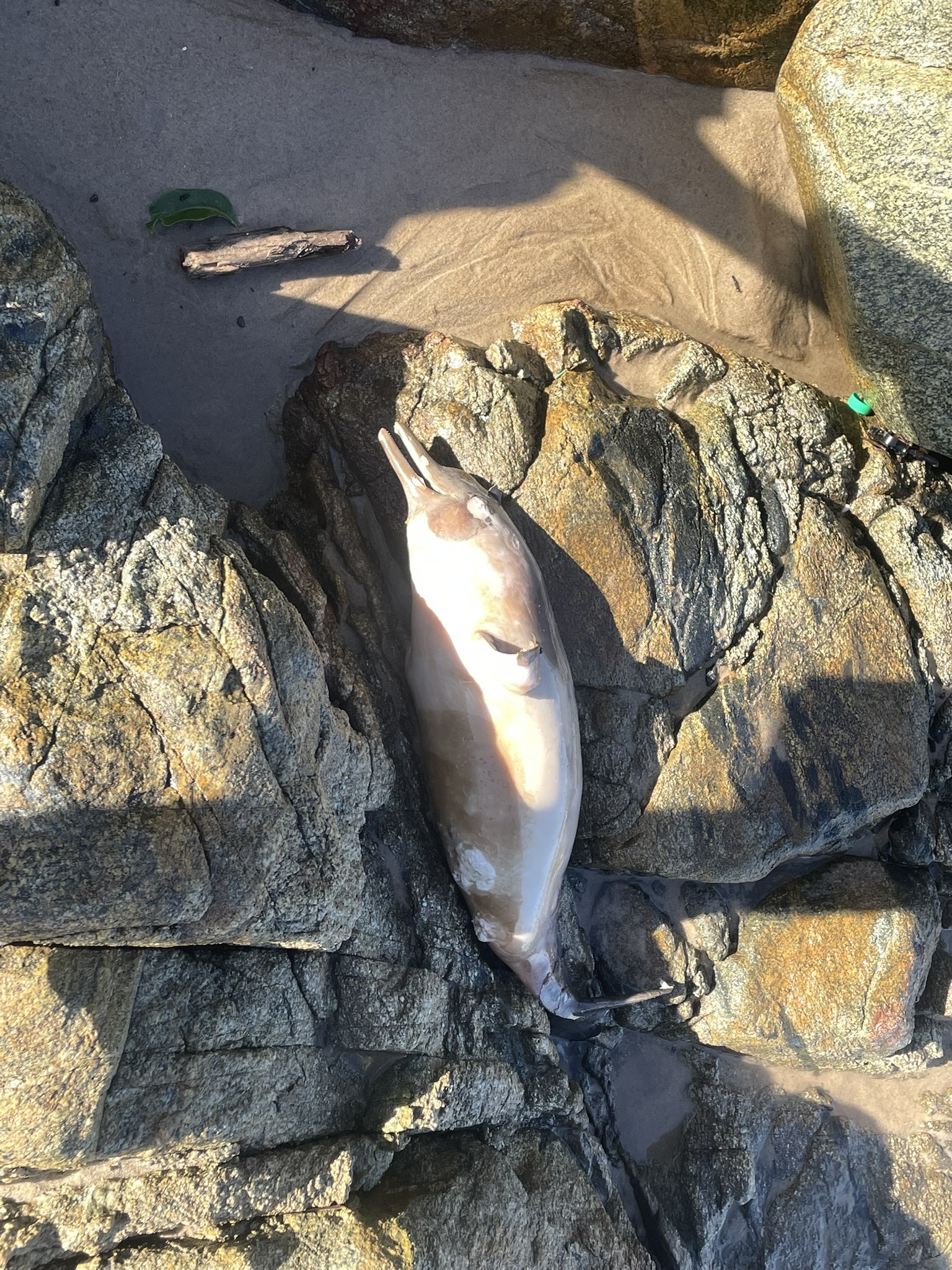
| Scientific name | Pontoporia blainvillei (Gervais & d'Orbigny, 1844) |
|---|---|
| Other names | Franciscana, La Plata dolphin; toninha, boto-cachimbo, boto-amarelo (Brazil); cachimbo; “white ghosts” (fishermen's nickname); in French: dauphin de La Plata, franciscane, franciscain |
| Size | Adults most often 1.2 to 1.6 m; maximum of about 1.7 to 1.8 m (females, larger than males); newborn 70 to 75 cm |
| Weight | 25 to 45 kg on average, up to about 50 kg; 7 to 9 kg at birth |
| Longevity | Rarely more than 12 years; maximum documented 21 years (female) |
| Diet | Bottom-dwelling fish largely dominant, foremost among them the Sciaenidae (also Engraulidae, Trichiuridae, Carangidae, Batrachoididae), supplemented by small squid and shrimps; about 80 prey species recorded, generally small (often less than 8 cm), with substantial variation in composition between management areas |
| IUCN status | Vulnerable (VU, criterion A3d), Zerbini et al. 2017 assessment (2018 errata version), status maintained in the current edition of the Red List; population trend decreasing. The Rio Grande do Sul / Uruguay subpopulation is assessed separately and is also classed as Vulnerable. In Brazil, the species is listed in the “criticamente em perigo” (CR) category on the national list; a 2023 study proposes the Endangered category (C2a(ii)) for the isolated Espírito Santo population. |
The La Plata dolphin, or franciscana, is a small coastal cetacean endemic to the south-western Atlantic, the only living member of the family Pontoporiidae. It is immediately recognisable by its disproportionately long and slender rostrum, the longest of any living cetacean relative to body length. Classed as Vulnerable by the IUCN and as “criticamente em perigo” on the Brazilian national list, it is regarded as the most threatened small cetacean of the south-western Atlantic, because of bycatch in gillnets.
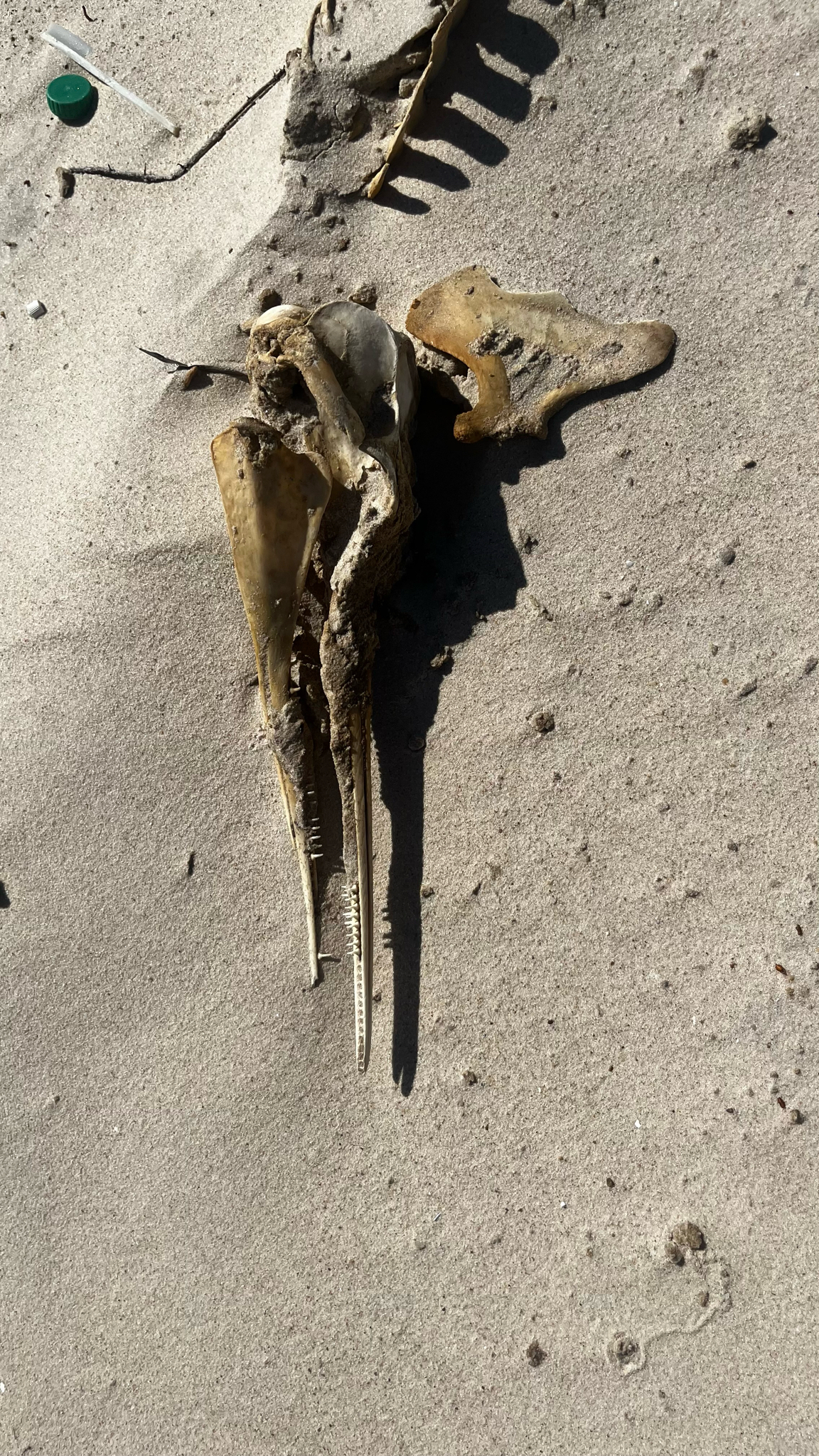
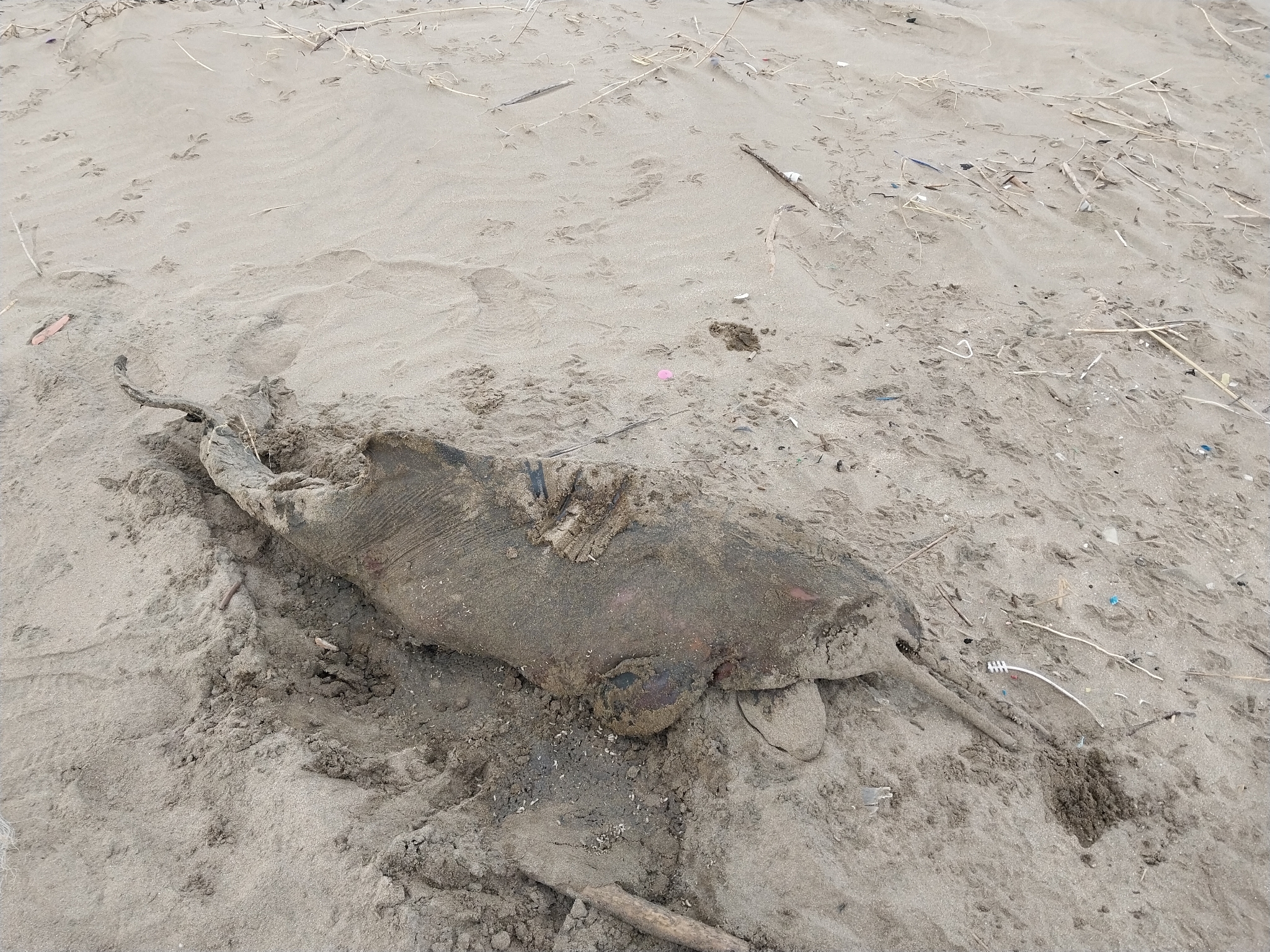
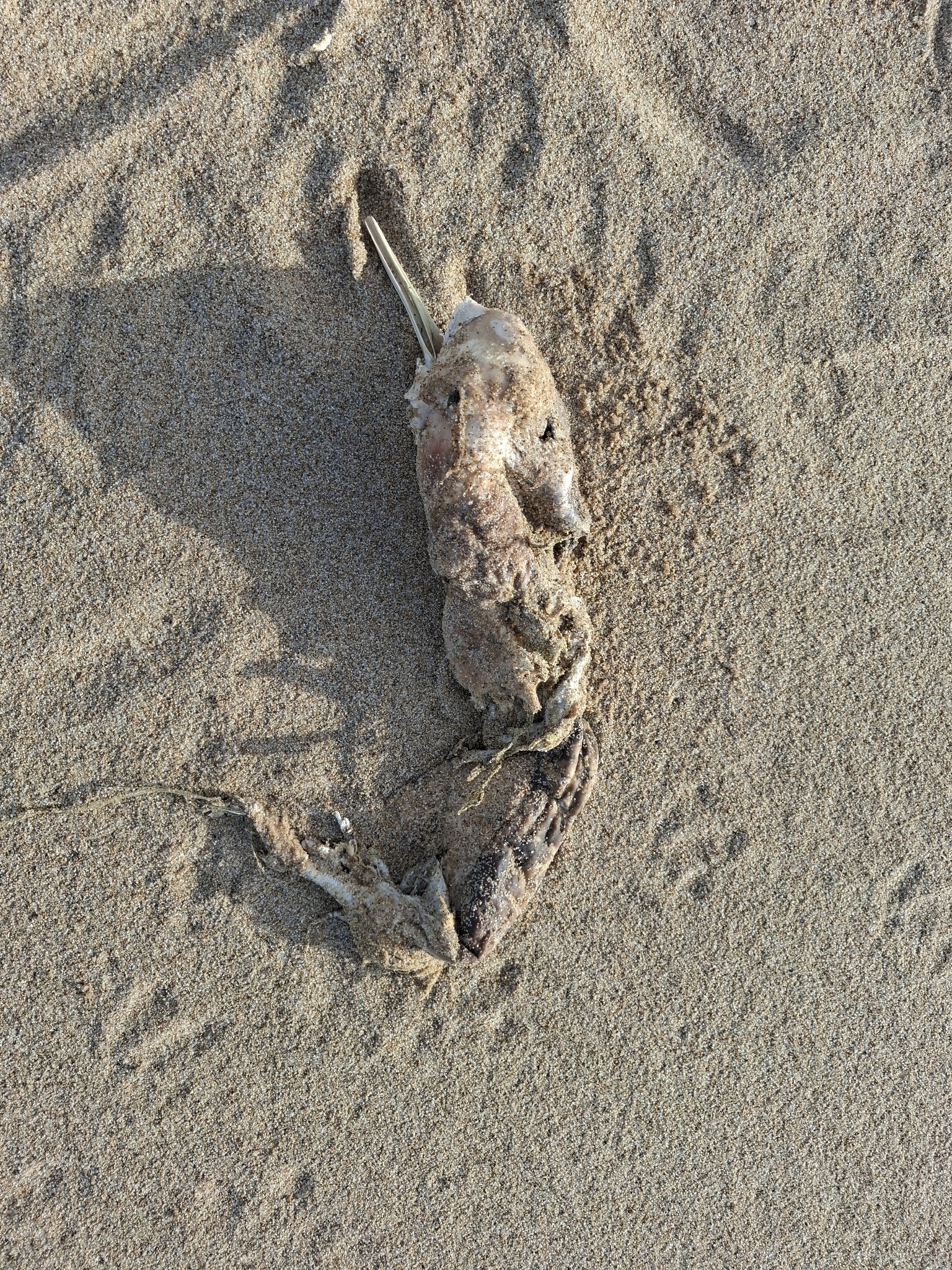
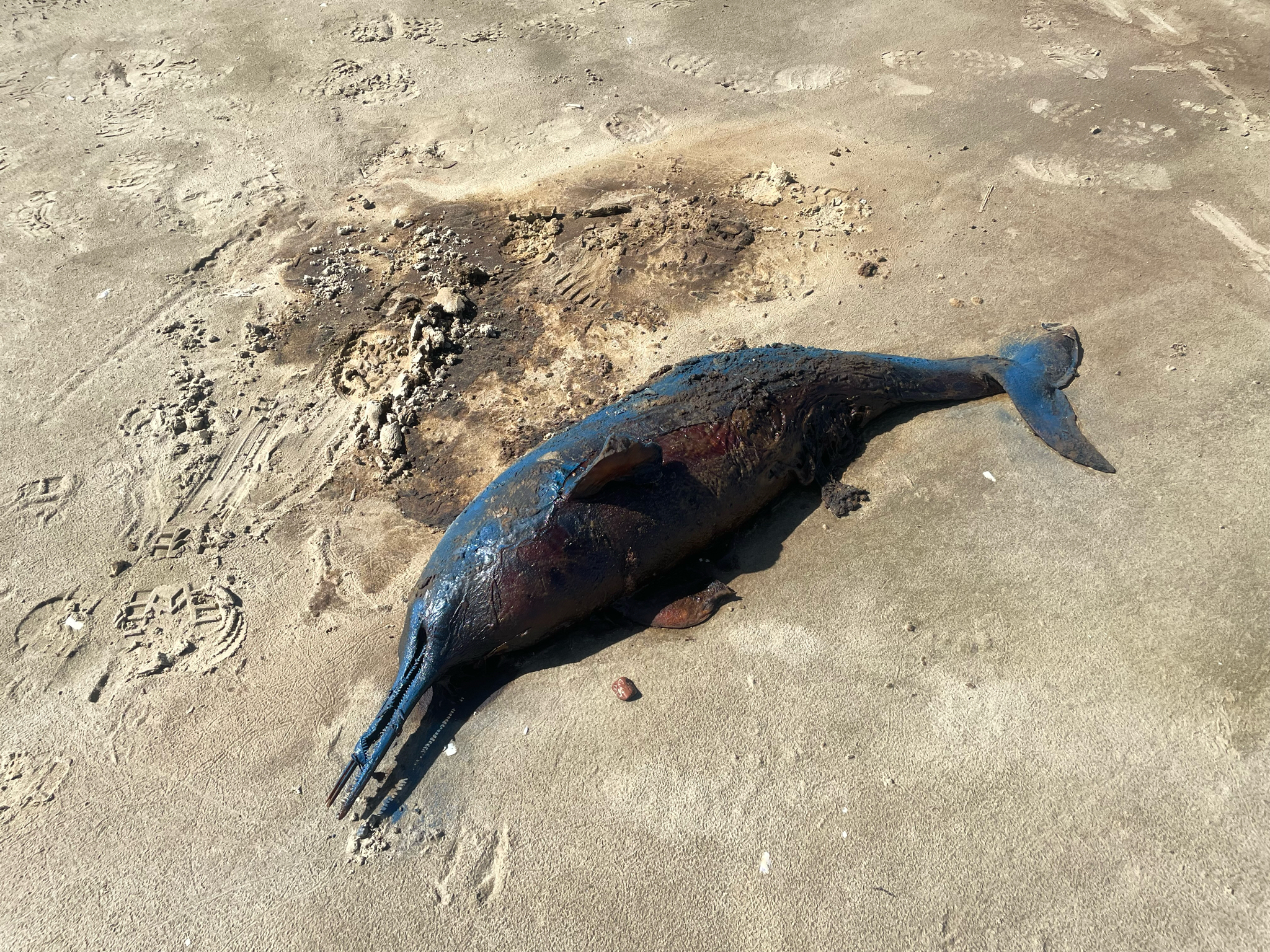
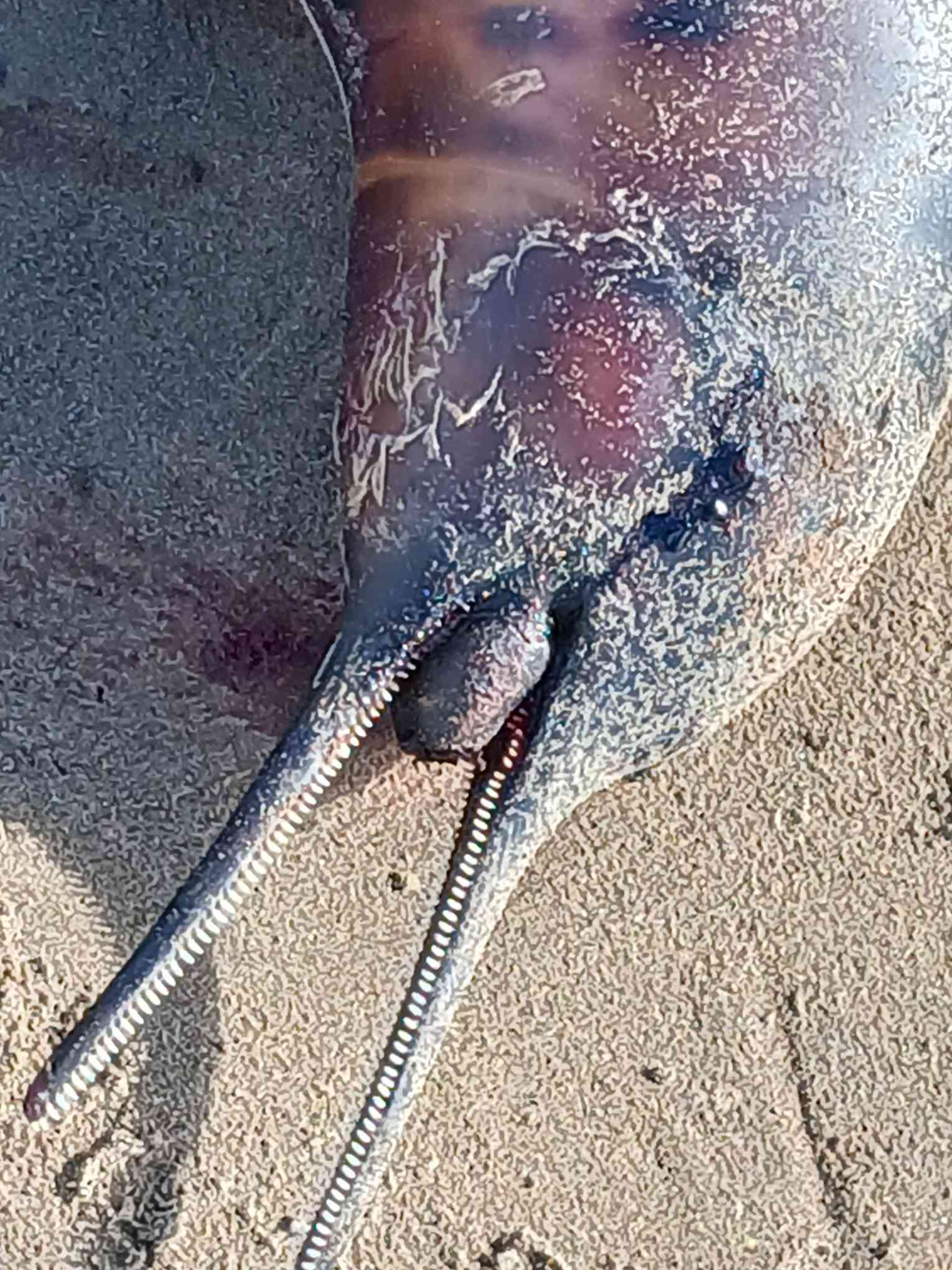
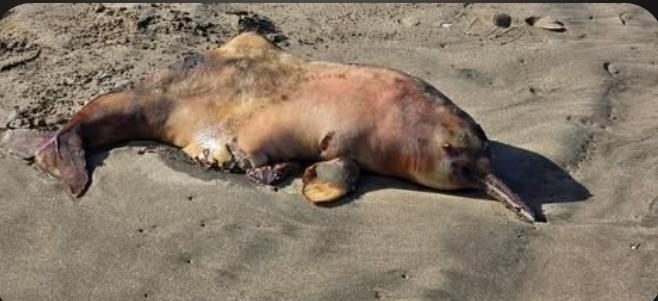
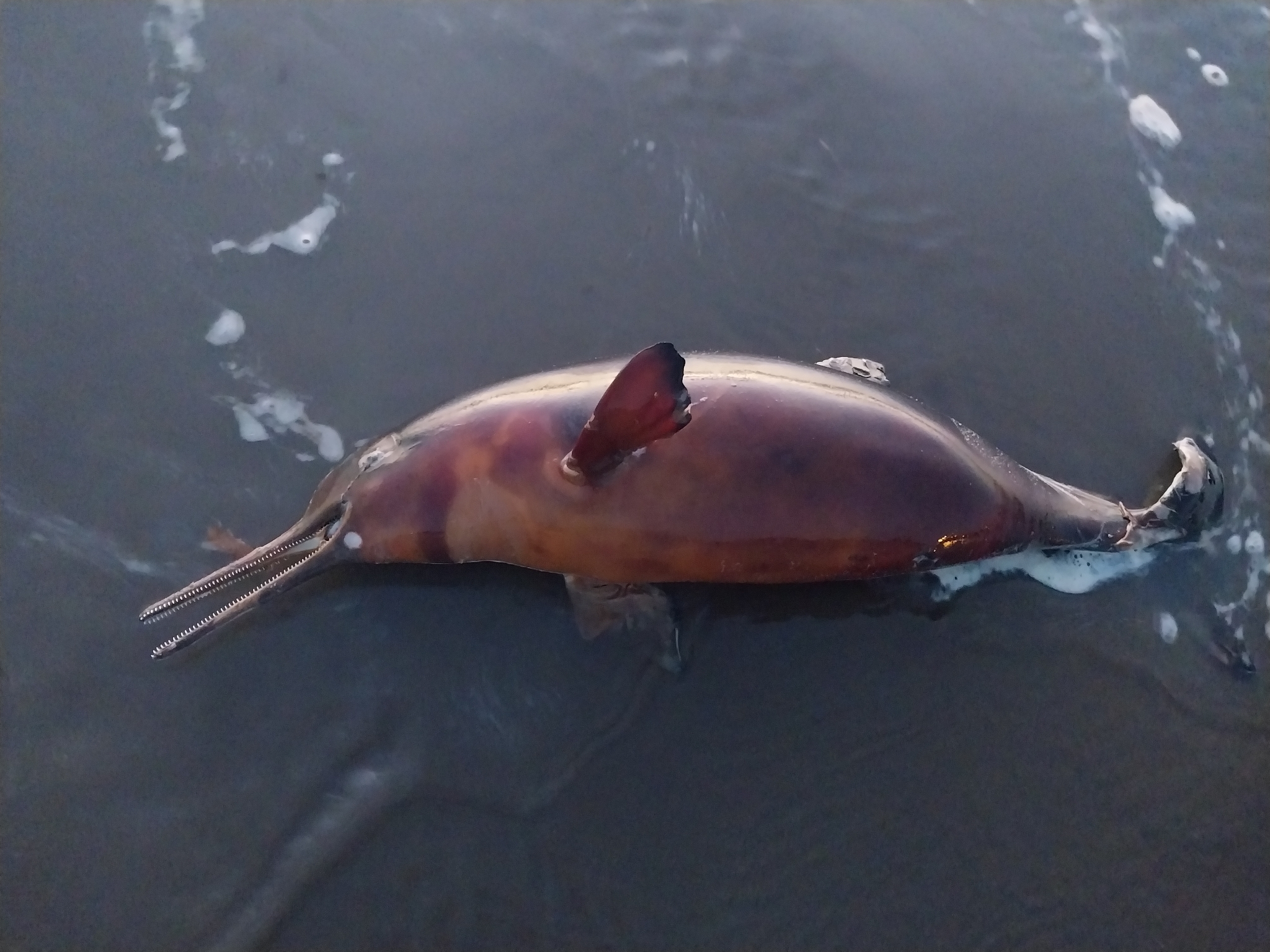
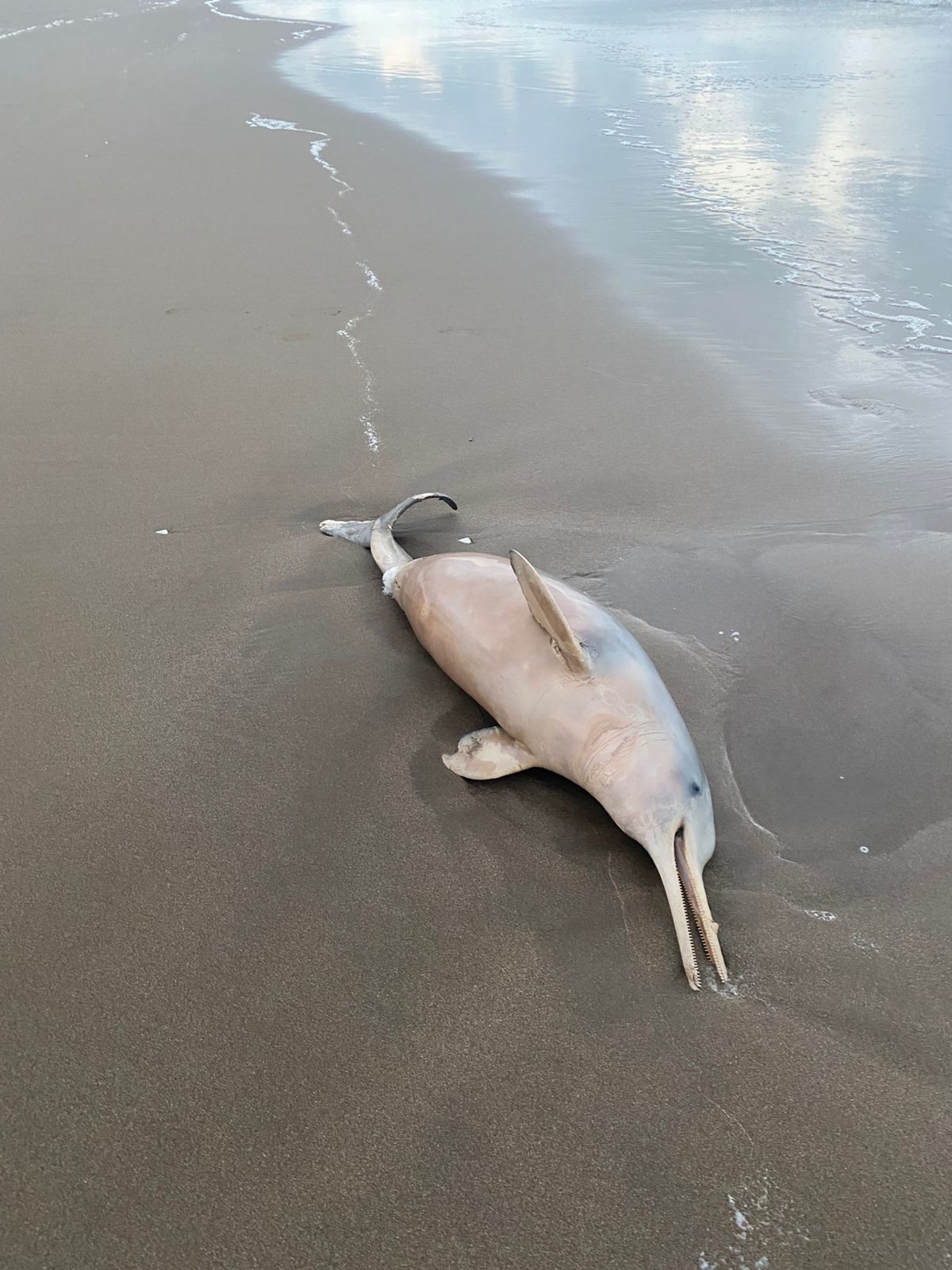
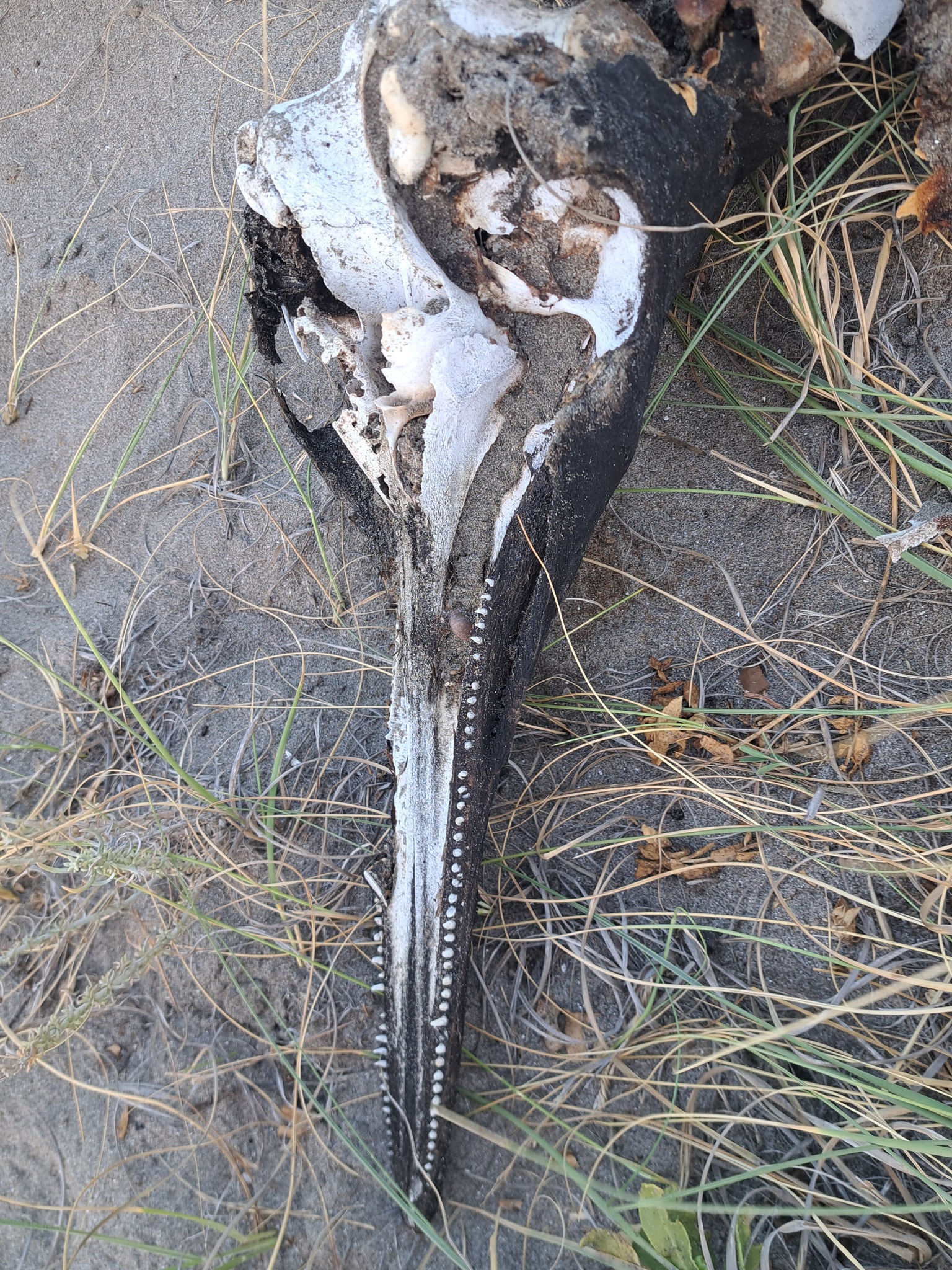
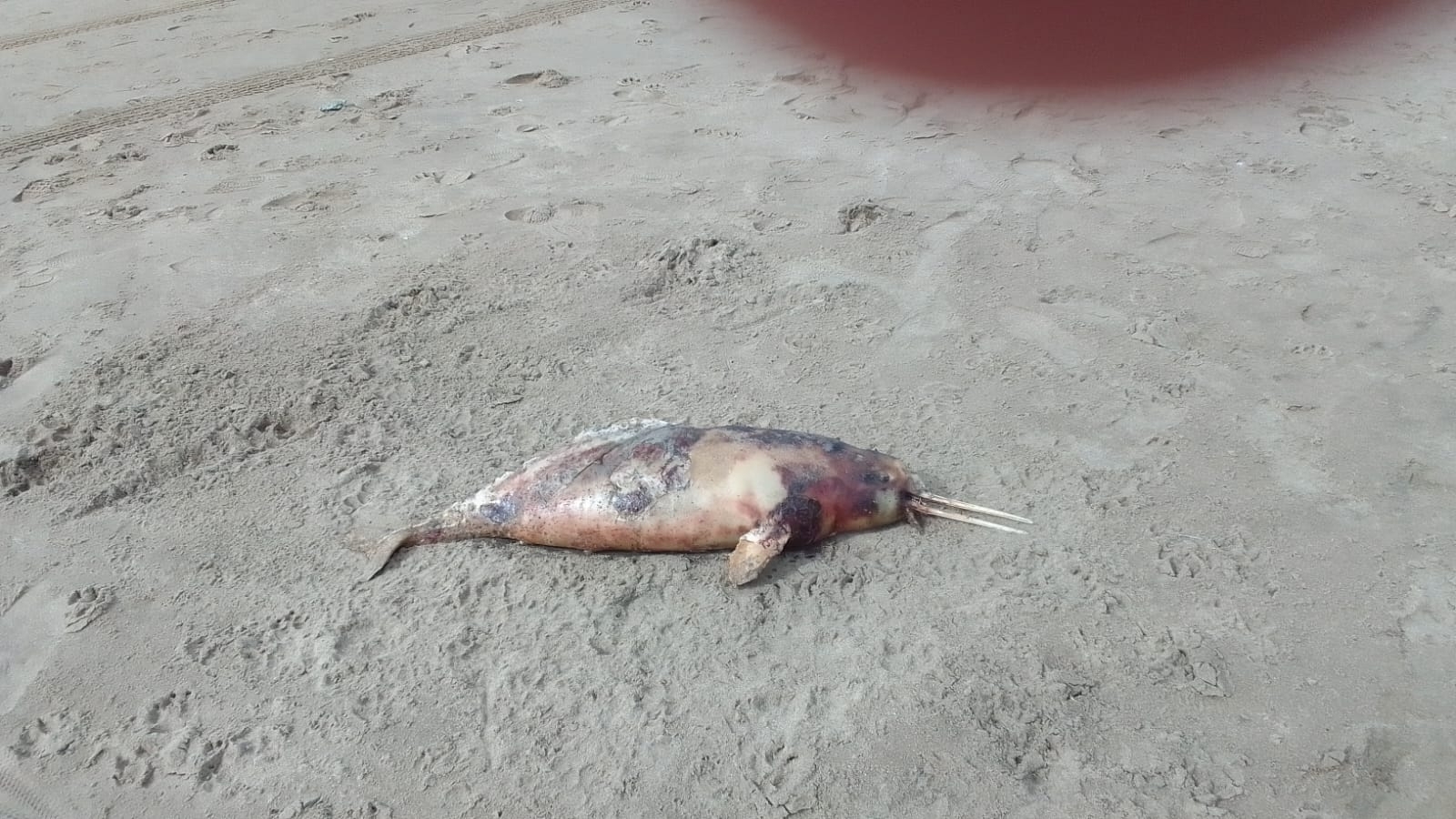
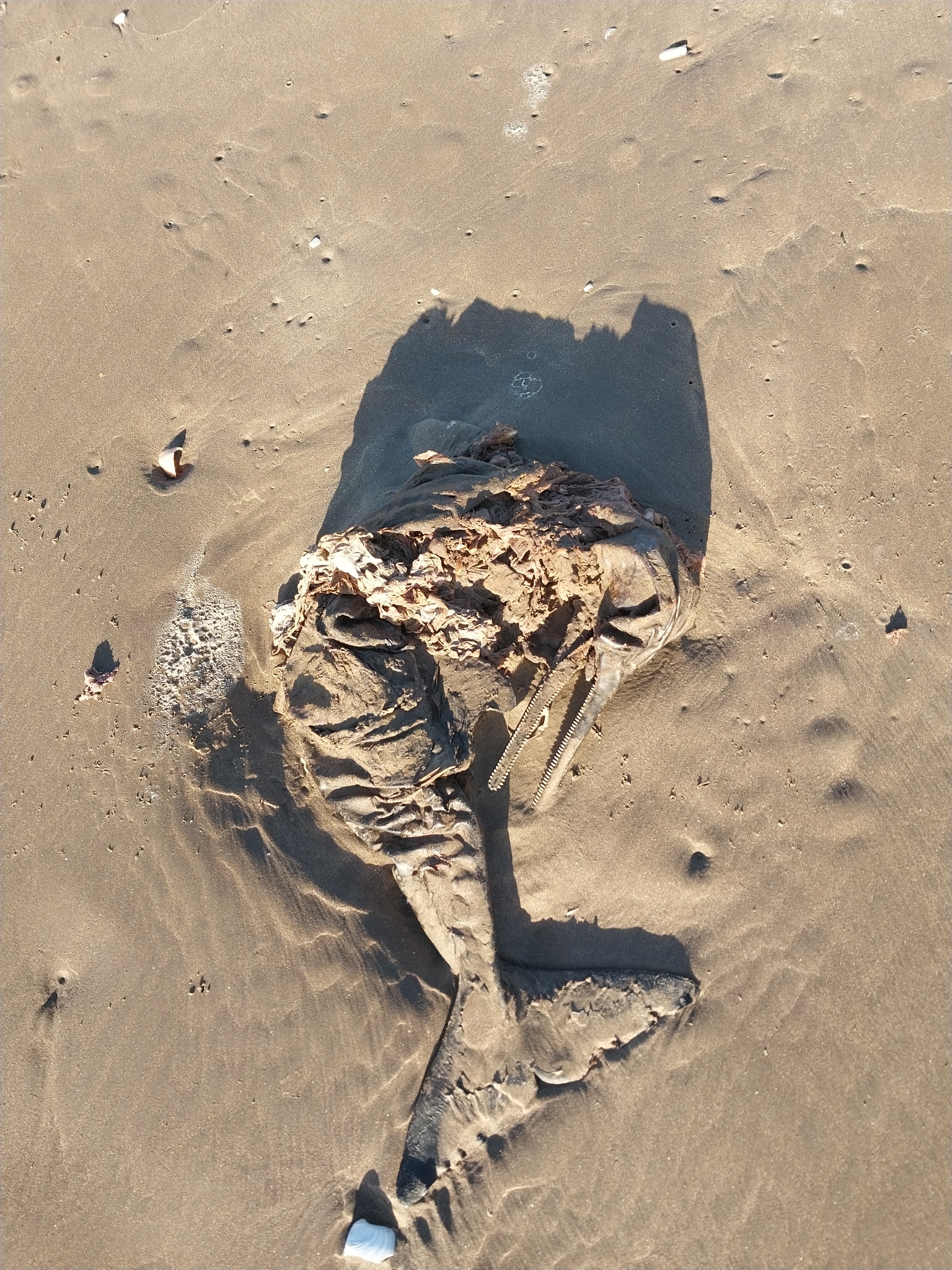
At 1.2 to 1.6 m for most adults, with the largest females approaching 1.7 to 1.8 m, and a mass of between 25 and 45 kg, exceptionally around 50 kg, the La Plata dolphin is among the smallest cetaceans in the world. Sexual dimorphism is reversed here: females are longer and heavier than males, and length at maturity varies between regions, from 113-132 cm in the north of the range to 126-140 cm in the south. The body is stocky, almost cylindrical, extended by a flexible neck (the cervical vertebrae are not fused) and, above all, by an extraordinarily long and slender rostrum that can account for up to 15% of total length in old individuals. It carries 50 to 60 small pointed teeth per half-jaw, 200 to 240 in all, one of the fullest dentitions among cetaceans.
The coloration is grey-brown on the back, paler on the belly; it lightens markedly with age, to the point that fishermen nickname the oldest animals “white ghosts”. The dorsal fin is low, with a long base and a rounded tip; the flippers are very broad, almost triangular, with a crenellated trailing edge. At sea the species is remarkably inconspicuous: slow swimming, a blow that is almost inaudible and raises no visible spray, no breaching, animals most often solitary or in small groups of two to five; groups of ten to fifteen individuals are known and, more rarely, aggregations of about fifty animals on the feeding grounds. These habits, combined with very turbid coastal waters, make direct observation difficult.
The most frequent confusion is with the Guiana dolphin (Sotalia guianensis), or boto-cinza, which shares the Brazilian coastal strip: of similar size, it has a much shorter and thicker beak, a higher and distinctly triangular dorsal fin, and markedly more demonstrative behaviour. The common bottlenose dolphin (Tursiops truncatus), also present in the range, is far more massive. As for the franciscana's closest relative, the Amazon river dolphin (Inia geoffrensis), it is strictly a freshwater animal and does not share its range. A final caution over vernacular names: “La Plata dolphin” and “Guiana dolphin” denote two quite distinct species.
The species was described in 1844 by the French naturalists Paul Gervais and Alcide d'Orbigny, and dedicated to the zoologist Henri Marie Ducrotay de Blainville. The genus name, created by Gray in 1846, combines the Greek words pontos (the sea) and poros (the passage). Pontoporia blainvillei is the only living species of the family Pontoporiidae, which is otherwise well represented in the fossil record in the Miocene and the Pliocene, in South America, North America and Europe. With the Amazon river dolphin (Inia geoffrensis, Iniidae), its sister taxon, it forms the superfamily Inioidea, whose only living representatives are South American, the fossil record of the group extending by contrast to North America and Europe. The franciscana is therefore attached to the informal set of the “river dolphins”, but it is the only one of them to live at sea and in saline estuaries rather than in freshwater river systems. No subspecies is formally recognised, but morphology and genetics separate several demographically distinct units, formalised as management areas (Franciscana Management Areas, FMA Ia, Ib, II, III and IV), the animals in the north of the range being appreciably smaller than those in the south.
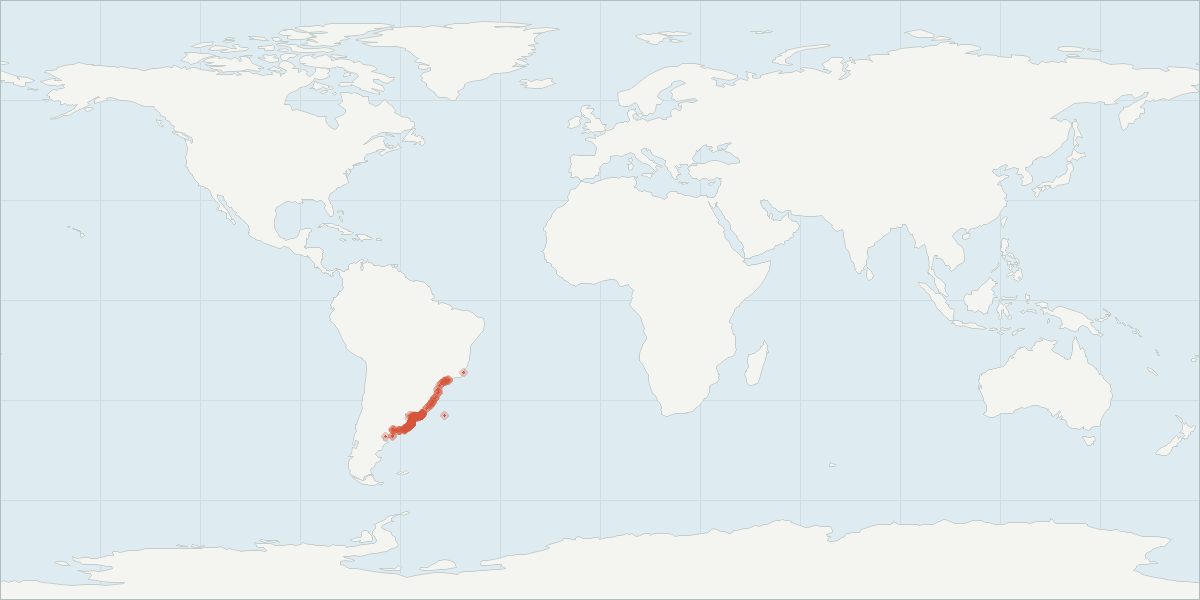
The La Plata dolphin is endemic to the subtropical coastal waters of the south-western Atlantic, from Brazil to Argentina by way of Uruguay. Its range extends from Itaúnas, in the state of Espírito Santo (18°25' S), to Golfo Nuevo, near the Valdés Peninsula in Argentina (42°35' S). It frequents turbid waters beyond the surf zone and out to the 30 to 50 m isobaths, most often in less than 30 m of water and within 55 km of the shore. It also enters certain estuaries, in particular the Río de la Plata and Babitonga Bay (Santa Catarina, Brazil), which holds a small resident population. Two gaps in the distribution, one in Espírito Santo (from Santa Cruz to Barra de Itabapoana), the other in the state of Rio de Janeiro (from Armação dos Búzios to Piraquara de Dentro), attributed to the narrowing of the continental shelf and to upwellings of cold water, isolate the northernmost population from the rest of the range.
In France the species is absent: it has never been reported in the Mediterranean (the area covered by ACCOBAMS and the Pelagos Sanctuary), in the Bay of Biscay or in the English Channel, and its range extends to no French overseas territory. In French Guiana, the small coastal cetacean of turbid waters is the Guiana dolphin (Sotalia guianensis), a different species. The franciscana's only French connection is historical: its description and its scientific name are the work of French naturalists.
The franciscana is an opportunistic bottom predator: about 80 prey species have been recorded in its diet, which is largely dominated by fish, essentially Sciaenidae (also Engraulidae, Trichiuridae, Carangidae, Batrachoididae), supplemented by small squid and shrimps, the composition varying appreciably from one management area to another. Prey are generally small, often under 8 cm. Hunting takes place in very murky water, where sight is of little use: the species relies on narrow-band high-frequency echolocation, with clicks whose peak frequency lies around 130-140 kHz, beyond the range of human hearing.
Social life is limited: solitary animals or small groups of two to five individuals, sometimes ten to fifteen, and exceptionally around fifty on the feeding grounds. Sexual maturity is early, reached between 2 and 5 years depending on the population. Gestation lasts from 10.2 to 11.2 months, and births take place in the austral spring and summer, mainly from October to February. The newborn measures 70 to 75 cm for 7 to 9 kg; lactation lasts from 6 to 9 months and the interval between two calvings varies from 1.5 to 2.8 years between regions. Females show no reproductive senescence, but longevity is one of the shortest among cetaceans: few individuals exceed 12 years, and the documented record is a female of 21 years. A female therefore produces only four to eight calves over her lifetime. The known natural predators are the killer whale and several coastal sharks.
The La Plata dolphin is classed as Vulnerable (VU, criterion A3d) on the IUCN Red List, a status arising from the assessment by Zerbini and colleagues published in 2017 (2018 errata version) and still in force in the current edition of the Red List; the population trend is decreasing. The Rio Grande do Sul and Uruguay subpopulation is the subject of a separate assessment, also in the Vulnerable category. In Brazil, the toninha is listed as “criticamente em perigo” (the equivalent of CR) on the national list of threatened species and has a dedicated national action plan. A study published in 2023 concludes that the isolated Espírito Santo population, estimated at about a thousand individuals, would meet the criteria for the Endangered category (C2a(ii)).
Abundance estimates remain partial and dated: of the order of 900 to 1,200 individuals for Espírito Santo and close to 2,000 for Rio de Janeiro, about 6,800 for area II (2008-2009), 6,800 for the Brazilian portion of area III (2004) and about 15,000 for Argentina (2003-2004).
The dominant threat is bycatch in coastal gillnets, artisanal as well as commercial, documented since the 1960s-1980s. Annual mortality from fishing ranges from about a hundred individuals in the northernmost area to more than 1,000 in area III, that is two to more than five times the maximum removal judged sustainable. To this are added contamination by organochlorines, PCBs and trace metals, the ingestion of plastic debris and net fragments, habitat degradation through port development, dredging and underwater noise, and the depletion of prey fish. The species is listed in Appendix II of CITES and in Appendices II (1991) and I (1997) of the Convention on Migratory Species. It is legally protected in Brazil, Uruguay and Argentina, but only Brazil has regulated gillnets within its habitat (a normative instruction of 2012), with enforcement remaining very incomplete. Acoustic deterrents (“pingers”) have given promising results: in a blind trial in Argentina, 45 dolphins were caught in the silent nets against seven in the equipped nets, but sea lions damaged the catch more in the latter, and long-term effectiveness remains to be demonstrated. Replacing nets with longlines is also being studied.
Seeing a franciscana is a matter of patience and chance. The animal moves through sediment-laden water, blows without a sound and offers no more than a brief glimpse of a brown back and a rounded dorsal fin before disappearing; it does not bow-ride and does not breach. The best conditions are a glassy sea and low raking light, from the shore or a small boat, in south-eastern and southern Brazil, in Uruguay or along the coast of Buenos Aires province. Babitonga Bay, in Brazil, hosts one of the most intensive field monitoring programmes for the species, on a resident population of about fifty individuals; other long-term programmes are run in Rio Grande do Sul, in Uruguay and in Buenos Aires province.
The ethics of approach matter particularly here: the population is fragile and the species very sensitive to disturbance. Any pursuit must be given up, the engine cut, a generous distance kept and the animal left to decide on the encounter. Reporting a stranding or a bycatch event to the local stranding networks is the most useful contribution an observer can make. In France no sighting is possible: the species does not occur there.
It does belong to the informal group of the “river dolphins”, and its closest relative is the Amazon river dolphin. But it is the only member of that set to live at sea and in saline estuaries rather than in freshwater rivers, which makes it a unique case among cetaceans.
No. The species is strictly endemic to the coastal waters of the south-western Atlantic, between the Brazilian state of Espírito Santo and the Valdés Peninsula in Argentina. It has never been reported in the Mediterranean, in the English Channel, in the Bay of Biscay or in French overseas waters.
Because it lives exactly where artisanal gillnet fishing is concentrated, in less than 30 m of water and a few kilometres from the shore. Bycatch mortality exceeds the sustainable threshold by two to five times depending on the area, while breeding is slow and longevity short.
Adults most often measure 1.2 to 1.6 m for 25 to 45 kg, the largest females reaching about 1.7 to 1.8 m and around 50 kg. It is one of the smallest cetaceans known, comparable with the vaquita, the porpoise of the Gulf of California, though no absolute record can be settled.
There is no reliable, up-to-date global estimate. The aerial surveys carried out area by area give of the order of 900 to 1,200 individuals in Espírito Santo, about 2,000 in Rio de Janeiro, some 6,800 for two other Brazilian sectors and about 15,000 in Argentina, but these figures are partial and some of them are more than fifteen years old.
It is an opportunistic bottom predator: close to 80 prey species have been recorded, with a clear dominance of fish, foremost among them the Sciaenidae, but also Engraulidae, Trichiuridae, Carangidae and Batrachoididae, supplemented by small squid and shrimps. Prey are small, often less than 8 cm, and the composition of the diet varies appreciably from one management area to another.
By the beak, above all: that of the franciscana is extremely long and fine, up to 15% of body length, whereas that of the Guiana dolphin is short and robust. The franciscana also has a low dorsal fin with a rounded tip and very unobtrusive behaviour, where the Guiana dolphin breaches and travels in active groups.
Profile compiled from authoritative scientific sources (IUCN, NOAA Fisheries, specialist literature) and reviewed for factual accuracy.
According to the open data of the GBIF, 586 georeferenced sightings of Pontoporia blainvillei are recorded in our photographic index.
| Country | Notes |
|---|---|
| Uruguay | 438 |
| Argentina | 130 |
| Brazil | 35 |

Monthly distribution of 513 dated sightings (all years combined): the maximum is reached in janvier.
| Month | Notes |
|---|---|
| janvier | 107 |
| February | 51 |
| mars | 58 |
| avril | 17 |
| mai | 17 |
| juin | 8 |
| juillet | 56 |
| August | 32 |
| septembre | 18 |
| octobre | 51 |
| novembre | 33 |
| December | 65 |
These figures reflect survey effort (more boaters and more surveys in summer) as much as the actual presence of the species: to be interpreted with caution.


Photographs from GBIF under a Creative Commons licence. The author and the licence of each photograph are given; please respect them if you reuse them.
Automatic selection of the most cited works mentioning the species (source: Crossref).