| Scientific name | Cephalorhynchus hectori (van Beneden, 1881) |
|---|---|
| Other names | New Zealand dolphin, white-fronted dolphin; in Māori: tutumairekurai, tūpoupou (popoto for the Māui subspecies); Māui dolphin for the northern subspecies; in French: dauphin d’Hector, dauphin de Nouvelle-Zélande |
| Size | 1.2 to 1.6 m (females credited with 1.7 m in the Māui subspecies by some New Zealand sources); 60 to 80 cm at birth |
| Weight | 40 to 60 kg as a general rule; NOAA gives a maximum of about 50 kg for the South Island Hector’s dolphin and 65 kg for the Māui dolphin; 8 to 10 kg at birth |
| Longevity | At least 22 years documented by photo-identification; generation length estimated at 13.5 years by the IUCN |
| Diet | Small fish and cephalopods under 10 cm: red cod (dominant by mass), flatfish of the genus Peltorhamphus, ahuru, New Zealand sprat, arrow squid |
| IUCN status | Species: Endangered (EN, criterion A4d), assessment dated 1 July 2008, published in 2013 and flagged by the IUCN as needing an update; decreasing trend. Subspecies Cephalorhynchus hectori maui (Māui dolphin): Critically Endangered (CR, criteria A2cd+4cd; C2a(i,ii); D), assessment of 4 April 2023. |
Hector’s dolphin is the smallest marine dolphin in the world and the only cetacean endemic to New Zealand. Its perfectly rounded dorsal fin, often compared to a Mickey Mouse ear, and its black facial mask make it immediately recognisable. Classified as Endangered by the IUCN, it numbers about 15,000 individuals around the South Island, while its Māui subspecies, reduced to some fifty animals, is among the most threatened cetaceans on the planet.
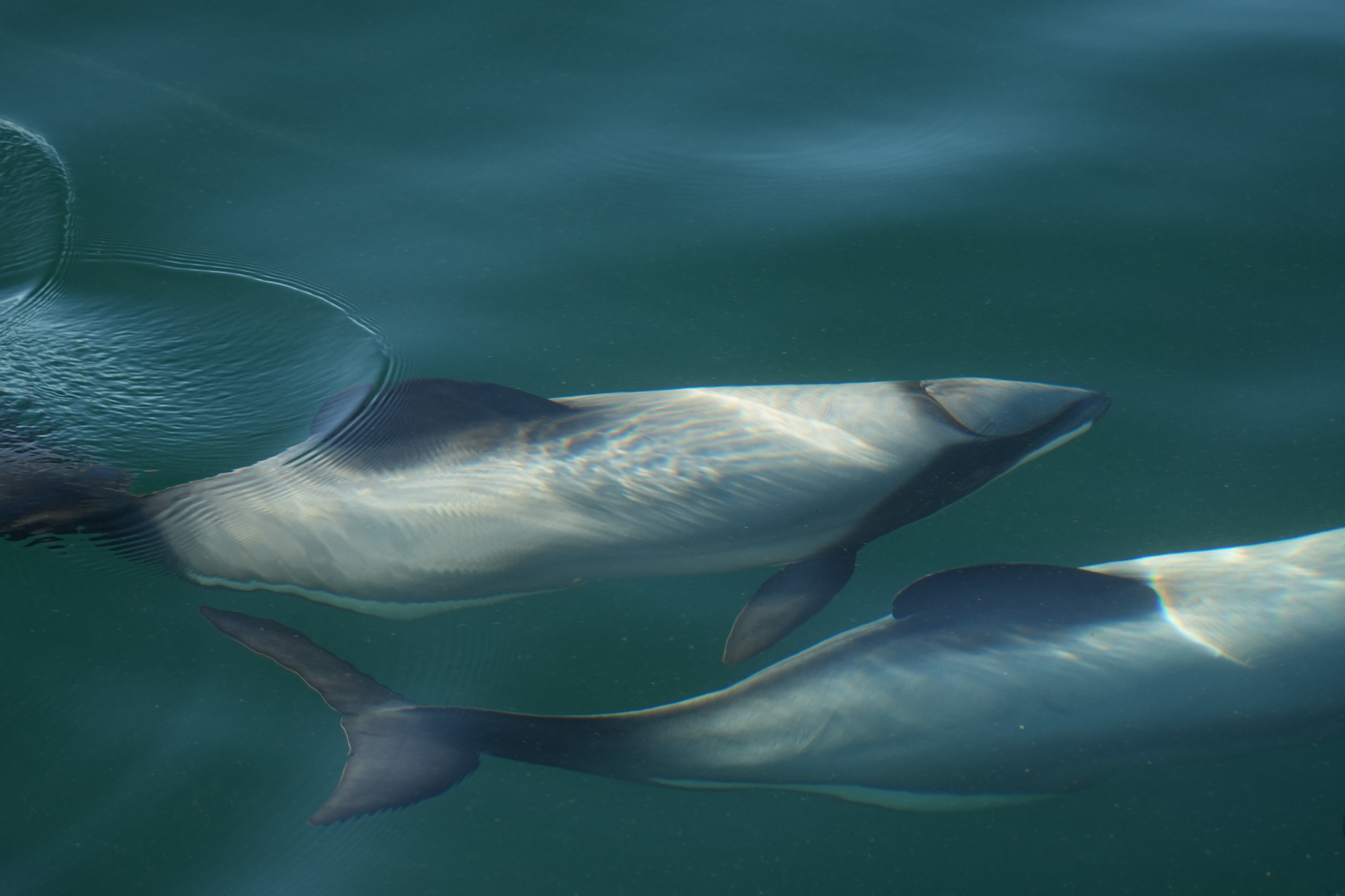
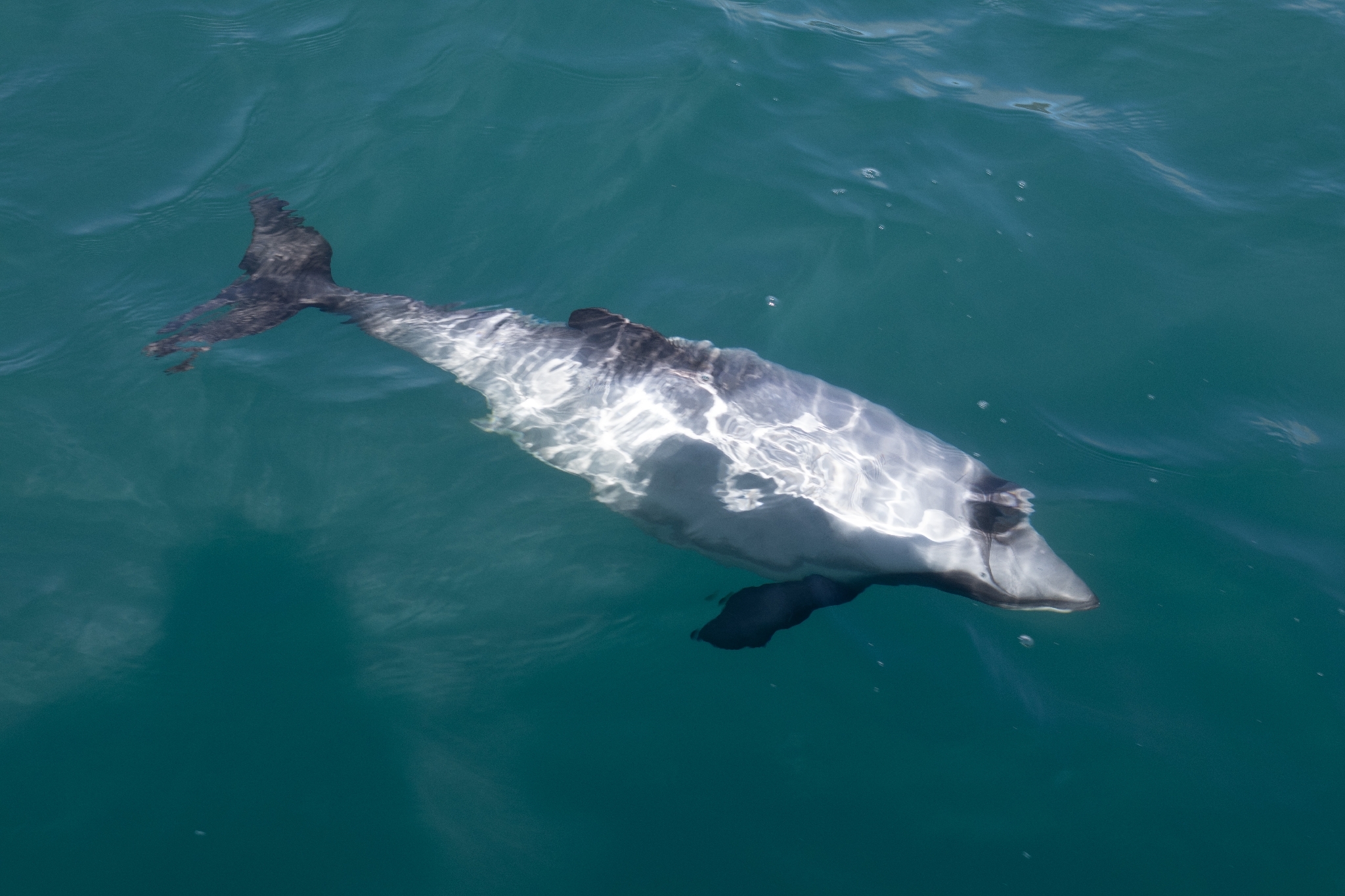
Hector’s dolphin measures 1.2 to 1.6 m and weighs about 40 to 60 kg. The maxima vary with the subspecies: NOAA gives about 1.5 m and 50 kg for the South Island Hector’s dolphin, up to 1.6 m and 65 kg for the Māui dolphin, with some New Zealand sources crediting Māui females with 1.7 m. Females exceed males by 5 to 7% in length. The body is stocky, with no distinct beak, and the tail fluke is broad in relation to the size of the animal.
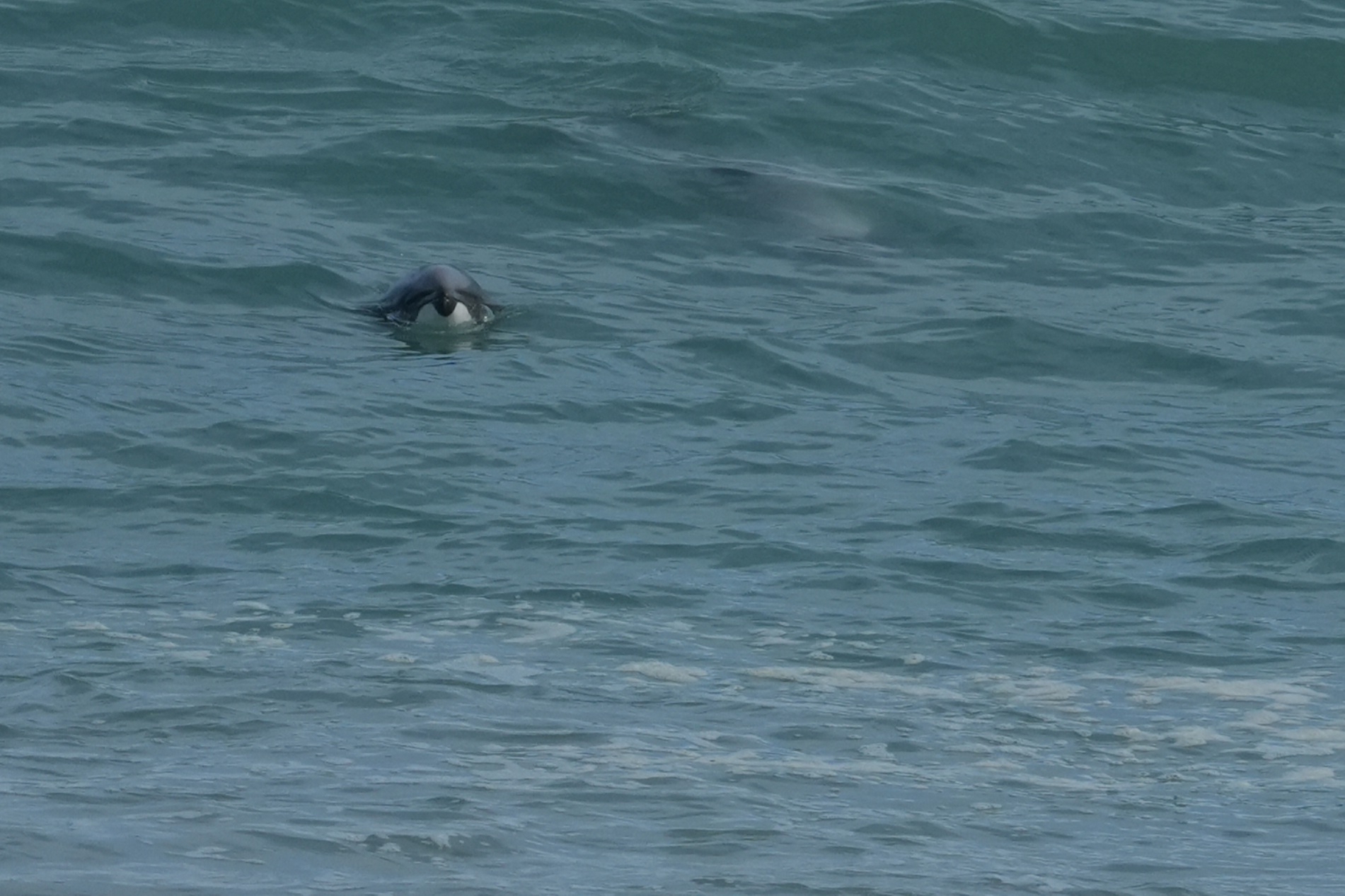
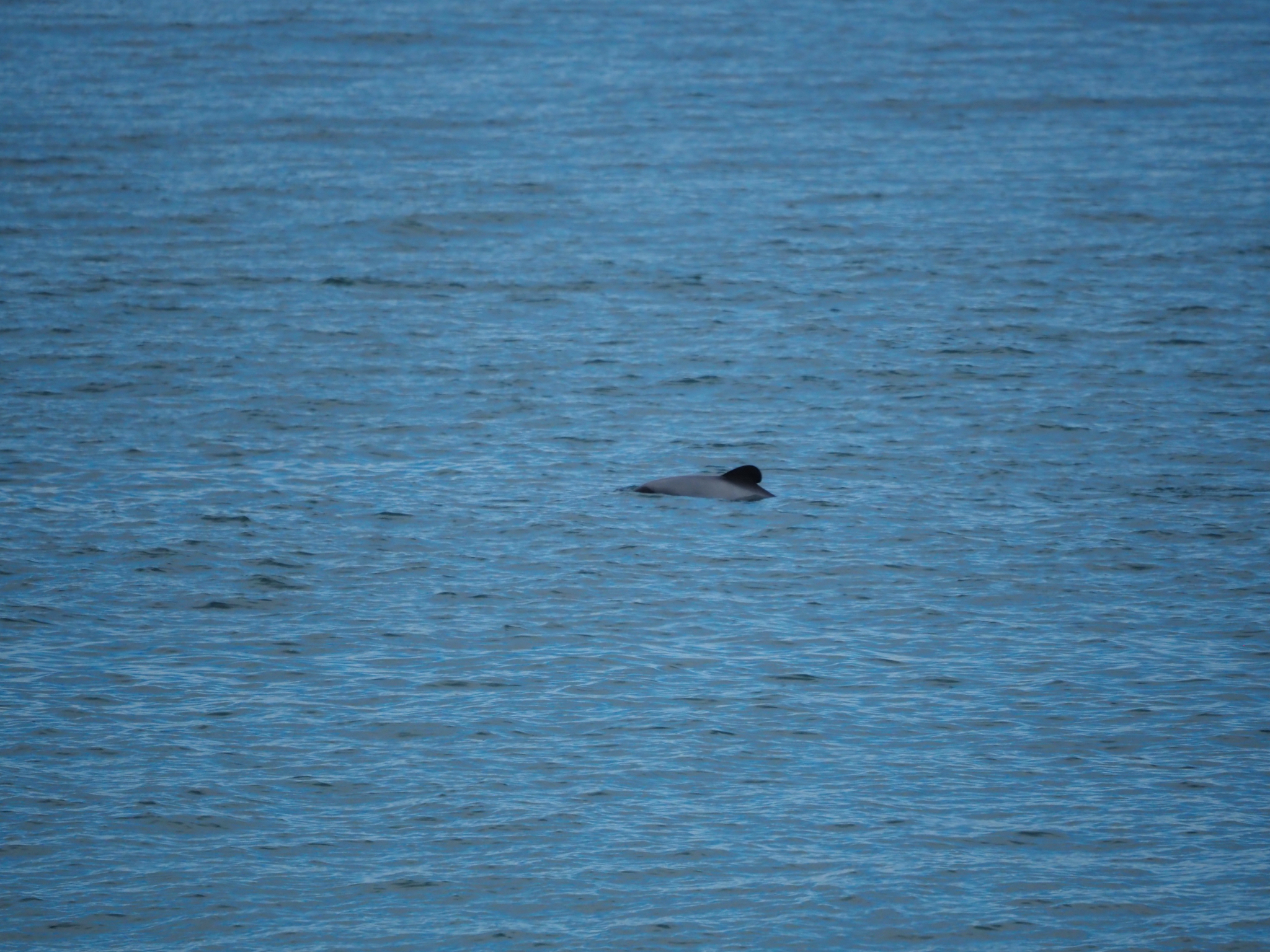
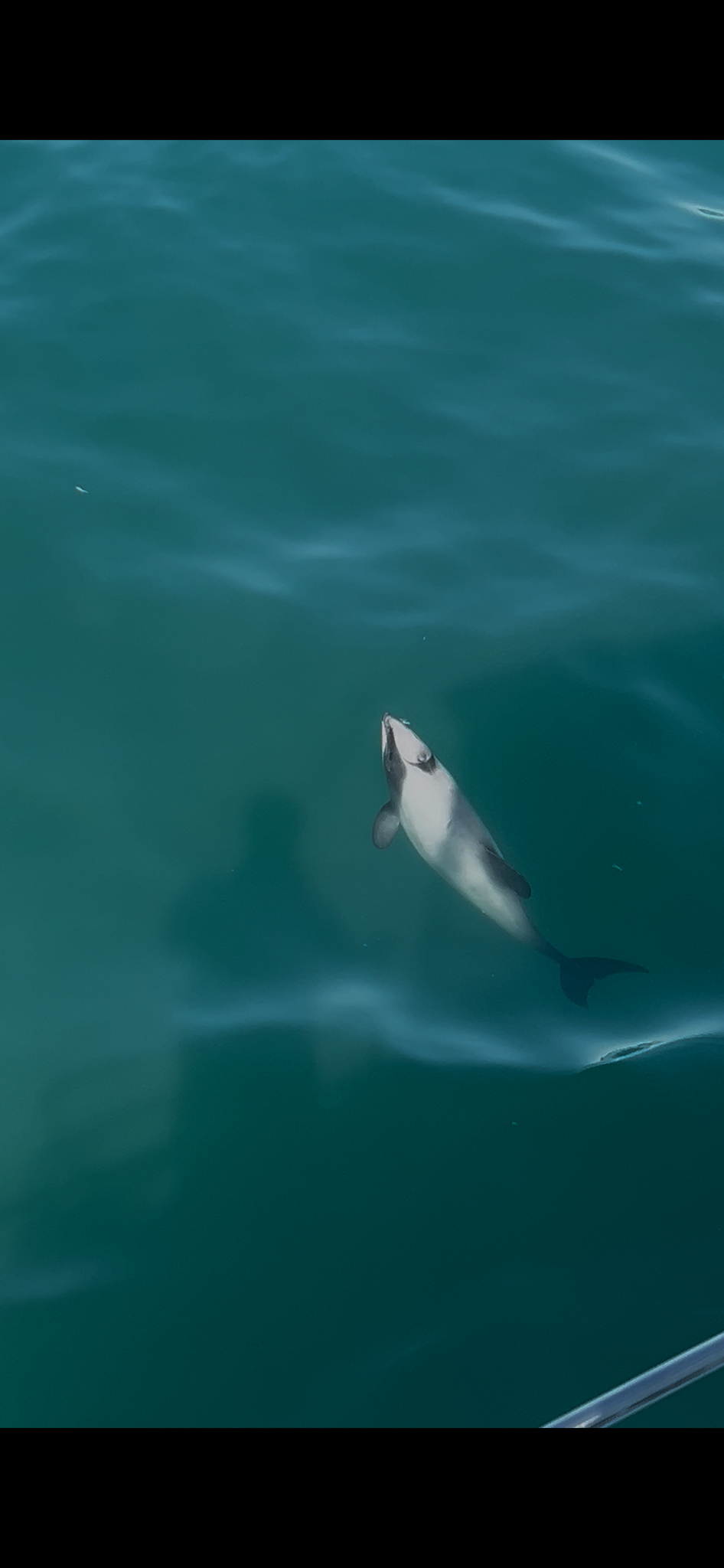
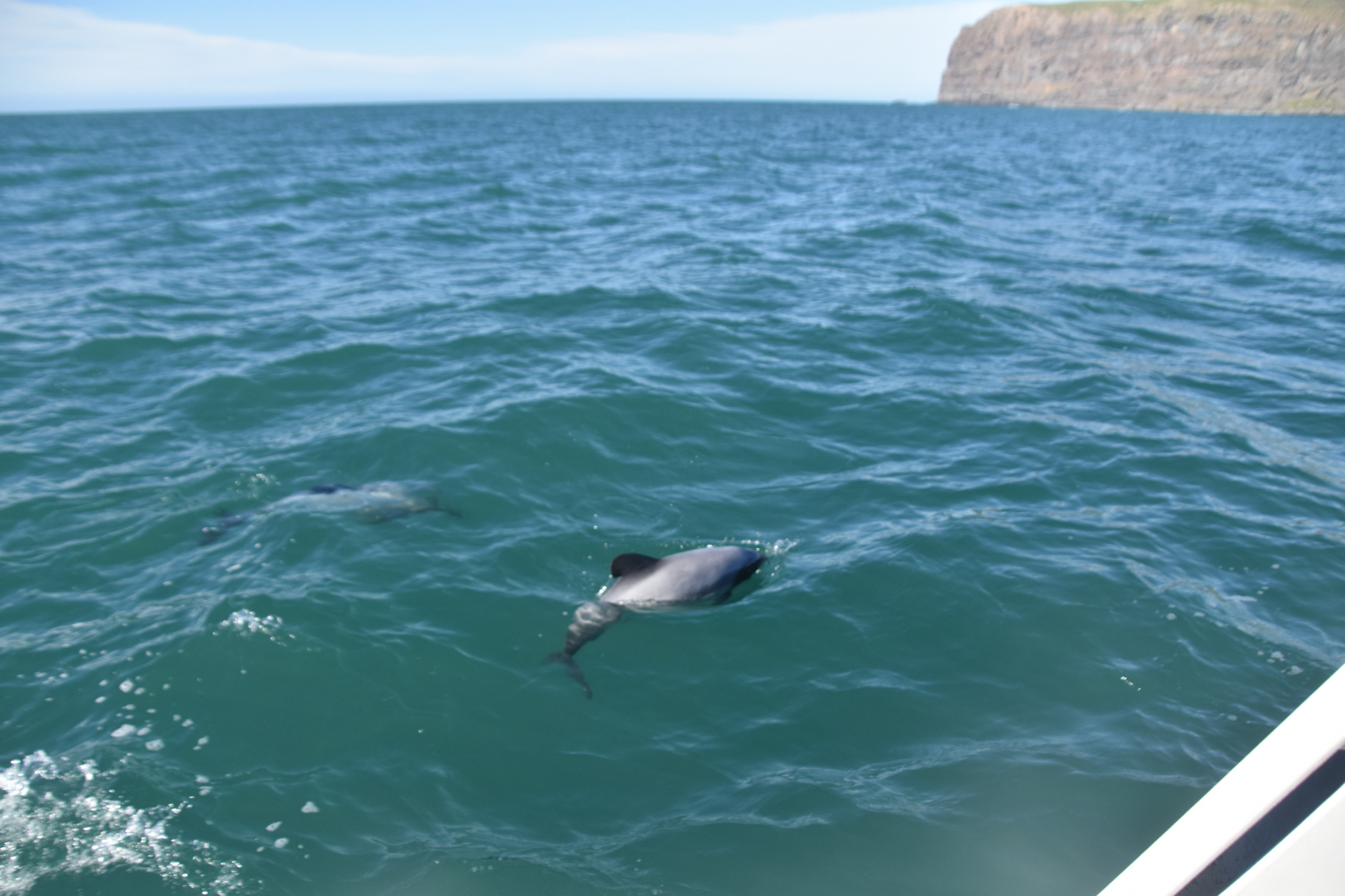
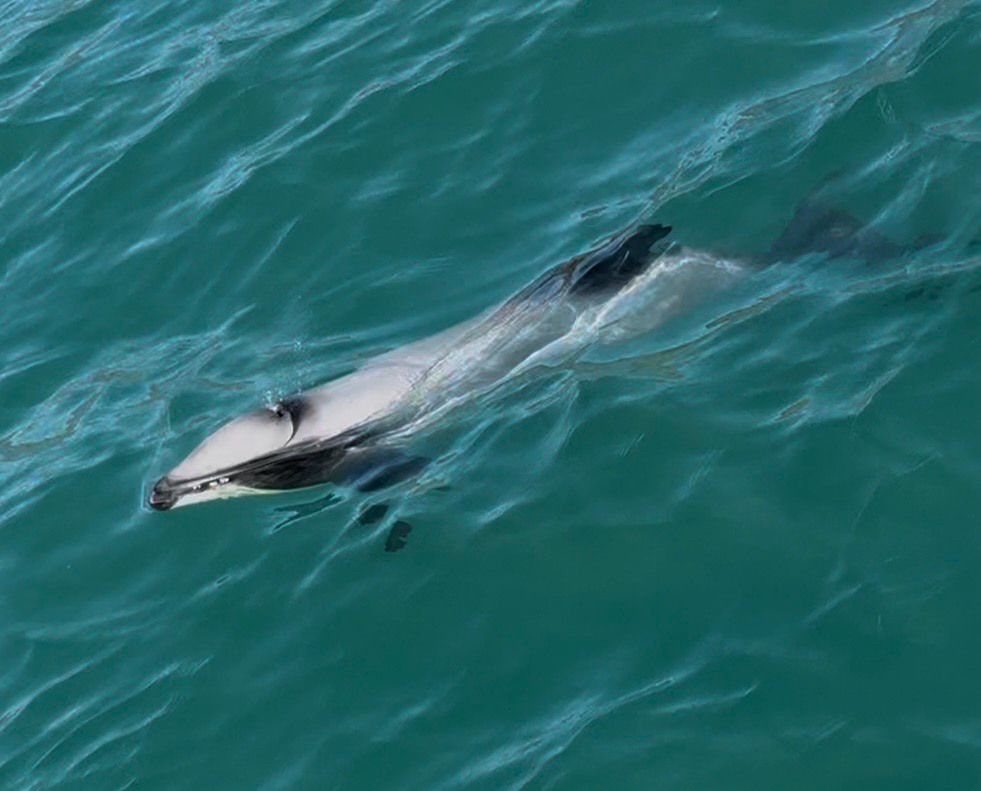
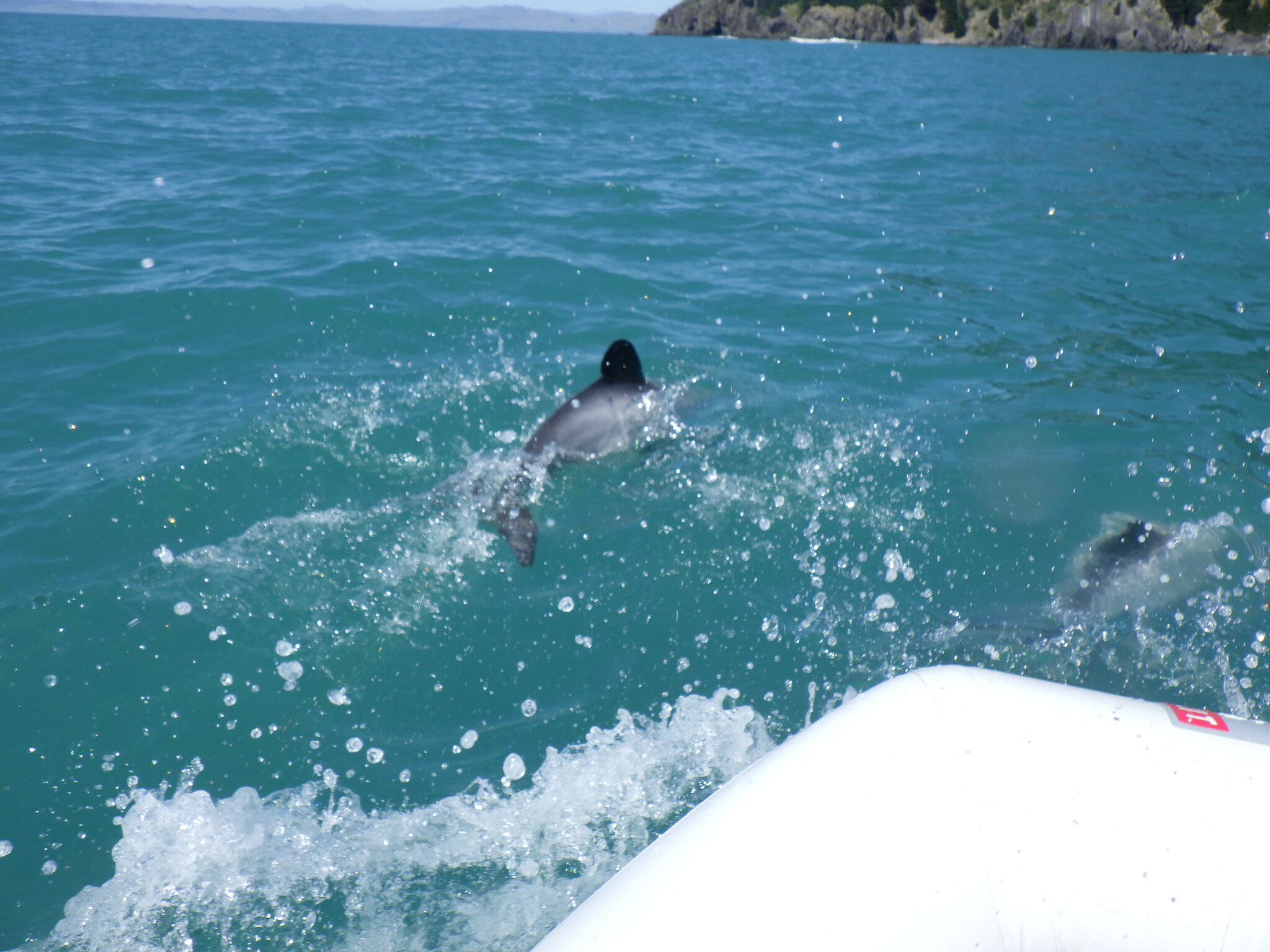
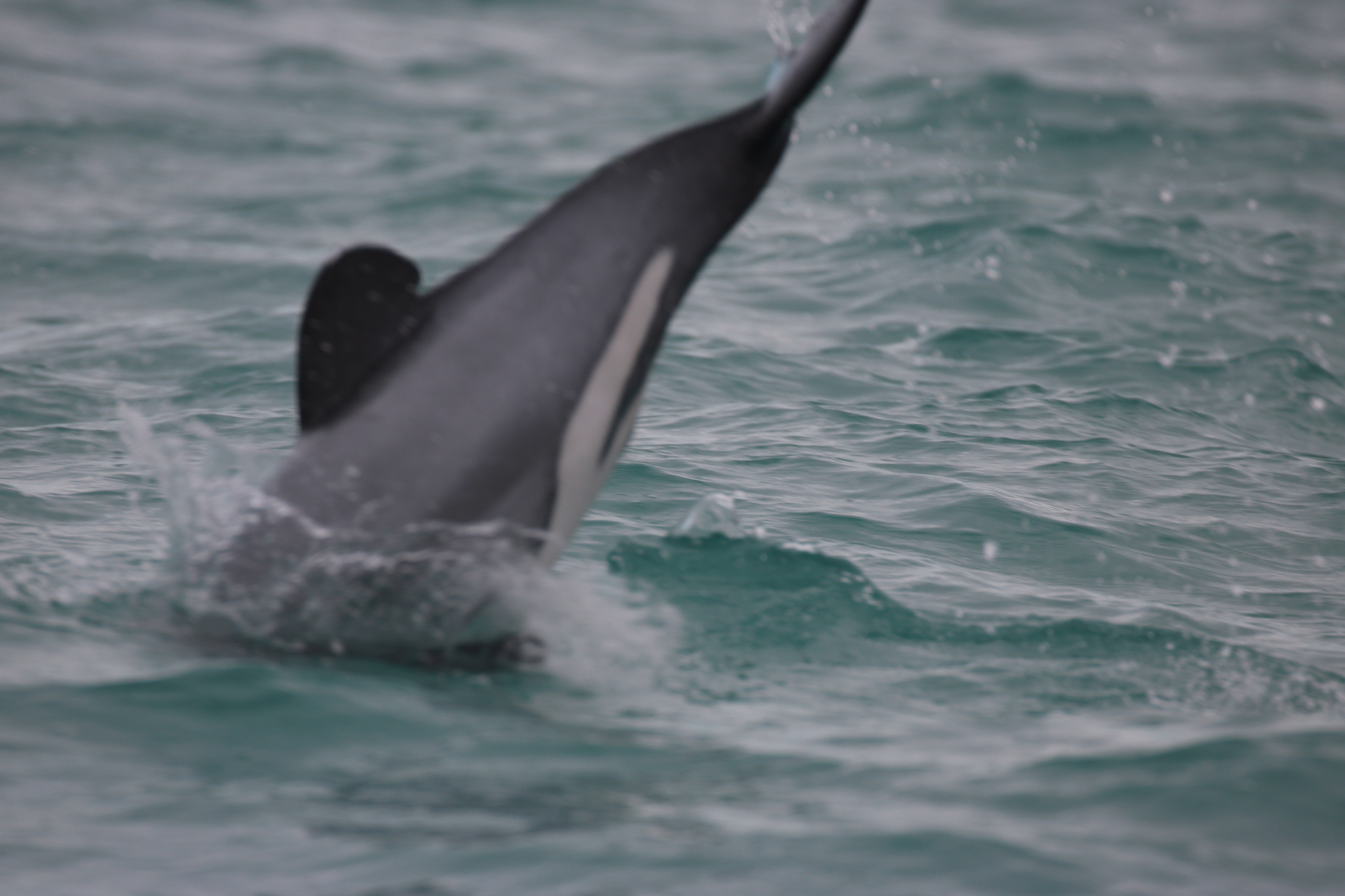
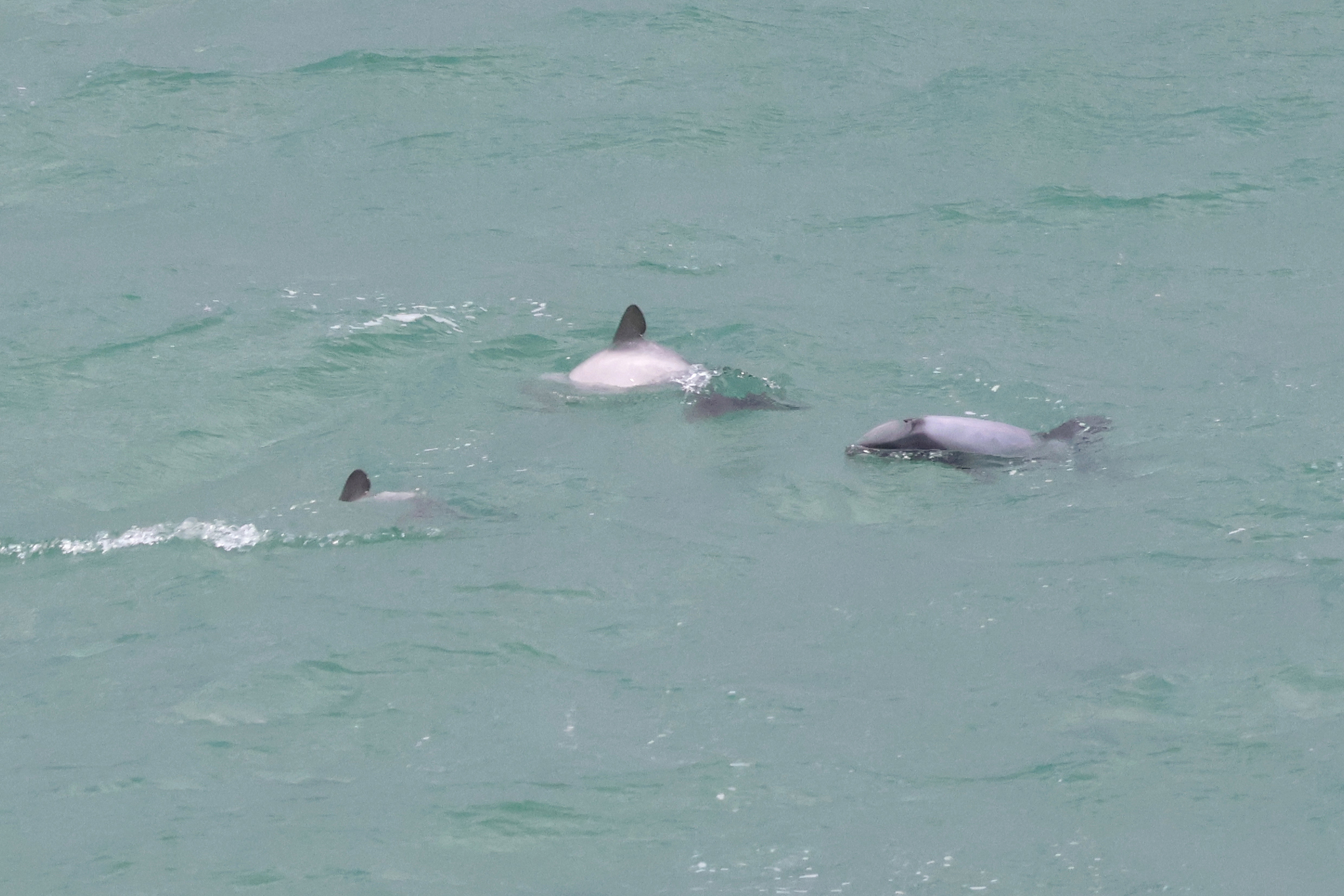
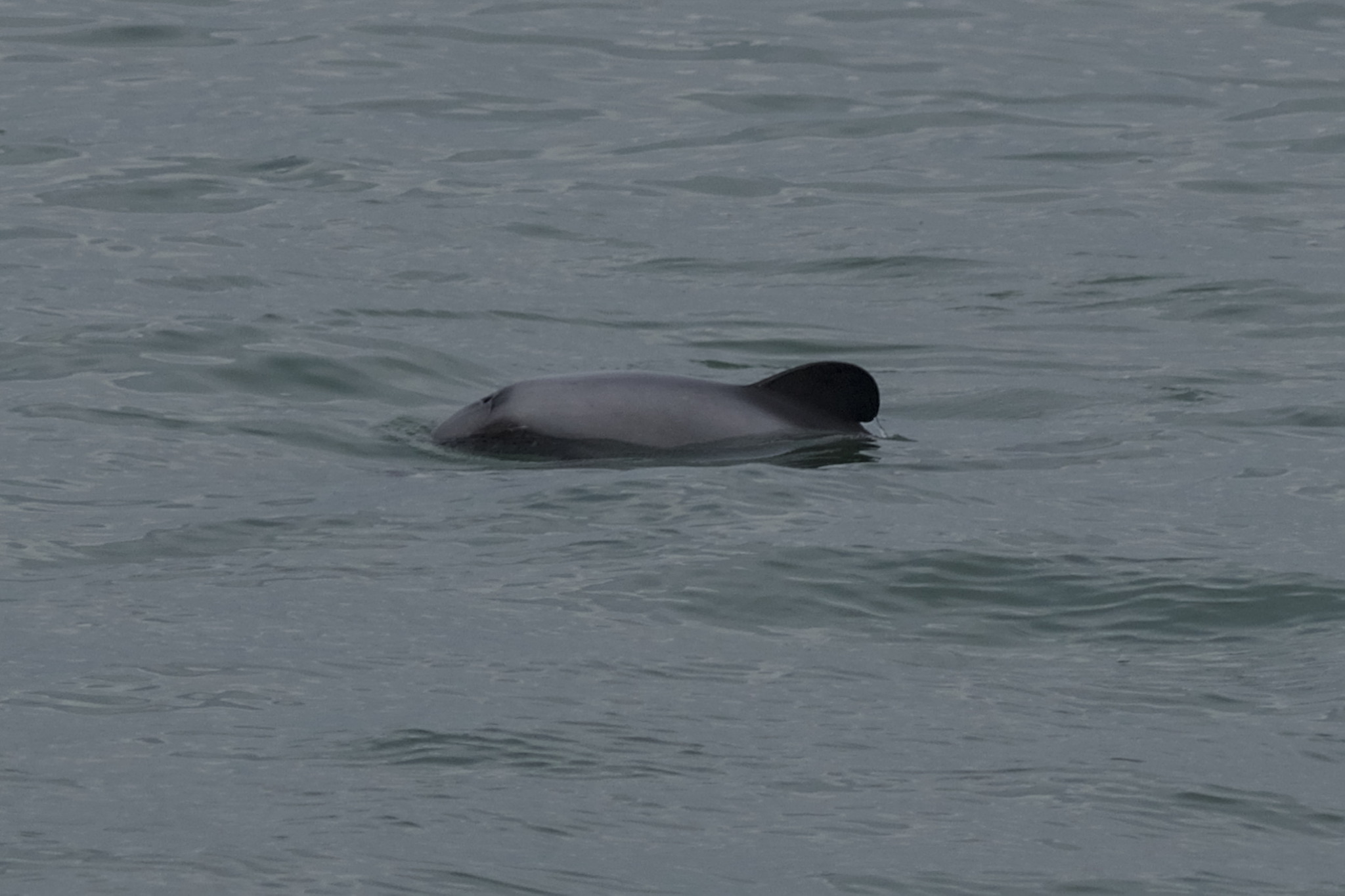
The decisive feature remains the dorsal fin: low, perfectly rounded, with a convex trailing edge and a notched rear margin, it has no equivalent among the other delphinids. The coloration combines grey, white and black: white throat and belly, grey body, a black mask around the eye and a fine dark line between the head and the blowhole. For about six months newborns carry four to six pale vertical bands, remnants of the foetal folds.
The risks of confusion are limited: within its range, the dusky dolphin and the common dolphin are recognised by their falcate dorsal fin and their pronounced beak. The two subspecies, on the other hand, are practically inseparable in the field and only genetic identification settles the matter with certainty. The other members of the genus Cephalorhynchus closely resemble them but live on other ocean seaboards. Finally, Hector’s dolphin should not be confused with Hector’s beaked whale (Mesoplodon hectori), a ziphiid named after the same naturalist.
Cephalorhynchus hectori belongs to the family Delphinidae. The genus Cephalorhynchus classically brings together four species, Commerson’s, Chilean, Heaviside’s and Hector’s dolphins, to which phylogenetic analyses also attach Peale’s dolphin and the hourglass dolphin. The species was described by the Belgian zoologist Pierre-Joseph van Beneden in 1881 and dedicated to the New Zealand naturalist and explorer James Hector (1834-1907), director of the Colonial Museum in Wellington.
Two subspecies have been recognised since the work of Baker and colleagues in 2002: C. h. hectori, of the South Island, and C. h. maui, the Māui dolphin of the west coast of the North Island. Of 137 individuals of the Māui subspecies sampled between 2001 and 2021, all carried a single mitochondrial DNA lineage, never detected in South Island dolphins. The deep waters of Cook Strait are thought to have isolated the two lineages for 15,000 to 16,000 years, and no interbreeding has been documented to date.
Strictly endemic to New Zealand, the species has one of the most restricted ranges of all marine cetaceans. It frequents shallow, turbid coastal waters, almost always less than 15 km from shore and in less than 100 m of water, most sightings taking place in less than 50 m. The animals concentrate close inshore in spring and summer, then move offshore in autumn and winter; some remain all year round along about thirty kilometres of coastline.
The South Island holds at least three genetically distinct populations, with cores around Banks Peninsula, at Kaikōura, in the Catlins, in Otago and on the west coast. The Māui dolphin is confined between Kaipara Harbour and Whaingaroa/Raglan, most sightings being concentrated along some forty kilometres between Manukau Harbour and Port Waikato. The species is absent from French waters, in the Mediterranean, the Bay of Biscay and the English Channel as well as in the French Pacific territories.
A generalist predator, Hector’s dolphin selects its prey by size, almost always under 10 cm, rather than by species. Its diet combines surface fish, midwater fish, squid and benthic species, red cod dominating by mass. The menu is more diverse on the east coast of the South Island than on the west coast. The species produces high-frequency, narrow-band echolocation clicks of modest sound level, suited to the murky waters it favours.
Social life is fluid, with no lasting bonds between individuals: groups number 3.8 animals on average, rarely more than five, often segregated by sex and age, and are constantly re-forming; larger aggregations form mainly to feed or to breed.
Reproduction is slow. Males are mature at around 6 to 9 years, females at around 7 to 9 years, and the latter give birth to a single calf every two to four years, in the austral spring and summer, after about eleven months of gestation. Weaning occurs at about one year, but the young may stay with their mother for up to two years; mortality over the first six months is close to 36% and a female produces only four to seven calves in her lifetime. The sevengill shark is its main confirmed predator, but remains of Hector’s dolphins have also been found in the stomachs of great white sharks and blue sharks; the killer whale, the shortfin mako and the bronze whaler remain suspected predators.
The species is classified as Endangered (EN, criterion A4d) on the IUCN Red List. This assessment, dated 1 July 2008 and published in 2013, is flagged as needing an update; it rests on an observed and projected decline of more than 50% over three generations (about 39 years), the viability analysis retaining a fall of 74% between 1970 and 2009. Assessed separately on 4 April 2023, the Māui subspecies is classified as Critically Endangered (CR), on the basis of a reduction of 81% over three generations (40.5 years) and of fewer than 50 mature individuals forming a single population.
Recent figures outline two contrasting pictures. An aerial survey commissioned by the New Zealand Ministry for Primary Industries estimated the South Island population at 14,849 individuals (95% CI: 11,923-18,492), nearly double the earlier estimates; the Department of Conservation gives about 15,000 animals more than one year old. The Māui population was estimated at 54 individuals more than one year old in 2020-2021 (95% CI: 48-66), against 55 in 2010-2011 and 63 in 2015-2016, and about 300 before 1970.
Bycatch in gillnets, commercial as well as recreational, remains the main cause of the decline: it accounts for 60% of the deaths whose cause could be established, with trawling adding its share. Disease weighs heavily: 61% of the carcasses tested were infected with Toxoplasma gondii, a parasite whose only definitive host is the introduced domestic cat, and brucellosis has killed animals of both subspecies. Shipping traffic, agricultural pollution, seismic surveying and warming waters complete the picture.
Created in 1988 under the New Zealand Marine Mammals Protection Act 1978, the Banks Peninsula sanctuary covered 1,170 km²; enlarged in 2020, it extends up to 20 nautical miles offshore, over about 14,310 km². On the west coast of the North Island, the sanctuary created in 2008 and enlarged in 2020 covers 20,574 km². The species is listed in Appendix II of CITES; New Zealand classifies it as “Nationally Vulnerable” and the Māui dolphin as “Nationally Critical”. On 19 September 2017 NOAA listed the Māui dolphin as “endangered” and the South Island Hector’s dolphin as “threatened” under the Endangered Species Act; the five-year review of 2024 did not warrant any change of status.
Hector’s dolphin is among the cetaceans easiest to watch from dry land, because it frequents the first kilometre of coast. The best sites are on the South Island: Banks Peninsula and Akaroa Harbour, Kaikōura, Porpoise Bay and Curio Bay in the Catlins, Te Waewae Bay, the Otago coast around Moeraki, Oamaru and Karitane. The favourable season runs from November to February, when the animals come closer to shore. The Māui dolphin, for its part, is so rare that encountering one is a matter of chance.
The New Zealand approach rules apply to everyone: idle speed within a radius of 300 m, three vessels at most within that radius, no more than 10 knots until beyond 300 m, no feeding the animals and no swimming with groups that include young. Any disturbance carries two years’ imprisonment and a fine of 250,000 New Zealand dollars. It is better to let the animals decide on the approach and to move away at the first signs of avoidance.
As an adult it barely exceeds 1.6 m for some sixty kilos, the size of a child. No other marine dolphin stays this small into adulthood.
The Māui dolphin is a subspecies (C. h. maui) confined to the west coast of the North Island. Morphologically almost identical, it can be reliably told apart only by genetics, and only some fifty individuals remain.
About 15,000 animals more than one year old around the South Island, the latest aerial survey giving 14,849 individuals (95% CI: 11,923-18,492). The Māui subspecies was estimated at 54 individuals in 2020-2021, of which fewer than 50 are breeding adults.
Bycatch in gillnets, commercial as well as recreational, to which trawling is added: it is the cause of 60% of the deaths whose cause could be determined.
Yes. The sevengill shark is its main confirmed predator, but remains of Hector’s dolphins have also been found in the stomachs of great white sharks and blue sharks; the killer whale, the shortfin mako and the bronze whaler remain suspected predators. Predation nevertheless remains marginal compared with bycatch.
The cat is the only definitive host of Toxoplasma gondii in New Zealand. The oocysts reach the sea through freshwater runoff, move up the food chain and infect the dolphins: 61% of the carcasses tested carried the parasite.
No. The species is strictly endemic to New Zealand and is present neither in the Mediterranean, nor in the Bay of Biscay, nor in the English Channel, nor in the French Pacific territories.
Profile compiled from authoritative scientific sources (IUCN, NOAA Fisheries, specialist literature) and reviewed for factual accuracy.
According to the open data of the GBIF, 604 georeferenced sightings of Cephalorhynchus hectori are recorded in our photographic index.
| Country | Notes |
|---|---|
| New Zealand | 607 |

Monthly distribution of 604 dated sightings (all years combined): the maximum is reached in janvier.
| Month | Notes |
|---|---|
| janvier | 140 |
| February | 97 |
| mars | 62 |
| avril | 52 |
| mai | 19 |
| juin | 17 |
| juillet | 15 |
| August | 16 |
| septembre | 8 |
| octobre | 19 |
| novembre | 61 |
| December | 98 |
These figures reflect survey effort (more boaters and more surveys in summer) as much as the actual presence of the species: to be interpreted with caution.


Photographs from GBIF under a Creative Commons licence. The author and the licence of each photograph are given; please respect them if you reuse them.
Automatic selection of the most cited works mentioning the species (source: Crossref).