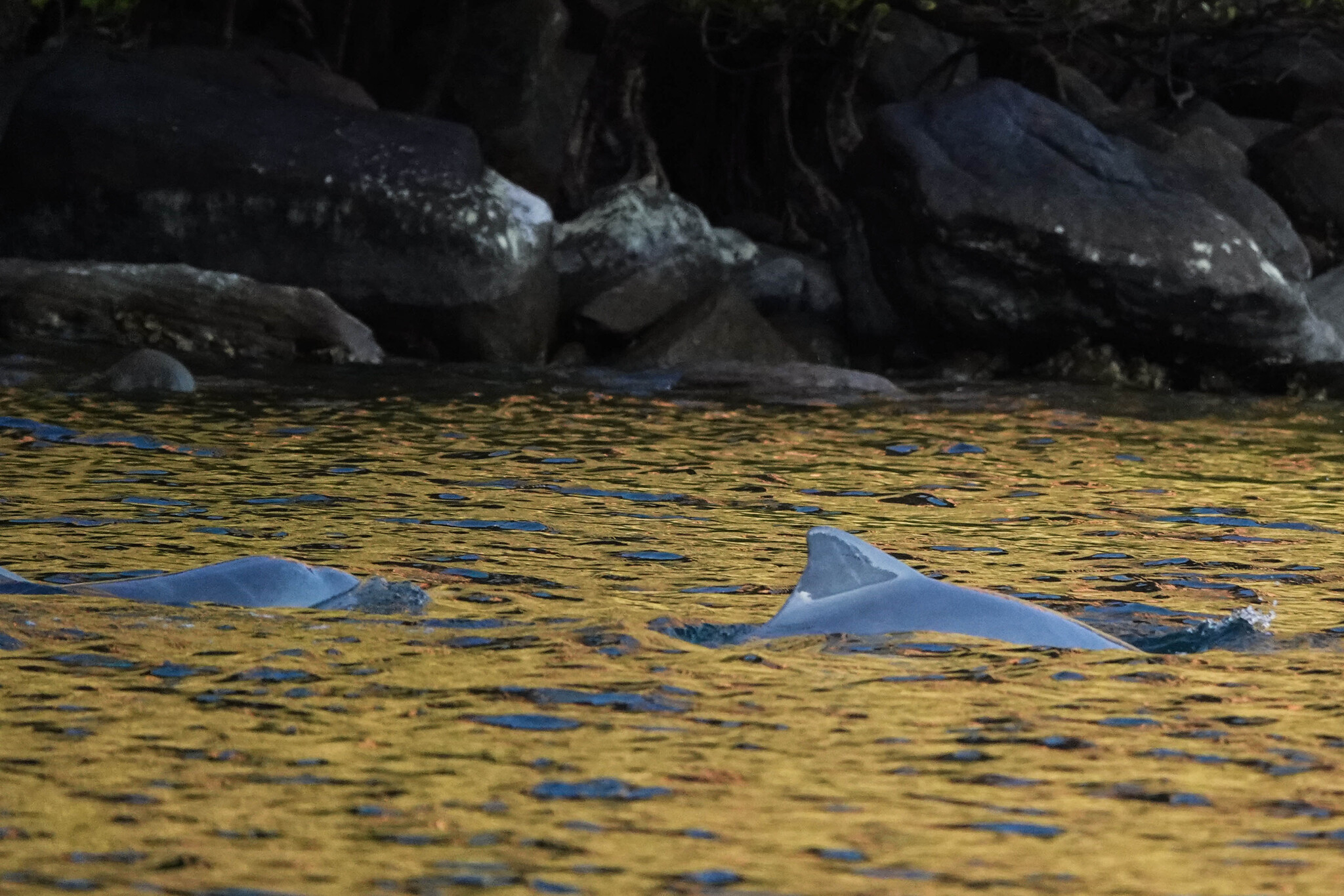
Australian humpback dolphin (Sousa sahulensis)

Key facts
Scientific name Sousa sahulensis Jefferson & Rosenbaum, 2014
Other names Australian humpback dolphin (English); long confused with the Indo-Pacific humpback dolphin (Sousa chinensis), from which it was separated in 2014
Size Adults about 2 to 2.7 m; maximum close to 2.8 m in males and 2.6 m in females; newborn about 1 m
Weight Adults 230 to 260 kg on average, up to about 280 kg in large males; newborn about fifteen kilograms
Longevity At least some thirty years; some sources suggest more than 40 years
Diet Opportunistic piscivore: coastal, estuarine and shallow-reef fish; incidentally cephalopods, rays and crustaceans
IUCN status Vulnerable (VU), criterion C2a(i), assessment published in 2017 by G. Parra, D. Cagnazzi, W. Perrin and G. Braulik. The species is not divided into separately assessed subpopulations.

In brief

The Australian humpback dolphin is the most recent of the four species of the genus Sousa: it was described as a species in its own right only in 2014, on the basis of morphological and genetic differences. Endemic to the shallow coastal waters of the Sahul Shelf, between northern Australia and southern New Guinea, it frequents estuaries, mangroves, seagrass beds and fringing reefs, almost always less than 20 km from shore. Inconspicuous, living in very small isolated populations, it is listed as Vulnerable on the IUCN Red List.

Identification

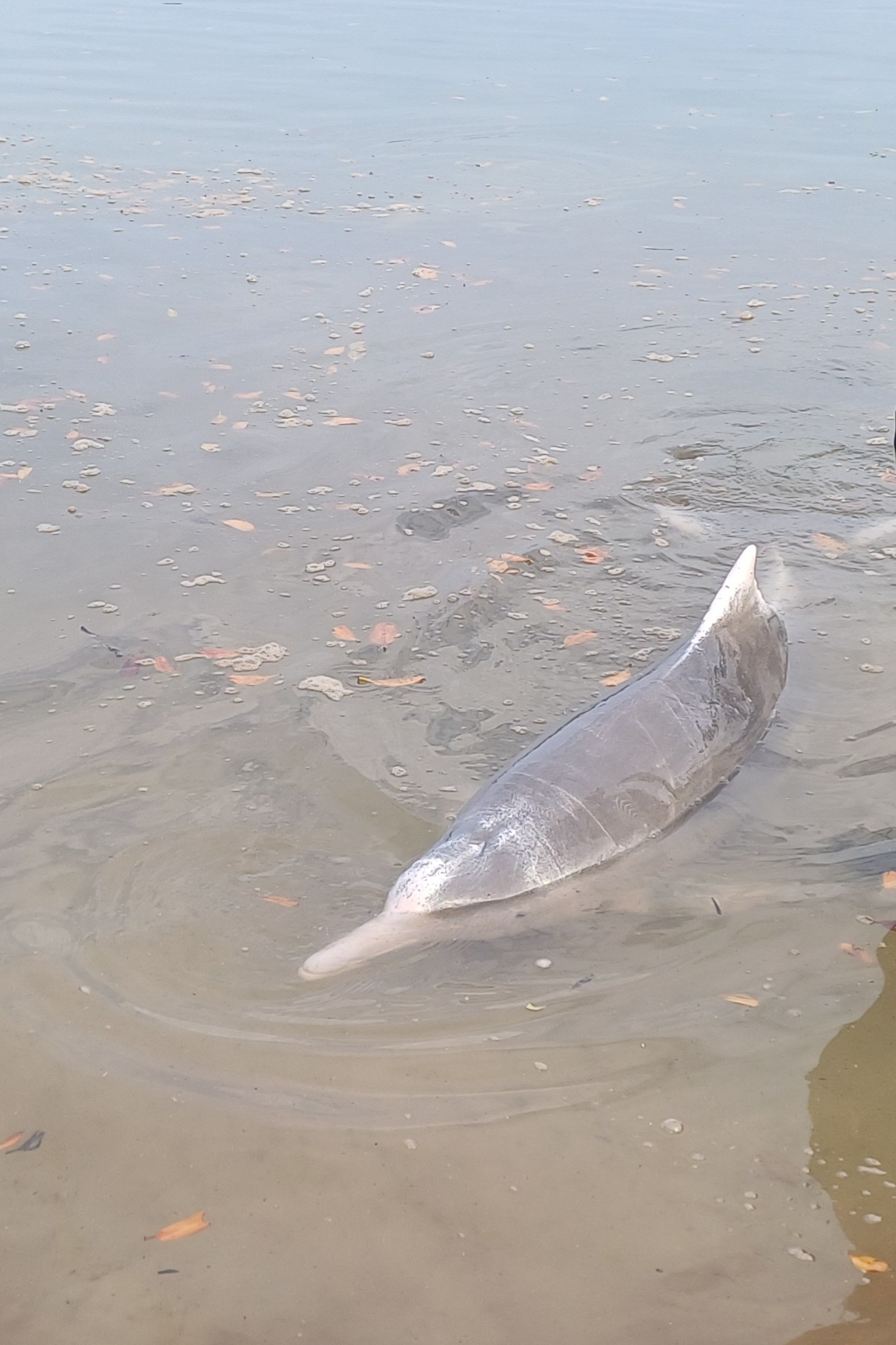
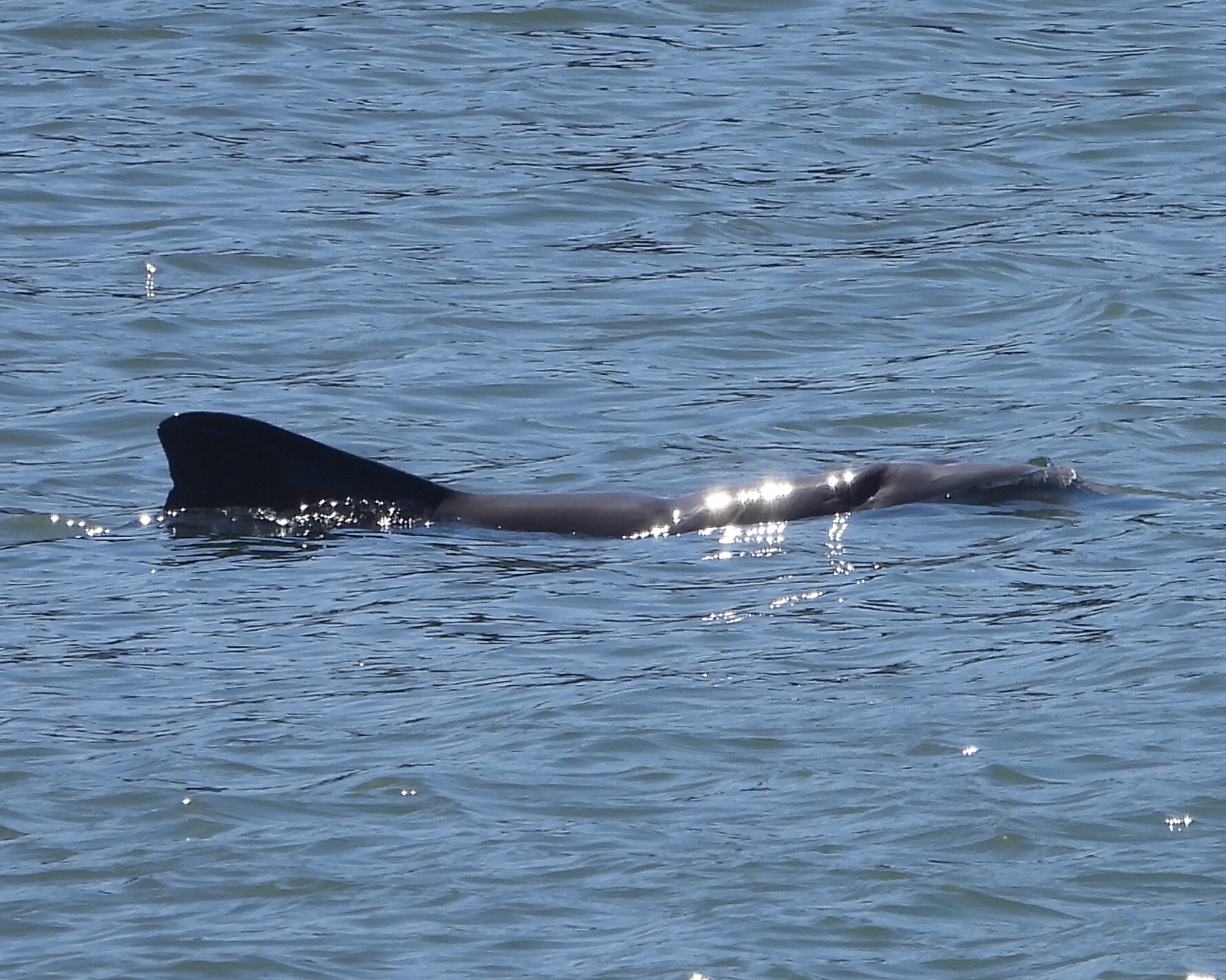
The Australian humpback dolphin is a medium-sized coastal delphinid with a robust build and a long, slender rostrum. Adults most often measure between 2 and 2.7 m, the largest males reaching about 2.8 m for some 280 kg; females remain slightly smaller, around 2.6 m. Newborns are about 1 m long and weigh some fifteen kilograms. The coat is dark grey on the back and lightens gradually on the flanks; an oblique dividing line, known as the “cape line”, runs from the area just above the eye and the neck to the urogenital region, clearly separating the dark back from the paler belly. With age, the animals become covered with white scars and dark speckling on the head, the back, the dorsal fin and the tail stock, which gives old individuals a very characteristic mottled appearance and allows them to be photo-identified.

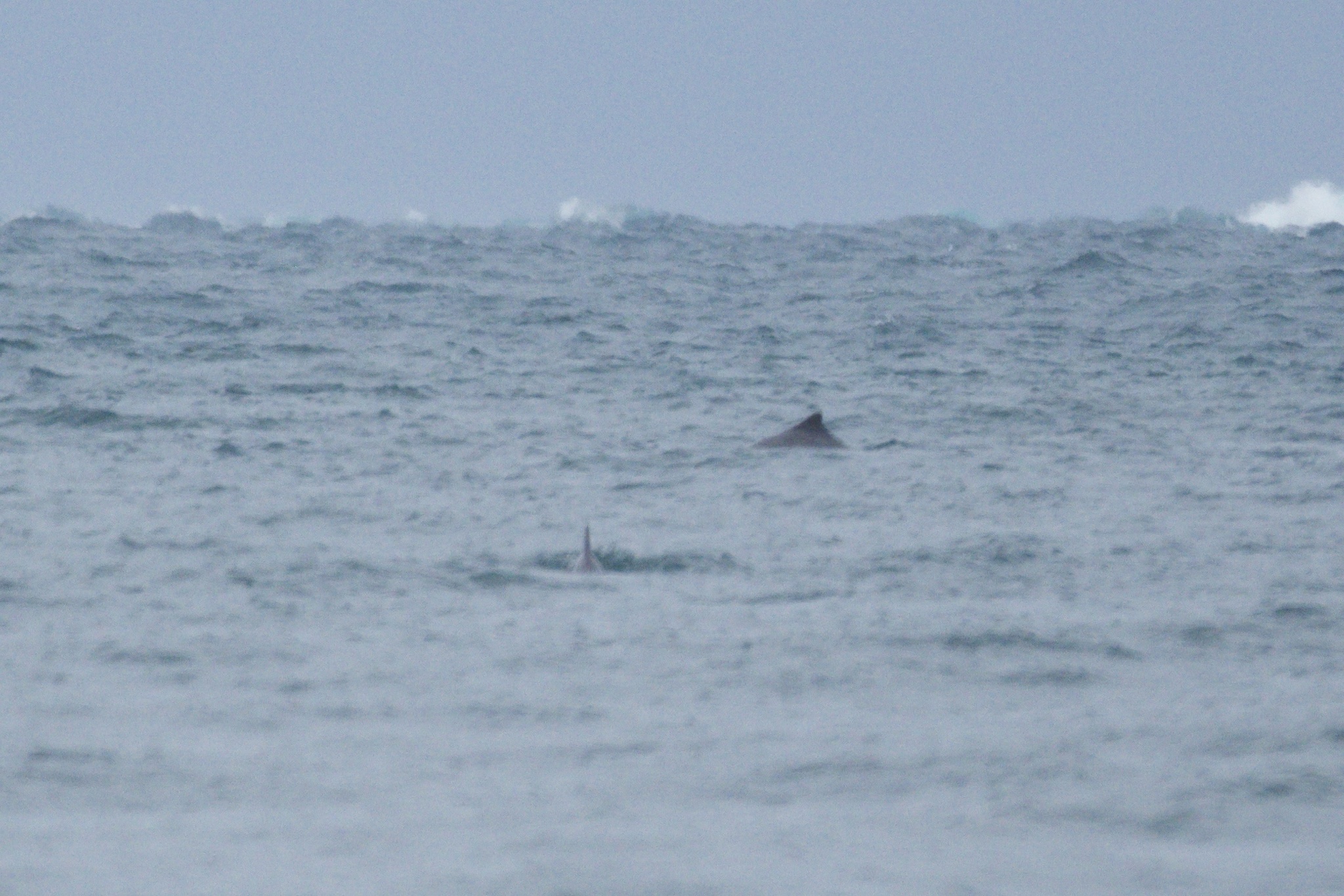
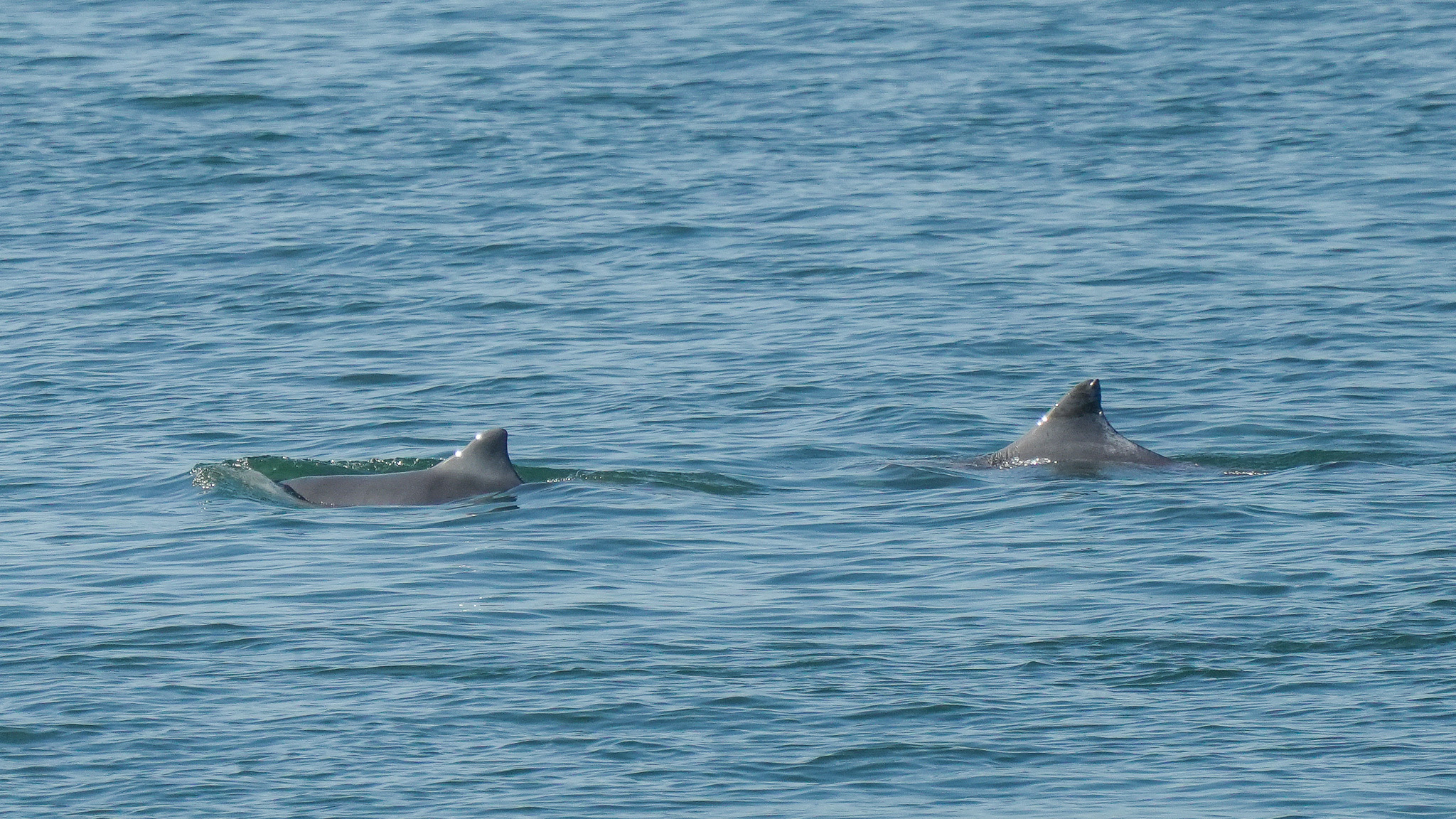
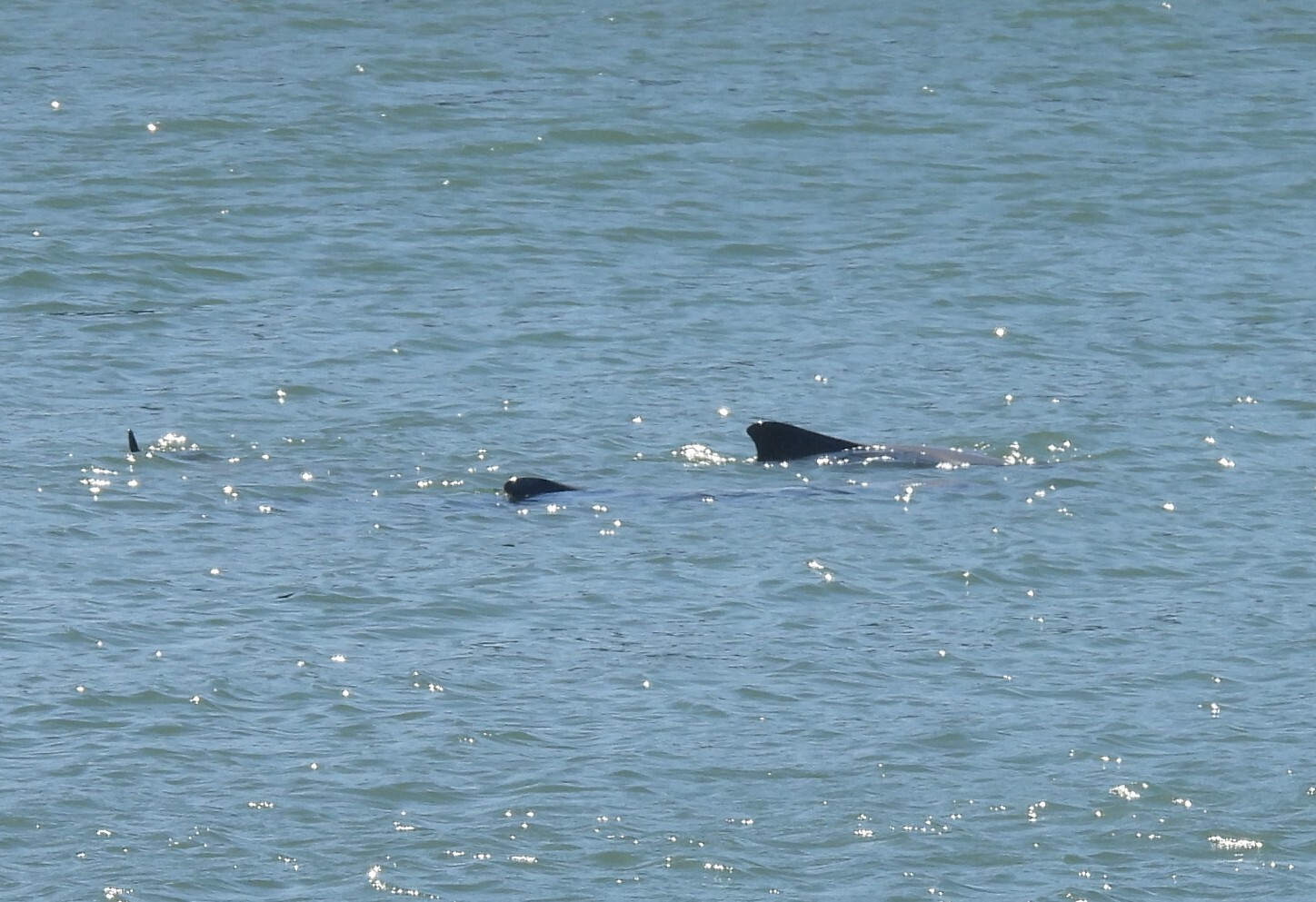
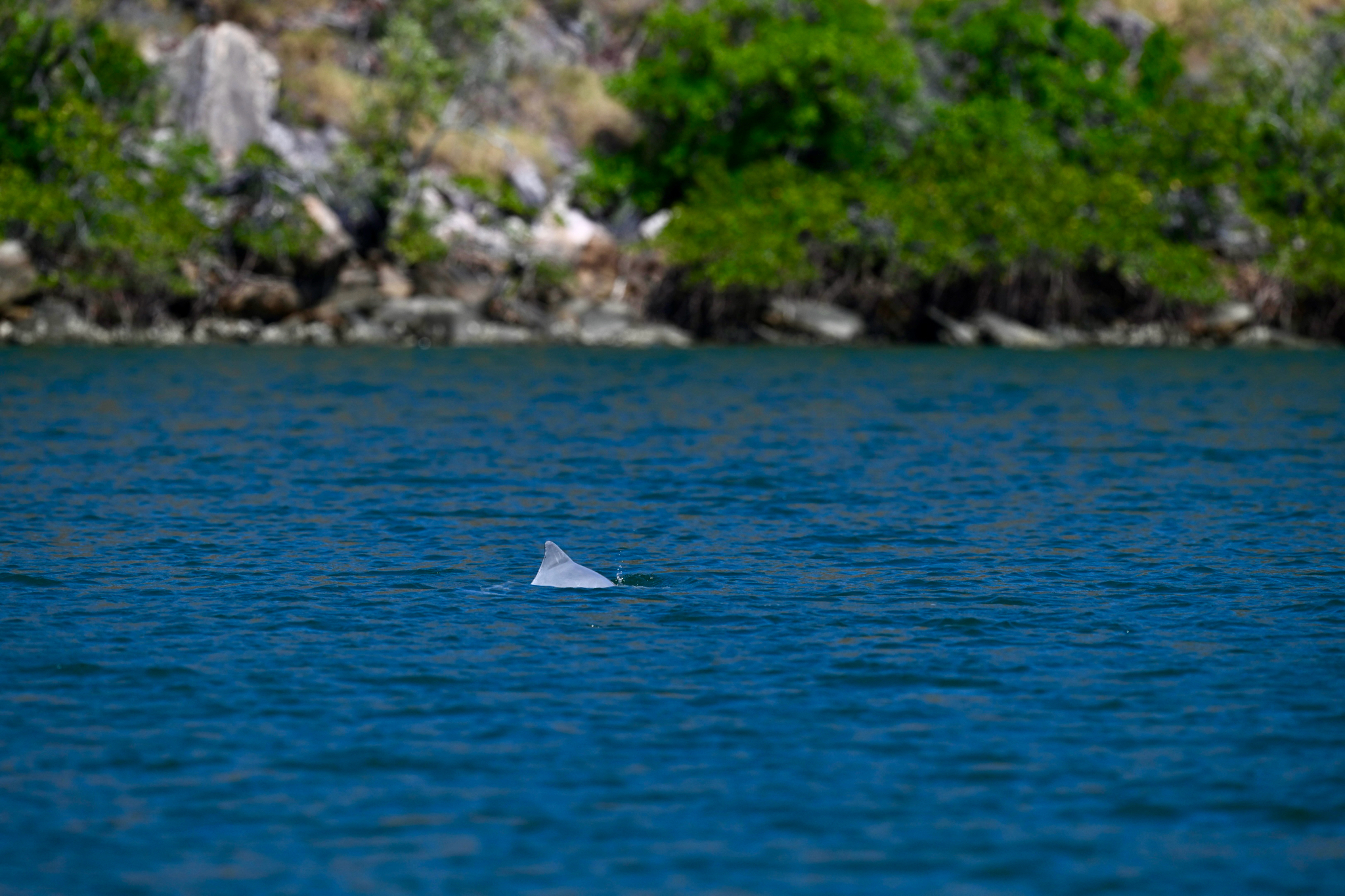
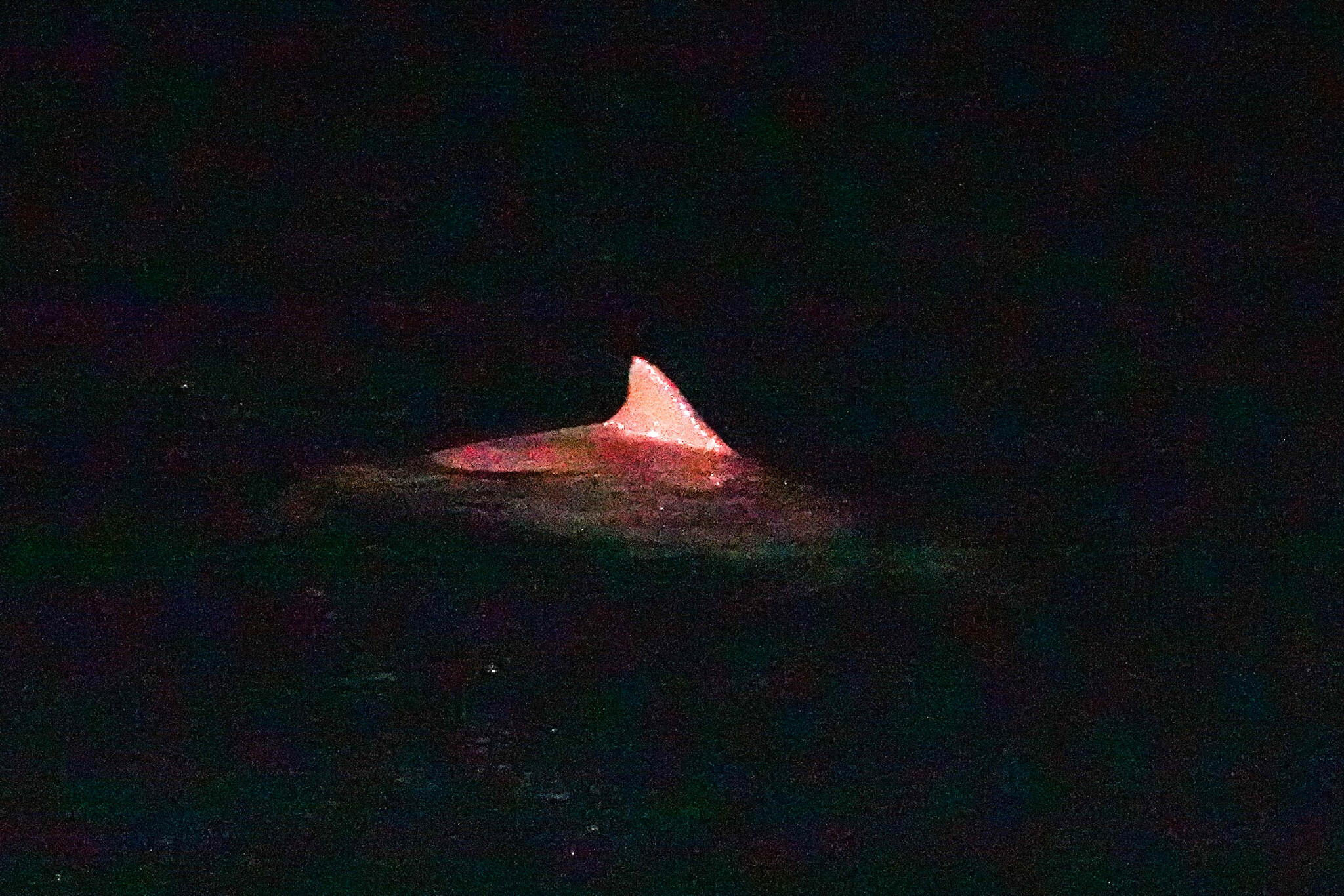
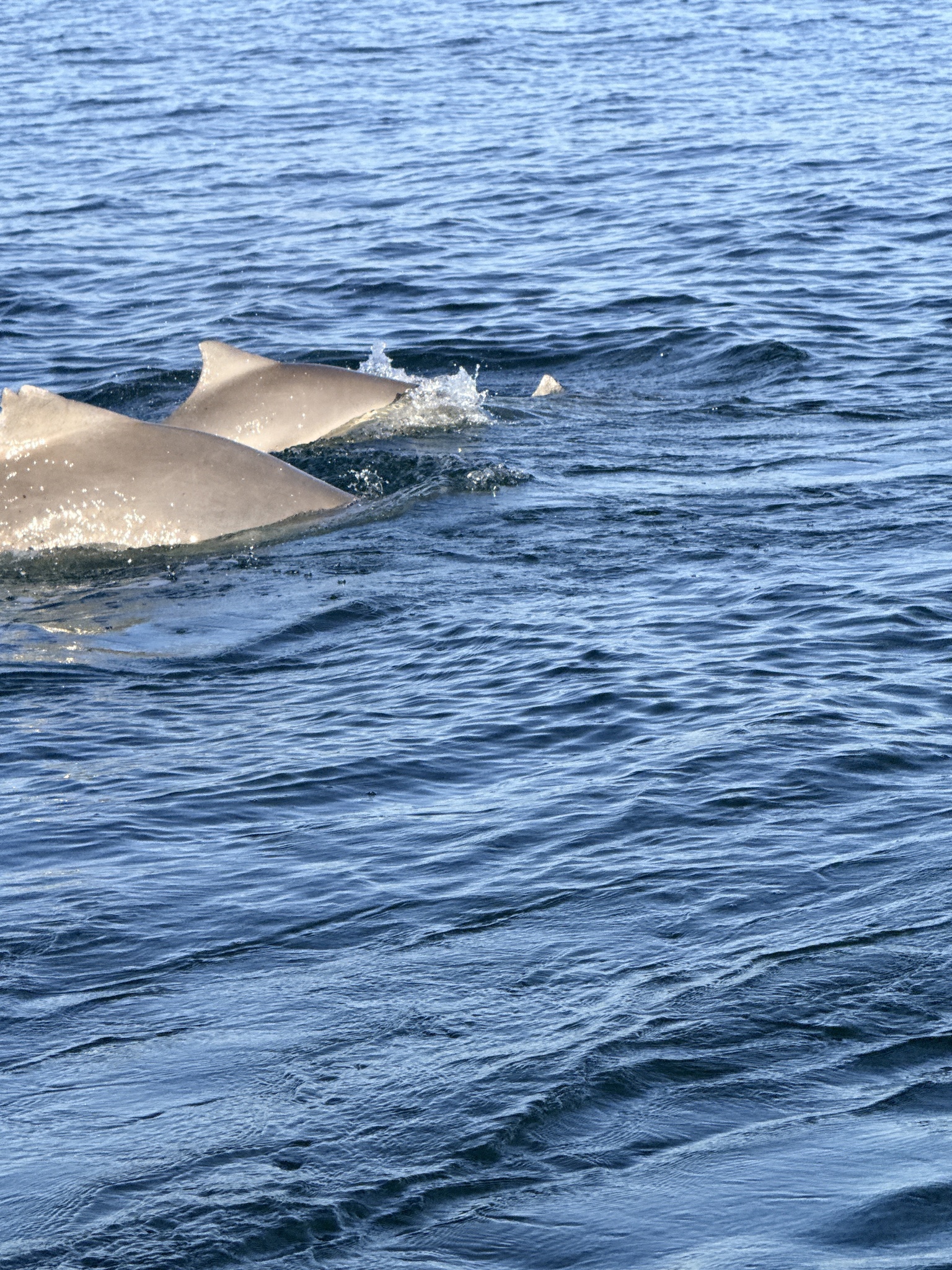
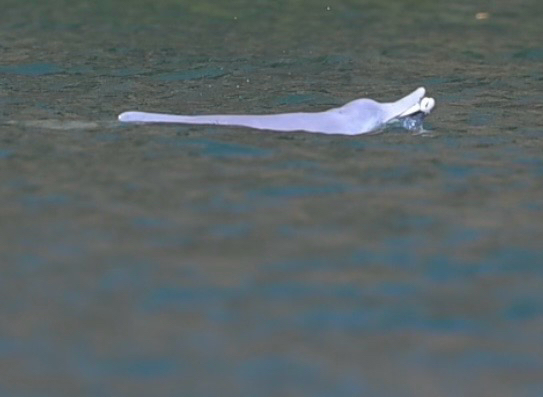
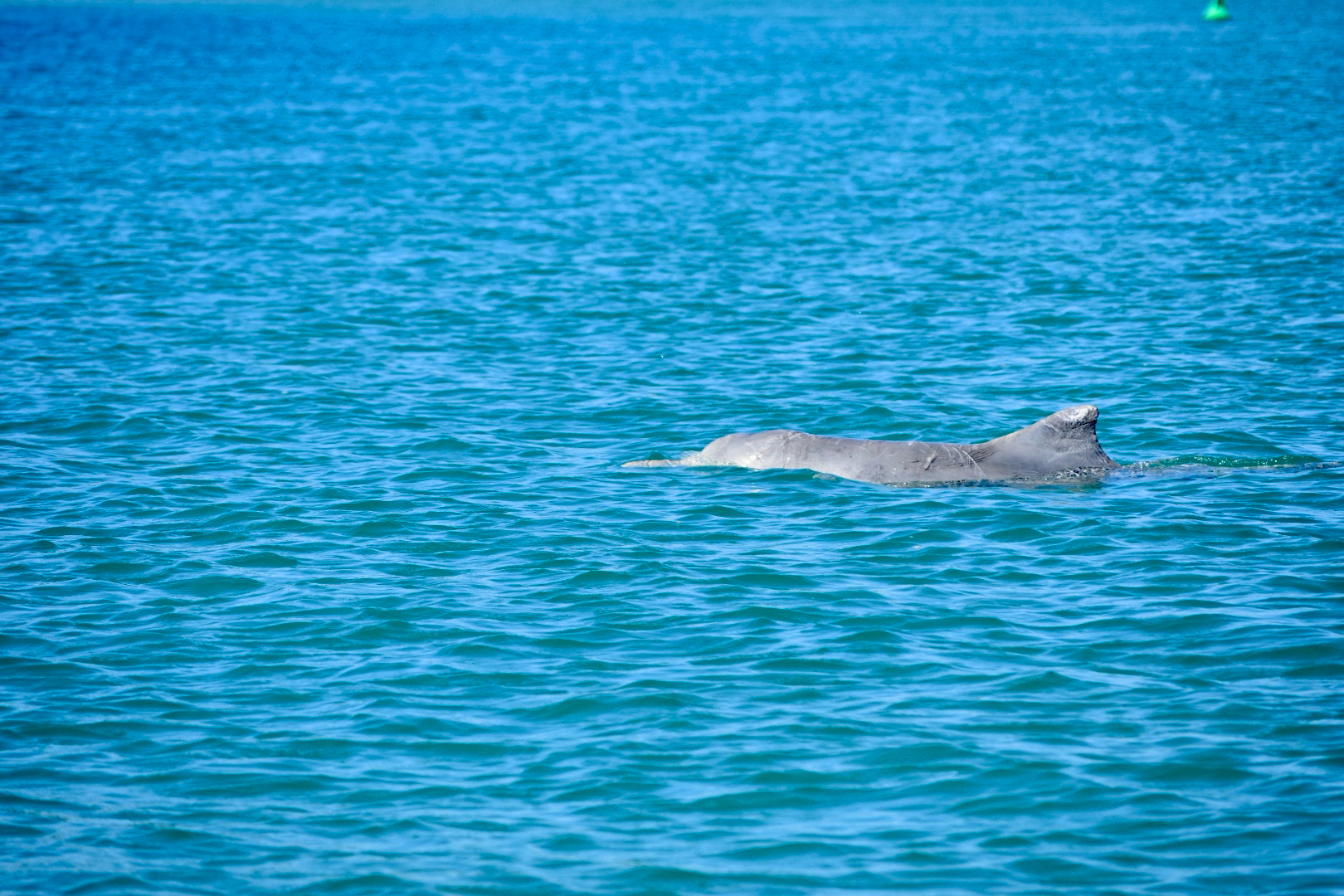
The most useful feature for identification is, paradoxically, the absence of the “hump” that gave the genus its name. In this species, the base of the dorsal fin is only slightly thickened: the fin itself is low, triangular and broad-based, without the elongated, prominent fatty ridge that characterises the Indian Ocean humpback dolphin (Sousa plumbea) or the Atlantic humpback dolphin (Sousa teuszii). The tail stock bears dorsal and ventral keels, as in the other Sousa. At the surface, the animal is recognisable by its slow swimming, its inconspicuous blow and surfacings in which the rostrum often appears before the melon.

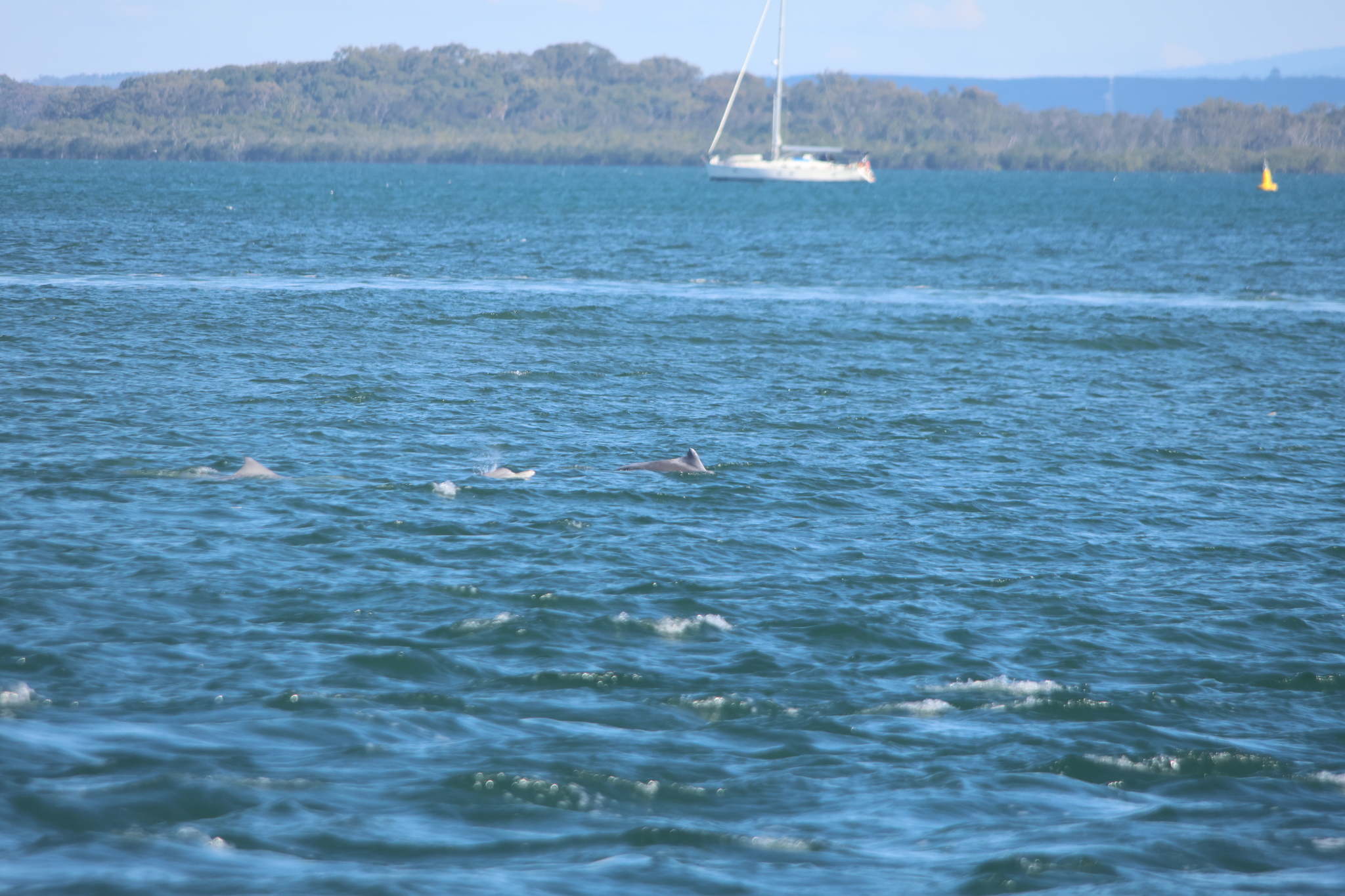
Three confusions are possible in the field. With the Indo-Pacific bottlenose dolphin (Tursiops aduncus), which shares exactly the same coastal waters: that species has a taller and distinctly falcate dorsal fin, a shorter and thicker rostrum, and shows no widened fin base. With the Australian snubfin dolphin (Orcaella heinsohni), which has a rounded forehead, no distinct rostrum and a small rounded fin, the two species frequently occur alongside one another, and interspecific courtship displays have even been observed between them. Finally, with the other humpback dolphins: in practice the question arises only at the western margins of the range, the distribution of Sousa sahulensis being separated from that of Sousa chinensis at the Wallace Line.

Taxonomy

Sousa sahulensis belongs to the family Delphinidae, suborder Odontoceti. The genus Sousa today brings together four species of humpback dolphin: Sousa teuszii (Atlantic, coasts of West Africa), Sousa plumbea (western Indian Ocean), Sousa chinensis (western Indo-Pacific and the China seas) and Sousa sahulensis. Until the early 2010s, most authorities recognised only two species, an Atlantic form and an Indo-Pacific form. A revision based on the joint analysis of morphology and genetics, carried out by researchers from the Wildlife Conservation Society and the American Museum of Natural History, led to four species being recognised. The Australian population was formally described by Thomas A. Jefferson and Howard C. Rosenbaum on 31 July 2014 in the journal Marine Mammal Science. As the species was described from the outset within the genus Sousa, its authority is written without parentheses: Sousa sahulensis Jefferson & Rosenbaum, 2014. It differs from the three other species in the number of teeth and vertebrae, in coloration and in the shape of the dorsal fin, in its disjunct geographical distribution, and in seven unique positions of the mitochondrial DNA together with one position of its own in the nuclear DNA. The specific epithet sahulensis refers to the Sahul Shelf, the submerged continental platform that connects northern Australia to southern New Guinea and that corresponds to the range of the species.

Distribution and habitat

The species is endemic to the Sahul Shelf, east of the Wallace Line. In Australia it occupies the tropical and subtropical coastal fringe from the Exmouth region, in Western Australia, to the border between Queensland and New South Wales, by way of the Northern Territory and the Gulf of Carpentaria. To the north, it is present along the southern coasts of New Guinea: two centres are documented there, the Kikori delta in Papua New Guinea and the Bird’s Head Seascape in West Papua (Indonesia). Over much of this range, the fine-scale distribution and the abundance remain poorly known.

It is a strictly coastal species. It frequents shallow waters, generally less than 20 km from shore and in depths of less than 25 m: river mouths, sandy-bottomed estuaries, tidal channels, mangroves, seagrass beds, sheltered bays and fringing coral reefs. Some individuals move up into the turbid waters of deltas; others frequent the surf zone. Photo-identification studies show strong site fidelity and year-round residence in favourable areas, with movements often limited to a few tens of kilometres.

This species occurs in no French waters. It is absent from the Mediterranean, the Bay of Biscay and the English Channel, and its documented range extends to no French overseas territory: the French Pacific collectivities lie outside the Sahul Shelf and no validated sighting is reported there. The coastal cetaceans that can be watched in mainland France belong to other species, in particular the common bottlenose dolphin and the striped dolphin.

Biology and ecology

The Australian humpback dolphin is an opportunistic, generalist predator. Its diet rests largely on fish from shallow coastal, estuarine and reef habitats, supplemented by cephalopods, rays and, occasionally, crustaceans. It practises a spectacular hunting technique, “strand feeding”: the animals drive shoals of fish towards the top of the beach or onto exposed mudflats and deliberately strand themselves for a few seconds to seize their prey before sliding back towards deeper water. Dives are short, consistent with depths of a few metres to about twenty metres.

Social life is of the fission-fusion type: groups form and break up over the course of the day. The most frequent observations concern lone animals, pairs or small groups of four or five individuals, larger gatherings remaining occasional. The social structure appears to be partly segregated by sex, males forming lasting associations with one another while females maintain broader networks of relationships. The acoustic repertoire combines echolocation clicks, whistles and calls produced singly or in sequences.

Breeding is not strictly seasonal: matings and births are observed throughout the year. Gestation lasts 10 to 12 months and produces a single calf. Lactation continues beyond two years and the mother-calf pair may stay associated until about four years, which leads to an interval between two births estimated at three years, with a range of two to four years depending on the population. Sexual maturity appears to be reached at around 10 to 12 years. Longevity is estimated at a minimum of some thirty years, with certain sources suggesting more than forty. This slow life cycle, late maturity, a single calf, a long interval between births, explains the very low capacity of populations to recover after accidental mortality, even moderate mortality.

Status and conservation

The species is listed as Vulnerable (VU) on the IUCN Red List under criterion C2a(i), in an assessment published in 2017. Three elements underpin this listing: the total number of mature individuals is in all likelihood below 10,000; a continuing decline is inferred from the accumulation of pressures on coastal habitat; and each of the populations studied holds fewer than 1,000 mature individuals. The available abundance estimates are indeed very low, ranging from about fifteen to a little over two hundred animals depending on the area, each monitored unit remaining well below the threshold of 1,000 mature individuals. Genetic work also shows small and relatively isolated local units, with little exchange between them, a configuration that makes each population vulnerable to accidental removals even very limited ones.

The threats are typical of coastal cetaceans in warm waters. Bycatch in gillnets and in the shark nets deployed to protect bathers is the best-documented direct mortality. To this are added the loss and degradation of habitat linked to coastal urbanisation, port development and dredging, ship strikes, chemical pollution and waste, the scarcity of prey and the effects of climate change on mangroves, seagrass beds and reefs.

In regulatory terms, the species is listed on Appendix I of CITES, which prohibits international trade for commercial purposes, and, since 2024, on Appendix II of the Convention on Migratory Species. In Australia it benefits from national and regional protection, in particular under the Environment Protection and Biodiversity Conservation Act 1999, the federal law that protects all cetaceans in the Australian Whale Sanctuary, and under the Queensland Nature Conservation Act 1992. Several Important Marine Mammal Areas (IMMAs) have been identified within its range, such as the Mapoon-Aurukun area on the western coast of Cape York, where 183 to 230 humpback dolphins were counted between 2014 and 2018 over about 1,000 km².

Watching this species

Watching is confined to the Australian and New Guinean range, and is almost always done from the shore, a small boat or a kayak, in often turbid waters less than 20 m deep: sheltered bays, estuaries, mangrove channels, the surroundings of fringing reefs. Northern Queensland, the Gulf of Carpentaria, the Northern Territory and the northern coast of Western Australia account for most sightings. The animals are present all year round in the areas where they are resident; periods of calm sea and light wind remain the most favourable, because the low dorsal fin and the inconspicuous blow are hard to pick out in a chop.

The species has a reputation for being wary and readily avoids boats, which calls for a particularly cautious approach. It is best to cross the animals’ path as little as possible, to keep a distance, to reduce speed and to leave the initiative for contact to the dolphins, moving away without delay from groups that include calves. The waters the species frequents are also those where net fishing is practised: reporting any entangled or injured animal to the local marine wildlife management authorities is useful. Photographs of dorsal fins, widely usable thanks to individual scars and speckling, feed the photo-identification catalogues that constitute the main source of knowledge about these populations.

Frequently asked questions

Why is it called a “humpback dolphin” when it has almost no hump?

The name comes from the genus Sousa as a whole: in the Indian Ocean humpback dolphin and the Atlantic humpback dolphin, the dorsal fin sits on a very visible elongated fatty ridge. In the Australian species, this hump is reduced to a simple thickening of the base of a low, triangular, broad-based fin. That is precisely one of the characters that led to it being recognised as a distinct species.

When was this species recognised?

It was described by Thomas A. Jefferson and Howard C. Rosenbaum on 31 July 2014 in the journal Marine Mammal Science, following a revision of the genus Sousa combining morphology and genetics. As it was described from the outset within the genus Sousa, its full scientific name is written without parentheses around the authority: Sousa sahulensis Jefferson & Rosenbaum, 2014. The animals of northern Australia were previously assigned to the Indo-Pacific humpback dolphin, Sousa chinensis.

What exactly is its conservation status?

It is listed as Vulnerable (VU) on the IUCN Red List under criterion C2a(i), in an assessment published in 2017. This status reflects a total number of mature individuals probably below 10,000, a continuing decline inferred from pressures on habitat, and local populations all below 1,000 mature individuals.

How is it protected in Australia?

At federal level, the Environment Protection and Biodiversity Conservation Act 1999 protects all cetaceans in the Australian Whale Sanctuary. At state level, regional texts are added, such as the Queensland Nature Conservation Act 1992. The species is also on Appendix I of CITES and, since 2024, on Appendix II of the Convention on Migratory Species.

Can it be seen in French waters?

No. The species is strictly endemic to the Sahul Shelf, between northern Australia and southern New Guinea. It is absent from the Mediterranean, the Bay of Biscay and the English Channel, and no validated sighting is reported in the waters of the French overseas territories.

How can it be told apart from the Indo-Pacific bottlenose dolphin, with which it shares the same bays?

The Indo-Pacific bottlenose dolphin has a markedly taller dorsal fin, clearly curved like a sickle, on a narrow base, and its rostrum is shorter and thicker. The Australian humpback dolphin shows a low, triangular fin set on a widened base, a long and slender rostrum and, in older adults, a mottled look of pale scars and dark speckling.

What are the main threats it faces?

Bycatch in gillnets and in the shark nets used to protect bathers, the loss and degradation of coastal habitats linked to urbanisation, ports and dredging, ship strikes, chemical pollution, the scarcity of prey and climate change. The small size and the genetic isolation of the populations amplify the effect of each of these pressures.

Sources

Profile compiled from authoritative scientific sources (IUCN, NOAA Fisheries, specialist literature) and reviewed for factual accuracy.

Observed distribution

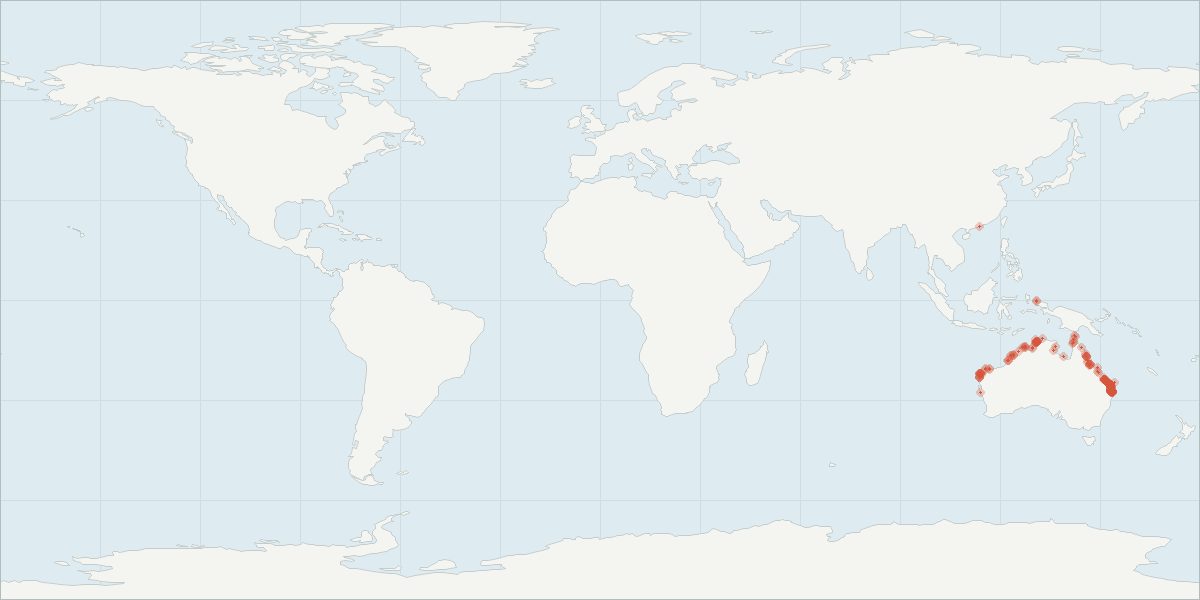
According to the open data of the GBIF, 305 georeferenced sightings of Sousa sahulensis are recorded in our photographic index.

Main countries of observation
CountryNotes
Australia300
Indonesia4
China1

Distribution map: Australian humpback dolphin (Sousa sahulensis)

Distribution map: Australian humpback dolphin (Sousa sahulensis), 305 georeferenced sightings from GBIF
305 georeferenced sightings of Sousa sahulensis. Base map Natural Earth, public domain. GBIF data.
🗺️ Open the interactive mapTo zoom and pan. It uses the OpenStreetMap/CARTO base maps and the GBIF occurrence densities: no data is sent to these services before you click.

Presence through the year

Monthly distribution of 305 dated sightings (all years combined): the maximum is reached in August.

420janvier : 20janfévrier : 15febmars : 19maravril : 27avrmai : 15maijuin : 30juinjuillet : 39juilaoût : 42Augustseptembre : 42sepoctobre : 26octnovembre : 13novdécembre : 17dec
Sightings by month
MonthNotes
janvier20
February15
mars19
avril27
mai15
juin30
juillet39
August42
septembre42
octobre26
novembre13
December17

These figures reflect survey effort (more boaters and more surveys in summer) as much as the actual presence of the species: to be interpreted with caution.

En images

Sousa sahulensis
© Ben Ackerley, CC BY-NC, 2026
Sousa sahulensis
© Brendan Murtha, CC BY-NC, 2026
Sousa sahulensis
© Hendrik McCarthy, CC BY-NC, 2026
Sousa sahulensis
© leekelai, CC BY-NC, 2026
Sousa sahulensis
© guillaumecalcagni, CC BY-NC, 2026
Sousa sahulensis
© Lucas Martins, CC BY-NC, 2026
Sousa sahulensis
© James H, CC BY, 2026
Sousa sahulensis
© leekelai, CC BY-NC, 2026
Sousa sahulensis
© Allison Xiong, CC BY-NC, 2026
Sousa sahulensis
© Cornelia McCarthy, CC BY-NC, 2026
Sousa sahulensis
© Noa, CC BY-NC, 2026
Sousa sahulensis
© guillaumecalcagni, CC BY-NC, 2026

Photographs from GBIF under a Creative Commons licence. The author and the licence of each photograph are given; please respect them if you reuse them.

Scientific references

  1. Parra G., Cagnazzi D. (2016) Conservation Status of the Australian Humpback Dolphin (Sousa sahulensis) Using the IUCN Red List Criteria, Advances in Marine Biology
  2. Weijs L., Vijayasarathy S., Villa C., Neugebauer F. et al. (2016) Screening of organic and metal contaminants in Australian humpback dolphins (Sousa sahulensis) inhabiting an urbanised embayment, Chemosphere
  3. Christie A., Colefax A., Cagnazzi D. (2021) Feasibility of Using Small UAVs to Derive Morphometric Measurements of Australian Snubfin (Orcaella heinsohni) and Humpback (Sousa sahulensis) Dolphins, Remote Sensing
  4. de Freitas M., Jensen F., Tyne J., Bejder L. et al. (2015) Echolocation parameters of Australian humpback dolphins (Sousa sahulensis) and Indo-Pacific bottlenose dolphins (Tursiops aduncus) in the wild, The Journal of the Acoustical Society of America
  5. Brown A., Bejder L., Parra G., Cagnazzi D. et al. (2016) Sexual Dimorphism and Geographic Variation in Dorsal Fin Features of Australian Humpback Dolphins, Sousa sahulensis, Advances in Marine Biology
  6. Hawkins E., Pogson‐Manning L., Jaehnichen C., Meager J. et al. (2019) Social dynamics and sexual segregation of Australian humpback dolphins (Sousa sahulensis) in Moreton Bay, Queensland, Marine Mammal Science
  7. Beasley I., Jedensjö M., Wijaya G., Anamiato J. et al. (2016) Observations on Australian Humpback Dolphins (Sousa sahulensis) in Waters of the Pacific Islands and New Guinea, Advances in Marine Biology
  8. Meager J., Hawkins E., Ansmann I., Parra G. et al. (2018) Long-term trends in habitat use and site fidelity by Australian humpback dolphins Sousa sahulensis in a near-urban embayment, Marine Ecology Progress Series

Automatic selection of the most cited works mentioning the species (source: Crossref).