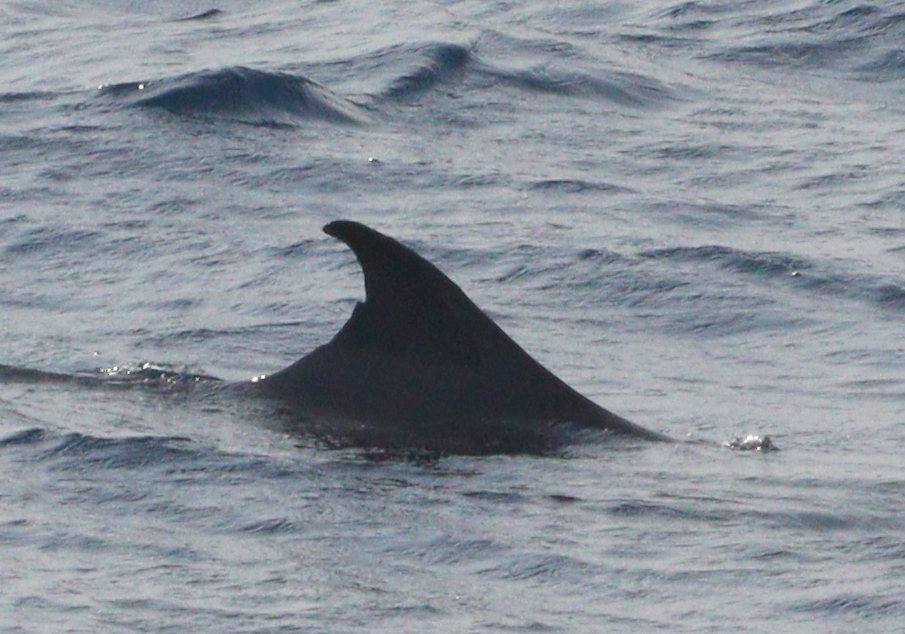
Dwarf sperm whale (Kogia sima)

Key facts
Scientific name Kogia sima (Owen, 1866)
Other names Originally described under the name Physeter (Euphysetes) simus and long spelled Kogia simus. French: cachalot nain; Spanish: cachalote enano; German: Kleinpottwal; Italian: cogia di Owen. At sea, sightings that cannot be assigned to either of the two species in the genus are recorded as “Kogia sp.”.
Size Adult: up to about 2.7 m (largest female measured 274.3 cm; largest male 260.4 cm). Newborn: about 1.03 m. Weaning between 1.3 and 1.5 m.
Weight Up to about 280 kg in adults (most often of the order of 135 to 275 kg); about 14 kg at birth.
Longevity Maximum recorded ages: 22 years in females and 17 years in males. Physical maturity reached at about 13 years in females (249 cm) and 15 years in males (264 cm).
Diet Mainly deep-water cephalopods (prey identified in 15 families), supplemented by fish (16 families), crustaceans and occasionally salps; prey taken essentially by suction, probably near the bottom.
IUCN status Least Concern (LC), 2020 assessment by Kiszka & Braulik (IUCN Red List, e.T11048A50359330). Population trend unknown; no global abundance estimate; no subpopulation assessed separately.

In brief

The dwarf sperm whale is the smallest of all the sperm whales: barely 2.7 m and under 300 kg as an adult, with a bulky body and a squared-off head that give it, in profile, the look of a shark. Unobtrusive, often solitary and a deep diver, it occurs over the continental slope and in the offshore waters of tropical and warm temperate seas worldwide. Listed as “Least Concern” on the IUCN Red List since the 2020 assessment, it remains one of the most poorly known cetaceans, documented above all through strandings.

Identification

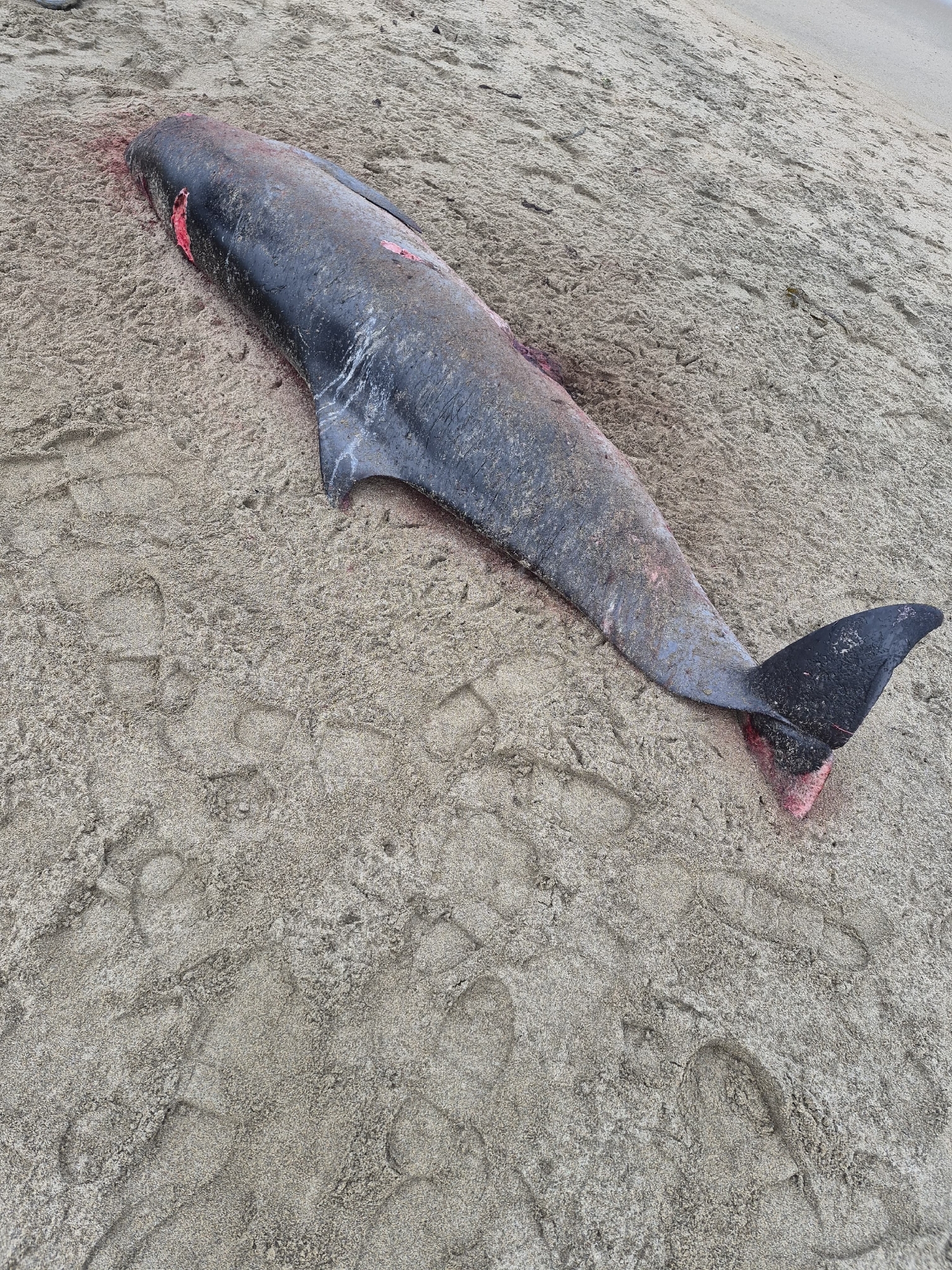
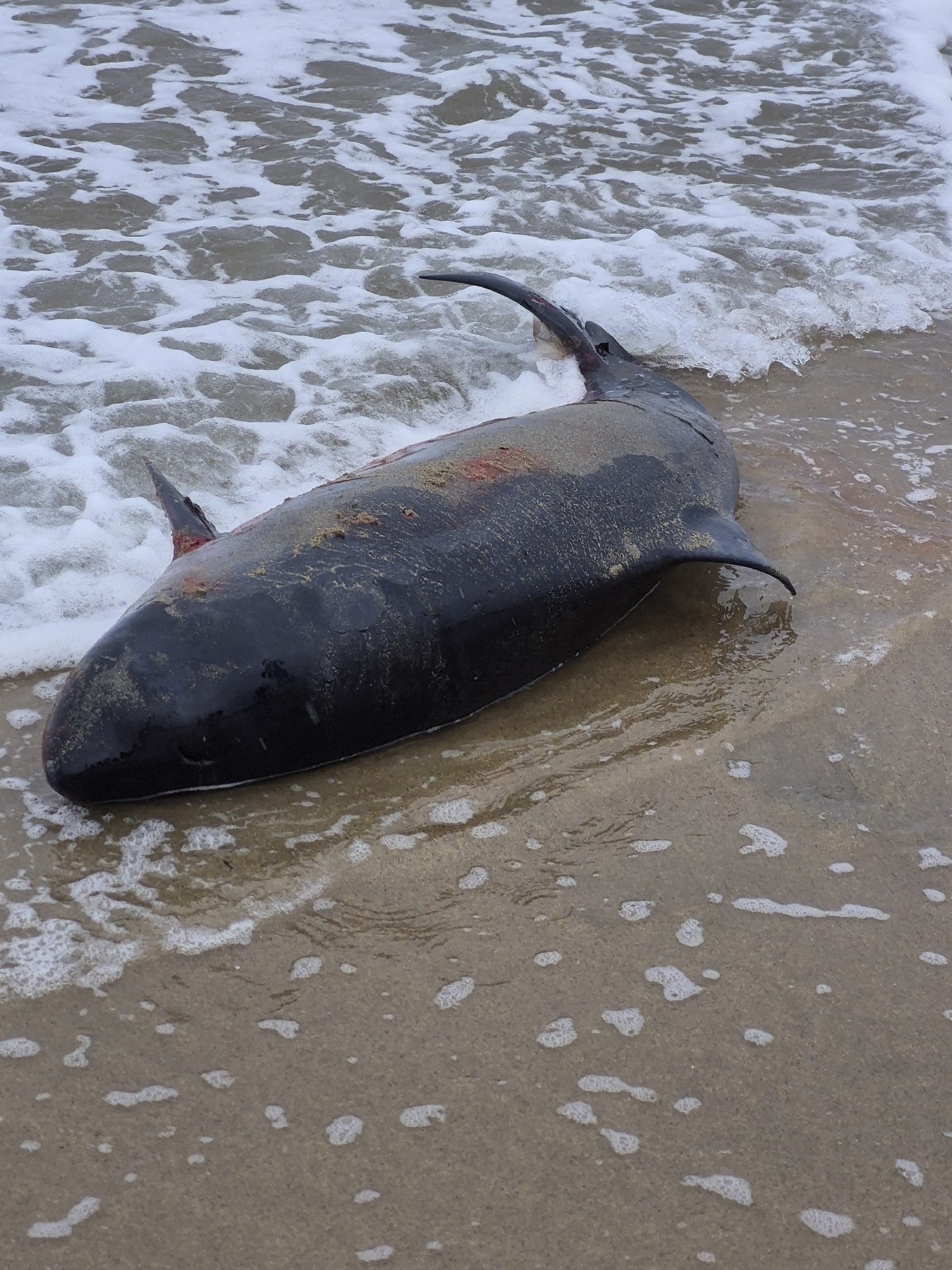
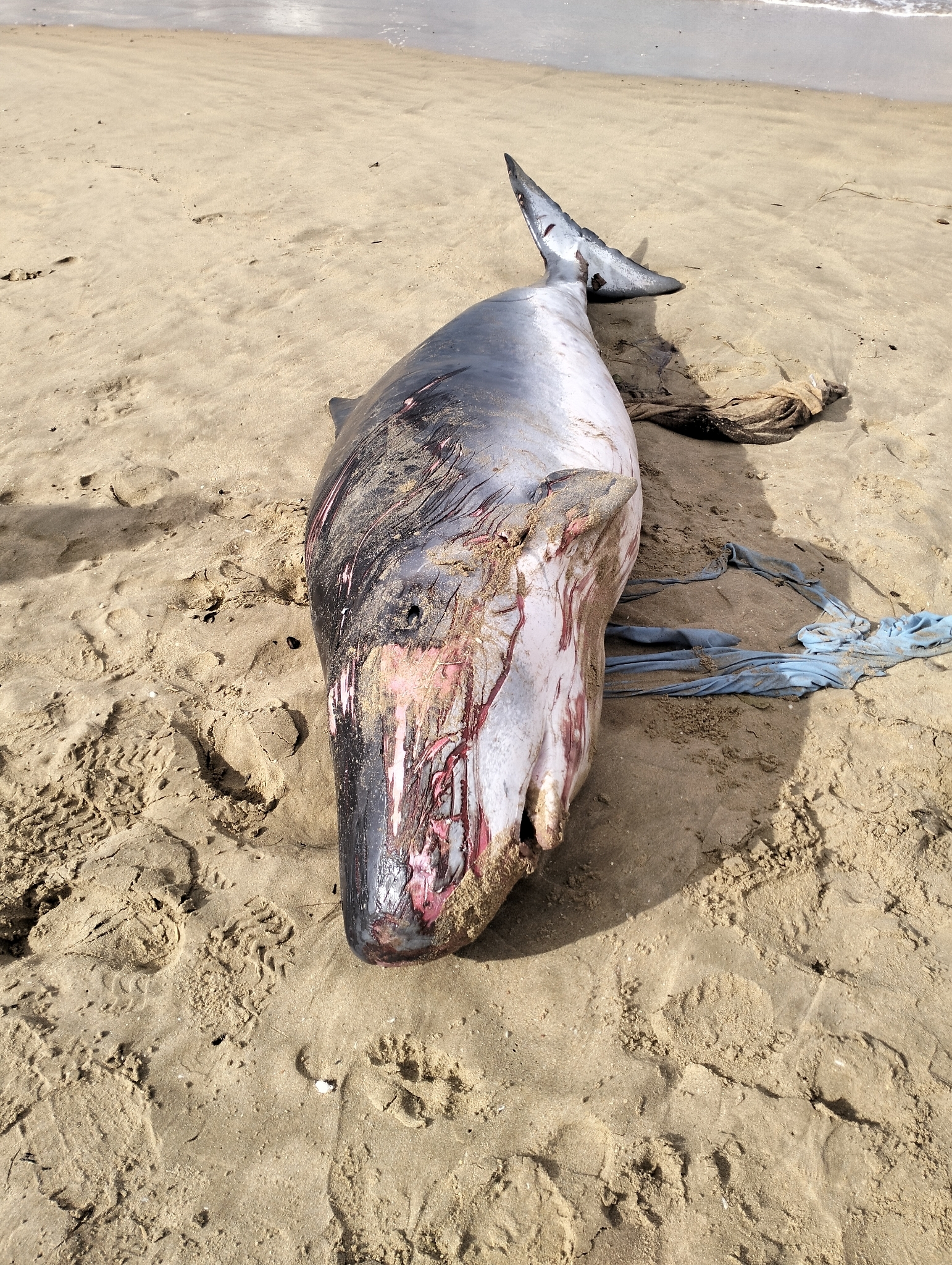
The dwarf sperm whale reaches a maximum of about 2.7 m: the largest female measured 274.3 cm and the largest male 260.4 cm, for a mass that scarcely exceeds 280 kg. The body is very thick at the front and tapers rapidly towards the tail, whose peduncle is elongated and laterally compressed. The head is short, squared and almost truncated, the epithet sima in fact meaning “flat-nosed or snub-nosed” in Latin, and the small lower jaw, set well back beneath the snout, completes the shark-like profile. The single blowhole is slightly offset to the left, a feature of all sperm whales. The flippers, convex and ending in a blunt point, are set very far forward on the body; the dorsal fin is falcate, relatively tall and placed towards the middle of the back.

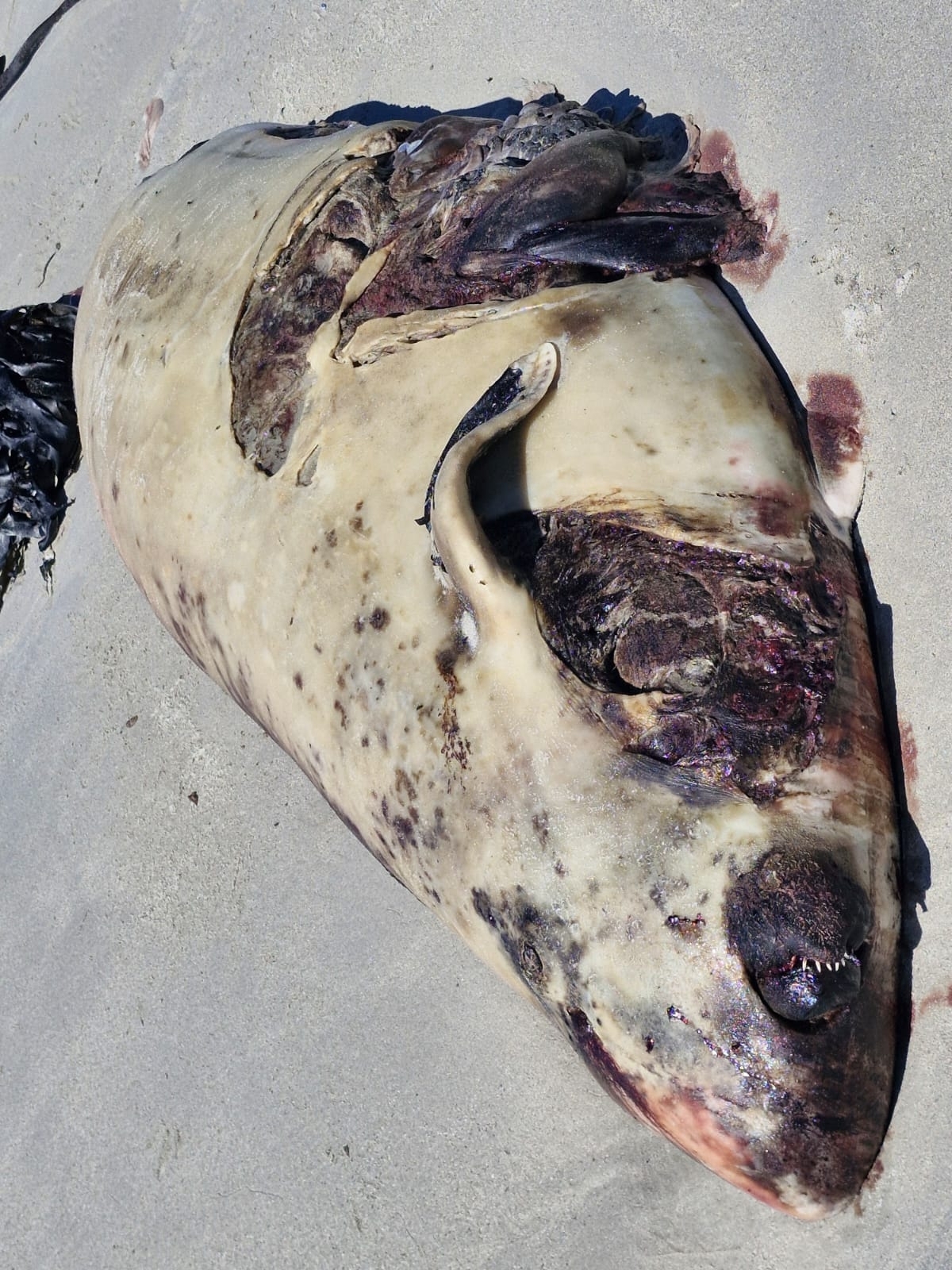
The skin, finely wrinkled in appearance, is dark grey above, lightening on the flanks and becoming white on the belly. The most distinctive feature is a pale crescent-shaped mark on the side of the head, between the eye and the flipper, known as the “false gill” because it recalls the gill cover of a fish. The dentition is reduced: 7 to 12 pairs of slender, sharp teeth curving backwards in the lower jaw (13 pairs have been reported), to which zero to six teeth in the upper jaw may be added. Short throat grooves are sometimes visible on the underside of the throat.

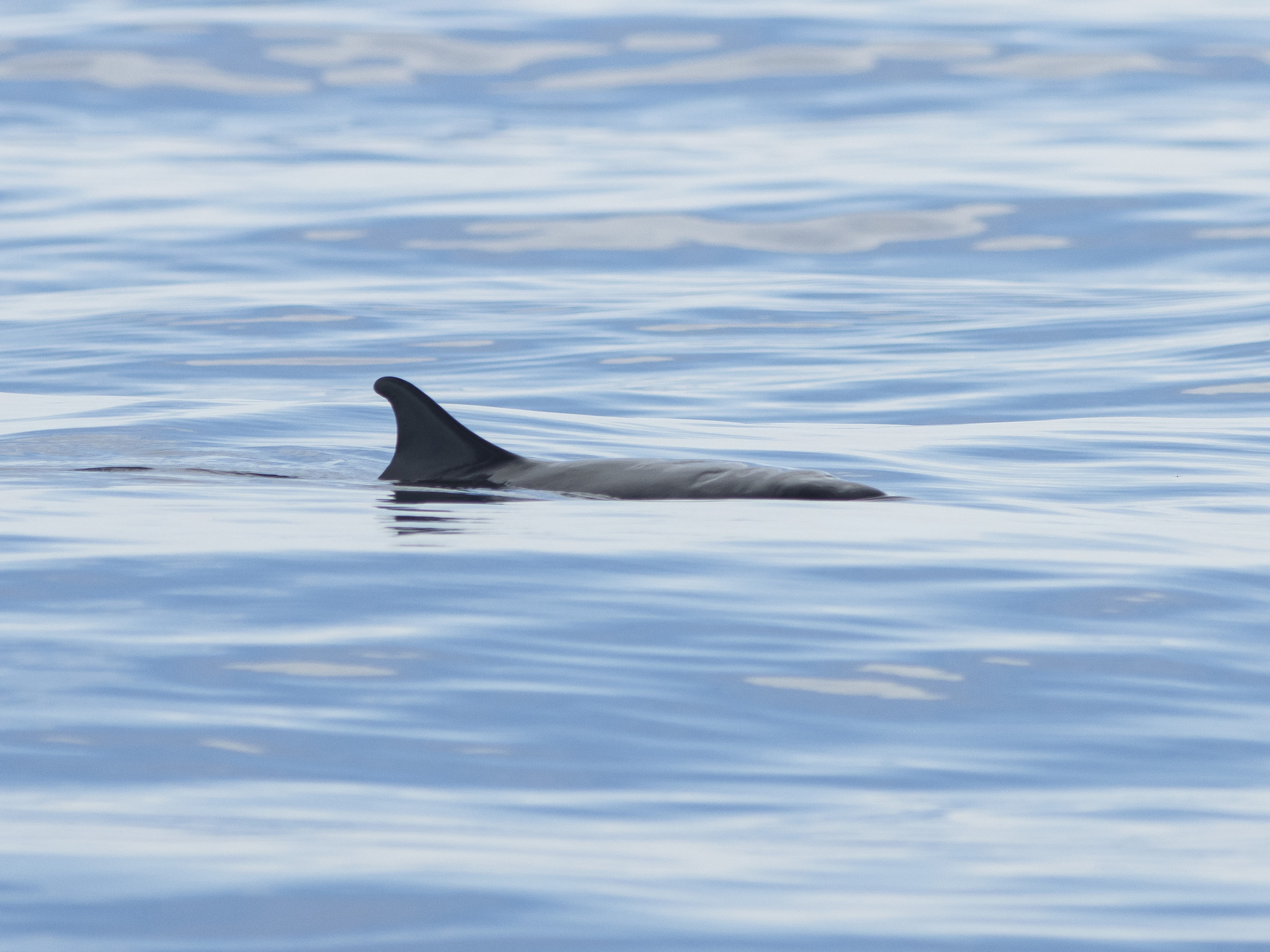
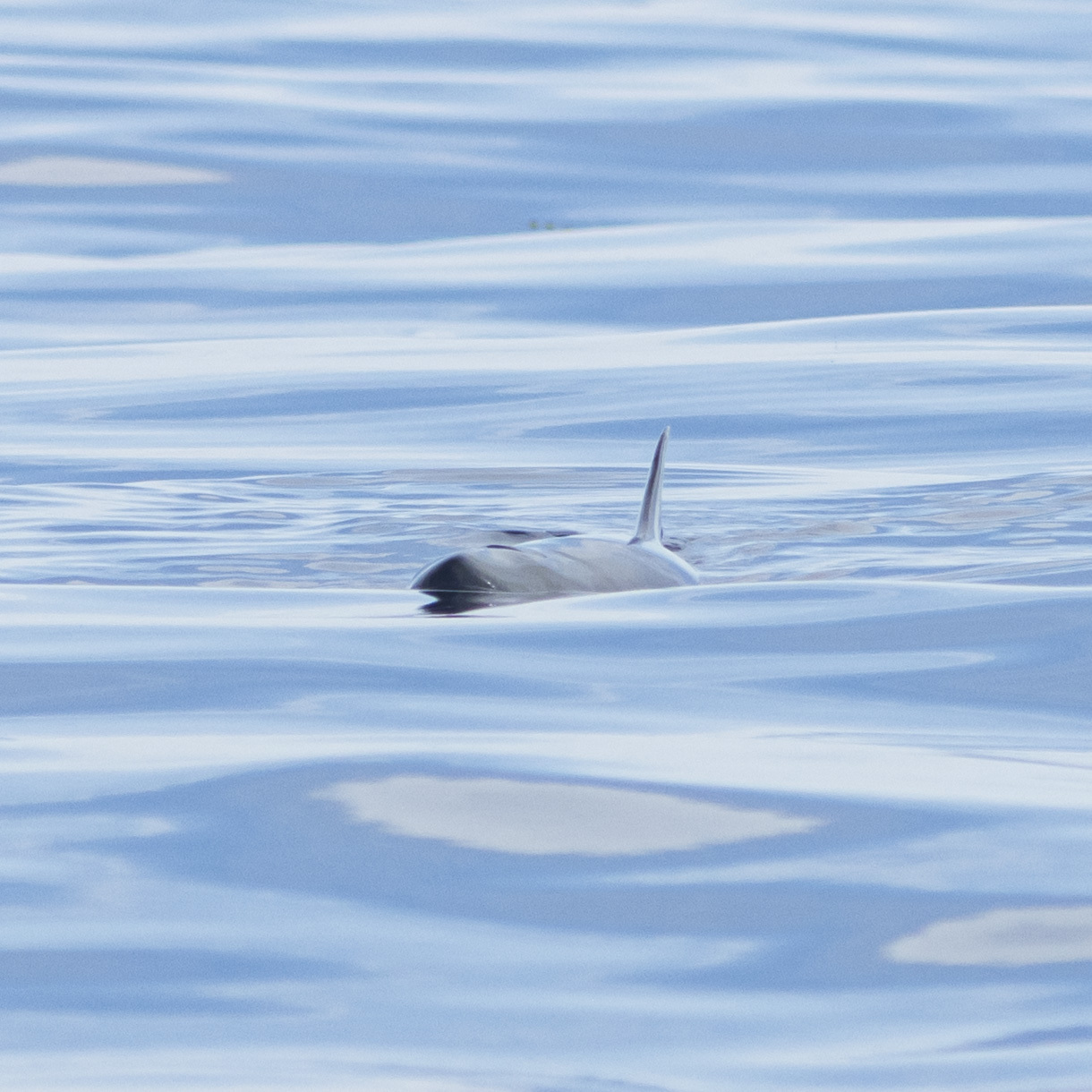
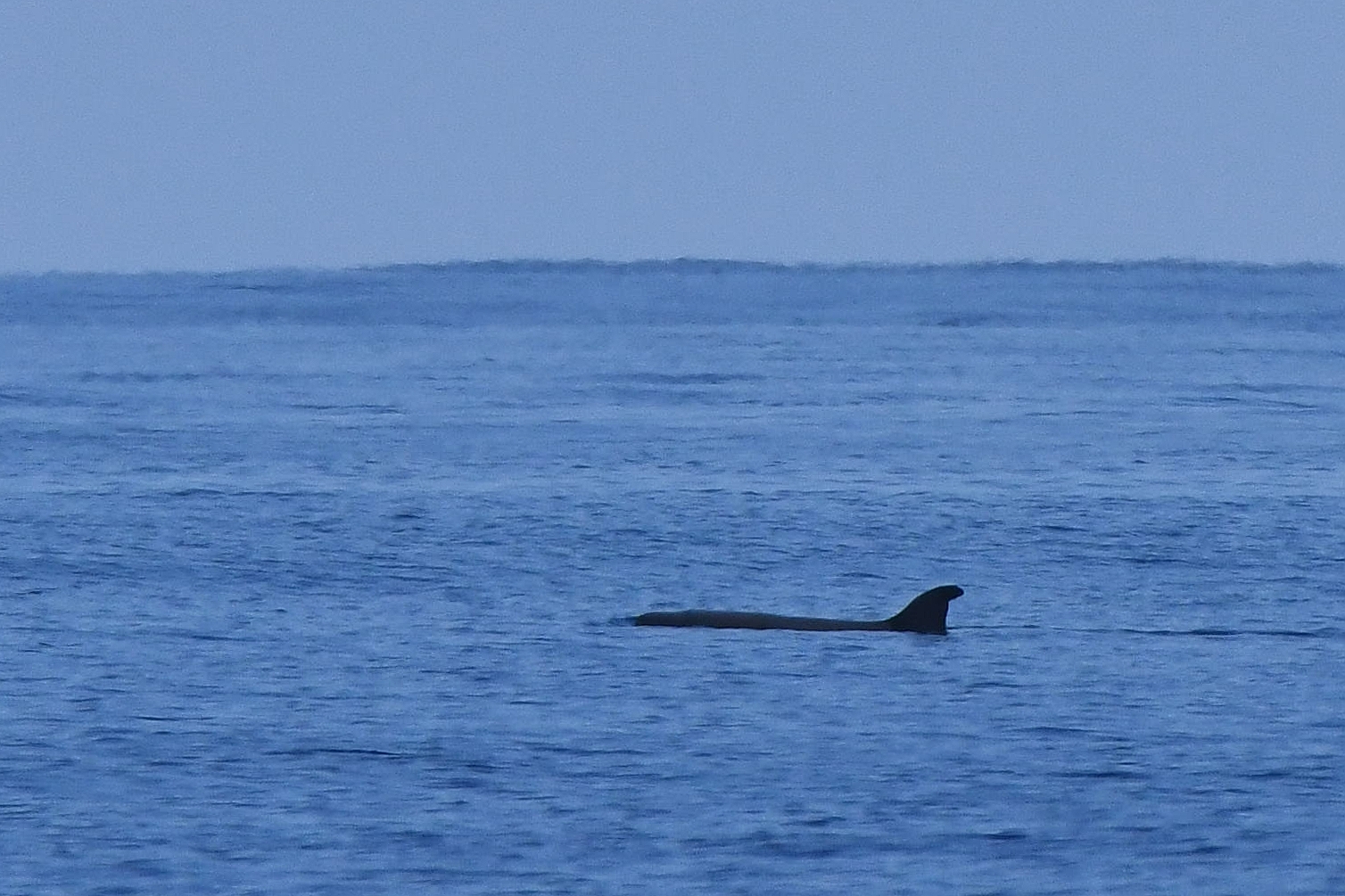
The most frequent confusion is with the pygmy sperm whale (Kogia breviceps), the only other species in the genus, whose range overlaps broadly with its own. In the dwarf sperm whale the dorsal fin is larger and recalls that of a common bottlenose dolphin, its base is slightly longer and it sits near the middle of the back; the throat grooves, absent in the pygmy sperm whale, are a further clue on a stranded animal. At sea the distinction remains very difficult and many survey programmes give up separating the two species; passive acoustics detects the genus Kogia well, but does not yet reliably settle the question of which of the two species is involved.

Taxonomy

The dwarf sperm whale belongs to the family Kogiidae, within the superfamily Physeteroidea. The family contains only two living species, the dwarf sperm whale (Kogia sima) and the pygmy sperm whale (Kogia breviceps); both were once placed with the sperm whale (Physeter macrocephalus) in the Physeteridae. Richard Owen described the species in 1866 from a specimen from Madras, India, caught by local fishermen, under the name Physeter (Euphysetes) simus, which he called the “snub-nosed cachalot”. Gill proposed the combination Kogia sima in 1871, but the recognition of two distinct Kogia species only took hold from Handley’s work in 1966. The etymology of the genus name remains uncertain. No subspecies is recognised. Analyses of the mitochondrial cytochrome b gene published in 2005 suggest that Kogia sima could in fact cover two parapatric species, one Atlantic and the other Indo-Pacific; this hypothesis has not been endorsed, and the reference list of the Committee on Taxonomy of the Society for Marine Mammalogy, updated in April 2026, still recognises only a single species with no subspecies. The karyotype comprises 42 chromosomes.

Distribution and habitat

The species occurs in the tropical and warm temperate waters of every ocean, where it is found mainly over the continental slope (beyond 200 m depth) and in offshore oceanic waters. It appears to seek slightly warmer water than the pygmy sperm whale. In Hawaii, encounter rates are highest between 500 and 1,000 m depth; juveniles stay on average closer to the coast, on the outer shelf edge and the upper slope, while adults move into deeper water. The known range extends from Japan to Tasmania and New Zealand in the western Pacific, and from Virginia to southern Brazil in the western Atlantic. The apparent gaps in this picture are mainly due to the lack of survey effort in the open ocean.

No global estimate exists. The few regional figures available give about 37,440 individuals in Hawaiian waters (an estimate revised from the 2002 survey), about 11,200 in the eastern tropical Pacific, and 7,750 for the two Kogia species combined in United States waters of the north-west Atlantic.

In Europe the species is rare and known mainly from strandings: the Atlantic coasts of France and Spain, the Azores, Madeira and the Canaries, with one sighting in very deep water off Portugal. Records from the Faroe Islands and England are regarded as extralimital. In the Mediterranean several strandings have been recorded in Italy, but the species is held to be a vagrant there. In mainland France, the Réseau National Échouages coordinated by the Observatoire Pelagis logged only four dwarf sperm whale records between 1990 and 2023, against 38 pygmy sperm whales; the most recent, an individual of 223 cm and 166 kg, was found at La Baule (Loire-Atlantique) in September 2023. The species is also reported in the French overseas territories, and a year-round presence has been reported off the northern coast of Réunion.

Biology and ecology

The dwarf sperm whale feeds mainly on cephalopods: prey belonging to fifteen cephalopod families and sixteen fish families have been identified, supplemented by crustaceans and, on occasion, salps. Animals stranded in Europe had eaten deep-water squid (Histioteuthis bonnellii, H. reversa, Chiroteuthis veranii, Ctenopteryx sicula) and the swimming crab Polybius. Prey is taken mostly by suction: the species has one of the widest gape angles and one of the most remarkable suction capacities of all odontocetes, while remaining able to seize and handle its prey. The flattened shape of the snout and abrasions observed on the head of a live individual suggest that it feeds close to the bottom.

Dives by adults and large subadults reach 22 minutes; durations of 15 to 43 minutes have been reported for a lone animal in the Gulf of California. On average, long dives last about ten minutes, separated by series of breaths of around 78 seconds. Females accompanied by a newborn dive for much shorter periods, 2 to 5 minutes. The animal has virtually no visible blow, drifts at the surface (“logging”) and then sinks vertically without raising its tail. Its vocalisations are limited to narrow-band high-frequency clicks, with peaks around 123 kHz and 127-129 kHz; no whistle has been described.

Faced with danger, the dwarf sperm whale releases a cloud of reddish-brown faeces that can cover about a hundred square metres, a response comparable to the ink of cephalopods, observed in a female that concealed herself in it with her calf.

Groups are very small: mean size ranges from 1.6 to 2.7 individuals depending on the region, with a reported maximum of twelve animals. In Hawaii, a year-round resident population has been shown by photo-identification, with restricted home ranges (77 km at most between two sightings of the same individual). Males are mature between 2.6 and 3 years, at 197 cm, females at about 5 years, at 215 cm. Gestation lasts about 12 months, lactation may continue for a year, and the calf is weaned between 1.3 and 1.5 m. The ovulation rate (0.7 per year) corresponds to an interval between births of more than a year. Killer whales, along with great white sharks and tiger sharks, are among its predators.

Status and conservation

The dwarf sperm whale is listed as “Least Concern” (LC) on the global IUCN Red List, in an assessment carried out in 2020 by J. Kiszka and G. Braulik: the species is widely distributed, apparently relatively abundant, and no major threat bears on most of its range. No population trend is documented, however, and no subpopulation is assessed separately.

Direct takes remain limited and localised: small numbers of Kogia, not always identified to species, have been hunted at Saint Vincent in the Lesser Antilles, in the Philippines, in southern Japan and in Indonesia, and the animal appears occasionally in the markets of Sri Lanka. Bycatch is reported in the gillnets of Sri Lanka, in Californian driftnets and in Taiwanese fisheries, and several individuals observed in Hawaii carry marks of interaction with hook-and-line fishing gear (lines and hooks). Plastic ingestion is documented. The species also appears sensitive to intense anthropogenic sound: a live stranding occurred in Hawaii shortly after the start of a military sonar exercise, and two dwarf sperm whales were among the animals mass-stranded in North Carolina in January 2005, without a causal link having been established. Cardiomyopathies are a major cause of death among individuals stranded on the south-eastern coast of the United States.

In regulatory terms, the species is listed in Appendix II of CITES, Appendix III of the Bern Convention and Annex IV of the Habitats Directive. In Europe it falls under the ASCOBANS and ACCOBAMS agreements and under the OSPAR Convention; in the United States it is protected by the Marine Mammal Protection Act.

Watching this species

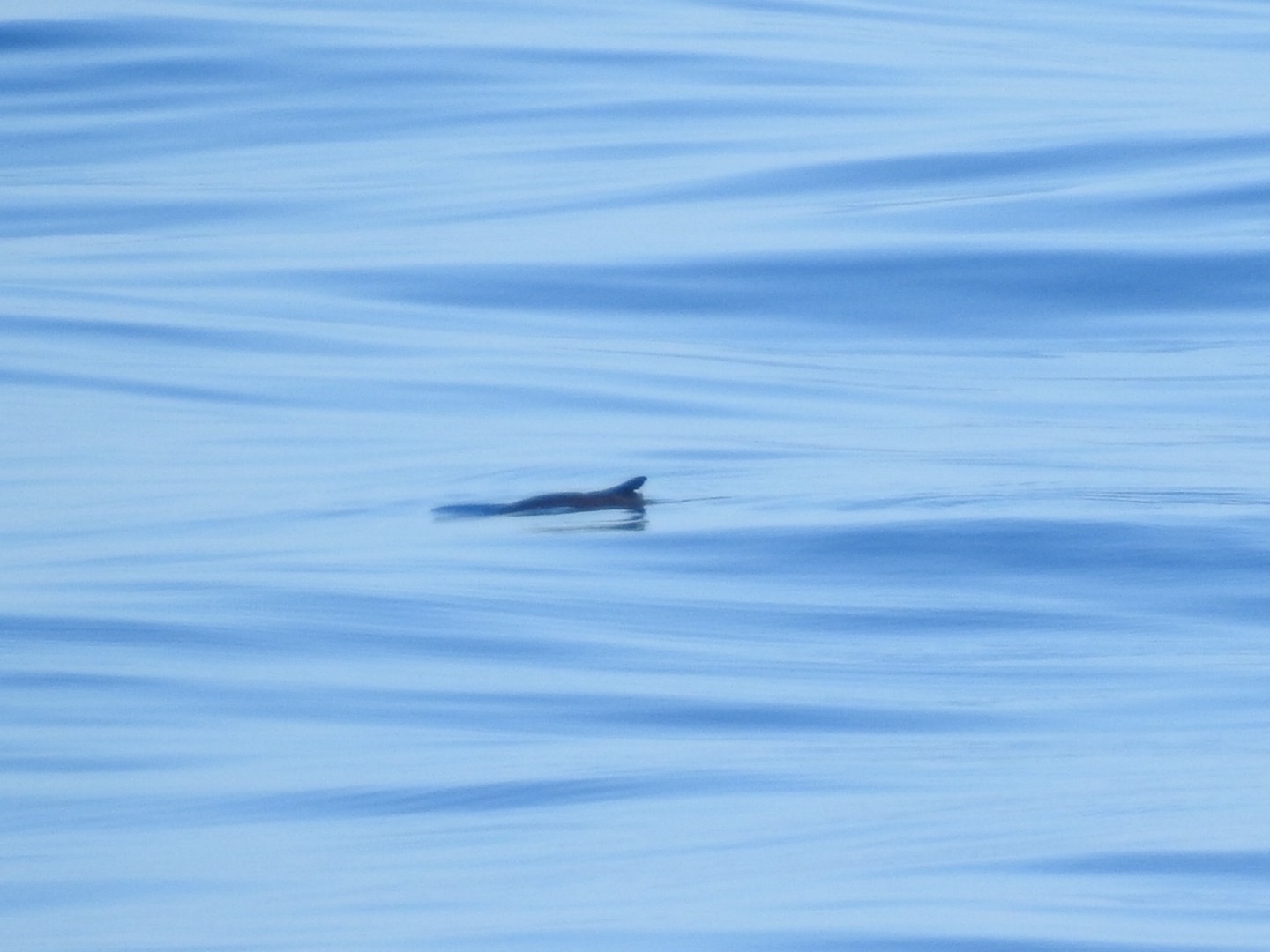
Seeing a dwarf sperm whale is a matter of luck. Everything conspires to make it invisible: small size, small groups, no visible blow, undemonstrative surface behaviour, long dives and a tendency to move away from vessels. Encounters hardly ever happen except in a very calm sea; in Hawaii, despite a high estimated abundance, no sighting was made on systematic effort during the 2010 and 2017 surveys. On a glassy sea, look for a small dark shape, motionless or drifting slowly, head and dorsal fin barely above the surface, which sinks vertically rather than sounding with its tail in the air; the silhouette can be mistaken for floating debris or a small shark.

In France, the most likely encounter is in fact a stranding. A stranded animal, alive or dead, should be reported to the Réseau National Échouages through the Observatoire Pelagis, without attempting to return it to the water or to handle it: these animals almost always strand because they are weakened or sick, and examination of the body is the main source of knowledge about the species. At sea, the rule is the same as for other unobtrusive cetaceans: do not chase the animal, cut the engine, keep your distance and let the group decide on the encounter. Environmental DNA and passive acoustics are today opening new prospects for detecting this species without disturbing it.

Frequently asked questions

What is the difference between the dwarf sperm whale and the pygmy sperm whale?

They are the only two species in the family Kogiidae. The dwarf sperm whale is the smaller (2.7 m at most). Its dorsal fin is larger, with a slightly longer base, and is set near the middle of the back, recalling that of a common bottlenose dolphin. It sometimes bears short grooves on the throat, absent in the pygmy sperm whale, and has 7 to 12 pairs of teeth in the lower jaw (13 pairs have been reported). At sea the distinction remains so difficult that many sightings are simply recorded as “Kogia sp.”.

Why does the dwarf sperm whale release a dark cloud in the water?

When frightened, it releases a cloud of reddish-brown faeces that can cover about a hundred square metres, behind which it conceals itself before diving, a behaviour analogous to the ink of squid. It was observed in a female that hid in it with her calf each time a dolphin approached.

Is the dwarf sperm whale present in French waters?

It is very rare there. The Réseau National Échouages, coordinated by the Observatoire Pelagis, logged only four dwarf sperm whale records in mainland France between 1990 and 2023, against 38 pygmy sperm whales. The most recent, an animal of 223 cm and 166 kg, was found at La Baule (Loire-Atlantique) in September 2023. In the Mediterranean the species is considered a vagrant. It is, on the other hand, reported in the French overseas territories, with a presence reported all year round off northern Réunion.

How long can the dwarf sperm whale stay underwater?

Dives by adults and large subadults reach a maximum of about twenty minutes (22 minutes documented), with durations of 15 to 43 minutes reported for a lone animal in the Gulf of California. On average, long dives last about ten minutes, interspersed with series of breaths of around 78 seconds. Females accompanied by a newborn dive for much shorter periods, 2 to 5 minutes.

Is the dwarf sperm whale threatened?

The IUCN has listed it as “Least Concern” since its 2020 assessment, because of its wide distribution and the absence of a major threat over most of its range. No population trend is documented, however. The pressures identified are bycatch in gillnets, interactions with hook-and-line fishing gear, some local hunting, plastic ingestion and sensitivity to intense anthropogenic sound.

Why is it called a sperm whale when it is so small?

Because it shares the characteristic anatomy of the sperm whales: a spermaceti organ in the head, a single blowhole offset to the left and functional teeth mainly in the lower jaw. It belongs to the same superfamily as the sperm whale, the Physeteroidea, from which it is today separated within the family Kogiidae.

Sources

Profile compiled from authoritative scientific sources (IUCN, NOAA Fisheries, specialist literature) and reviewed for factual accuracy.

Observed distribution

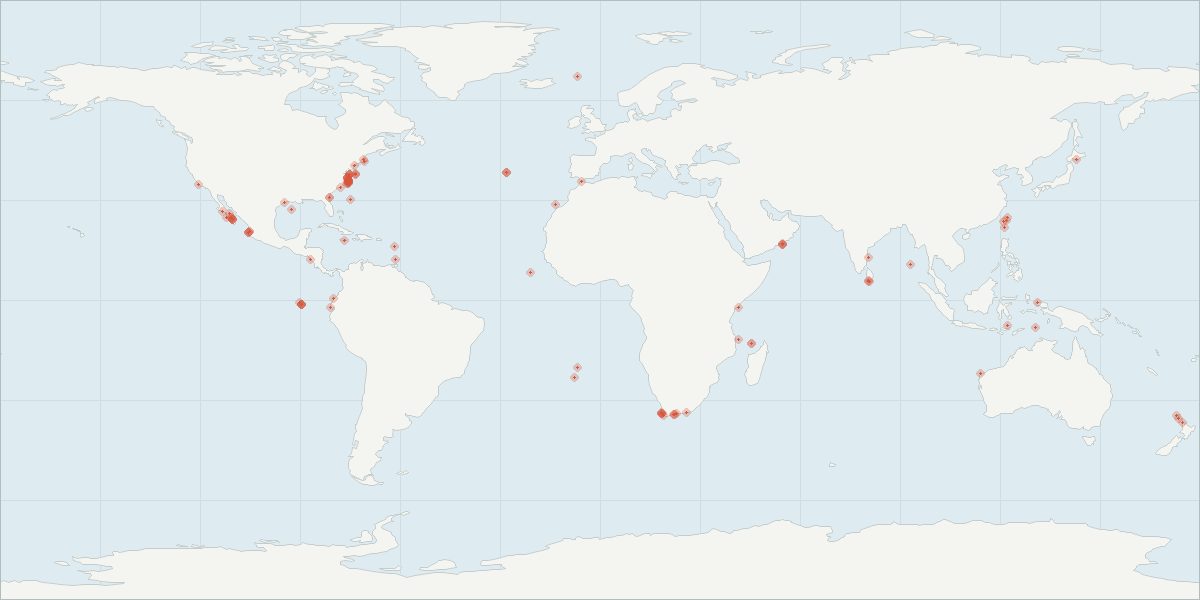
According to the open data of the GBIF, 114 georeferenced sightings of Kogia sima are recorded in our photographic index.

Main countries of observation
CountryNotes
United States of America45
Mexico15
South Africa14
Ecuador8
Sri Lanka4
Chinese Taipei4
New Zealand4
Oman4
Indonesia3
Portugal3

Distribution map: Dwarf sperm whale (Kogia sima)

Distribution map: Dwarf sperm whale (Kogia sima), 114 georeferenced sightings from GBIF
114 georeferenced sightings of Kogia sima. Base map Natural Earth, public domain. GBIF data.
🗺️ Open the interactive mapTo zoom and pan. It uses the OpenStreetMap/CARTO base maps and the GBIF occurrence densities: no data is sent to these services before you click.

Presence through the year

Monthly distribution of 124 dated sightings (all years combined): the maximum is reached in mars.

170janvier : 8janfévrier : 8febmars : 17maravril : 8avrmai : 9maijuin : 10juinjuillet : 15juilaoût : 15Augustseptembre : 6sepoctobre : 10octnovembre : 7novdécembre : 11dec
Sightings by month
MonthNotes
janvier8
February8
mars17
avril8
mai9
juin10
juillet15
August15
septembre6
octobre10
novembre7
December11

These figures reflect survey effort (more boaters and more surveys in summer) as much as the actual presence of the species: to be interpreted with caution.

En images

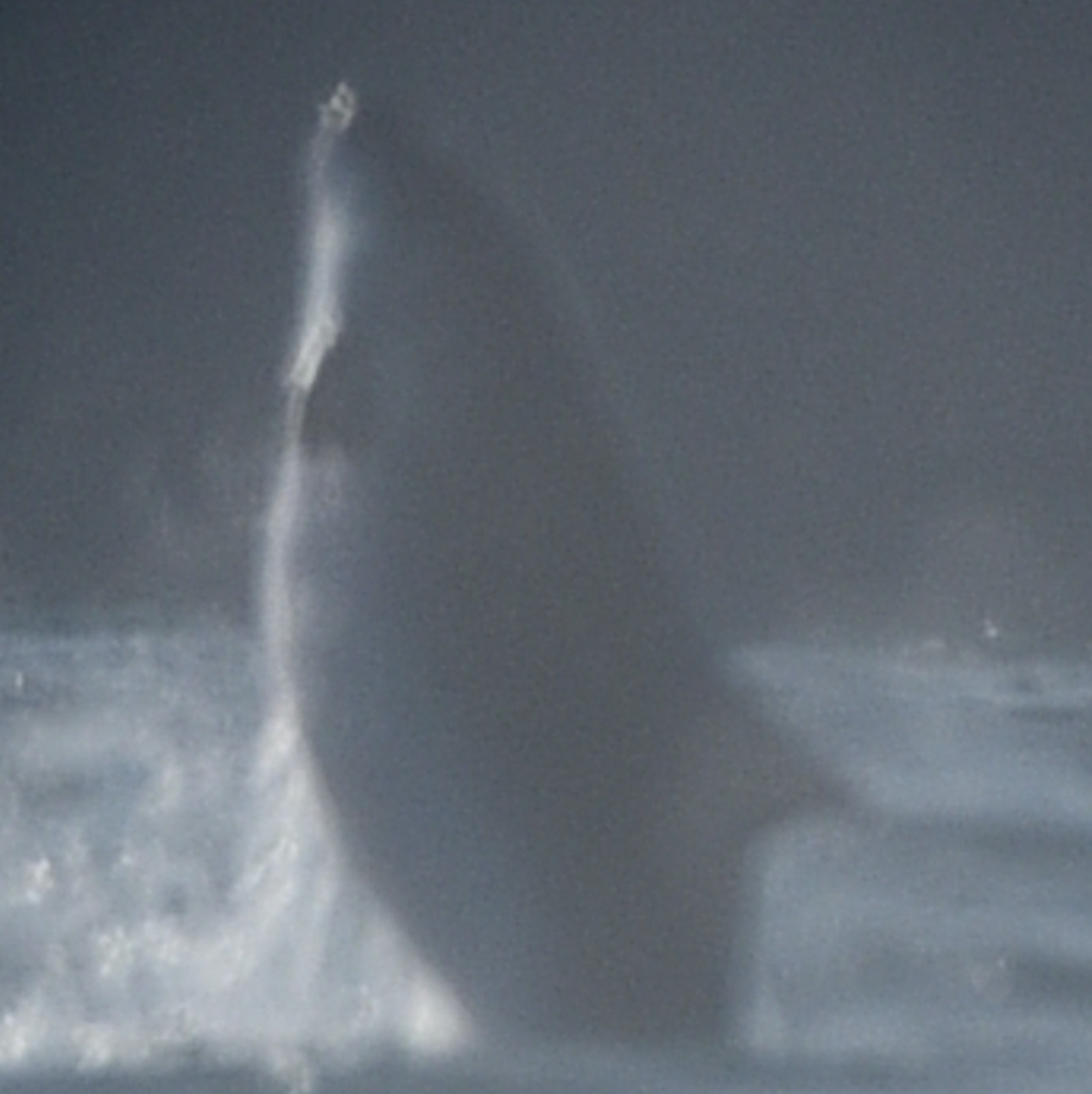
Kogia sima
© patrickobrien3, CC BY-NC, 2026
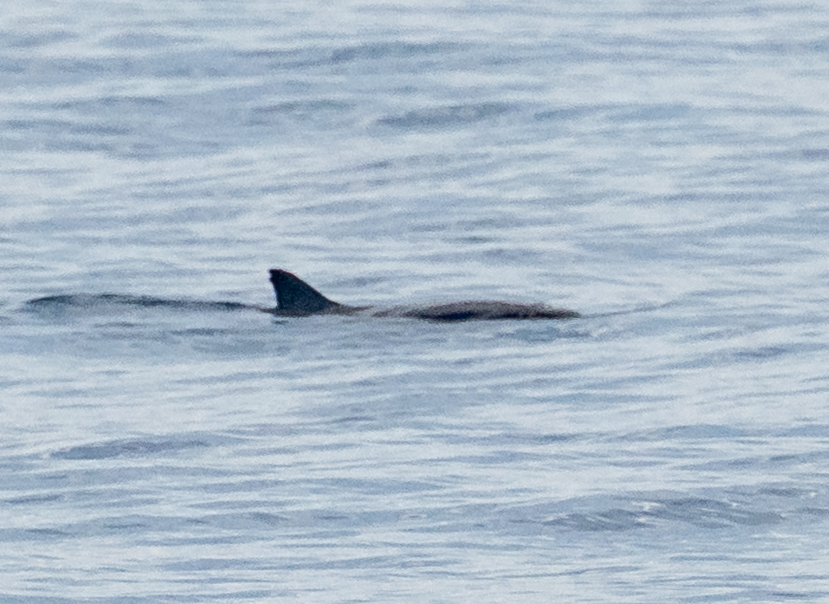
Kogia sima
© Paul Carter, CC BY-NC, 2026
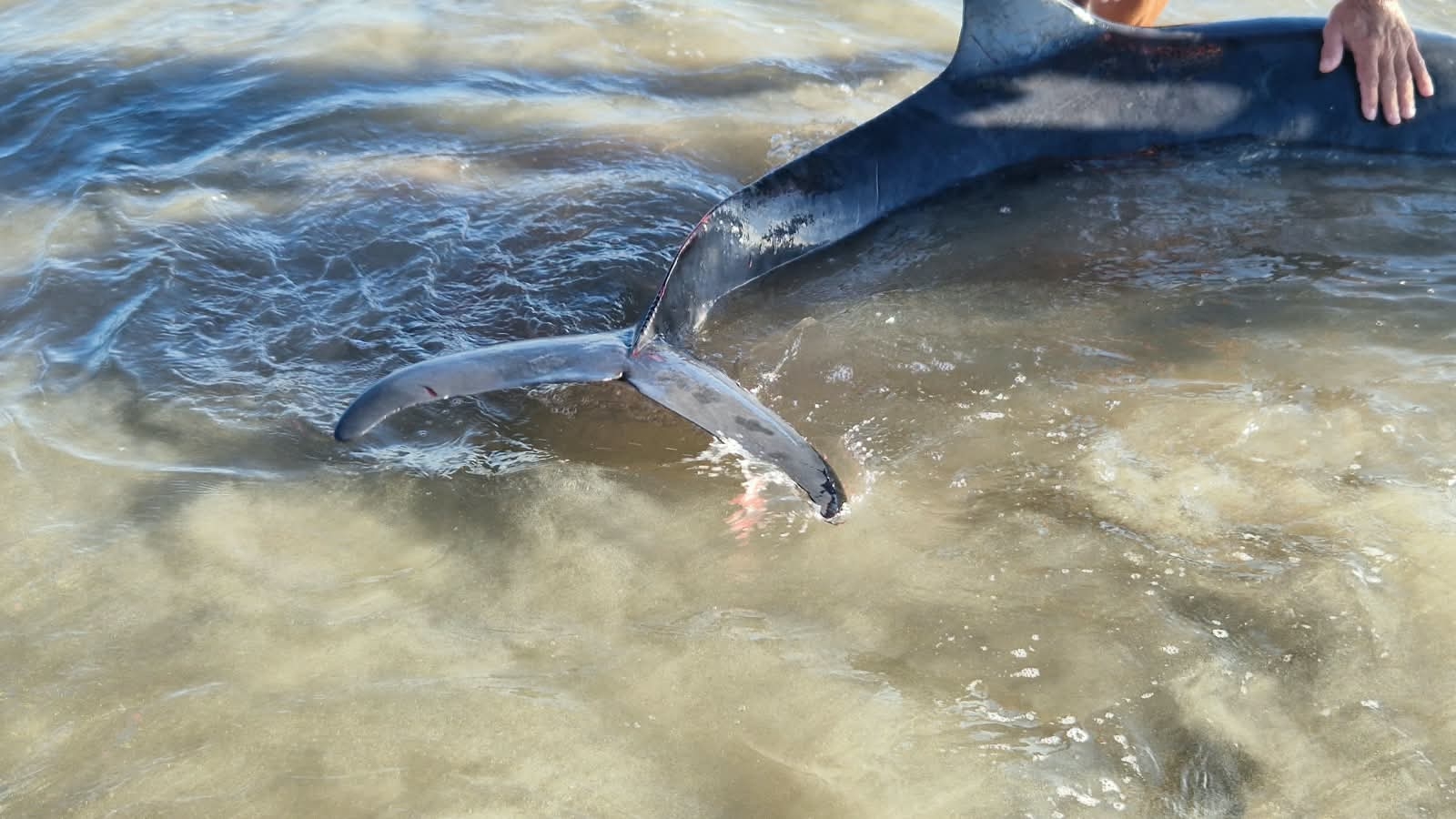
Kogia sima
© carolouw, CC BY-NC, 2026
Kogia sima
© César Piñones Cañete, CC BY-NC, 2026
Kogia sima
© César Piñones Cañete, CC BY-NC, 2026
Kogia sima
© Gemma, CC BY-NC, 2026
Kogia sima
© philadelphe william, CC BY-NC, 2026
Kogia sima
© vthomson, CC BY-NC, 2026
Kogia sima
© philadelphe william, CC BY-NC, 2026
Kogia sima
© Daniel Benák, CC BY, 2025
Kogia sima
© Sean Verkamp, CC BY-NC, 2025
Kogia sima
© Jan Ebr & Ivana Ebrová, CC BY, 2025

Photographs from GBIF under a Creative Commons licence. The author and the licence of each photograph are given; please respect them if you reuse them.

Scientific references

  1. Staudinger M., McAlarney R., McLellan W., Ann Pabst D. et al. (2013) Foraging ecology and niche overlap in pygmy ( Kogia breviceps ) and dwarf ( Kogia sima ) sperm whales from waters of the U.S. mid‐Atlantic coast, Marine Mammal Science
  2. Chivers S., Leduc R., Robertson K., Barros N. et al. (2005) GENETIC VARIATION OF KOGIA SPP. WITH PRELIMINARY EVIDENCE FOR TWO SPECIES OF KOGIA SIMA, Marine Mammal Science
  3. Baird R. (2005) Sightings of Dwarf ( Kogia sima ) and Pygmy ( K. breviceps ) Sperm Whales from the Main Hawaiian Islands, Pacific Science
  4. Bossart G., Hensley G., Goldstein J., Kroell K. et al. (2007) Cardiomyopathy and Myocardial Degeneration in Stranded Pygmy (Kogia breviceps) and Dwarf (Kogia sima) Sperm Whales, Aquatic Mammals
  5. Plön S., Best P., Duignan P., Lavery S. et al. (2023) Population structure of pygmy (Kogia breviceps) and dwarf (Kogia sima) sperm whales in the Southern Hemisphere may reflect foraging ecology and dispersal patterns, Advances in Marine Biology
  6. Denison E., Rhodes R., McLellan W., Pabst D. et al. (2020) Host phylogeny and life history stage shape the gut microbiome in dwarf (Kogia sima) and pygmy (Kogia breviceps) sperm whales, Scientific Reports
  7. Bonato M., Webber M., Attoumane A., Giacoma C. et al. (2016) First records of dwarf sperm whale (Kogia sima) from the Union of the Comoros, Marine Biodiversity Records
  8. (2020) Kogia sima: Kiszka, J. & Braulik, G., IUCN Red List of Threatened Species

Automatic selection of the most cited works mentioning the species (source: Crossref).