Gray's beaked whale (Mesoplodon grayi)

Key facts
Scientific name Mesoplodon grayi von Haast, 1876
Other names Gray's beaked whale, scamperdown whale, southern beaked whale, Haast's beaked whale; in French baleine à bec de Gray, mésoplodon de Gray; in Māori hakurā or iheihe.
Size 5 to 6 m in adults (females up to about 5.3 m, males up to about 5.6-5.7 m); newborn 2.1 to 2.2 m.
Weight About 1,000 to 1,500 kg depending on the source, the most commonly cited value being of the order of 1,100 kg.
Longevity Not documented: no age estimation study has been published for this species.
Diet Mainly cephalopods (families Ommastrephidae, Octopoteuthidae, Enoploteuthidae, Neoteuthidae), supplemented by deep-sea fish (hakes of the family Merlucciidae, Phosichthys, Lampadena). Prey captured by suction.
IUCN status Least Concern (LC), 2020 assessment (Pitman & Taylor, identifier e.T13247A50366236), published in the December 2020 Red List update. No subpopulation is assessed separately. The species was previously listed as Data Deficient (DD).

In brief

Gray's beaked whale is a medium-sized ziphiid, recognisable by its long, tapering white beak and its remarkably straight jaw. Circumpolar in the cold temperate waters of the Southern Hemisphere, it is the most frequently stranded beaked whale in New Zealand, which paradoxically makes it one of the best known beaked whales anatomically and one of the least observed alive. Listed as Least Concern by the IUCN since 2020, it frequents the French waters of the Terres australes.

Identification

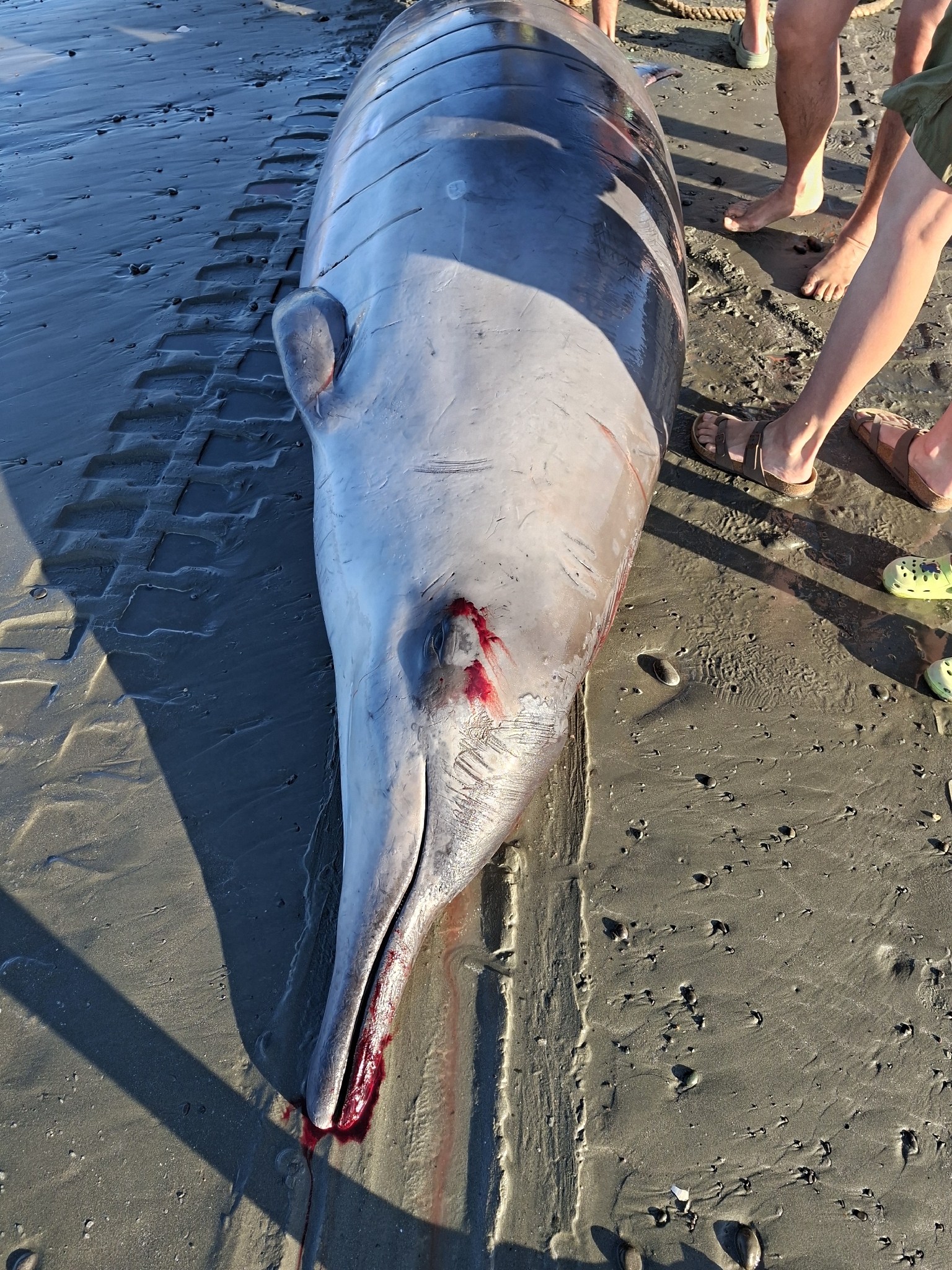
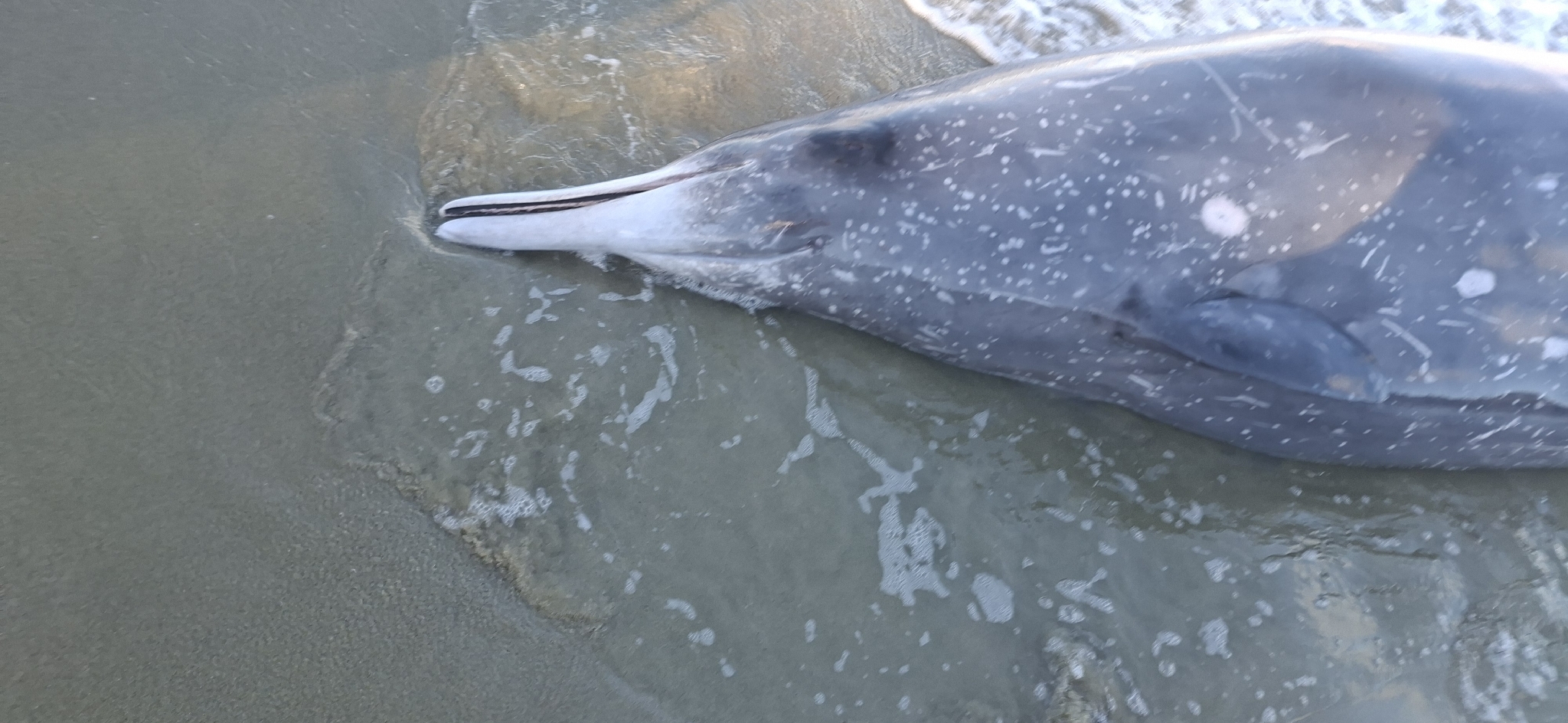
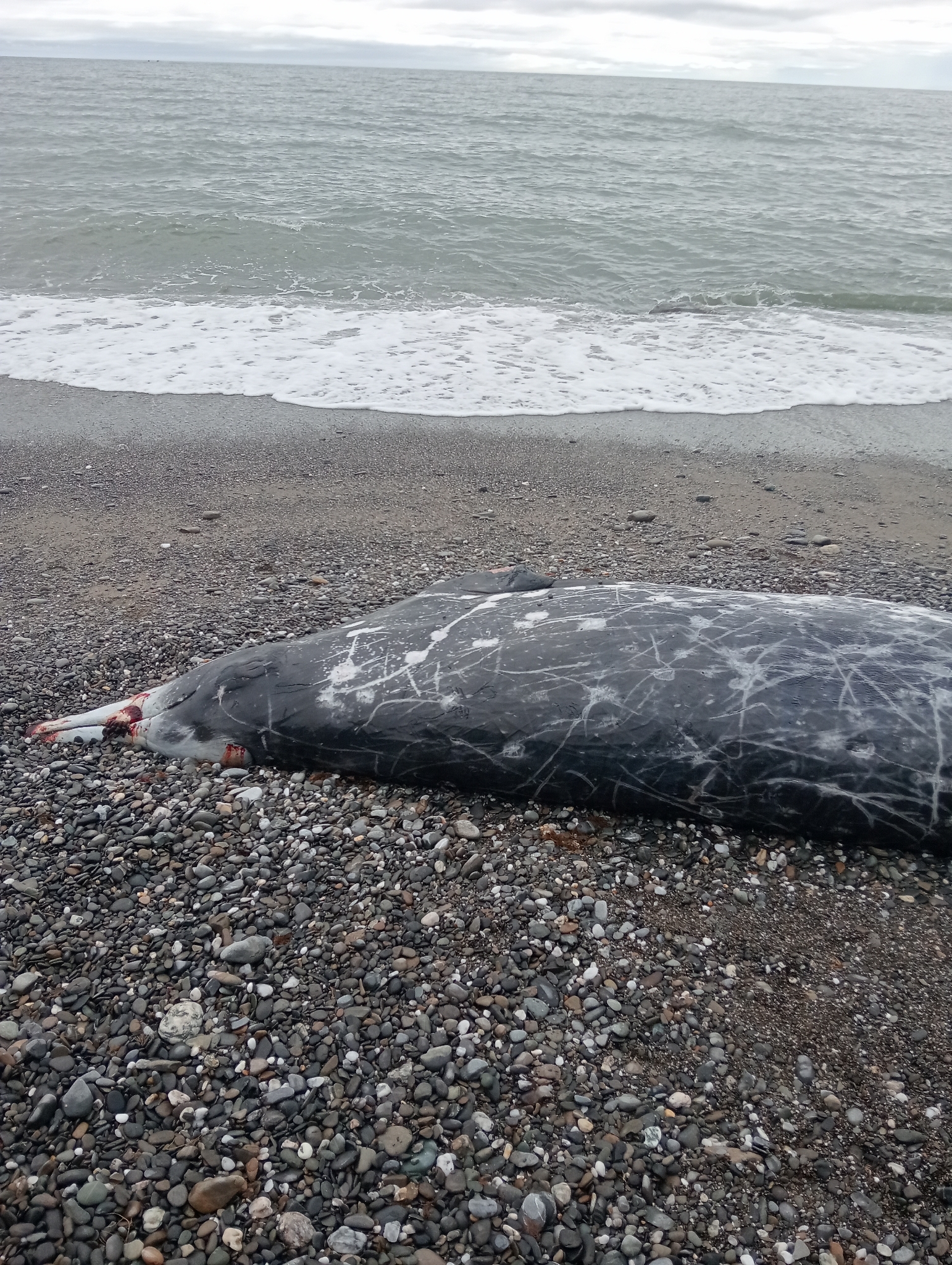
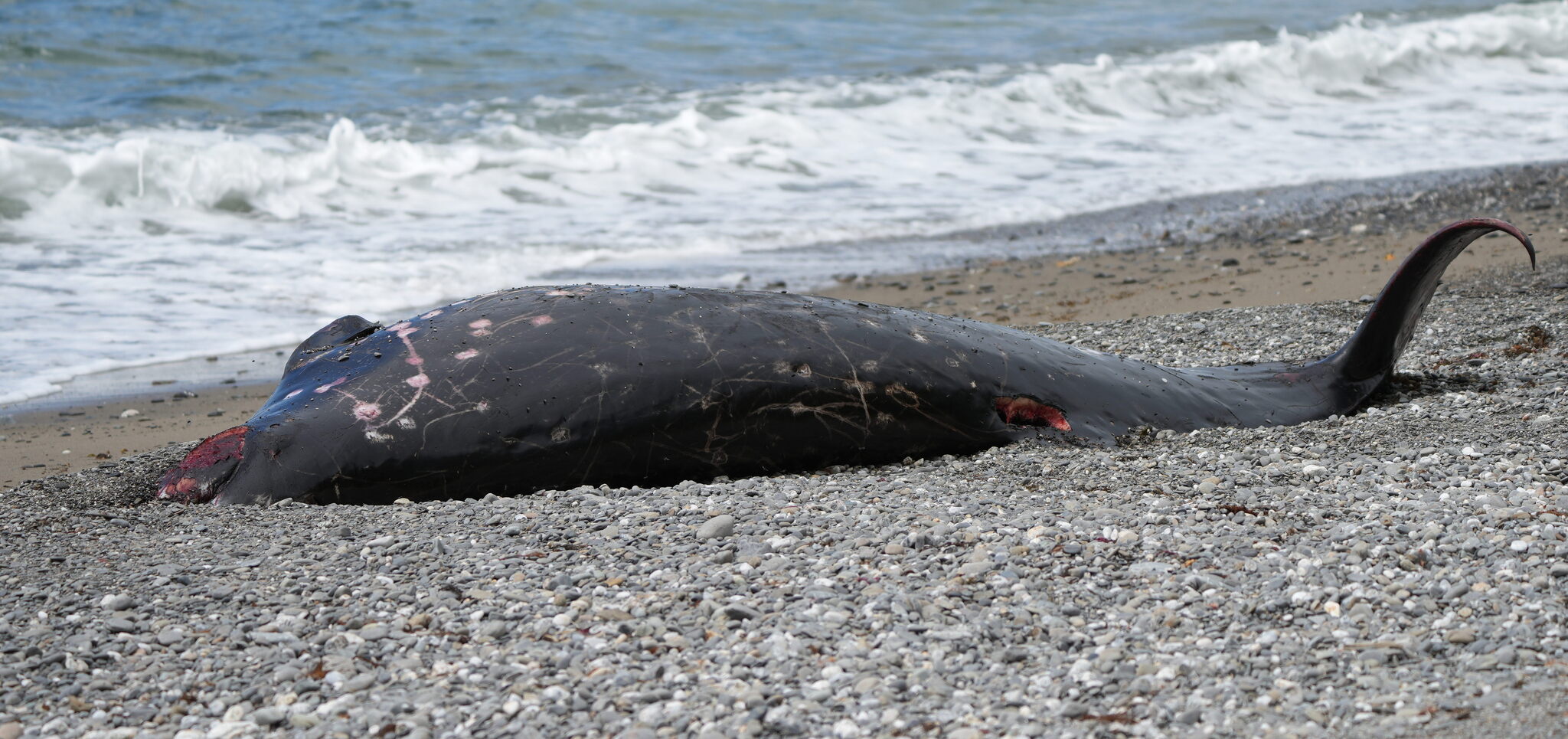
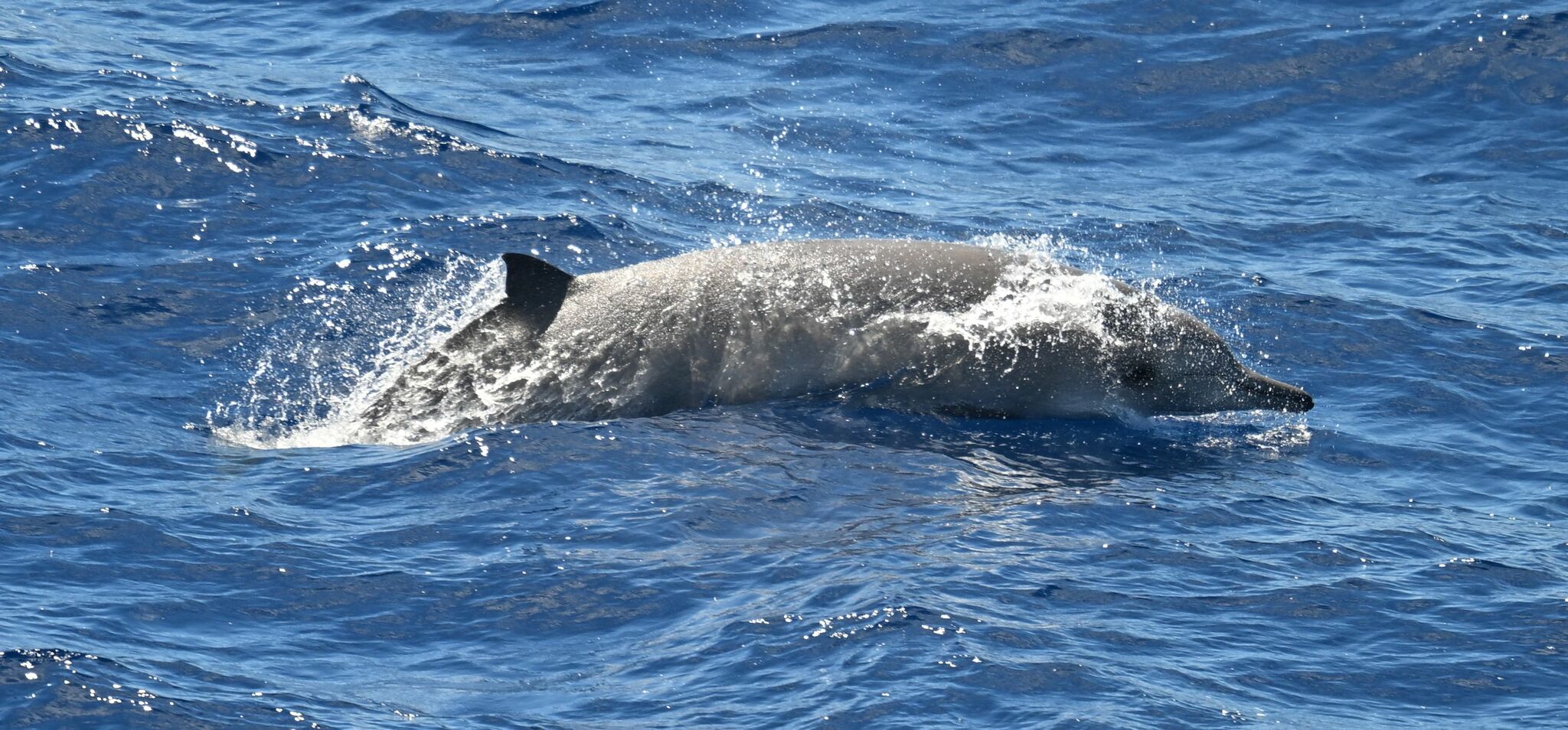
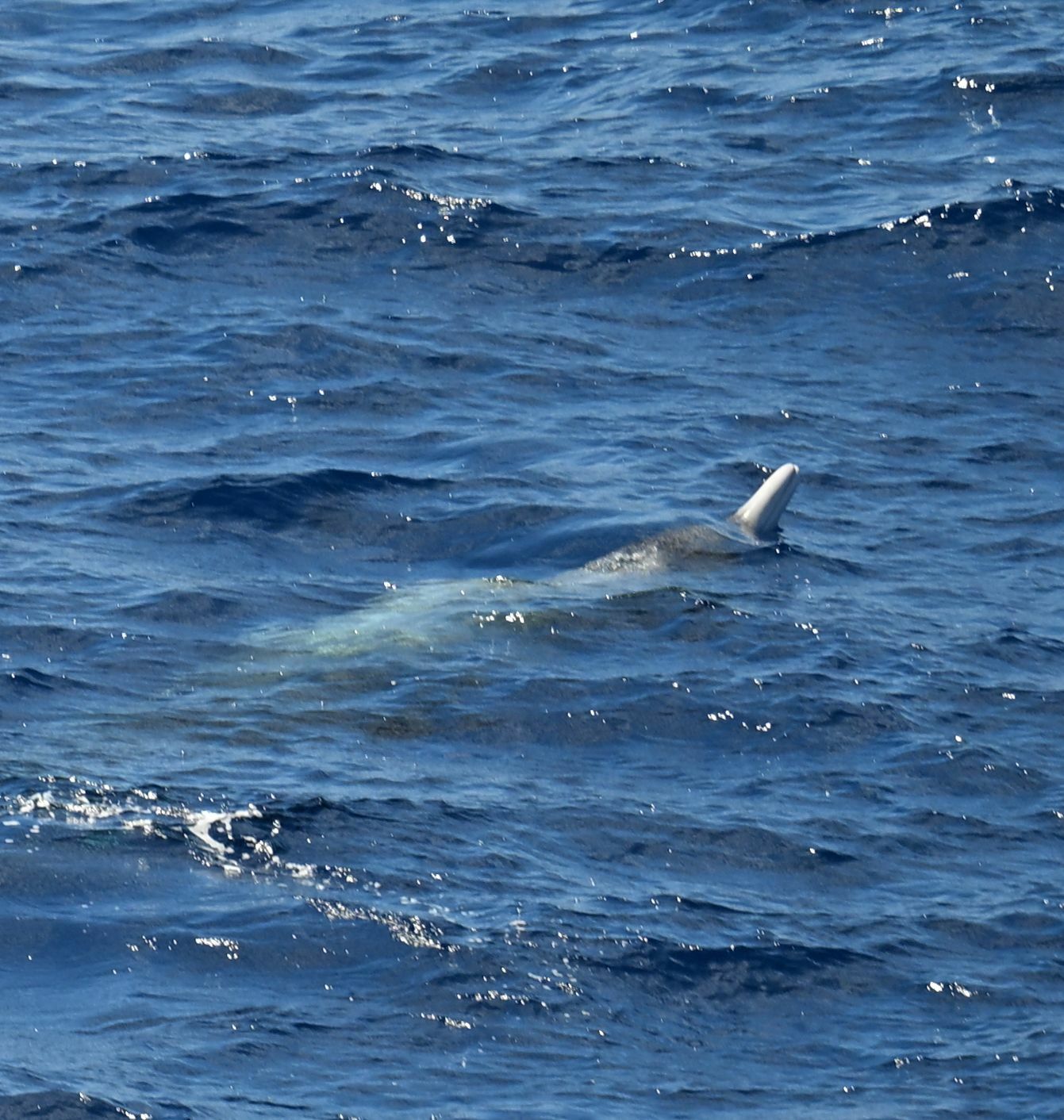
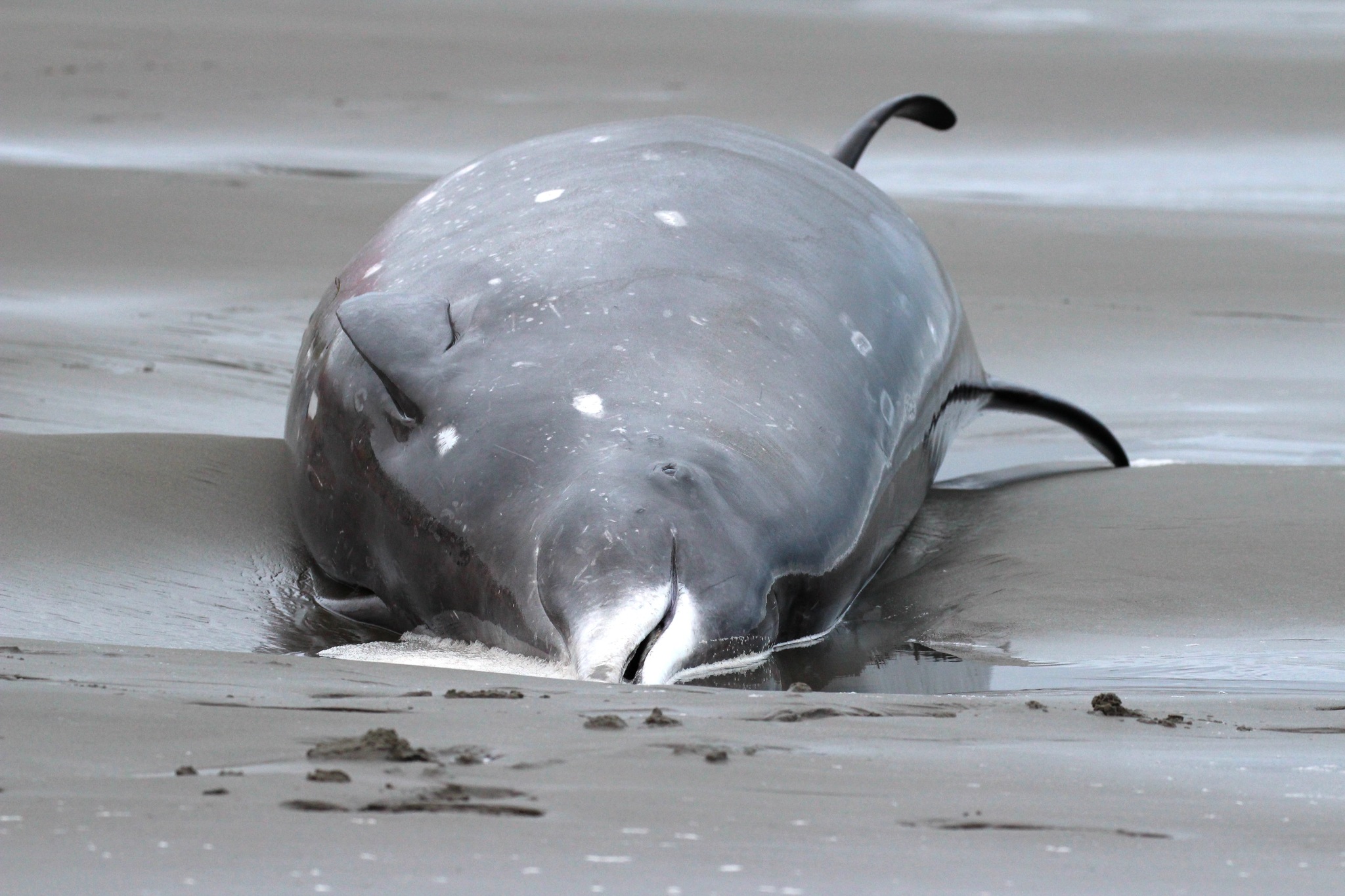
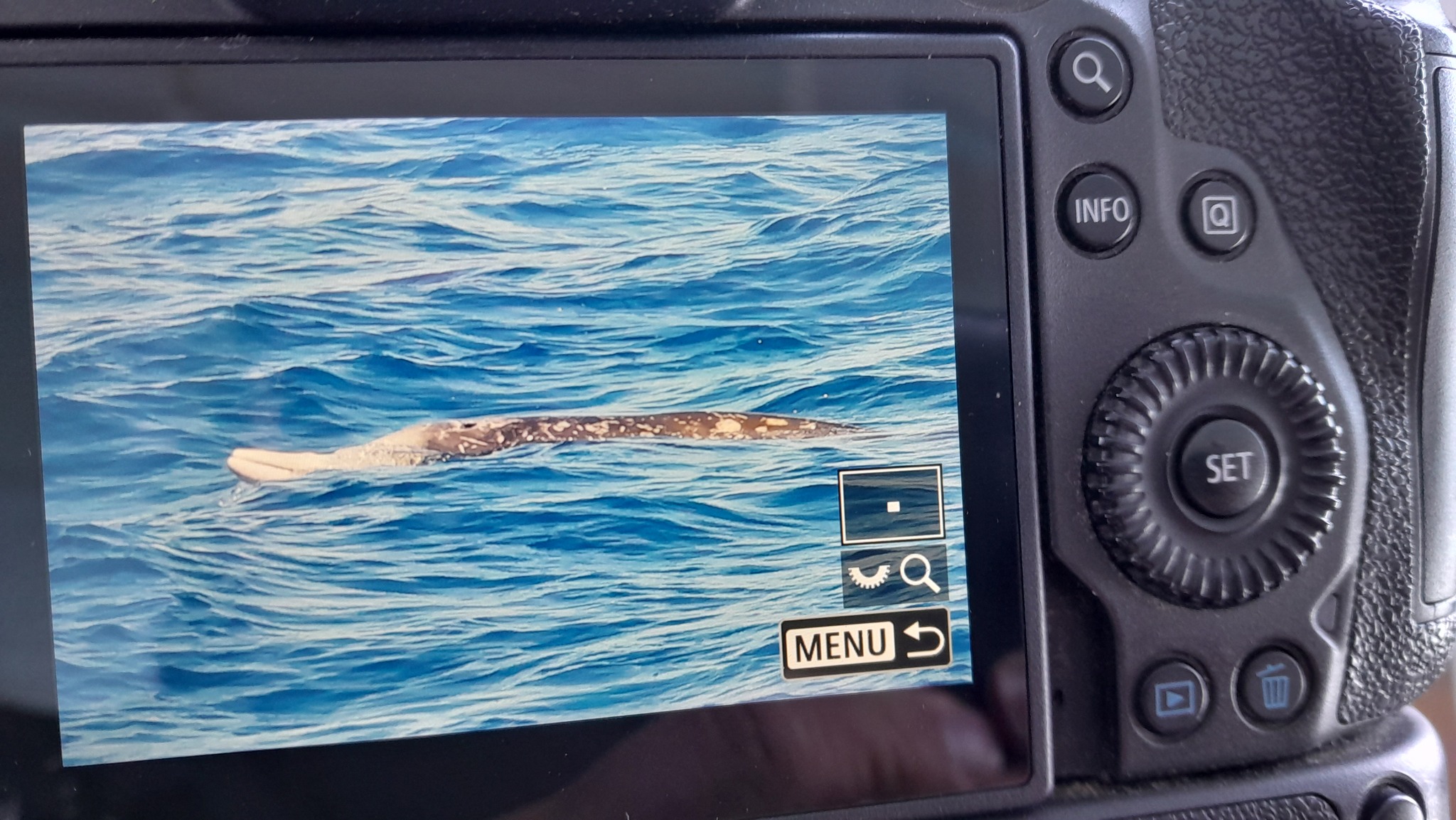
With a streamlined outline of 5 to 6 m, Gray's beaked whale is one of the medium-sized mesoplodonts. The body is fusiform, the dorsal fin small, falcate and pointed, set well behind the middle of the back, and the flippers are short. The coloration is typical of the ziphiids: dark blue-grey to brown-grey back, sometimes almost black, lightening towards a pale grey belly marked with white or yellowish patches. Females are often slightly paler than males and show white markings around the navel and the genital region. The most constant feature, visible in both sexes, is the long, cylindrical, brilliantly white beak, which contrasts strongly with the rest of the head; it could serve as a social signal in the dim light of deep water. The melon is poorly developed and forms a slight bulge just in front of the blowhole, before sloping gently down towards the rostrum. The mouthline is almost straight, without the marked arch of several related species.

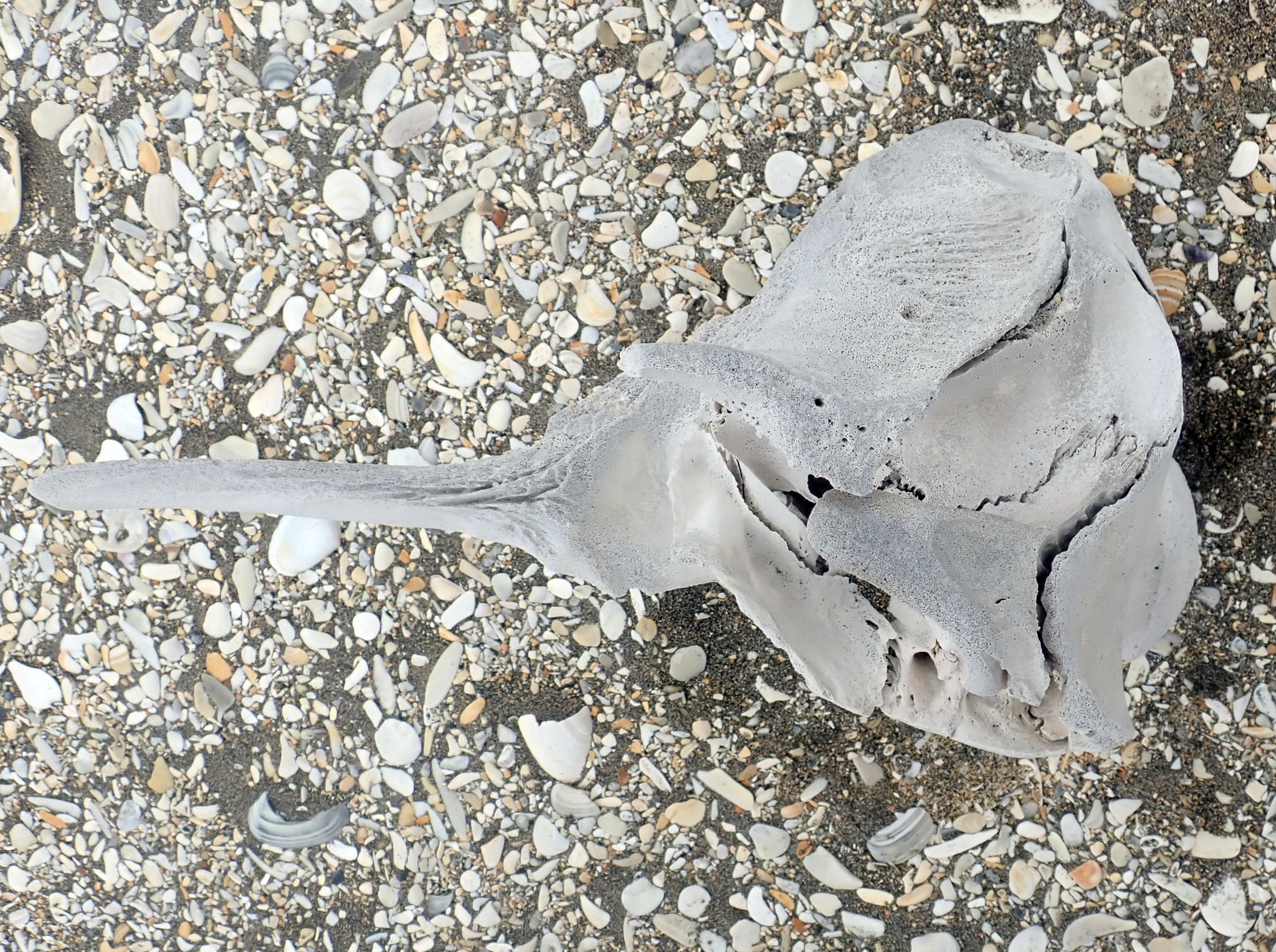
The dentition is the most distinctive diagnostic character of the species. Like all mesoplodonts, adult males carry only a single pair of tusks; in Gray's beaked whale they are triangular and set halfway along the lower jaw, the position of these teeth varying from one species of the genus to another. They measure about 6 cm in width on average, up to 10 cm in the largest males, and remain visible with the mouth closed. But Gray's beaked whale differs from every other species of the genus in having, in both sexes, a row of 17 to 22 small vestigial teeth on each side, set towards the back of the upper jaw, a character unique within Mesoplodon. Not fused to the bone, they do not pierce the gum in females. Their function remains debated: they could help to hold prey, which is for the most part captured by suction. As in the other ziphiids, adult males bear parallel linear scars, traces of intraspecific fights fought with the teeth, and both sexes frequently show the circular scars left by cookiecutter sharks (Isistius).

Confusions are frequent at sea as on beaches. The strap-toothed whale (Mesoplodon layardii) shares the same southern range, but its males carry two strap-like teeth that wrap around the rostrum. Andrews' beaked whale (M. bowdoini) is stockier and its beak shorter. Hector's beaked whale (M. hectori) is distinctly smaller. The southern bottlenose whale (Hyperoodon planifrons) is recognisable by its bulbous forehead and short beak. The difficulty is not theoretical: in December 2010, two animals stranded at Opape Beach, New Zealand, were first identified as Gray's beaked whales before genetic analysis revealed that they were spade-toothed whales (M. traversii), one of the rarest cetacean species in the world.

Taxonomy

Mesoplodon grayi belongs to the order Cetacea, the suborder Odontoceti (toothed whales) and the beaked whale family, designated Ziphiidae in current taxonomic references (WoRMS, Mammal Diversity Database); the name Hyperoodontidae is a synonym of it, still used by some classifications. The genus Mesoplodon is the richest of all the cetaceans, with some fifteen described species, several of which are known only from a few stranded individuals.

The species was described in 1876 by the German-New Zealand naturalist Julius von Haast, from bone material collected during a mass stranding of about 28 animals on Waitangi beach, on Chatham Island (New Zealand), during the summer of 1874-1875; this is the type locality. The specific name honours John Edward Gray, zoologist at the British Museum. Several names were subsequently proposed and then placed in synonymy, in particular Oulodon grayi von Haast, 1877, Mesoplodon australis Flower, 1878 and Mesoplodon haasti Flower, 1878.

A genomic study published in 2021 in Royal Society Open Science, based on samples from South Africa, Western Australia, South Australia and New Zealand, detected no geographical structuring, either in mitochondrial DNA or in nuclear markers. The species therefore behaves as a single panmictic population across an oceanic ring of about 13,000 km, with a mitochondrial nucleotide diversity that is high for an odontocete.

Distribution and habitat

Gray's beaked whale has a circumpolar distribution in the Southern Hemisphere, concentrated in cold temperate waters. The core of its range lies between 30° and 45° south, with a northern limit close to 25° S and a southward extension as far as subantarctic and Antarctic waters. It is reported from New Zealand, southern and western Australia, South Africa, Madagascar, along the coasts of South America (Argentina, Chile, Uruguay, Brazil, Peru), the Falkland Islands, South Georgia, the Prince Edward Islands and the French Southern Territories.

It is an offshore, deep-water species, associated with the continental shelf edge, submarine canyons and seamounts; the depths it frequents commonly reach 2,000 m. A single documented record exists for the Northern Hemisphere: an animal stranded on the Dutch North Sea coast in 1927, regarded as a vagrant individual and an anomaly with no sequel.

As regards France, the species is not present in mainland waters: neither the Mediterranean and the Pelagos Sanctuary, nor the Bay of Biscay, nor the English Channel fall within its range. In the southern overseas territories, by contrast, its presence is well documented. The Red List of threatened species in France devoted to the vertebrates of the French Southern and Antarctic Lands, published by the Comité français de l'UICN and the Muséum national d'Histoire naturelle, lists Gray's beaked whale among the regular visitors and possible breeders of the Terres australes françaises, alongside Arnoux's beaked whale, the southern bottlenose whale and Andrews' beaked whale. The Crozet and Kerguelen archipelagos, together with the islands of Saint-Paul and Amsterdam, lie within the band of latitudes favourable to the species.

Biology and ecology

Gray's beaked whale is a deep diver that exploits the mesopelagic and bathypelagic zones. Like the other mesoplodonts, it feeds by suction: the tongue is abruptly retracted and the gular grooves spread apart, creating a drop in pressure that draws the prey into the mouth. The diet is dominated by cephalopods, but deep-sea fish have been identified in stomach contents, in particular Merlucciidae, Phosichthys and Lampadena. Isotopic analyses suggest a low trophic overlap with the sperm whale, although the two are sympatric, a sign that resources or foraging areas are partitioned.

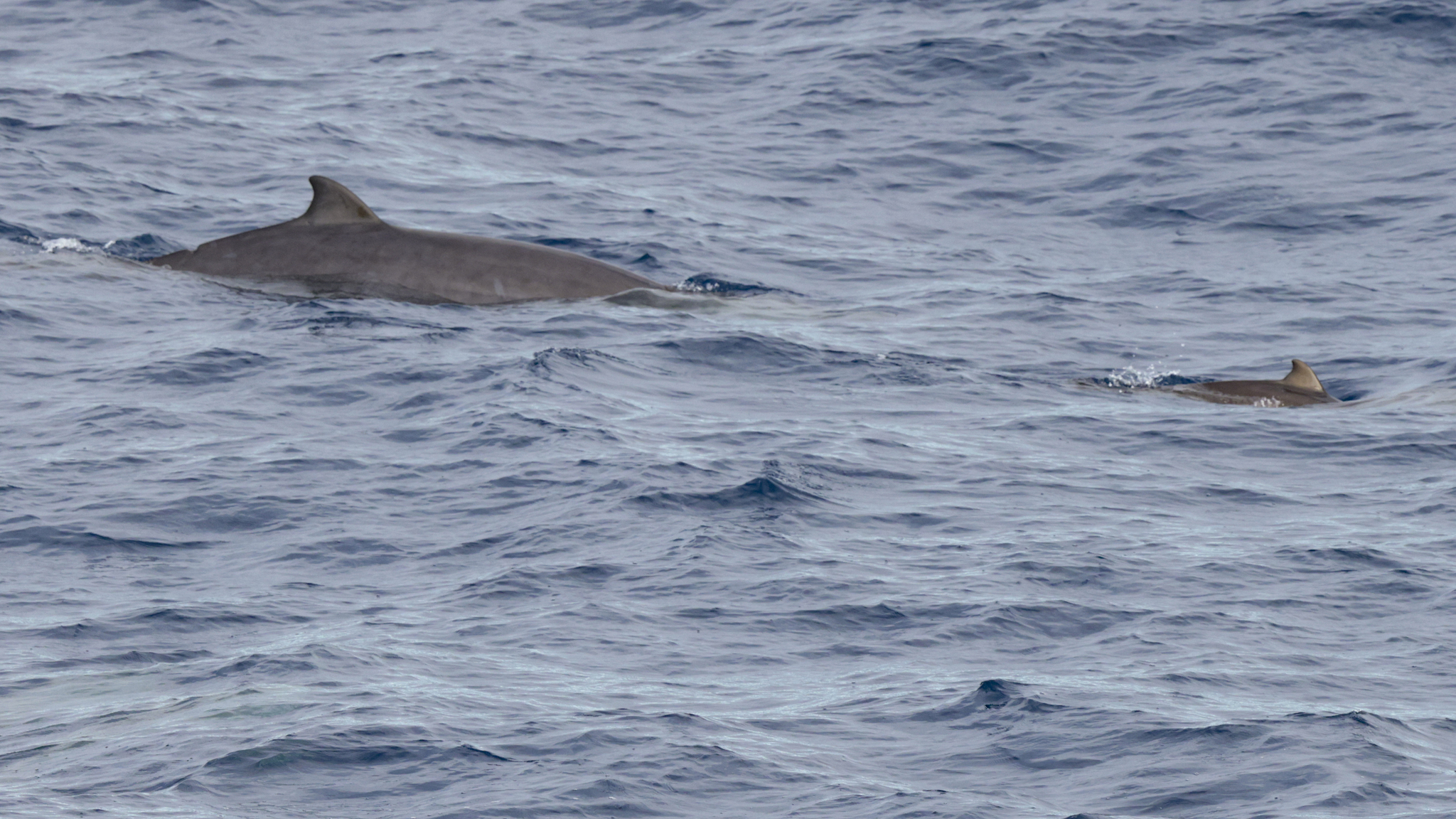
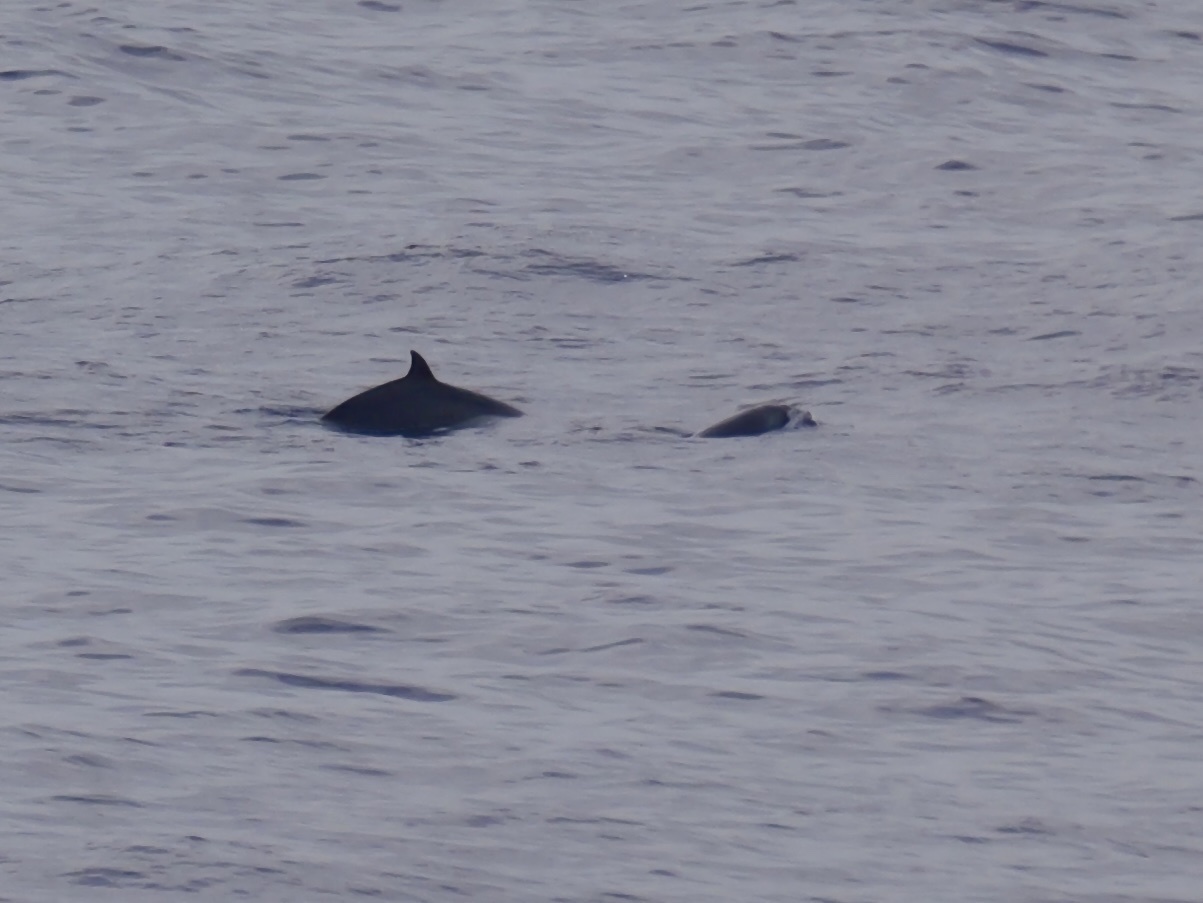
Socially, the species is more gregarious than most of its congeners. Sightings at sea report lone animals, pairs or groups of two or three individuals, but gatherings of four to ten animals are also reported and groups of males have been described. The founding mass stranding on Chatham Island comprised about 28 individuals, and collective strandings of five to eight animals are regularly recorded. Unlike most beaked whales, which are reputed to be inconspicuous, it is relatively active at the surface: it makes oblique leaps, low arcing bounds and “porpoises” when travelling fast.

Breeding remains poorly known. The newborn measures 2.1 to 2.2 m and the litter is in all likelihood a single calf. Strandings are concentrated between December and April in New Zealand and in southern Australia, which has been interpreted as a seasonal movement closer to the coast linked to calving, but the available data do not allow the gestation period, the age at sexual maturity or the interval between two births to be established with certainty. No longevity data have been published. At the population level, the 2021 genomic analysis indicates a stable demographic history, marked by a doubling of the effective population size about 250,000 years ago, and a current female effective population size of the order of a few hundred thousand individuals, with a very wide confidence interval.

Status and conservation

Gray's beaked whale has been listed as Least Concern (LC) on the global IUCN Red List since the 2020 assessment, carried out by R. L. Pitman and B. L. Taylor and published in the December 2020 update. This listing follows a status of Data Deficient (DD). The IUCN Cetacean Specialist Group points out, however, that this reclassification, shared by most beaked whales, stems above all from the tightening of the definition of the DD category in the IUCN guidelines, a species being able to remain there only if it could plausibly belong to any category, from Critically Endangered to Least Concern, and not from a demonstrated improvement in its conservation status.

No abundance estimate based on surveys exists for the species. The case for Least Concern rests on the extent of the range, the frequency of strandings and sightings, and the absence of direct exploitation pressure: Gray's beaked whale has never been the target of commercial whaling, and bycatch is not documented to any significant extent for it. The threats identified are those bearing on the ziphiids as a whole: anthropogenic noise, in particular mid-frequency active military sonar and seismic surveys, to which beaked whales are extremely sensitive; plastic ingestion; the accumulation of chemical pollutants; the risk of entanglement in deep-water fishing gear; and the changes in food webs linked to climate change. The species is listed in Appendix II of CITES and benefits from memoranda of understanding concluded under the Convention on Migratory Species. The high genetic diversity and the panmixia shown in 2021 are factors of resilience in the face of environmental change to come.

Watching this species

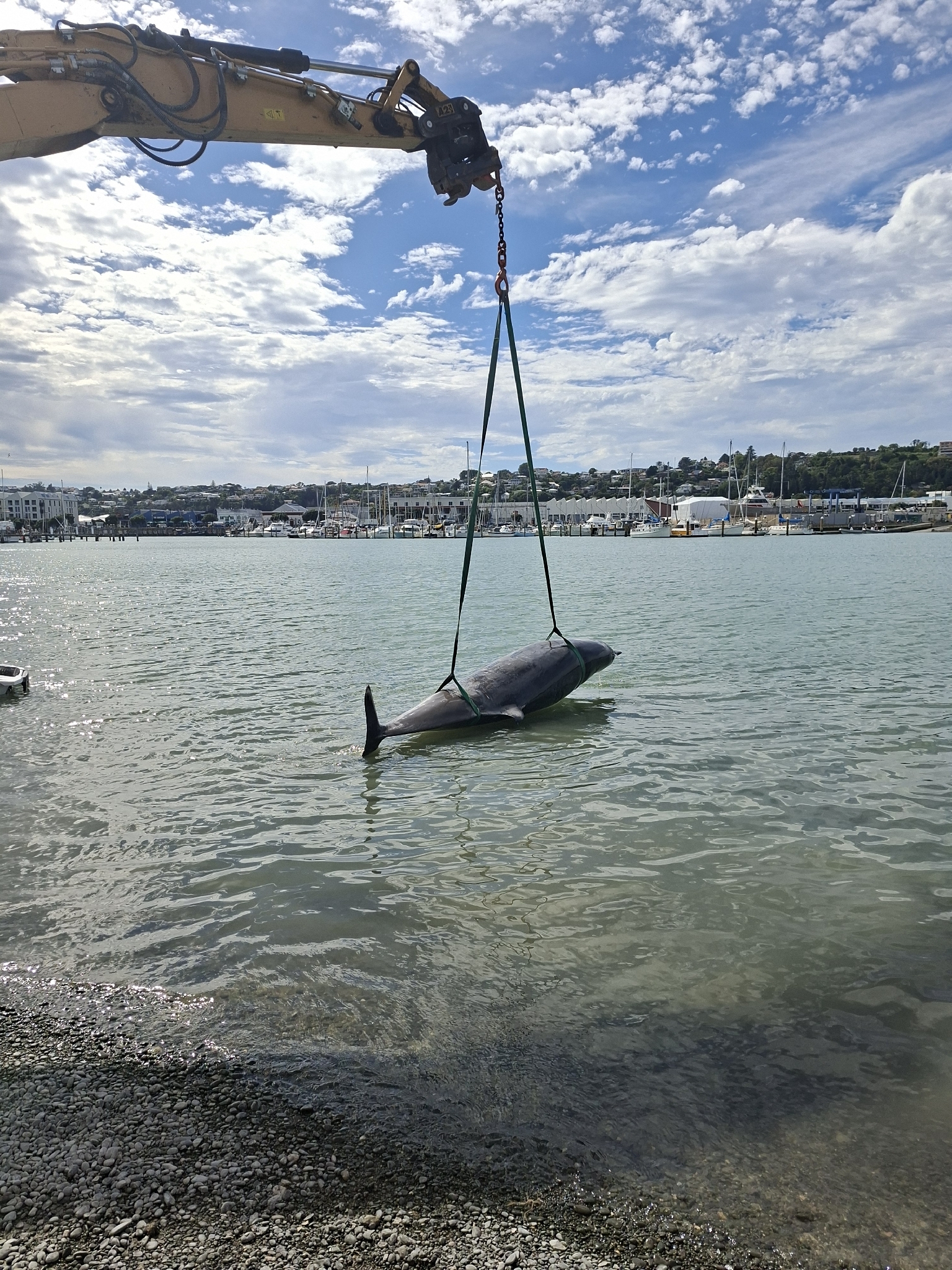
Seeing a living Gray's beaked whale is a matter of luck. Like all ziphiids, it spends most of its time in deep dives, far from the coast, and its surfacings are brief and inconspicuous. Almost all the anatomical knowledge of the species comes from stranded animals: it is the most frequently stranded beaked whale in New Zealand and the second most frequently stranded beaked whale in Australia, with a seasonal peak from December to April.

The best chances of an encounter are at sea, beyond the continental shelf, in the cold temperate waters of the Southern Hemisphere: the approaches to New Zealand, southern and western Australia, subantarctic waters. The species is sometimes spotted because it is more demonstrative than the average for the genus, leaping obliquely out of the water or porpoising when travelling fast; the long white beak, sometimes lifted clear of the water just before the blow, is the best identification clue at a distance.

On the ethical side, beaked whales are among the cetaceans most vulnerable to acoustic and behavioural disturbance. A group should never be pursued; a substantial distance should be kept, high-power echo sounders switched off and speed reduced as soon as the animals are detected. Faced with a stranded animal, alive or dead, the course to follow is to notify the competent authorities or the local stranding network immediately rather than to intervene: every carcass is an irreplaceable source of scientific information for a species whose ecology remains largely to be described. In the Terres australes françaises, any report falls to the Réserve naturelle nationale des Terres australes françaises.

Frequently asked questions

Where does Gray's beaked whale live?

It occupies a circumpolar band in the cold temperate waters of the Southern Hemisphere, mainly between 30° and 45° south, with a northern limit around 25° S and an extension as far as subantarctic waters. It is an offshore species, associated with the continental shelf edge, canyons and seamounts, where it commonly dives to 2,000 m. Only one individual has ever been reported in the Northern Hemisphere: an animal stranded on the Dutch coast in 1927.

Can it be encountered in French waters?

Not in mainland France: the species is absent from the Mediterranean, the Bay of Biscay and the English Channel. The Red List of the vertebrates of the French Southern and Antarctic Lands, drawn up by the Comité français de l'UICN and the Muséum national d'Histoire naturelle, does however list it among the regular visitors and possible breeders of the Terres australes françaises, that is, the waters of Crozet, Kerguelen, Saint-Paul and Amsterdam.

How big is it and how much does it weigh?

Adults measure 5 to 6 m: females reach about 5.3 m and males about 5.6 to 5.7 m. The mass is estimated at between 1,000 and 1,500 kg depending on the source, the most often cited value being about 1,100 kg. A newborn measures 2.1 to 2.2 m.

How can it be told apart from the other southern beaked whales?

Three characters in combination are decisive: a very long, tapering beak of a clear white in both sexes, an almost straight mouthline, and, on a stranded animal examined closely, a row of 17 to 22 small vestigial teeth on each side at the back of the upper jaw, unique within the genus Mesoplodon (in females they do not pierce the gum). Males also carry a pair of triangular teeth 6 to 10 cm wide halfway along the lower jaw, quite unlike the strap-like teeth of the strap-toothed whale.

Why does it strand so often in New Zealand?

It is the most frequently stranded beaked whale in the country, New Zealand strandings remaining, in numbers of animals, very largely dominated by the long-finned pilot whale. The species was in fact described in 1876 from a mass stranding of about 28 animals on Waitangi beach, on Chatham Island. Its gregarious nature, the configuration of the New Zealand coasts and a seasonal movement closer to the coast between December and April, perhaps linked to calving, are the explanations put forward. These strandings remain the main source of knowledge about the species.

Is the species threatened?

The IUCN has listed it as Least Concern (LC) since the 2020 assessment, against Data Deficient previously. This reclassification, common to most beaked whales, results mainly from a change in the definition of the Data Deficient category rather than from a demonstrated improvement. No abundance estimate from surveys exists. The main threats are underwater noise, in particular military sonar and seismic surveys, plastic ingestion, chemical pollutants and entanglement in fishing gear.

Sources

Species account compiled from authoritative scientific sources (IUCN, NOAA Fisheries, specialist literature) and reviewed for factual accuracy.

Observed distribution

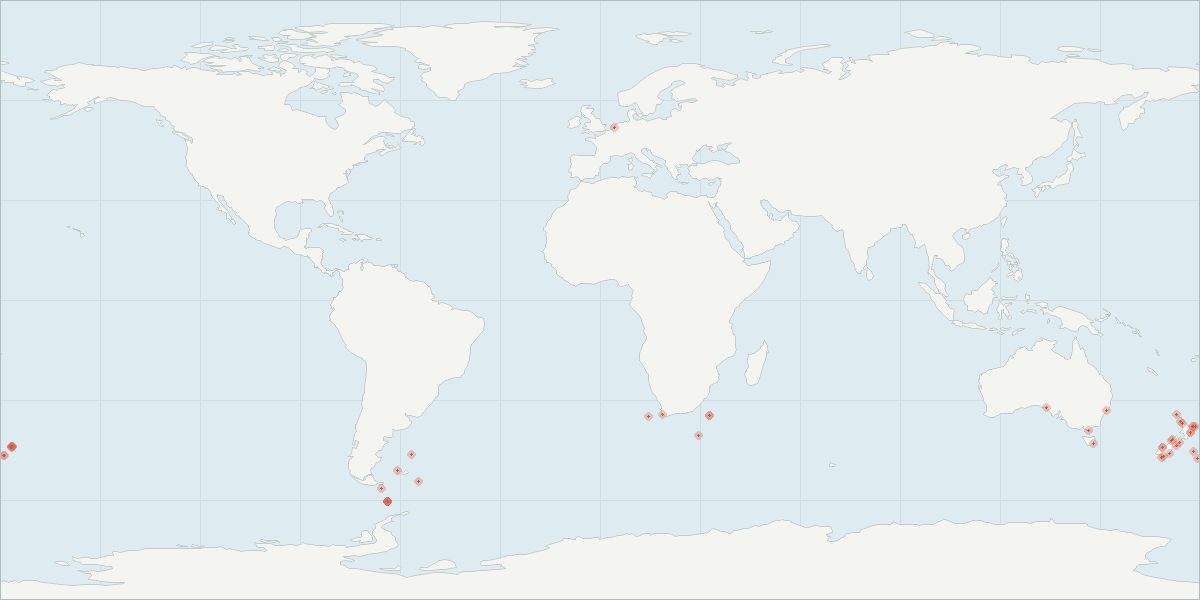
According to the open data of the GBIF, 45 georeferenced sightings of Mesoplodon grayi are recorded in our photographic index.

Main countries of observation
CountryNotes
New Zealand38
Australia6
Antarctica5
Argentina3
Falkland Islands (Malvinas)3
South Africa3
Netherlands2
Peru1
unknown or invalid1

Distribution map: Gray's beaked whale (Mesoplodon grayi)

Distribution map: Gray's beaked whale (Mesoplodon grayi), 45 georeferenced sightings from GBIF
45 georeferenced sightings of Mesoplodon grayi. Base map Natural Earth, public domain. GBIF data.
🗺️ Open the interactive mapTo zoom and pan. It uses the OpenStreetMap/CARTO base maps and the GBIF occurrence densities: no data is sent to these services before you click.

Presence through the year

Monthly distribution of 55 dated sightings (all years combined): the maximum is reached in February.

140janvier : 12janfévrier : 14febmars : 5maravril : 2avrmai : 0maijuin : 0juinjuillet : 1juilaoût : 1Augustseptembre : 4sepoctobre : 5octnovembre : 3novdécembre : 8dec
Sightings by month
MonthNotes
janvier12
February14
mars5
avril2
mai0
juin0
juillet1
August1
septembre4
octobre5
novembre3
December8

These figures reflect survey effort (more boaters and more surveys in summer) as much as the actual presence of the species: to be interpreted with caution.

En images

Mesoplodon grayi
© Oliver Keaney, CC BY-NC, 2026
Mesoplodon grayi
© Guy McDonald, CC BY-NC, 2026
Mesoplodon grayi
© IanLJones, CC BY-NC, 2026
Mesoplodon grayi
© Animal Analytics, CC BY-NC, 2026
Mesoplodon grayi
© William Harland, CC BY, 2026
Mesoplodon grayi
© Oliver Keaney, CC BY-NC, 2026
Mesoplodon grayi
© afahawkins, CC BY-NC, 2025
Mesoplodon grayi
© afahawkins, CC BY-NC, 2025
Mesoplodon grayi
© Peter de Lange, CC0, 2025
Mesoplodon grayi
© bretthartl, CC BY-NC, 2025
Mesoplodon grayi
© Julia Graeter, CC BY-NC, 2025
Mesoplodon grayi
© thadroller, CC BY-NC, 2024

Photographs from GBIF under a Creative Commons licence. The author and the licence of each photograph are given; please respect them if you reuse them.

Scientific references

  1. Dalebout M., Russell K., Little M., Ensor P. et al. (2004) Observations of live Gray's beaked whales (Mesoplodon grayi) in Mahurangi Harbour, North Island, New Zealand, with a summary of at‐sea sightings, Journal of the Royal Society of New Zealand
  2. Westbury M., Thompson K., Louis M., Cabrera A. et al. (2021) Ocean-wide genomic variation in Gray's beaked whales, Mesoplodon grayi, Royal Society Open Science
  3. Pitman R. (2018) Mesoplodon Beaked Whales, Encyclopedia of Marine Mammals
  4. Gales N., Dalebout M., Bannister J. (2002) GENETIC IDENTIFICATION AND BIOLOGICAL OBSERVATION OF TWO FREE‐SWIMMING BEAKED WHALES: HECTOR'S BEAKED WHALE (MESOPLODON HECTORI, GRAY, 1871), AND GRAY'S BEAKED WHALE (MESOPLODON GRAYI, VON HAAST, 1876), Marine Mammal Science
  5. Thompson K., Patel S., Williams L., Tsai P. et al. (2014) High coverage of the complete mitochondrial genome of the rare Gray’s beaked whale ( Mesoplodon grayi ) using Illumina next generation sequencing, Mitochondrial DNA Part A
  6. Turner W. (1909) XLI.—The Skeleton of a Sowerby's Whale (Mesoplodon bidens) stranded at St Andrews, and the Morphology of the Manus in Mesoplodon, Hyperoodon and the Delphinidæ, Proceedings of the Royal Society of Edinburgh
  7. (2020) Mesoplodon grayi: Pitman, R.L. & Taylor, B.L., IUCN Red List of Threatened Species
  8. de Boer M., van den Bergh M., Pool M., Willems T. et al. (2023) First records of Mesoplodon europaeus (Gervais, 1855), Gervais’ Beaked Whale (Cetacea, Ziphiidae, Mesoplodon), and other beaked whales in Suriname, South America, Check List

Automatic selection of the most cited works mentioning the species (source: Crossref).