The champion of deep diving: up to 2,992 metres and a 3 h 42 min breath-hold.
Cuvier’s beaked whale (Ziphius cavirostris)
A cosmopolitan deep diver of continental slopes and submarine canyons, this discreet ziphiid holds the known diving records among mammals and is found mainly in waters > 800-1,000 m, far from steep coasts.
quick portrait
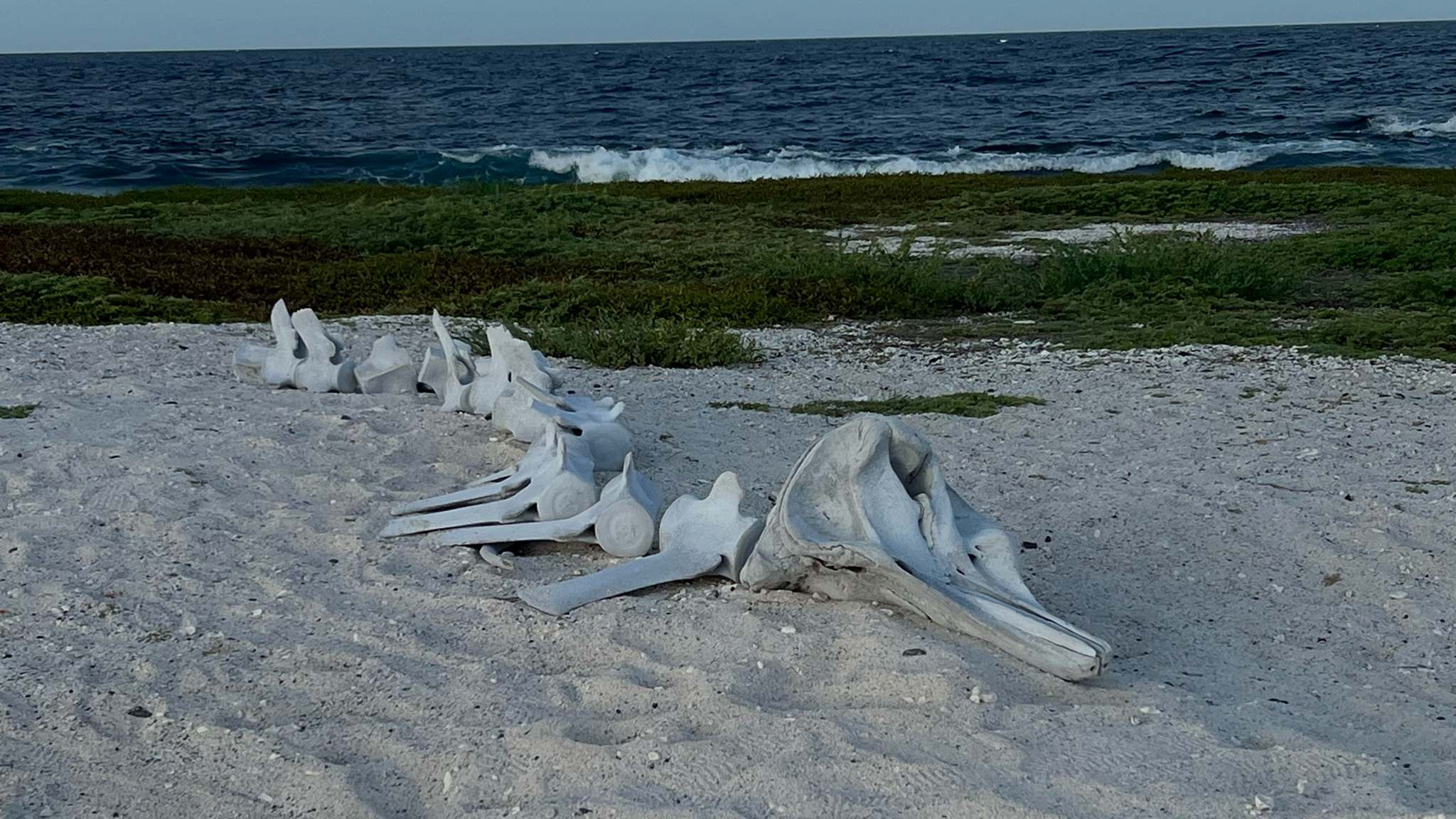
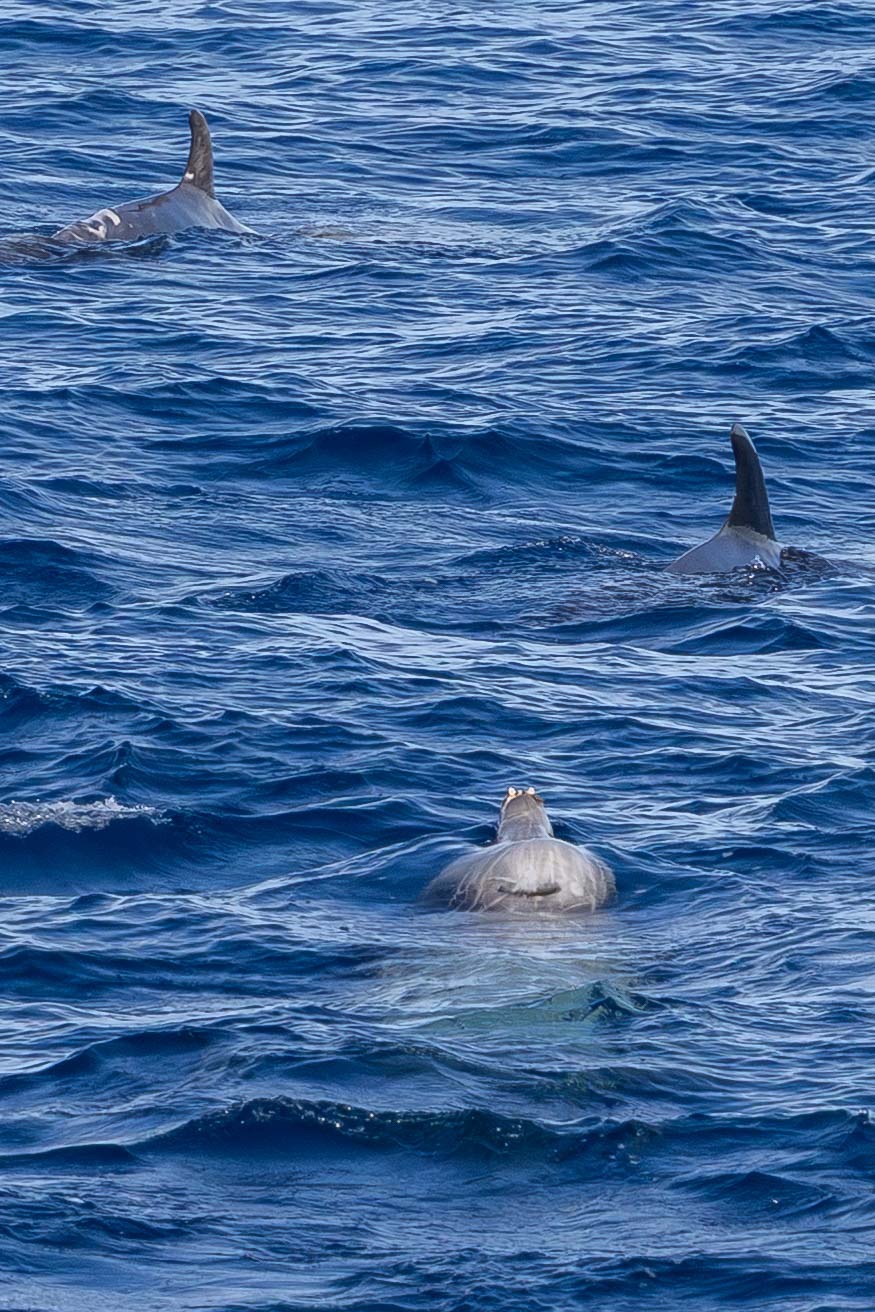
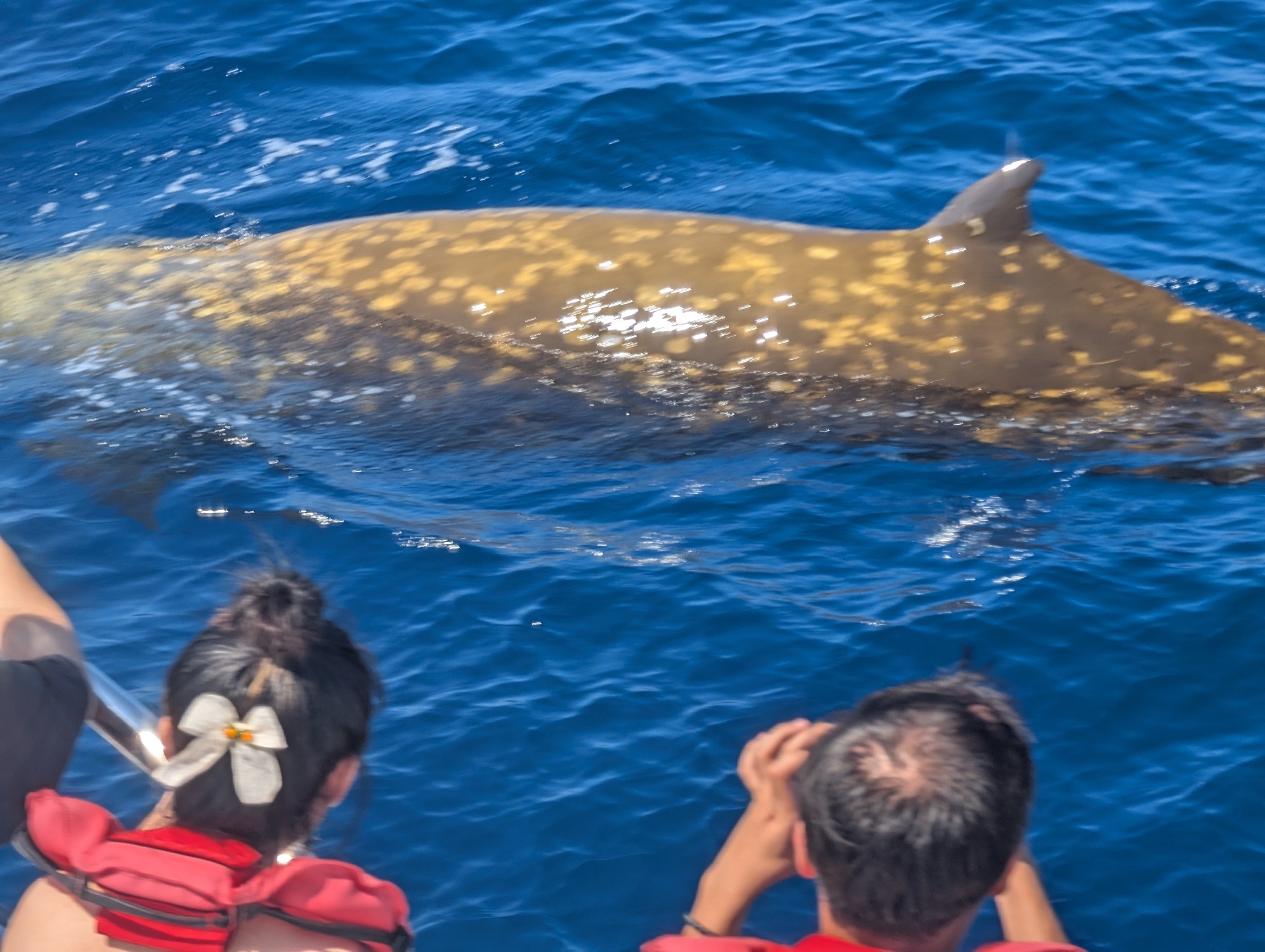
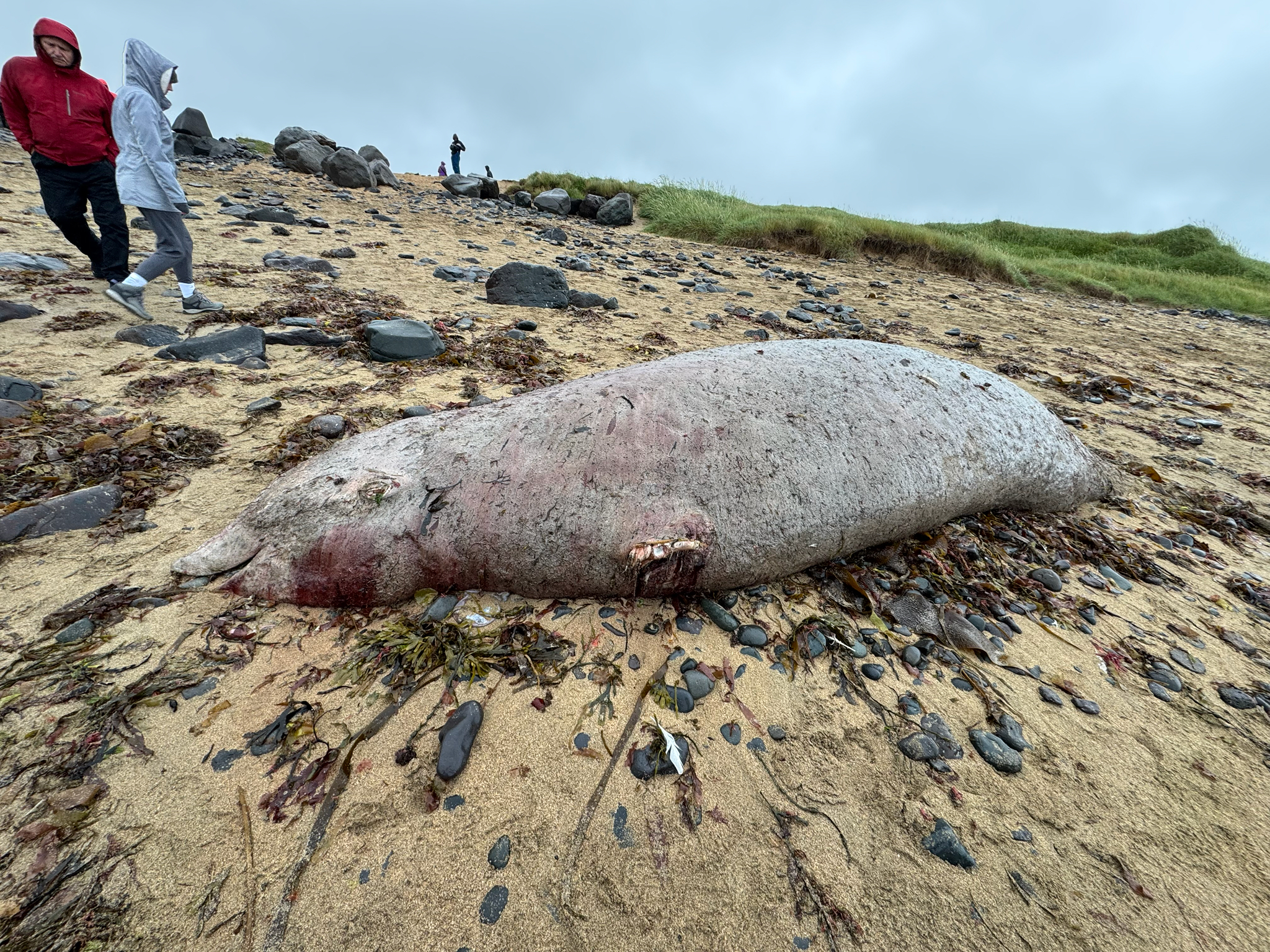
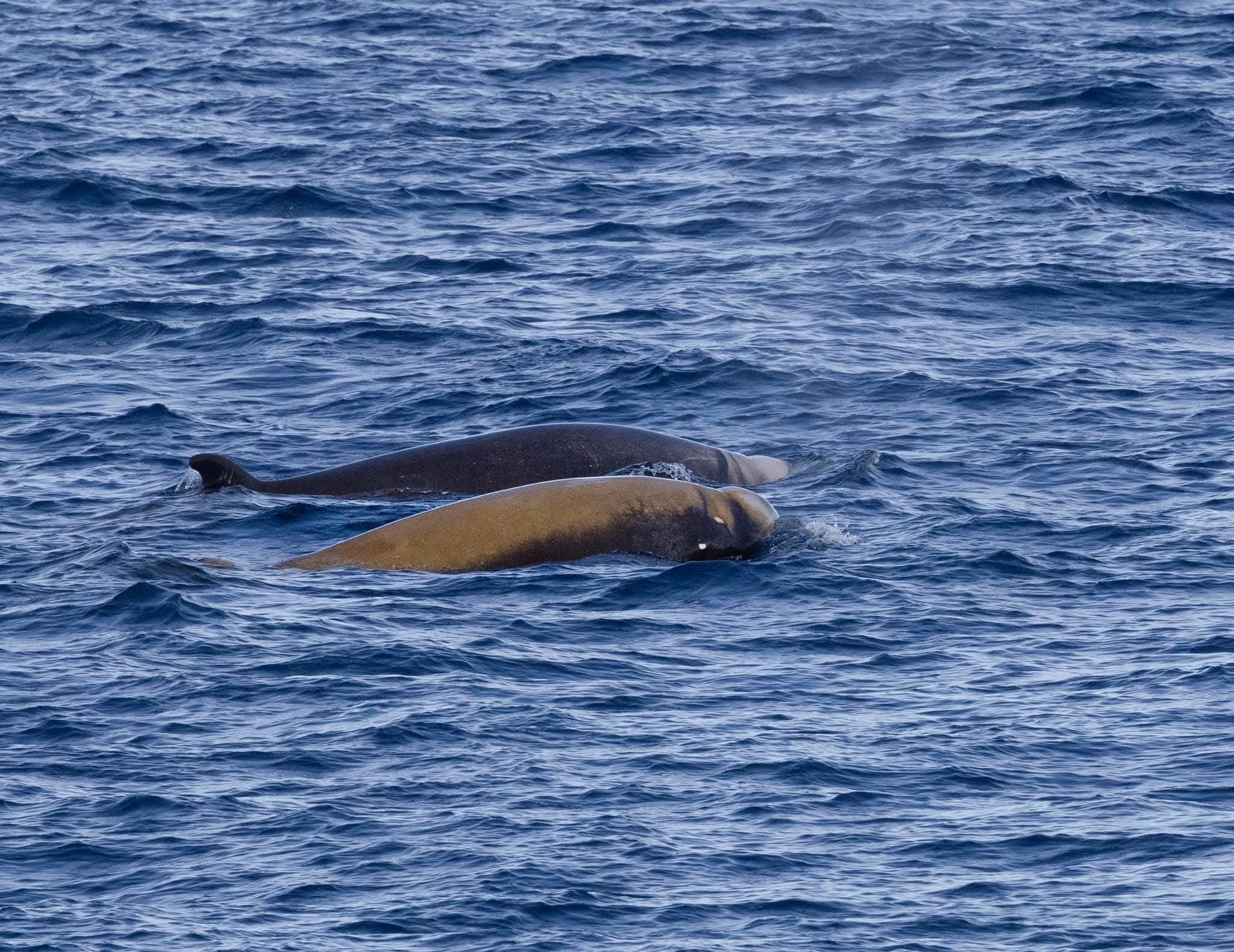
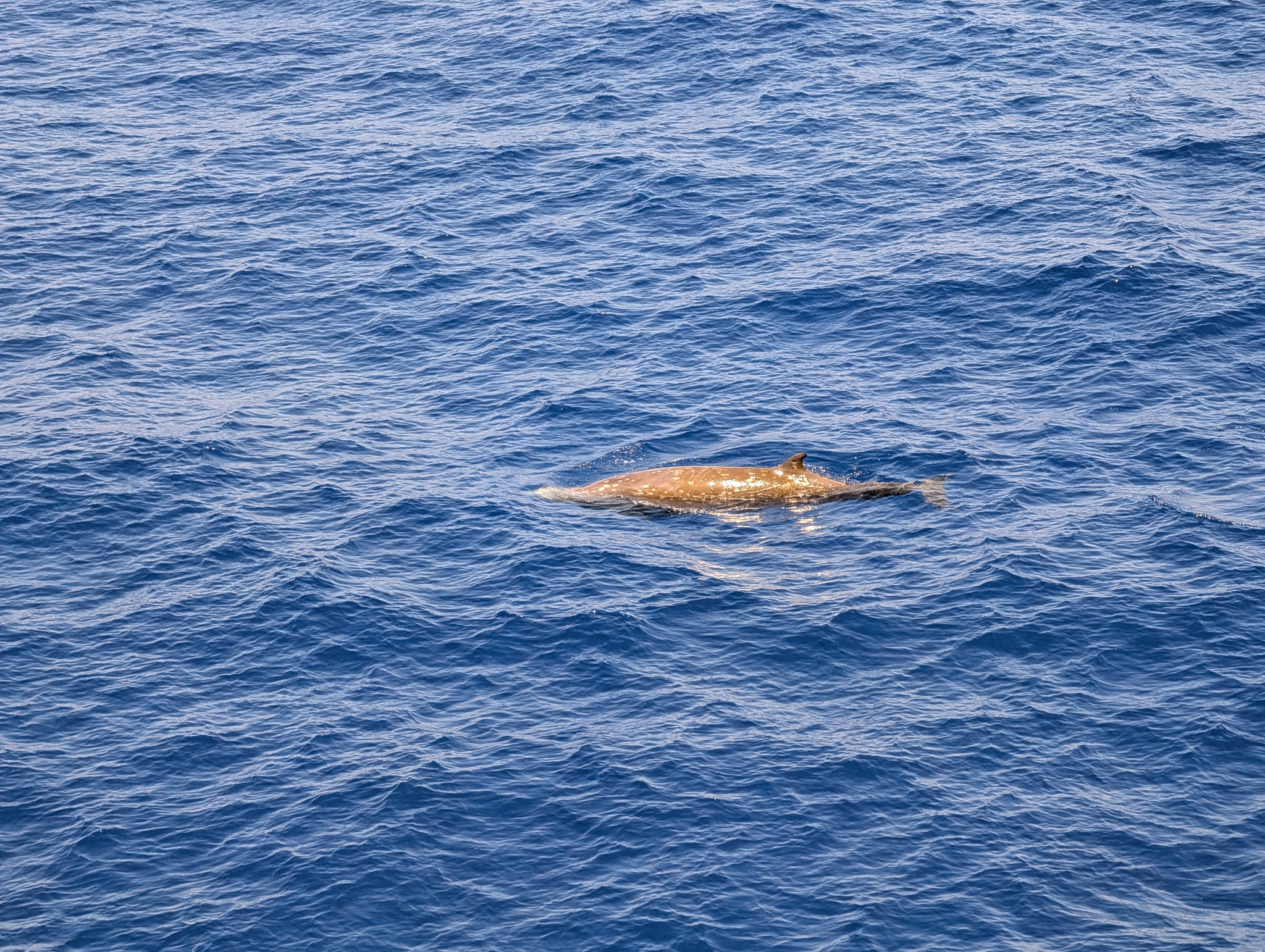
Size & mass. Adult 5-7 m; streamlined body, small falcate dorsal fin set in the last third of the back. Highly variable coloration (slate grey to reddish brown), with a head that is often pale in old males and a body covered in linear scars and oval marks (bites from cookie-cutter sharks). Two throat grooves in a “V”. In the male, two teeth emerge at the tip of the lower jaw.
Global distribution. A species widely distributed in temperate to tropical oceans, absent only from polar waters; in the Mediterranean, regular occurrence and high densities around the canyons (Ligurian, Corsica-Sardinia, etc.).
identification features
Sloping head profile, short and barely pronounced beak; distinctly whitish head in many adult males.
Two V-shaped throat grooves (absent in most delphinids).
Small dorsal fin, triangular to falcate, set well back.
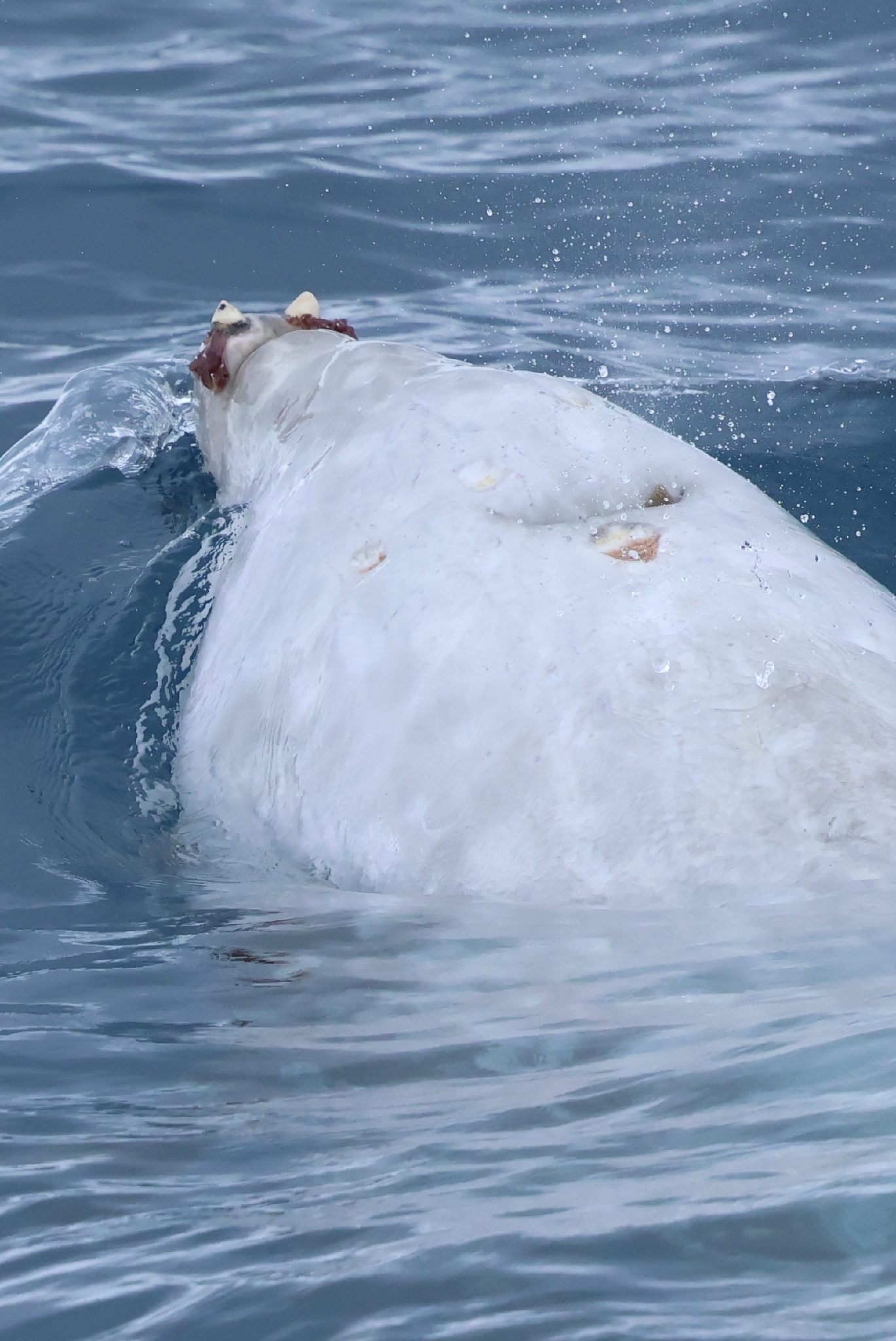
Females and juveniles with no visible teeth; in the male, 2 erupted apical teeth.
Numerous linear scars (rivalry between males) + oval scars (Isistius spp.).
It can be confused at sea with the mesoplodont beaked whales (e.g. Mesoplodon densirostris): Ziphius is told apart by its shorter beak, its sloping head, the whitish head of the males, the very posterior position of the dorsal fin and the two pronounced throat grooves. The presence of two apical teeth (male) differs from the mesoplodont beaked whales, in which the position of the teeth varies with the species.
Statuses & conventions: global IUCN LC (2018 update covering most of the ziphiids); Mediterranean subpopulation VU; CITES Appendix II; CMS Appendix II (species) and Appendix I (Mediterranean, COP11 decision 2014). Identifiers WoRMS AphiaID 137127; Wikidata Q623173.
habitat & distribution
global range
A species with a vast biogeographical amplitude, Cuvier’s beaked whale is present in most of the world’s oceans and seas, from tropical waters to temperate zones, with a marked absence only at high polar latitudes. In all likelihood it is the beaked odontocete with the most extensive range.
Mediterranean foothold
In the Mediterranean, occurrence is regular in deep-water sectors close to the continental slope and the canyons. The main documented areas of high density are: the Alboran Sea, the Genoa Canyon (Ligurian Sea), the central Tyrrhenian (Caprera sector), the southern Adriatic and the Hellenic Trench. The Pelagos Sanctuary alone holds two of the five highest-density cores identified at basin scale.
Ligurian Sea (Pelagos): the Genoa canyons and those of the Liguro-Provençal margin, visited all year round.
Hellenic Trench: core habitat of the distribution in the eastern Mediterranean, a steep slope and trenches reaching ~5,000 m.
Central Tyrrhenian: canyon system (Caprera and neighbouring canyons), regular presence.
Southern Adriatic: deep slope and adjacent trenches, confirmed occurrences.
Alboran Sea: Atlantic-Mediterranean transition zone, high relative density.
habitat preferences
The ecological core of the species is associated with deep oceanic waters in the immediate vicinity of continental slopes and canyons, where the topography concentrates prey and currents. Aerial and boat-based surveys show occurrence mostly along these features, rather than offshore over uniform abyssal plains.
phenology & movements
At the regional scale, stranding and monitoring data do not indicate any marked seasonal migration; presence appears to be year-round in favourable sectors, with movements along the slope and between canyons.
Main sources: NOAA Fisheries (species profile), Pelagos Sanctuary (species profile), ACCOBAMS & IMMA (technical reports), Cañadas et al. 2018; Podestà et al. 2016 (syntheses and habitat-use maps).
behaviour & ecology
dive architecture
Cuvier’s beaked whale shows a bimodal dive profile: deep dives (often > 800 m) devoted to feeding alternate with shallow dives for recovery. In the eastern Pacific (California), the median of the deep dives is ~1,456 m for ~59 min, the shallow dives ~275 m for ~21 min, with very short surface intervals (often 2-8 min). The species holds the records among mammals: 2,992 m in depth and 222 minutes in duration (3 h 42 min).
activity rhythm
Typical sequences group one deep dive followed by several shallow dives, with little diel variation documented in the activity pattern. The mean foraging depth observed around California is ~1,182 m, reflecting a meso-/bathypelagic trophic zone.
echolocation & foraging
Like the other ziphiids, the species emits FM upsweep pulses (≈25-60 kHz, peak ~32-40 kHz, IPI ~0.25-0.5 s) during search phases near the bottom; these turn into rapid buzzes as it closes on prey. This high-frequency sonar is suited to detecting small prey in dark conditions and at long range, with high directivity.
diet
The diet is dominated by mesopelagic cephalopods (histioteuthids, onychoteuthids, etc.), supplemented by fish (myctophids in particular) and, more rarely, crustaceans; the composition varies between ocean basins. Worldwide analyses of stomach contents confirm the predominance of deep-sea squid.
social structure & interactions
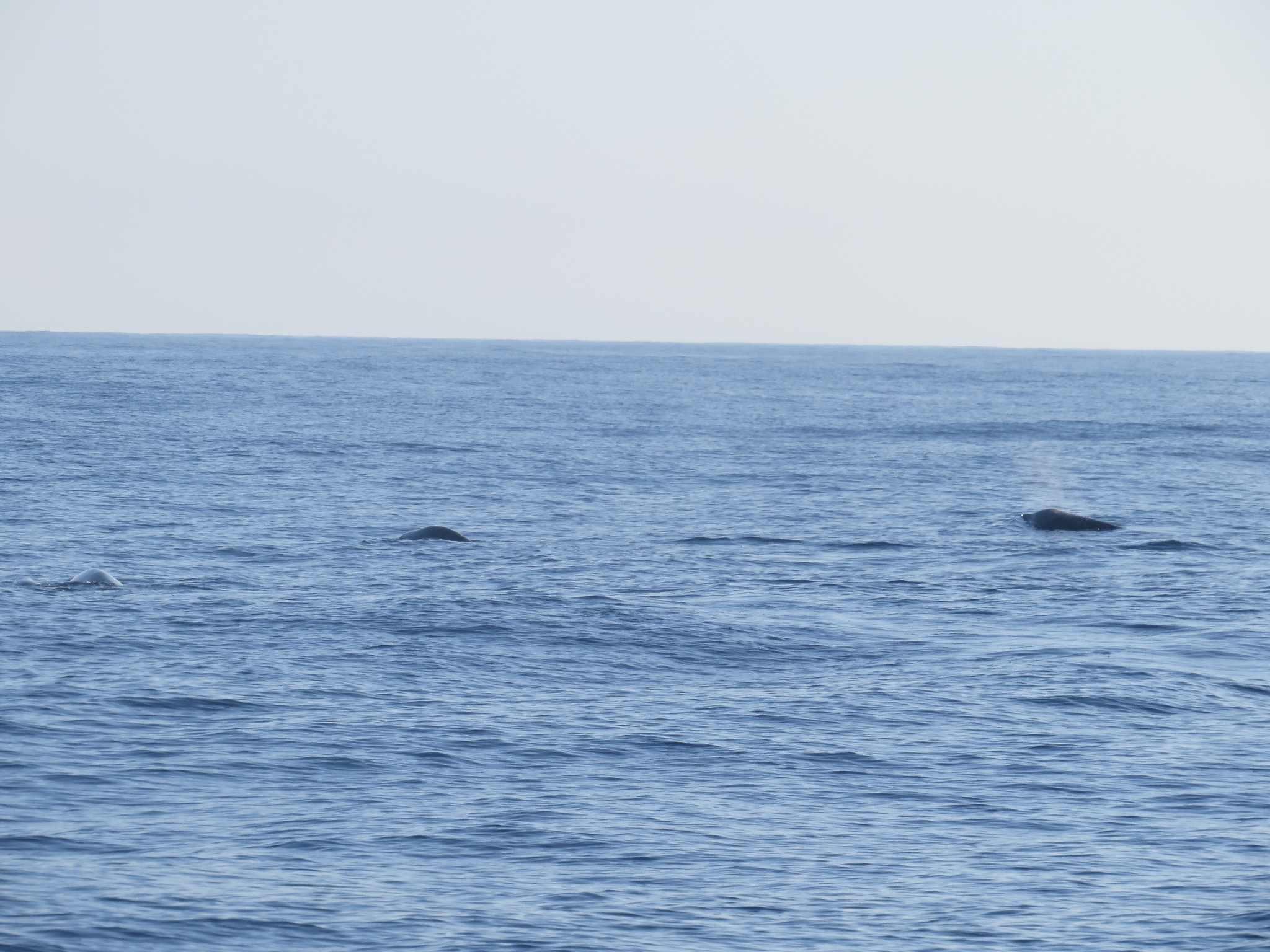
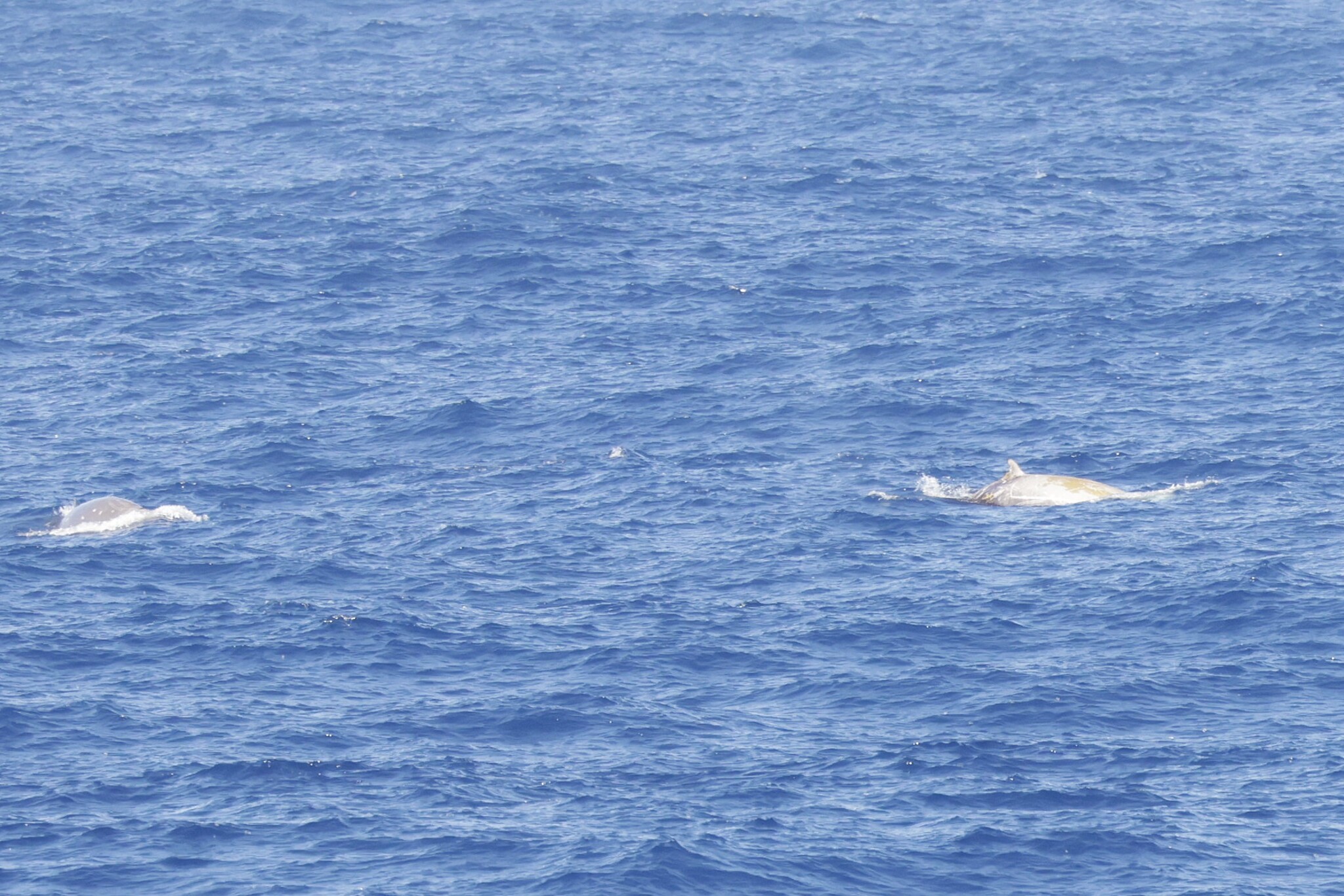
Sightings at sea describe mostly groups of 2 to 7 individuals, sometimes solitary animals. Males use their two apical teeth as weapons in intrasexual interactions, leaving characteristic linear rake marks on other individuals; the hypopigmented oval marks come from the bites of cookie-cutter sharks (Isistius). Differences in pigmentation and marking help determine the sex in adults.
responses to noise & atypical strandings
A species that is particularly sensitive to mid-frequency military sonar (2-10 kHz), Cuvier’s beaked whale has repeatedly been involved in atypical mass strandings in the Mediterranean (Greece 1996; Crete 2014) and elsewhere. Experimental work shows changes in behaviour (prolonged dives, rapid movement away, acoustic silence) during exposures. The regional bodies (ACCOBAMS, Pelagos) have issued mitigation recommendations for key habitats.
Key refs: Schorr et al. 2014 (PLOS ONE); Barlow et al. 2020-2021; Royal Society Open Science 2019; NOAA Fisheries; ACCOBAMS & Pelagos; reviews of the diet.
biology
morphology
Streamlined body (typically 5-7 m), small dorsal fin set well back, two “V”-shaped throat grooves. Marked sexual dimorphism: in the male, two teeth emerge at the tip of the lower jaw and the head becomes largely whitish; the body carries numerous linear rake marks from intrasexual fights and oval scars from cookie-cutter sharks. Adult mass estimated at up to ~3 t depending on the population.
reproduction
Sexual maturity at around 7-11 years (males ~5.5-6 m; females ~6 m). Cycle apparently continuous (births all year round, with a spring peak in some regions). Gestation ~12 months; litter of a single calf; interval between births ~2-3 years. Newborn ~2-2.7 m for ~250-300 kg (≈550-660 lb). Lactation duration poorly documented (probably ≥12 months).
growth & longevity
Linear growth is rapid in the first years, then slows until maturity. Estimated maximum longevity reaches ~60-62 years, with a likely mean > 30 years.
diving physiology
oxygen stores & distribution
As in the other great divers, most of the usable oxygen is stored in the blood (haemoglobin) and in the muscles (myoglobin), rather than in the lungs. Myoglobin concentrations in cetaceans are exceptionally high (≈1.8-5.8 g/100 g of wet muscle depending on the species), giving the muscles a very dark red tint and a large local autonomy.
cardiorespiratory response
Deep dives are accompanied by a marked bradycardia and a peripheral vasoconstriction that give priority to perfusion of the brain and the heart, while the muscles draw on their myoglobin store; the intensity of this “dive response” is modulated according to the effort and the expected duration. These mechanisms, documented in several odontocetes, are consistent with the record durations reached in Ziphius (> 3 h).
gas exchange & alveolar collapse
Thoracic compression and pulmonary compliance favour the transfer of air from the alveoli towards the conducting airways at depth, inducing a progressive alveolar collapse that limits exchange and the dissolved nitrogen load. Models and measurements suggest a collapse threshold typically between ~30 and 100 m (varying with initial lung volume and species), then a growing pulmonary shunt that protects against supersaturation.
nitrogen management & hypoxia tolerance
In the great divers (including Ziphius), the combination of bradycardia, vasoconstriction and alveolar collapse, the optimisation of O2 stores and the kinematics of the dive reduce the risk of inert gas desaturation. Work on related species shows high PN2 at the end of the dive with no evidence of an increased risk of decompression sickness under natural conditions; bubble remnants observed in strandings are interpreted with caution (post-mortem factors).
IUCN status (global): LC, Least Concern (latest assessment 2018). Ref. ASCOBANS/IUCN.
Mediterranean subpopulation: VU, Vulnerable; population ≈ 5,800 individuals (2018 estimate).
Conventions: CITES Appendix II (regulated trade); CMS Appendix II (species) and CMS Appendix I for the Mediterranean subpopulation.
Mediterranean regional: Pelagos Sanctuary (SPAMI, Barcelona); NW Mediterranean PSSA (IMO, 2023) to reduce the risks linked to shipping traffic.
main documented pressures
MFAS & impulsive military sonar: repeated correlations with atypical mass strandings (Greece 1996, 1997; Crete 2014) and behavioural changes (prolonged dives, acoustic silence).
Seismic surveying & offshore prospecting: recurrent conflicts of use in the Hellenic Trench (IMMA), with calls for moratoria and avoidance recommendations.
Shipping traffic noise: high levels mapped in the Pelagos Sanctuary; stepped-up acoustic monitoring effort in 2025.
Bycatch (pelagic gear, deep-set gear) and ship strikes: pressures that are not negligible, depending on the region.
Pollutants & waste: vulnerability to hydrocarbons and plastics; impacts recognised across the ziphiids.
sensitive areas & management measures
Hellenic Trench (IMMA): core habitat for Ziphius; recommendations to avoid sonar and seismic surveys there.
ACCOBAMS: anti-noise Guidelines (extended watch of up to 120 min in areas holding ziphiids, avoidance of known habitats), regional register of impulsive sources.
NW Mediterranean PSSA (IMO, 2023): a particularly sensitive sea area, calling for heightened vigilance from mariners to protect cetaceans and their habitats.
recommended action priorities
Spatial planning: exclude/constrain sonar and seismic surveying in the IMMAs and the dense cores (Pelagos, Hellenic Trench).
Described before it was ever seen alive. In 1823 Cuvier described the species from a skull found near Fos-sur-Mer and believed it to be a fossil; it was only in the middle of the 19th century that the skull was linked to a stranded whale.
A double world record. Confirmed maximum depth: 2,992 m (PLOS ONE, 2014). Confirmed maximum duration: 222 min (3 h 42 min) off North Carolina (2020).
“Stealthy” group ascents. To limit the risk of predation by the killer whale, groups closely synchronise their ascent from the bottom and reduce their sound emissions near the surface.
Ultra-short surface intervals. The median of the surface pauses is about 2.2 minutes, with a quick return to dive cycles; a behaviour that is rare among cetaceans.
A sonar more complex than was thought. Echolocation “clicks” are not merely rising frequency sweeps: they combine upsweep and downsweep components brought out by time-frequency analyses (Wigner-Ville).
Suction feeding. The two throat grooves and a powerful hyoid apparatus make it possible to suck in prey (squid, mesopelagic fish) without using the teeth; dissections have established the functional basis of this strategy.
An “armoured” rostrum for fighting. The rostrum shows an exceptional bone densification (pachyostosis/osteosclerosis), one of the densest bone tissues described in any mammal, probably linked to sexual competition between males.
Sexing by eye in photo-ID. In adults, the pigmentation pattern (pale head in males) and the distribution of the rake marks (tooth gouges from fights) make it possible to identify the sex at sea.
Signatures of abyssal predators. The oval “bite-shaped” scars come from cookie-cutter sharks (Isistius); these very common marks also serve as individual clues.
A feared parasite.Crassicauda nematodes can damage the kidneys, the urinary tract and the arteries; in the Canary Islands, this parasitic infection is among the most frequent natural causes of death in the species.
Silence near the surface, clicks at depth. The species stays discreet above ~200 m, then switches on its sonar during the deep foraging phase, a behaviour interpreted as an anti-predator strategy.
Progressive whitening of the head. With age (especially in males), the head pales markedly and this is accompanied by a darker “mask” around the eye: a useful visual clue in the field.
Would you like an “in the field” box (visual clues, the blow, the look of the animal when surfacing) or a timeline (1823 → 2020 records)? I can add it just below.
Observed distribution
According to the open data of the GBIF, 422 georeferenced sightings of Ziphius cavirostris are recorded in our photographic index.
Main countries of observation
Country
Notes
United States of America
182
Italy
70
Spain
60
Japan
18
Chinese Taipei
15
Ecuador
15
Russian Federation
14
Mexico
14
unknown or invalid
12
Canada
9
Distribution map: Cuvier's beaked whale (Ziphius cavirostris)
422 georeferenced sightings of Ziphius cavirostris. Base map Natural Earth, public domain. GBIF data.
🗺️ Open the interactive mapTo zoom and pan. It uses the OpenStreetMap/CARTO base maps and the GBIF occurrence densities: no data is sent to these services before you click.
Presence through the year
Monthly distribution of 492 dated sightings (all years combined): the maximum is reached in August.
Sightings by month
Month
Notes
janvier
36
February
13
mars
23
avril
53
mai
40
juin
47
juillet
74
August
93
septembre
32
octobre
41
novembre
17
December
23
These figures reflect survey effort (more boaters and more surveys in summer) as much as the actual presence of the species: to be interpreted with caution.
Photographs from GBIF under a Creative Commons licence. The author and the licence of each photograph are given; please respect them if you reuse them.