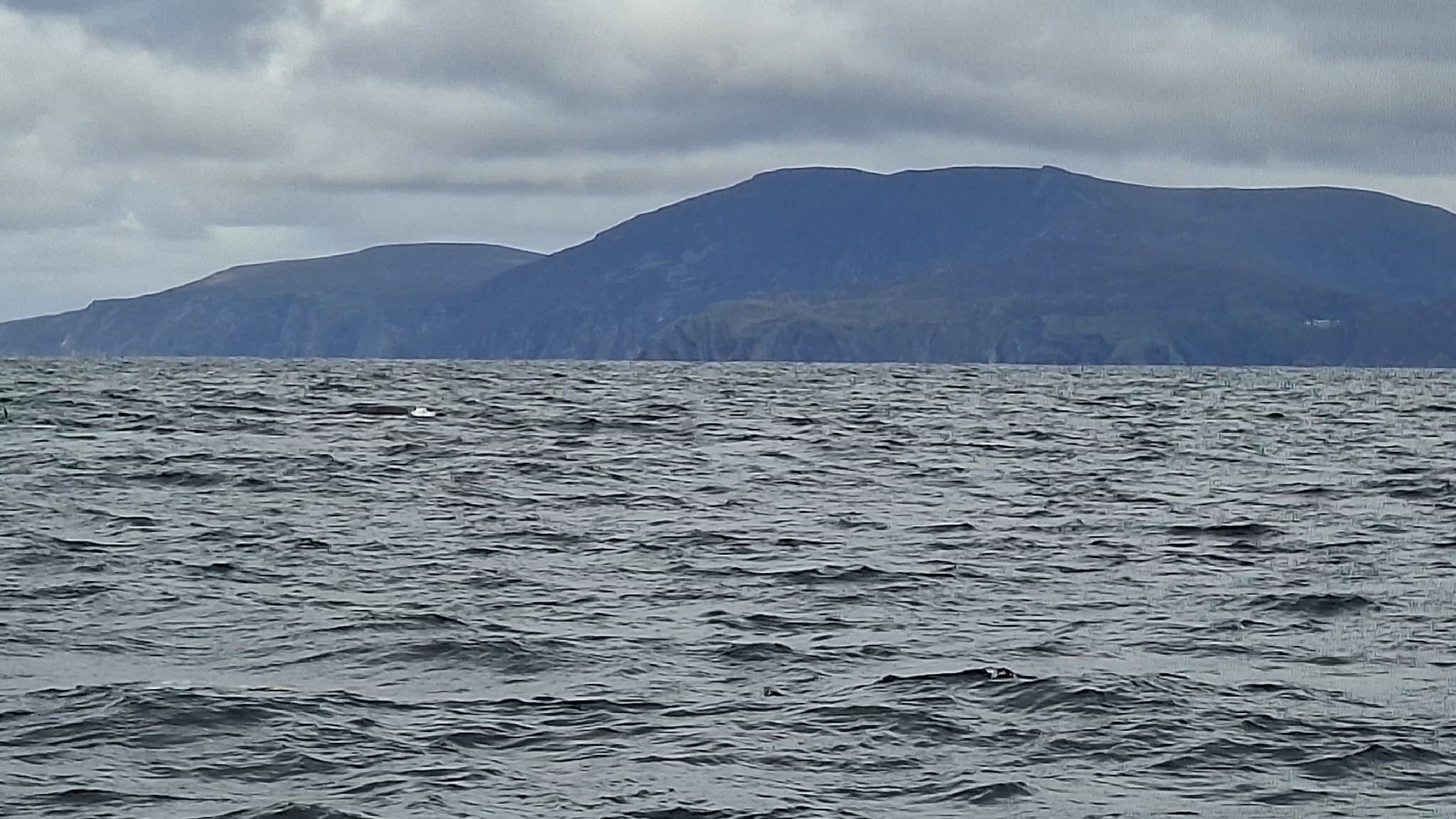
| Scientific name | Balaenoptera acutorostrata (Lacépède, 1804) |
|---|---|
| Other names | Common minke whale, little piked whale (English); rorqual à museau pointu, baleine de Minke, baleine de Mincke (French); the unnamed southern form is known as the dwarf minke whale. |
| Size | Adults 7 to 10 m on average (OFB range: 6.7-10.2 m; up to 10.7 m according to NOAA); newborn 2.4 to 3 m |
| Weight | 6,000 to 9,200 kg; recognised maximum ≈ 9.2 t (some popular sources mention up to 10 t); newborn 150 to 450 kg depending on the source |
| Longevity | About 50 years; maximum ages read in the Icelandic studies: 47 years (male) and 42 years (female) |
| Diet | Krill (euphausiids) and small schooling fish: capelin, sandeel, herring, mackerel, cod, haddock, sardine, anchovy, saithe, saury. Composition highly variable by region and season. Feeds by lateral lunges (lunge feeding). |
| IUCN status | Least Concern (LC), global IUCN assessment 2018 (Cooke, e.T2474A50348265), status maintained in the 2025 edition of the Red List. Also LC on the European Red List of Marine Mammals (2023) and on the French Red List. No subpopulation is assessed separately by the IUCN; the “J stock” (Sea of Japan / Yellow Sea) is regarded as depleted and has been protected by the IWC since 1986, but is not the subject of a separate IUCN assessment. Not to be confused with the Antarctic minke whale (B. bonaerensis), Near Threatened (NT). |
The common minke whale is the smallest of the rorquals of the Northern Hemisphere: 7 to 10 metres for 6 to 9 tonnes, a pointed V-shaped snout and a characteristic white band on the flippers. Cosmopolitan, unobtrusive and often solitary, it frequents the Arctic sea ice as readily as tropical waters, and remains the most abundant of the large baleen whales of the North Atlantic. Listed as Least Concern (LC) by the IUCN, it remains the main species targeted by the commercial whaling still practised today.
The common minke whale is the smallest of the balaenopterids of the Northern Hemisphere. Adults generally measure 7 to 10 m, the Office français de la biodiversité gives a range of 6.7 to 10.2 m, NOAA reports individuals reaching 10.7 m, for a mass of 6,000 to 9,200 kg, the maximum recognised in the literature being about 9.2 t (some popular sources mention 10 t). Females are slightly larger than males, as in all mysticetes.
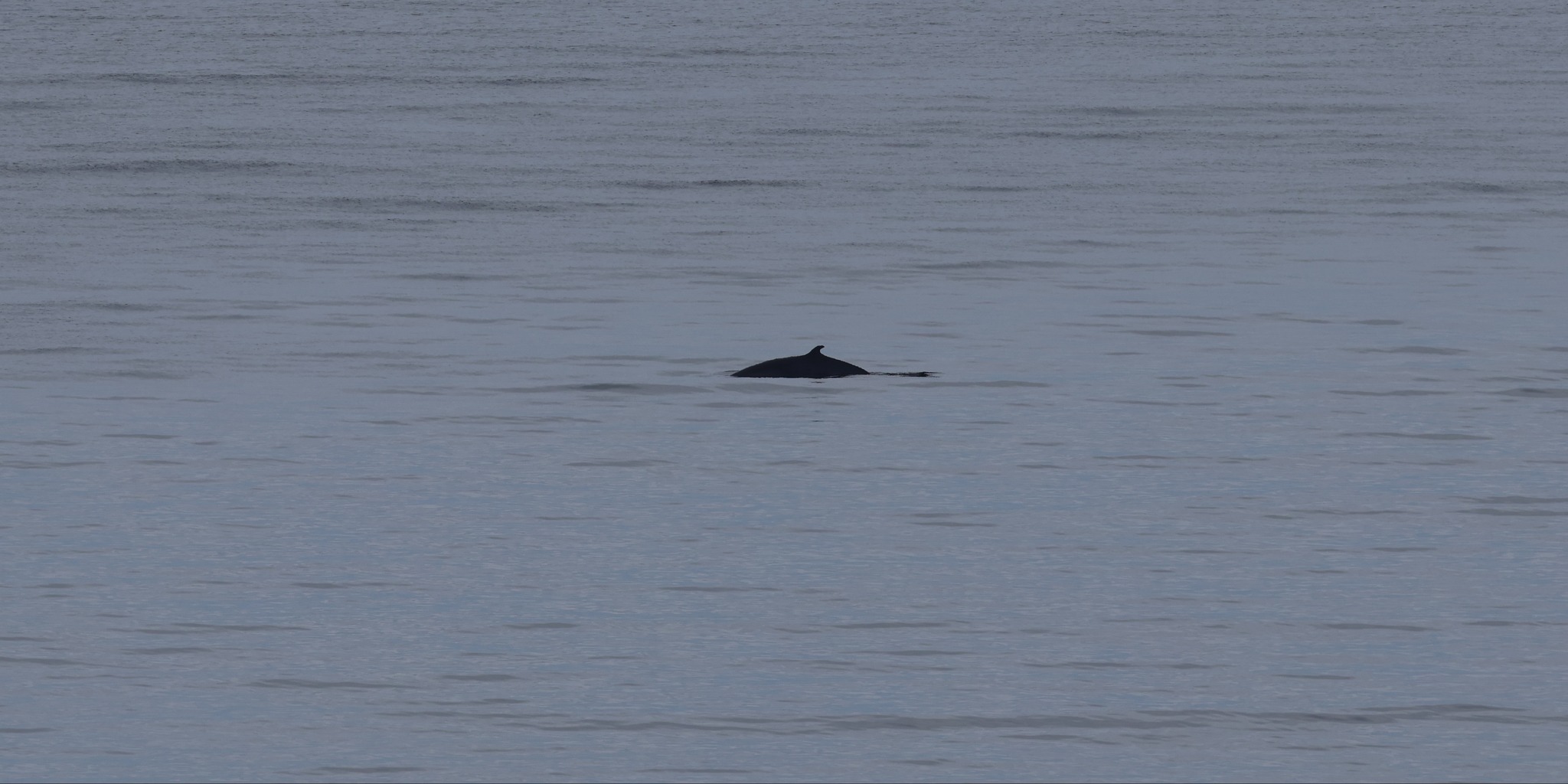
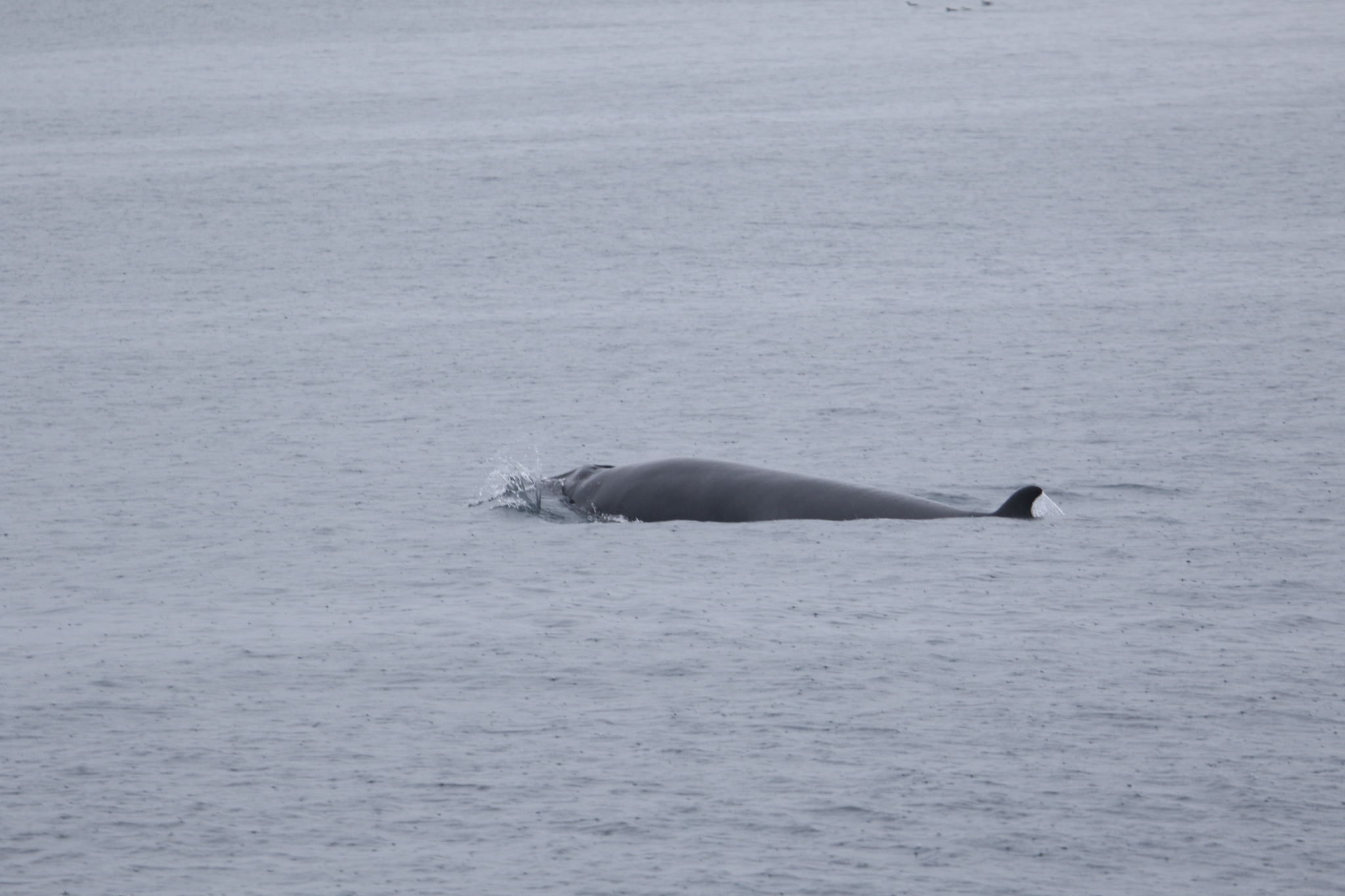
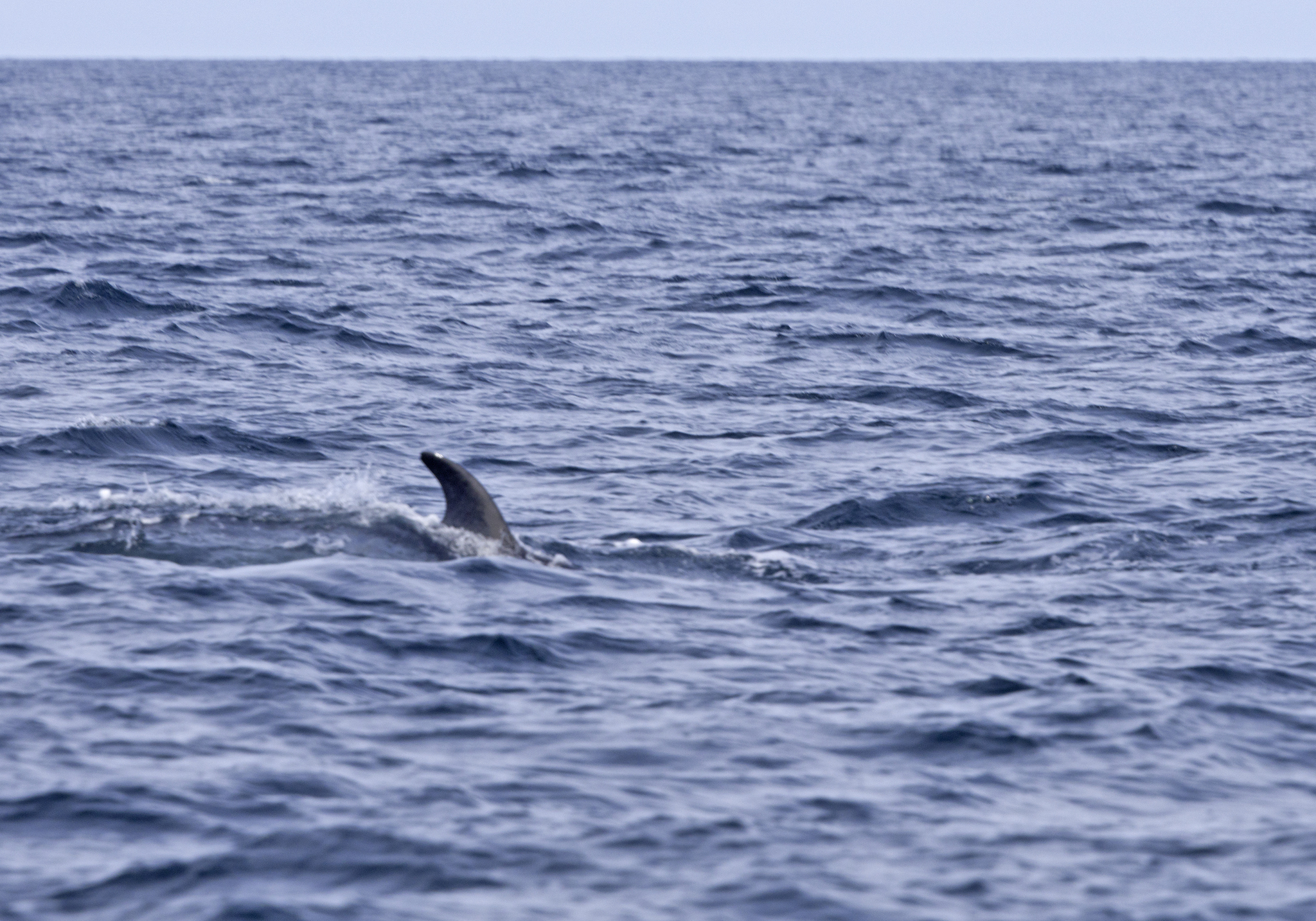
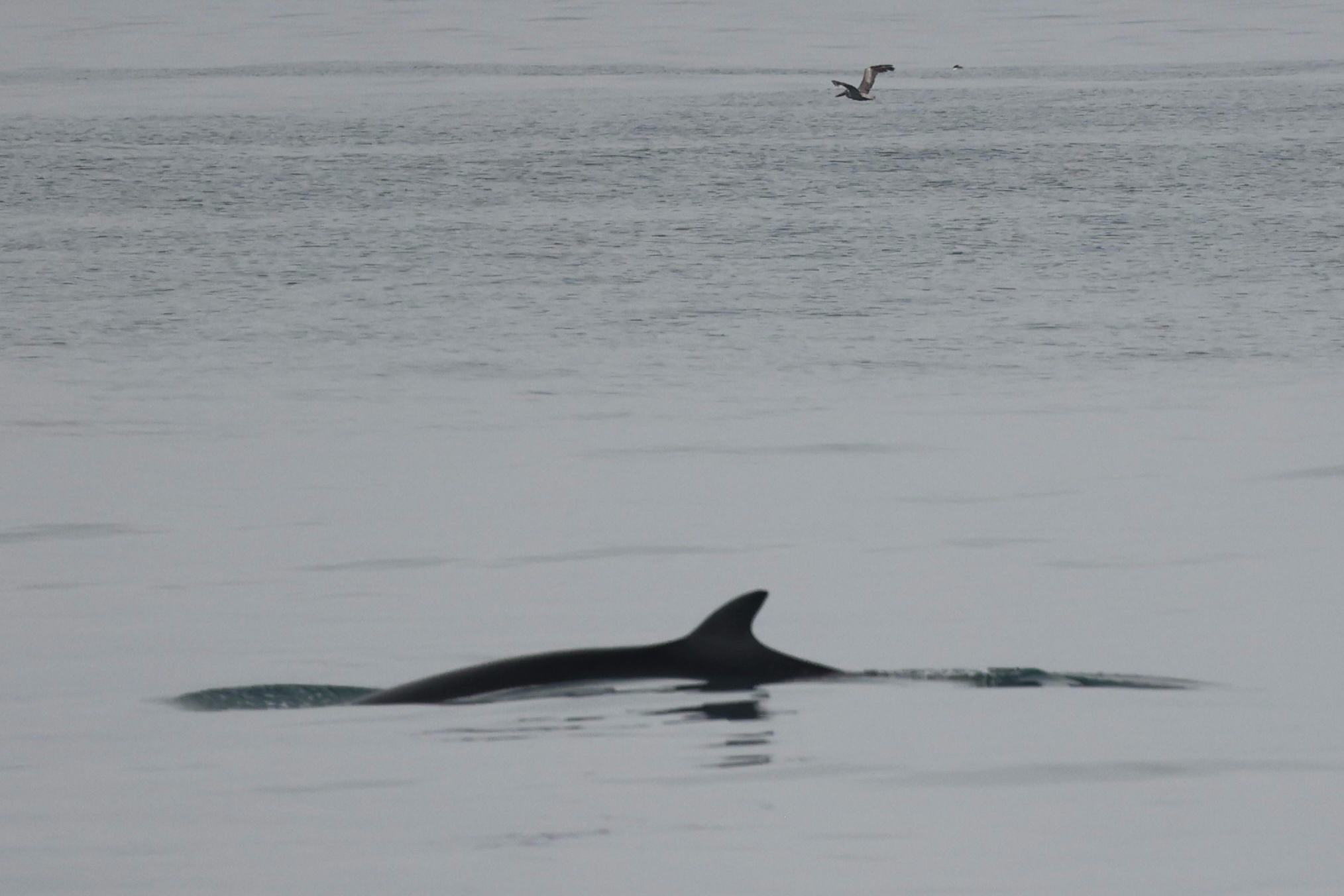
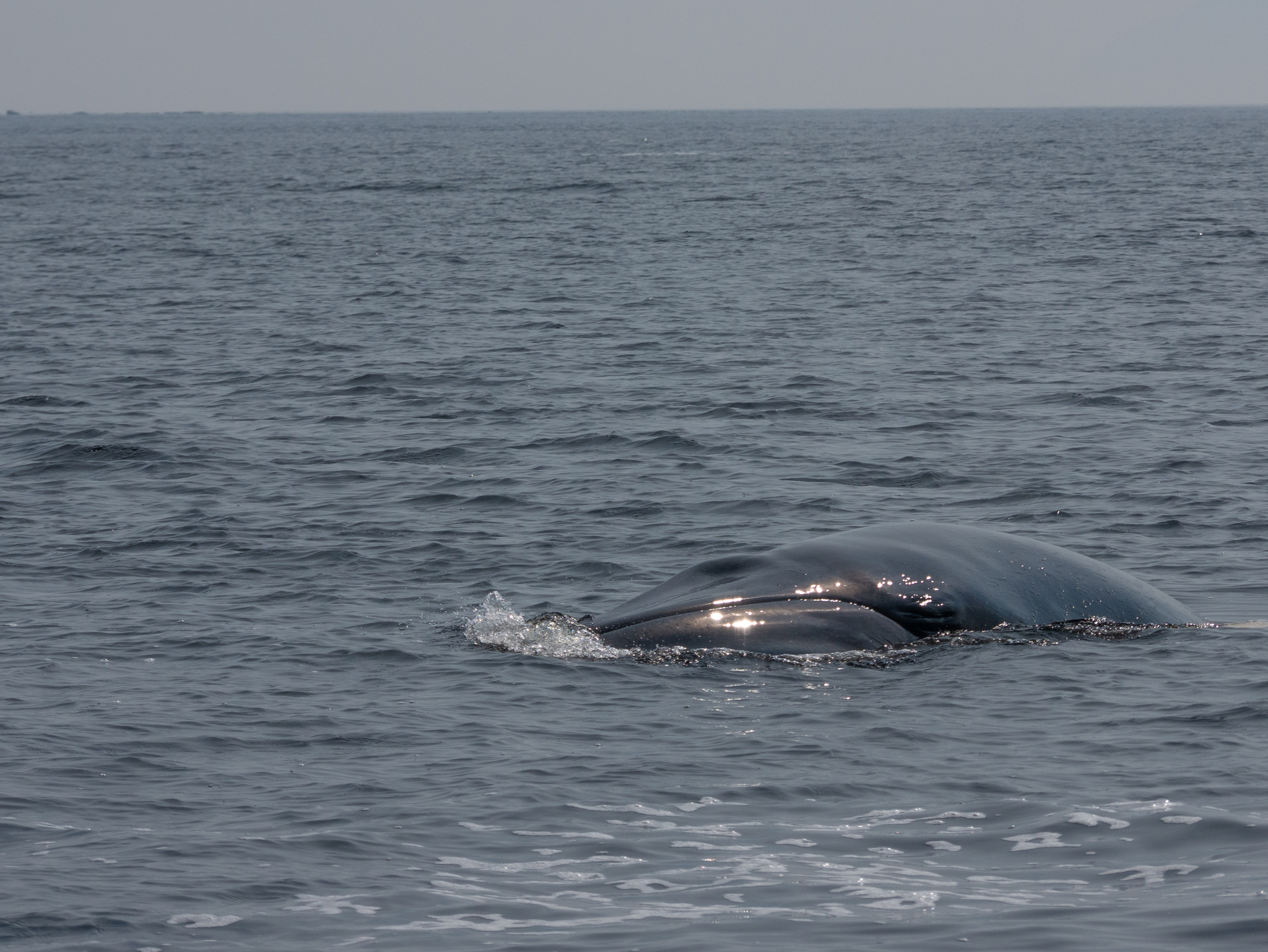
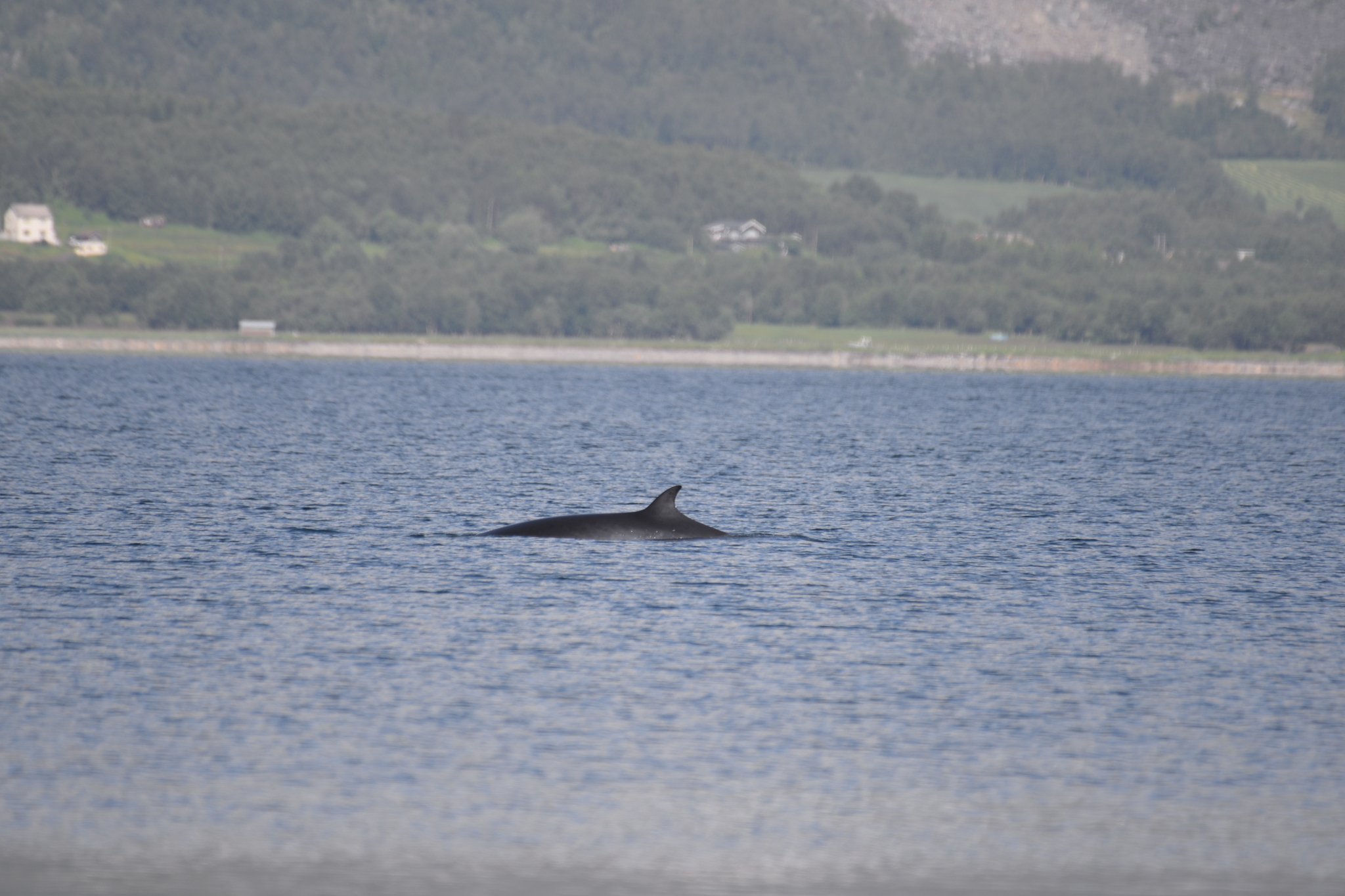
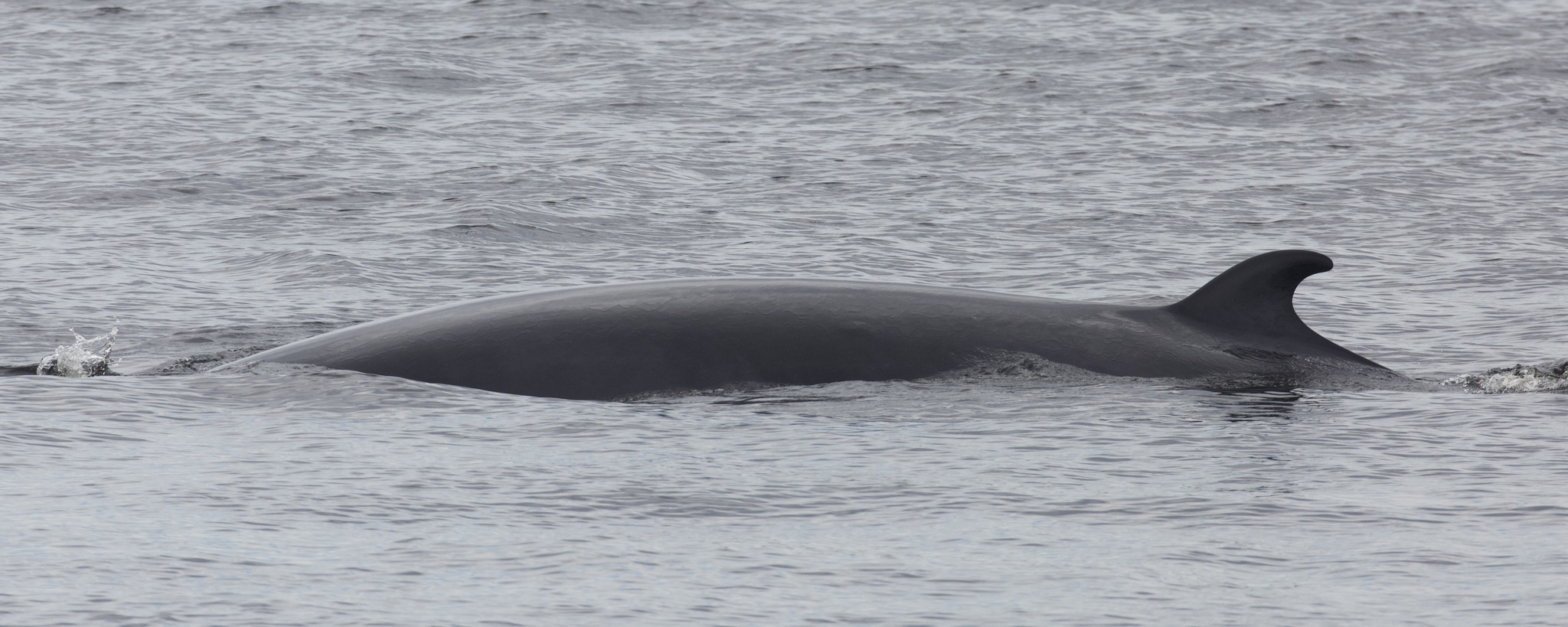
The outline is streamlined, slate grey to blackish on the back and flanks, white on the belly. Two features allow an almost certain identification. First the head: a narrow rostrum, distinctly triangular and pointed seen from above, crossed by a single median ridge running from the blowhole to the tip of the snout, whence the French name “rorqual à museau pointu”, the sharp-snouted rorqual. Then the transverse white band that crosses the outer face of each flipper, visible in almost all animals of the Northern Hemisphere (94% of individuals in the north-west Pacific show a clear band). The dorsal fin, falcate and tall (30 cm on average, up to 77 cm), is proportionally the largest of all baleen whales; it is set two thirds of the way back along the body and appears almost at the same time as the blowhole on surfacing. The throat bears 50 to 70 ventral pleats, which extend over about 47% of body length, well behind the flippers but without reaching the navel: this is, after the sei whale, the shortest ratio of all the rorquals. The mouth holds 230 to 360 yellowish-white baleen plates of 15 to 30 cm on each side (sources differ: 280 to 300 according to the American Cetacean Society).
Possible confusions: the other rorquals are all clearly larger, blue whale (24-26 m), fin whale (22-24 m, white right lower jaw), sei whale (14-16 m), Bryde’s whale (12-15 m, three rostral ridges instead of one). In the Southern Hemisphere, the main risk is the Antarctic minke whale (Balaenoptera bonaerensis), which does not have a clear white flipper band. The southern dwarf form is recognised by its dark throat and by a broad white shoulder patch rising on to the thorax. At sea, the low blow (2 to 3 m), bushy and often invisible, together with the absence of any fluke-up when diving, are useful clues.
Order Cetacea (Cetartiodactyla), suborder Mysticeti, family Balaenopteridae, genus Balaenoptera. The species was first described by Otto Fabricius in 1780 under the name Balaena rostrata, before being renamed Balaenoptera acutorostrata by Lacépède in 1804, literally “winged whale with a pointed snout”.
The origin of the vernacular name “minke whale” is uncertain. According to the most widespread version (reported by Richard Ellis after the Norwegian cetologist Åge Jonsgård, and already mentioned by H. J. Bull in 1896), Meincke was a German hand sailing with the Norwegian whaler Svend Foyn, who is said to have mistaken a group of common minke whales for blue whales, probably in the Varangerfjord between 1868 and 1885. Another tradition, reported by Millais in 1906, makes him a Norwegian sailor shouting “Hval!” at the sight of the slightest dorsal fin.
Three subspecies are recognised today: B. a. acutorostrata in the North Atlantic, B. a. scammoni in the North Pacific, and a dwarf form of the Southern Hemisphere not yet formally named. The Antarctic minke whale, long regarded as conspecific, is now treated as a distinct species, Balaenoptera bonaerensis (Burmeister, 1867), listed as Near Threatened (NT) by the IUCN since 2018. The fossil record of the genus for this lineage goes back to the Pliocene.
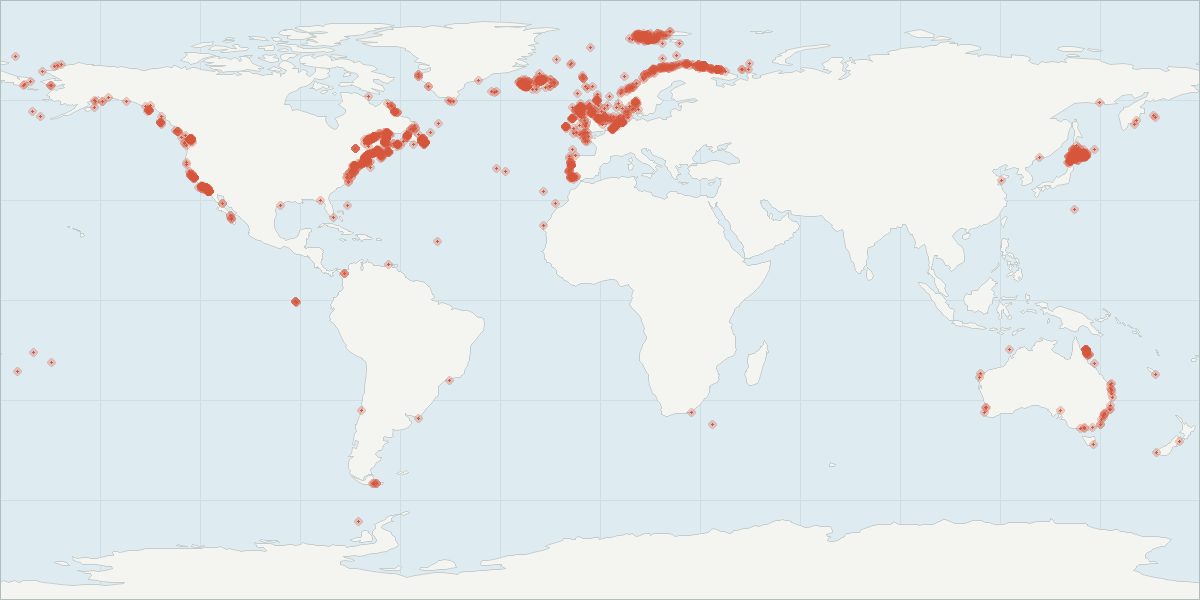
A cosmopolitan species, present in the polar, temperate and tropical waters of most of the world’s seas. In the Northern Hemisphere, the animals move up in summer as far as the edge of the Arctic ice and down in winter towards subtropical latitudes. The common minke whale is distinctly more coastal than the other rorquals: it usually stays within 170 km of the coast, frequents the continental shelf and enters estuaries, bays, fjords and lagoons.
The North Atlantic holds the largest share of the world population: more than 180,000 individuals according to compilations of surveys (43,835 in the Barents Sea, 67,225 around Iceland, 26,718 towards Jan Mayen, 18,174 in the Greenland Sea and at Svalbard, 17,895 in the northern North Sea, 4,500 to 4,900 west of Greenland, about 1,020 in the Gulf of St Lawrence). NAMMCO puts forward more than 220,000 animals for the North Atlantic as a whole, which makes it the most abundant baleen whale in the region. The North Pacific includes in particular an estimated 25,049 individuals in the Sea of Okhotsk and adjacent areas.
In France, the OFB reports a presence in all French marine waters, metropolitan and overseas, with the exception of French Guiana and Réunion. The species is regular on the continental shelf of the English Channel, the Celtic Sea and the Bay of Biscay, and a few strandings are recorded each year by the Observatoire Pelagis and the Réseau national échouages, the national stranding network (three cases in 2012, two in 2020, for example). In the Mediterranean, by contrast, the common minke whale is a rare and irregular visitor: fewer than one sighting or stranding a year on average, mainly from March to November, with areas of relative concentration in the Ligurian Sea, the Tyrrhenian Sea and the Gulf of Lion. No breeding is documented there.
The diet is remarkably plastic and varies by region and season. Off Spitsbergen, the animal feeds almost exclusively on euphausiids (krill); in the Barents Sea, capelin accounts for about three quarters of the stomach contents; in the North Sea, sandeel dominates (62%) ahead of mackerel (nearly 30%); around Iceland, sandeel (58%), haddock (22.6%), herring (20%), capelin (19.4%) and cod (14.7%) are found. In the North Pacific, krill makes up 62% of the diet in the western Aleutians, while sardine can account for almost the whole of the food intake off the Pacific coast of Hokkaidō. NAMMCO estimates the annual consumption of the species at more than 1.8 million tonnes of prey in the north-east Atlantic alone. The hunting technique consists of lateral lunges (lunge feeding) into shoals of prey, mouth open, sometimes accompanied by spectacular breaches and herding manoeuvres at the surface.
The species is mostly solitary: 93% of Icelandic sightings involve a lone animal, and groups rarely exceed 2 to 4 individuals, except on rich feeding grounds. Typical breathing sequences comprise 2 to 8 closely spaced blows followed by a dive of 2 to 8 minutes, up to 15-20 minutes for the maximum breath-hold; feeding dives can be very brief (less than a minute and a half on average in the Gulf of St Lawrence). The common minke whale is a fast swimmer, capable of bursts of 16 to 21 knots (18 to 24 mph, that is about 30 to 38 km/h), curious, and it sometimes approaches stationary boats. Its acoustic repertoire includes clicks, grunts, pulse trains, “ratchets” and the well-known North Pacific boings; the southern dwarf form produces a stereotyped vocalisation known as the “star-wars” call, covering 50 Hz to 9.4 kHz.
Sexual maturity is reached at around 5 to 8 years depending on the source and the stock (about 6-7 years, at around 7 m, according to the OFB). Gestation lasts 10 to 11 months, with births peaking in December in the North Atlantic. The newborn measures 2.4 to 3 m; estimates of birth mass differ widely between sources, from 150-300 kg to 320-450 kg. Lactation lasts 4 to 6 months, and the interval between two calvings is given as annual by some sources (NAMMCO, NOAA) and biennial by others (OFB). Longevity is close to 50 years, the age records read in the Icelandic studies being 47 years for a male and 42 years for a female. The killer whale is the main natural predator: chases, conducted by two to four killer whales at speeds reaching 30 km/h, typically last from thirty minutes to an hour.
The common minke whale is listed as Least Concern (LC) on the global IUCN Red List (Cooke assessment, 2018, reference e.T2474A50348265), a status confirmed by the IUCN Cetacean Specialist Group in the 2025 edition of the Red List. It is also LC on the European Red List of Marine Mammals (2023) and on the French Red List (OFB). No subpopulation is assessed separately by the IUCN. Trends are stable or increasing in most sectors of the North Atlantic.
Hunting remains the most visible pressure: the common minke whale is today the main species targeted by commercial whaling. Norway set a quota of 1,157 animals in 2024 (415 actually taken), raised to 1,406 in 2025 (429 catches) then 1,641 in 2026, with actual catches running at around 400 to 500 a year. Greenland practises aboriginal subsistence whaling (182 animals in 2023). Japan, having left the IWC, set a quota of 144 common minke whales for its coastal fleet for 2025. Iceland ended the minke whale hunt in 2020, with the definitive closure of its only specialised whaling company (IP-Útgerð); one last animal was nevertheless taken in August 2021, and none since.
The other documented threats are bycatch in fishing gear, entanglement, ship strikes, underwater noise and the displacement of prey linked to climate change. The most worrying case is that of the “J stock” of the Sea of Japan and the Yellow Sea, declared protected by the IWC as early as 1983-1986 but which suffers more than 200 declared bycatch events a year in Japan and Korea, to which are added illegal or unreported takes revealed by DNA analyses of market samples.
The species is listed in Appendix I of CITES (Appendix II for the West Greenland stock), in Appendix II of the Bern Convention, in Annex II of the Barcelona Convention and is covered by ACCOBAMS. In France, it is strictly protected by the ministerial order of 1 July 2011: capture, intentional disturbance and destruction of habitat are prohibited, with penalties of up to a €150,000 fine and three years’ imprisonment.
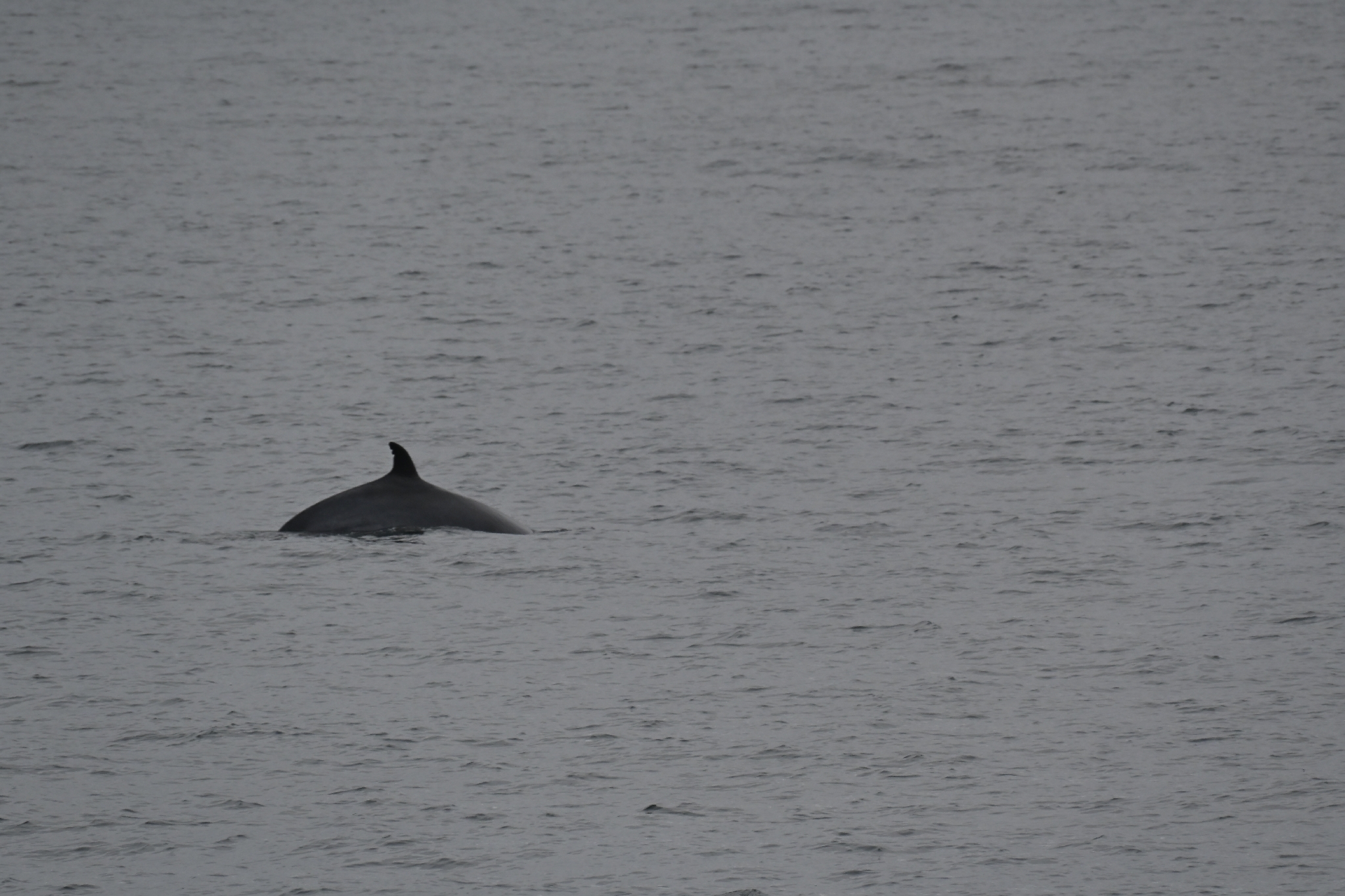
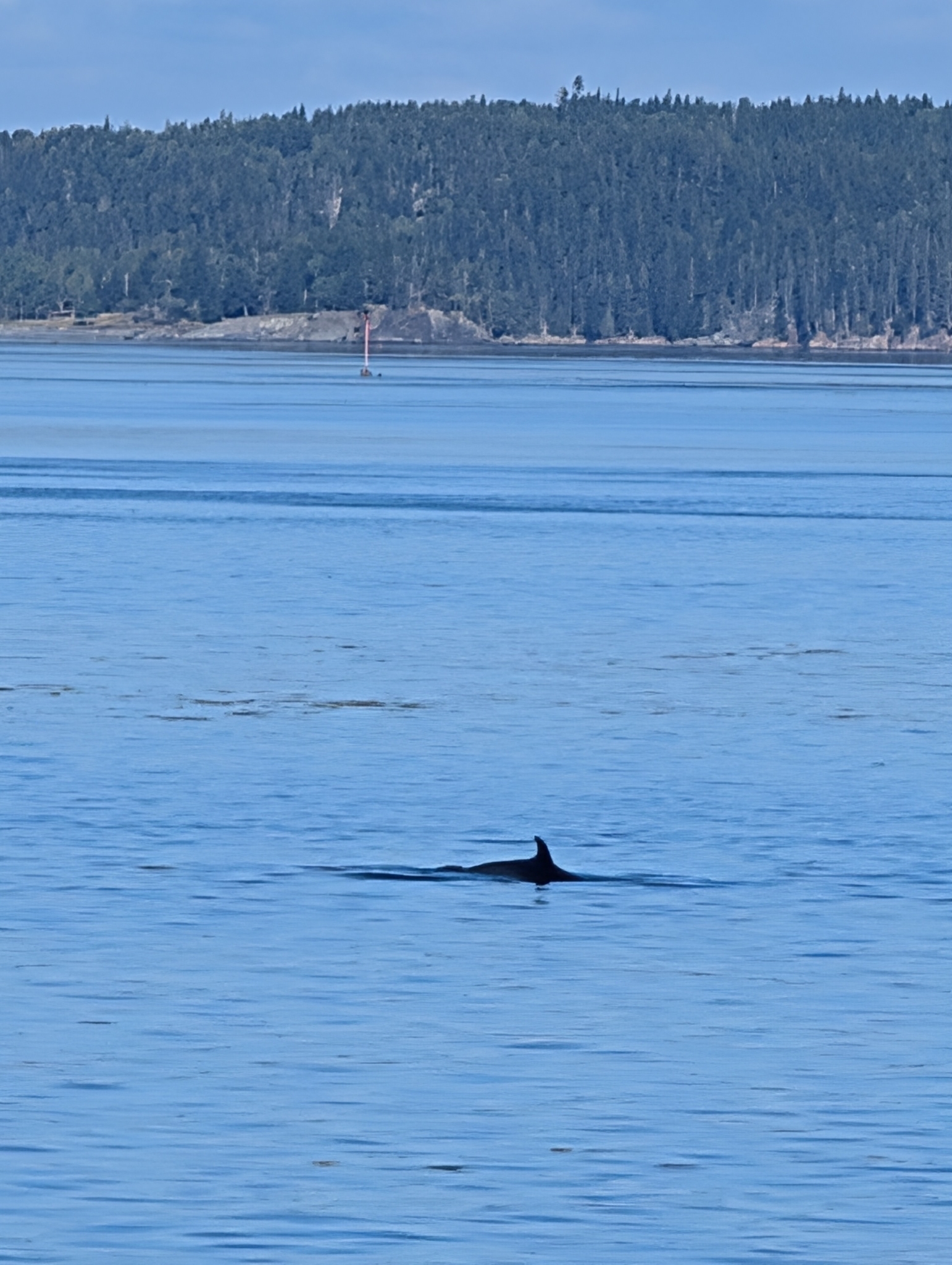
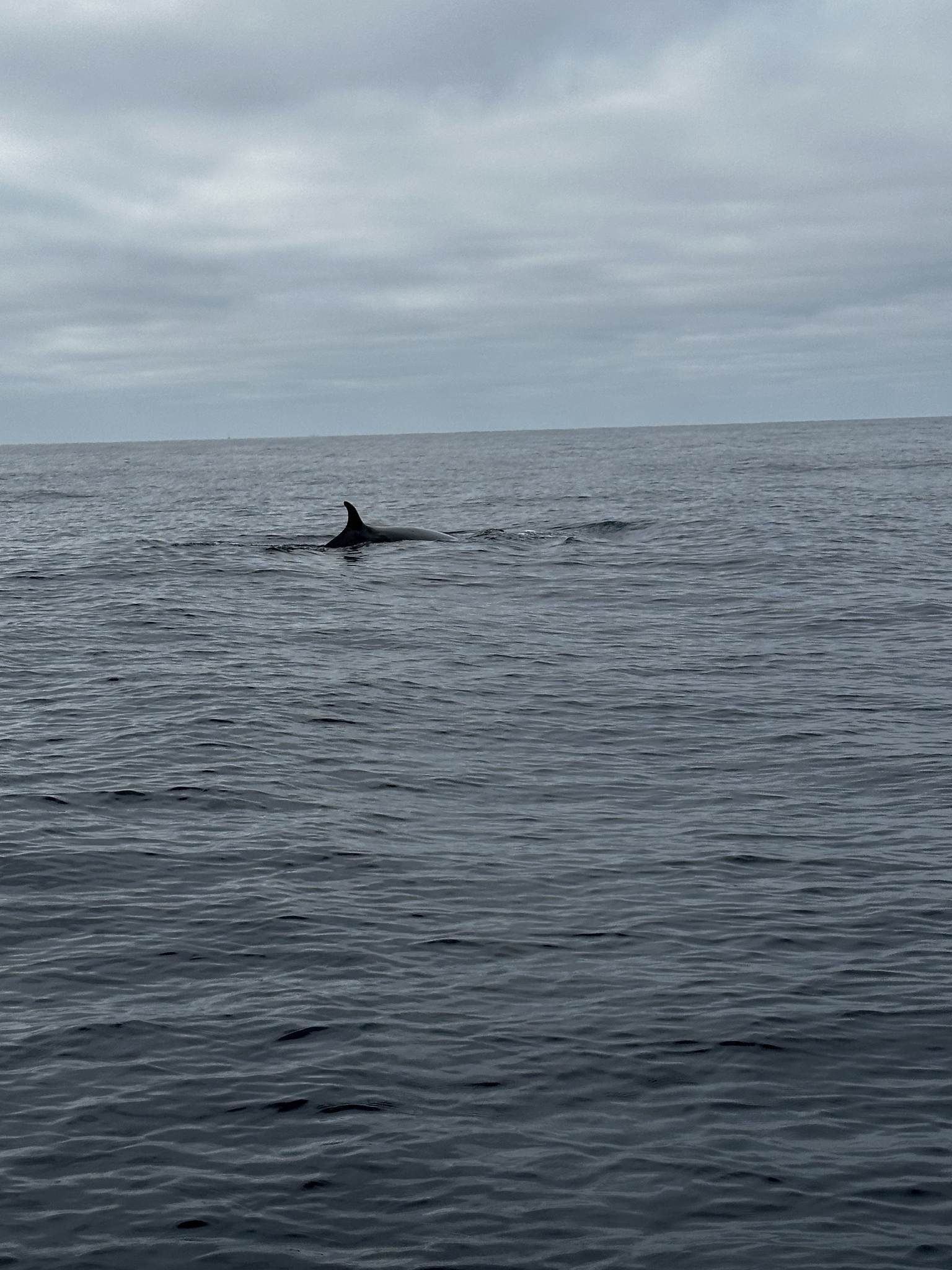
The common minke whale is an unobtrusive animal, with a low and often invisible blow, which never raises its tail fluke: look for the pointed snout breaking the surface first, followed almost at once by the tall falcate dorsal fin. The best watching areas in the north-east Atlantic are Iceland (Faxaflói, Húsavík), Norway, the west of Scotland and Ireland. In Canada, the St Lawrence estuary and gulf offer regular encounters from March to December, with a summer peak at the head of the Laurentian Channel and at the mouth of the Saguenay.
In metropolitan France, encounters take place mainly offshore, on the continental shelf of the English Channel, the Celtic Sea and the Bay of Biscay, on boat trips or from the cross-Channel and cross-Biscay ferries; the species remains rare and incidental in the Mediterranean. Any trip gains from being made with an operator that has signed an approach charter, and from the sightings being entered in the participatory databases (Observatoire Pelagis, GREC, BioObs).
Ethics and regulation: in France, approaching to less than 100 m is treated as intentional disturbance in the national parks, the marine nature parks and the Pelagos and Agoa sanctuaries, and in all French Mediterranean waters since 2021. The animal must never be chased, its course must never be cut across, and swimmers must never enter the water. The only regulated exception in the world: the Ribbon Reefs, north of Cairns (Australian Great Barrier Reef), where a few permit-holding operators offer swims with dwarf minke whales in June and July, engines off, the swimmers staying attached to a line and leaving the initiative to the animals.
The origin of the name is uncertain and several versions circulate. The most often cited has it that Meincke was a German hand sailing with the Norwegian whaler Svend Foyn, who is said to have mistaken a group of common minke whales for blue whales; his companions are then said to have christened all common minke whales “Meincke’s whales” in mockery. Another version (Millais, 1906) makes him a Norwegian sailor shouting “Hval!” at any dorsal fin at all. In French, “petit rorqual” or “rorqual à museau pointu” is preferred.
They have been two distinct species since the 1990s. Balaenoptera acutorostrata occupies mainly the Northern Hemisphere and carries a clear white band on the flippers; Balaenoptera bonaerensis lives in the Southern Hemisphere, reaches a slightly larger size and does not have that sharp white band. Their IUCN statuses also differ: LC for the first, Near Threatened (NT) for the second.
Yes, and it is in fact the main species targeted by contemporary whaling. Norway hunts commercially (a quota of 1,406 animals in 2025, 1,641 in 2026, for actual catches of the order of 400 to 500, 415 in 2024, 429 in 2025), Greenland practises aboriginal subsistence whaling (182 animals in 2023) and Japan authorises 144 individuals in 2025 following its withdrawal from the International Whaling Commission. Iceland ended this hunt in 2020 with the closure of its only specialised whaling company, one last common minke whale nevertheless having been killed in August 2021.
Yes, but mainly offshore. The OFB reports the species in all French marine waters except French Guiana and Réunion. It is regular on the continental shelf of the English Channel, the Celtic Sea and the Bay of Biscay, where a few strandings are recorded each year by the Observatoire Pelagis. In the Mediterranean it is a rare and irregular visitor, with fewer than one sighting or stranding a year on average.
A typical sequence comprises 2 to 8 closely spaced blows, followed by a dive of 2 to 8 minutes. The maximum documented breath-hold reaches 15 to 20 minutes. When feeding, dives are much shorter, sometimes less than a minute and a half. The animal never lifts its tail fluke before diving, unlike the humpback whale.
At cruising speed it moves slowly, but it can reach bursts of 16 to 21 knots, that is about 30 to 38 km/h. This turn of speed sometimes allows it to escape killer whales, its main natural predator, whose chases can last from thirty minutes to an hour.
A single regulated programme exists in the world: on the Ribbon Reefs, north of Cairns in Australia, a few permit-holding operators offer encounters with the dwarf form in June and July, engines off and swimmers attached to a line. In France, entering the water and approaching to less than 100 metres are treated as intentional disturbance in marine protected areas, the Pelagos and Agoa sanctuaries and all French Mediterranean waters.
Entry compiled from authoritative scientific sources (IUCN, NOAA Fisheries, specialist literature) and reviewed for factual checking.
According to the open data of the GBIF, 2,575 georeferenced sightings of Balaenoptera acutorostrata are recorded in our photographic index.
| Country | Notes |
|---|---|
| Canada | 886 |
| United States of America | 500 |
| Iceland | 222 |
| Norway | 175 |
| United Kingdom of Great Britain and Northern Ireland | 166 |
| Svalbard and Jan Mayen | 145 |
| Japan | 130 |
| Russian Federation | 83 |
| Netherlands | 76 |
| Australia | 65 |

Monthly distribution of 2,620 dated sightings (all years combined): the maximum is reached in juillet.
| Month | Notes |
|---|---|
| janvier | 29 |
| February | 11 |
| mars | 31 |
| avril | 87 |
| mai | 201 |
| juin | 378 |
| juillet | 629 |
| August | 605 |
| septembre | 379 |
| octobre | 158 |
| novembre | 69 |
| December | 43 |
These figures reflect survey effort (more boaters and more surveys in summer) as much as the actual presence of the species: to be interpreted with caution.


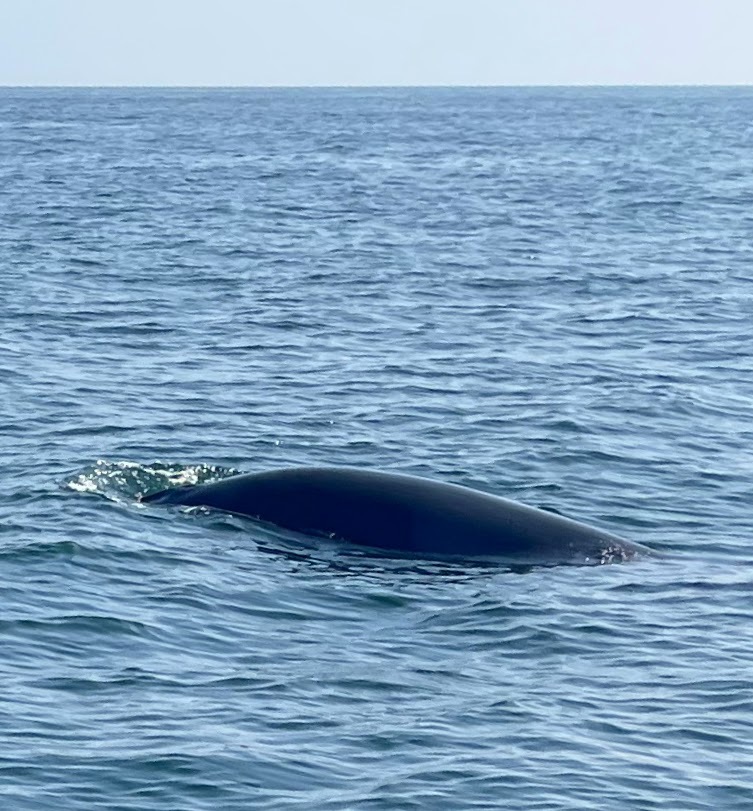
Photographs from GBIF under a Creative Commons licence. The author and the licence of each photograph are given; please respect them if you reuse them.
Automatic selection of the most cited works mentioning the species (source: Crossref).