| Scientific name | Feresa attenuata Gray, 1874 |
|---|---|
| Other names | In French: orque pygmée, orque naine, épaulard pygmée |
| Size | 2 to 2.6 m (newborn: about 0.8 m) |
| Weight | Generally 110 to 170 kg, up to about 225 kg |
| Longevity | At least 21 years documented; in Hawaii, photo-identified individuals have been resighted over more than thirty years |
| Diet | Cephalopods (squid, octopus) and fish; occasional attacks on small cetaceans |
| IUCN status | Least Concern (LC), 2018 assessment; the species was listed as Data Deficient (DD) in 2008. Status “Not Applicable” at European level (2023). In the French regional red lists it remains Data Deficient (DD) in Martinique (2020) and Guadeloupe (2022). |
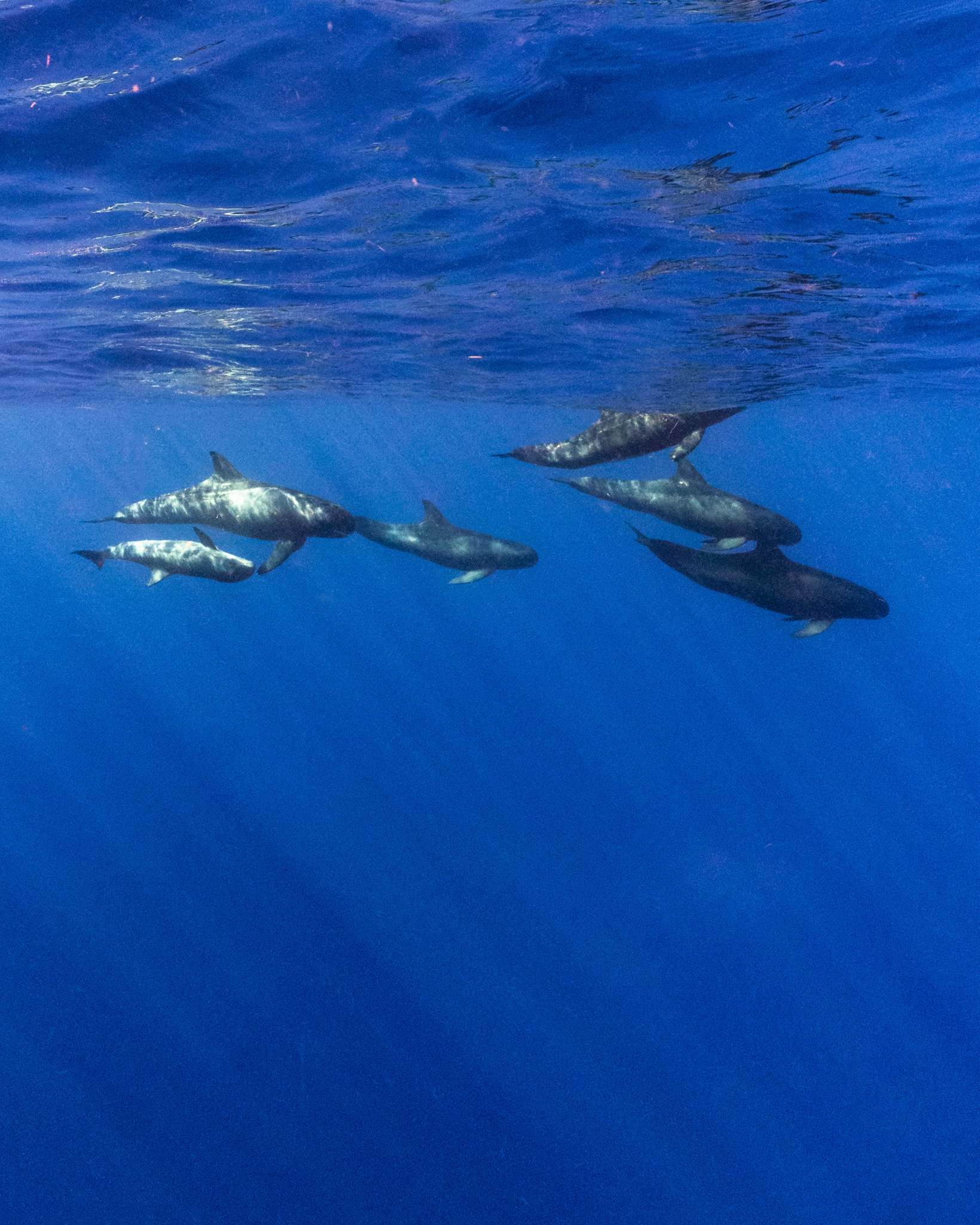
The pygmy killer whale (Feresa attenuata) is a small dark delphinid of 2 to 2.6 m, the only member of its genus. Discreet, confined to the deep offshore waters of the tropical and subtropical zones of every ocean, it is among the least known cetaceans in the world: most of what is known about it comes from scattered sightings, from strandings and from a single long-term monitoring programme, in Hawaii. The IUCN has listed it as Least Concern since 2018.
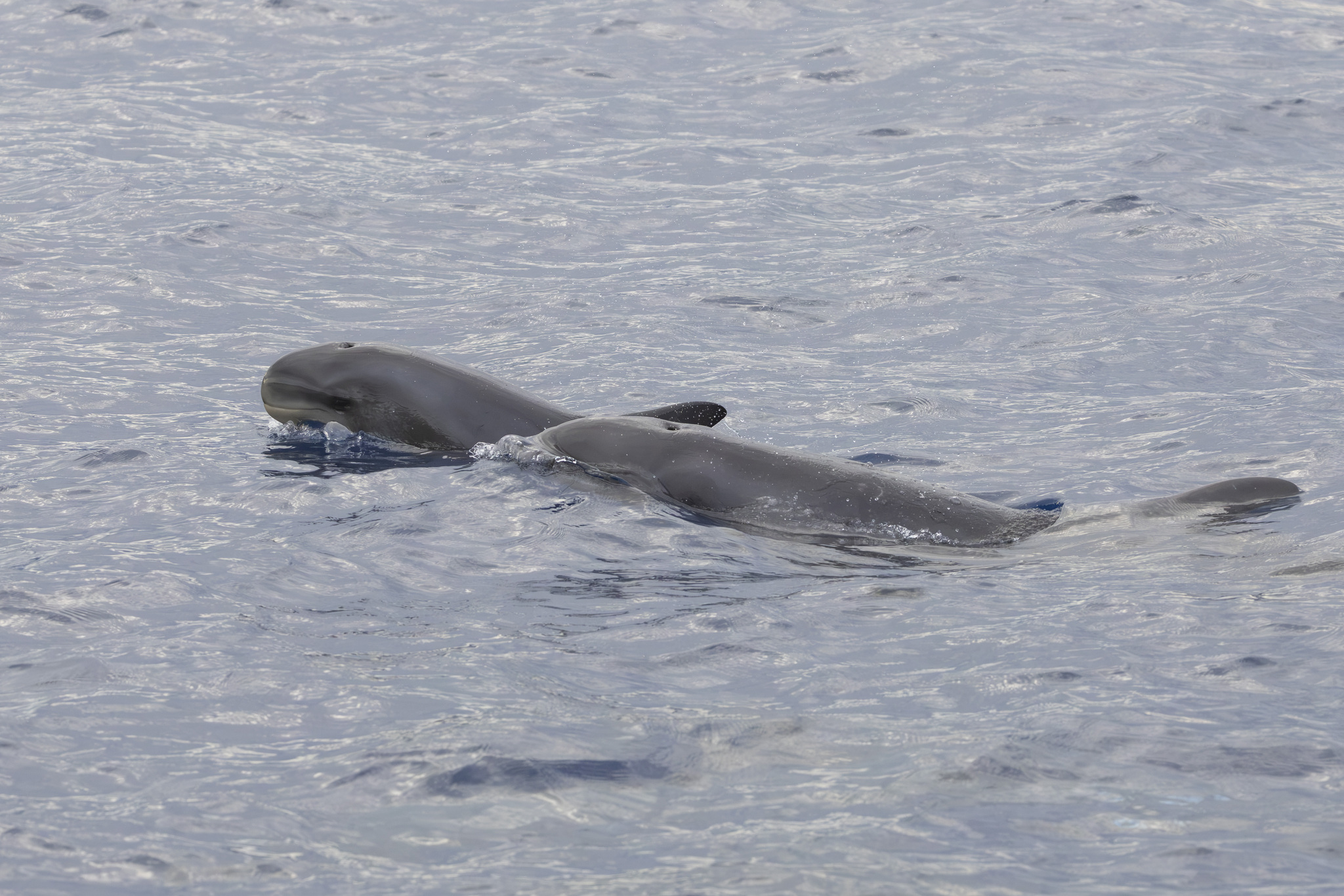
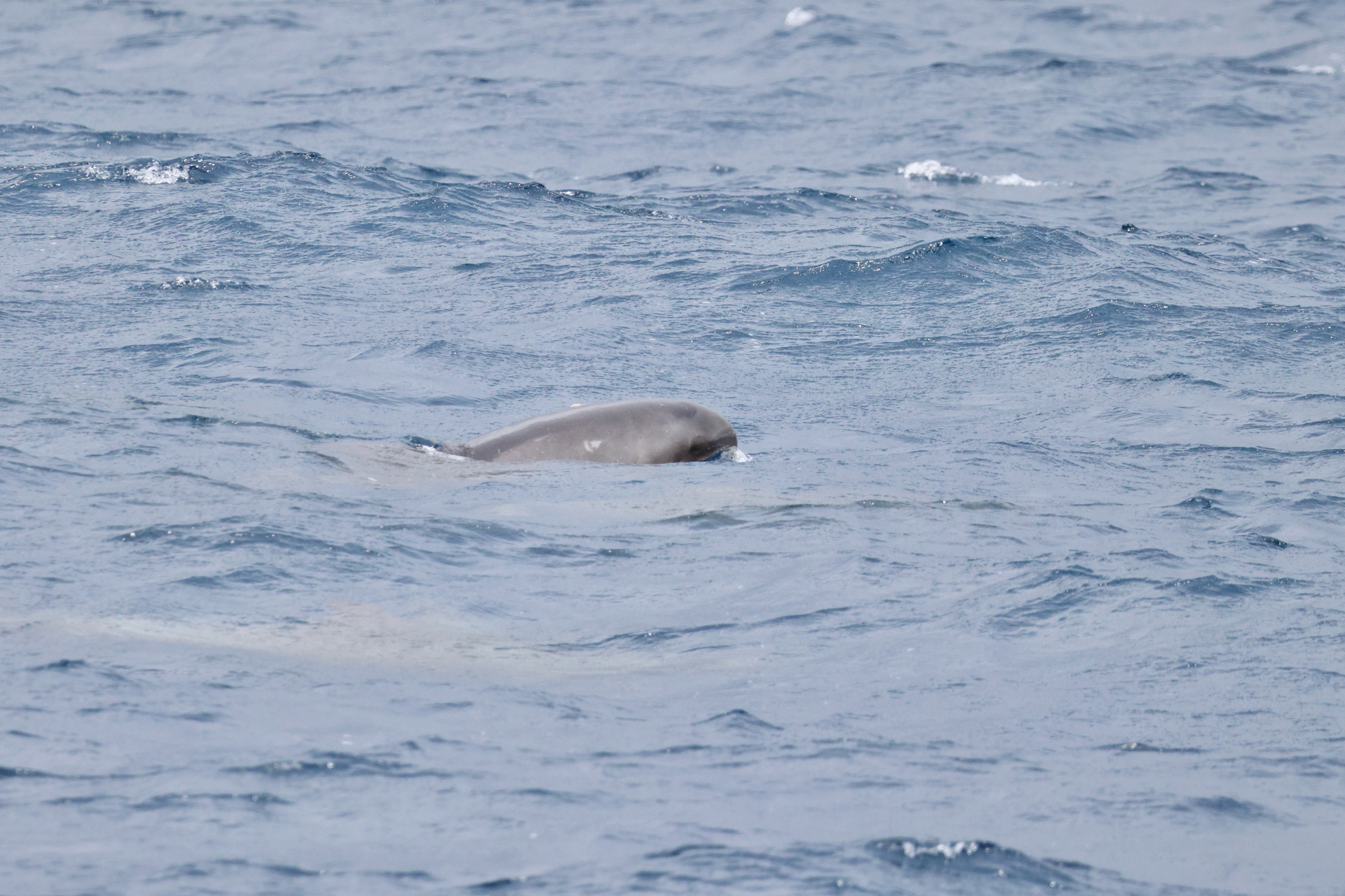
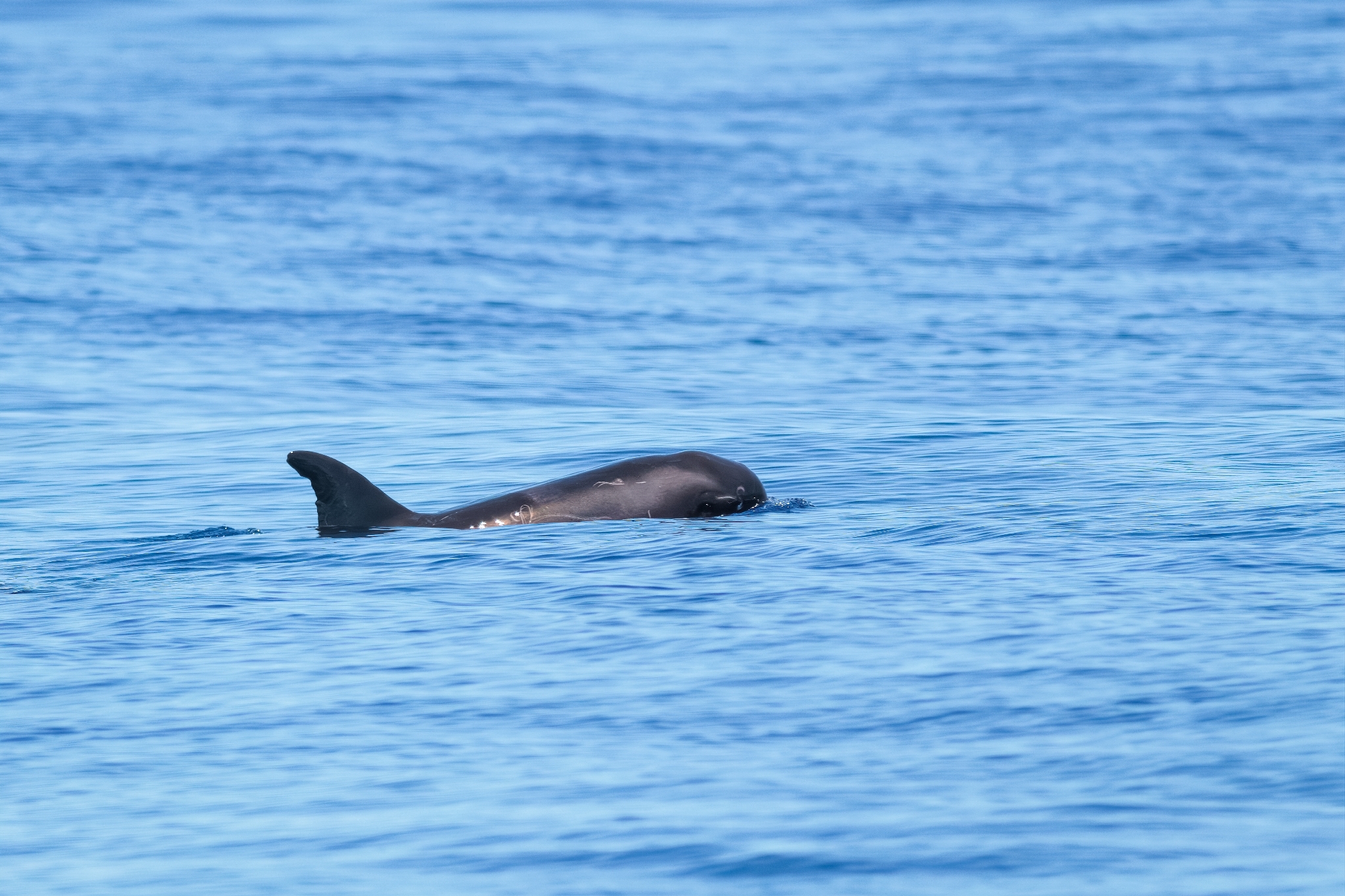
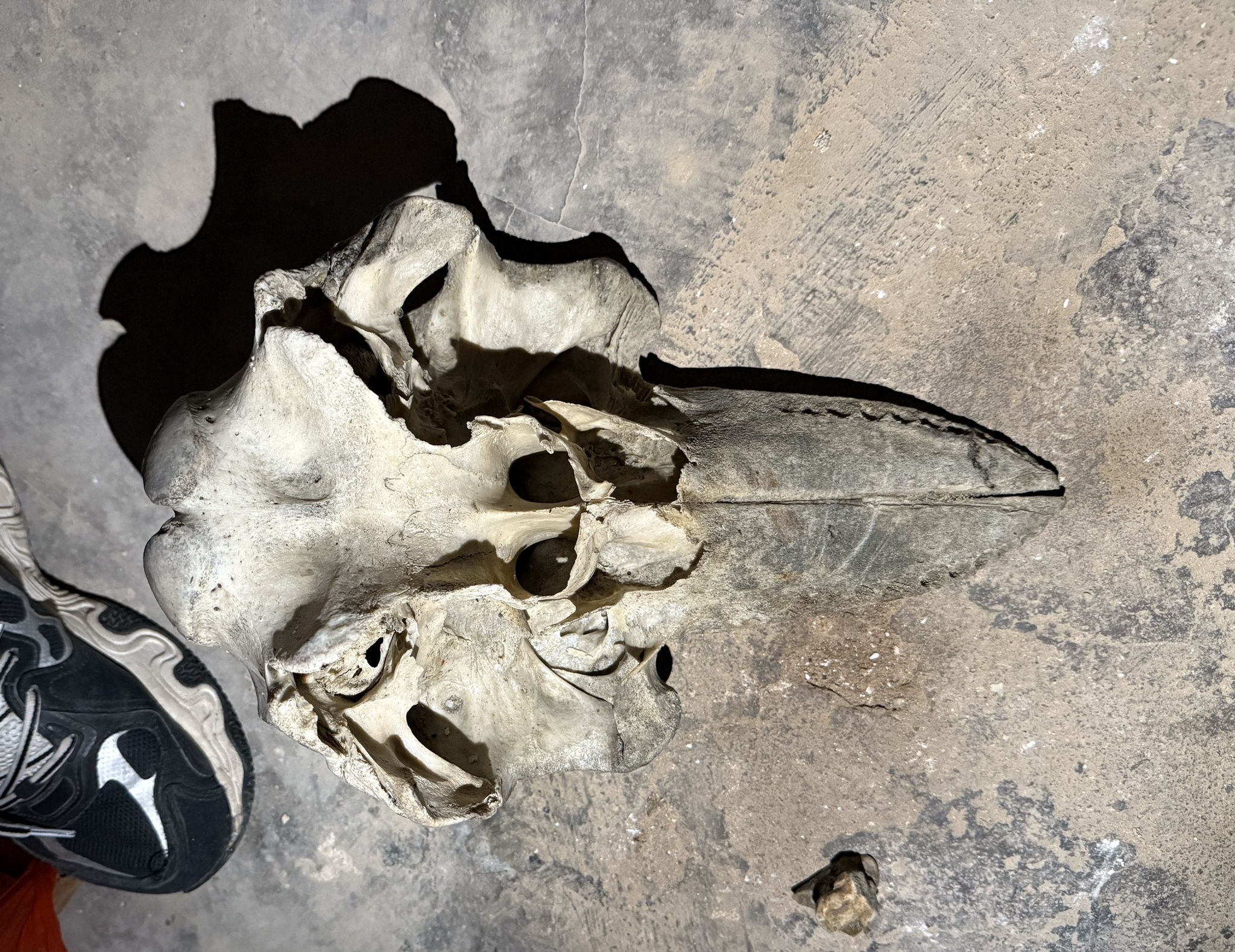
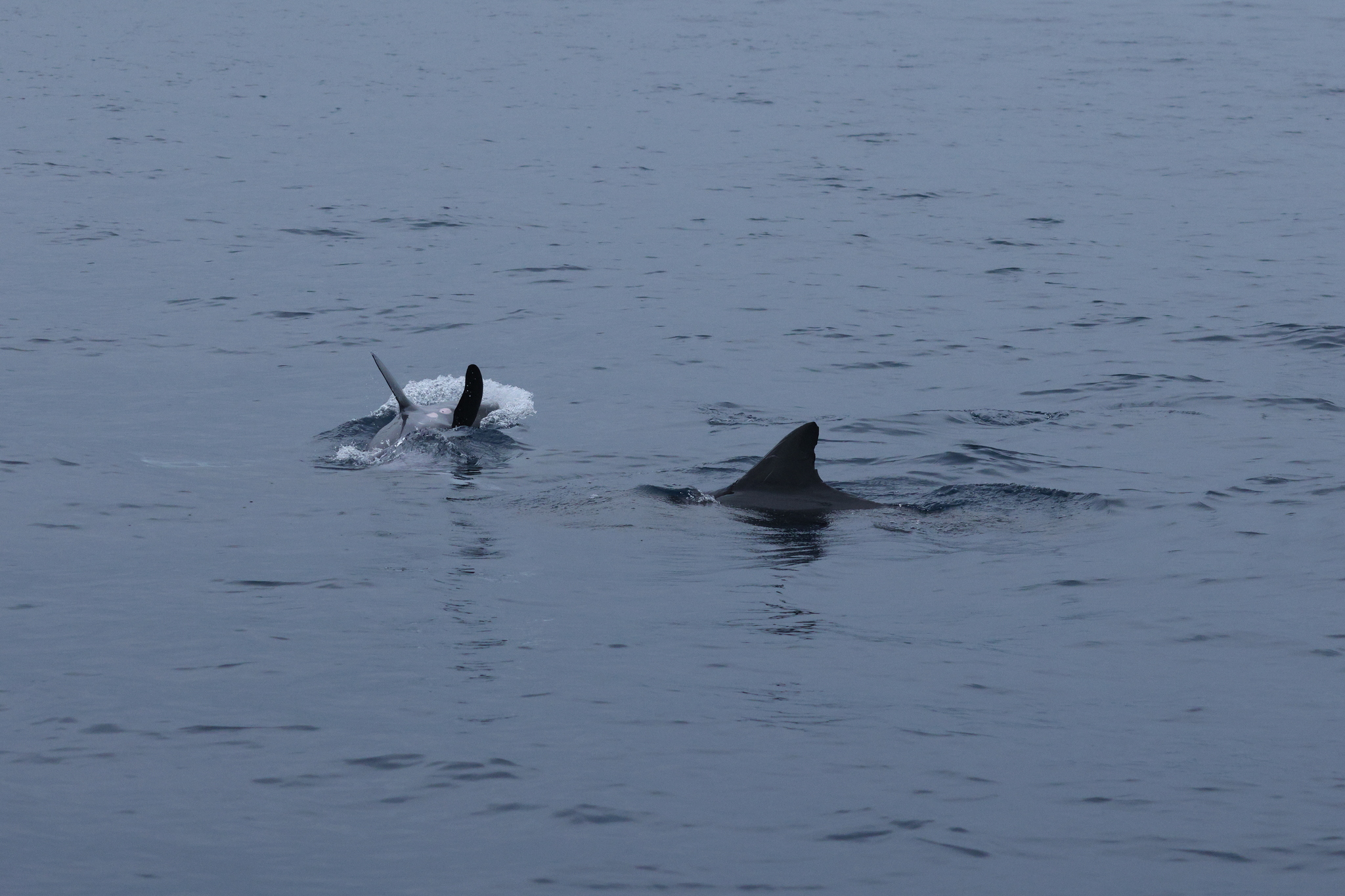
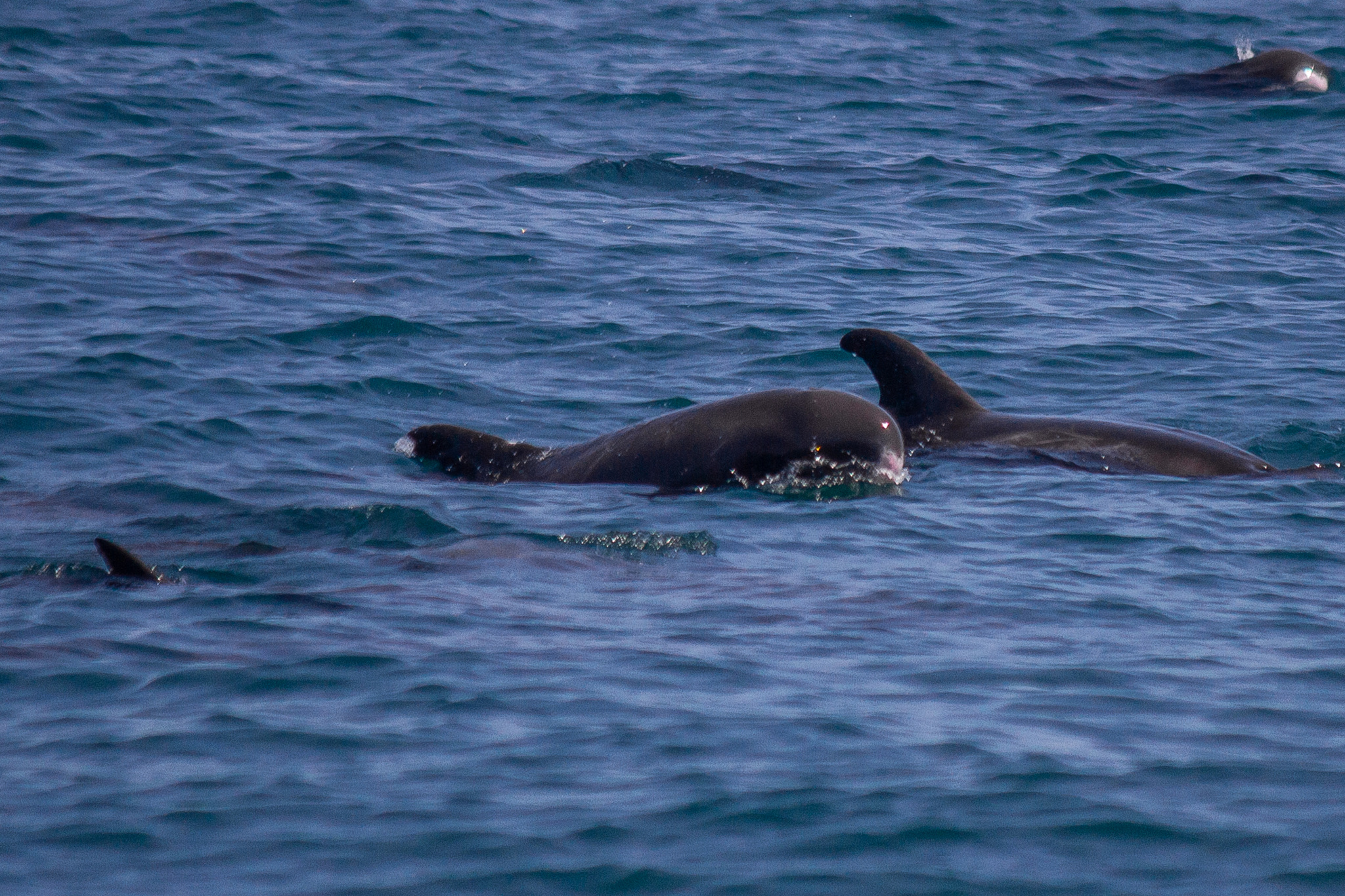
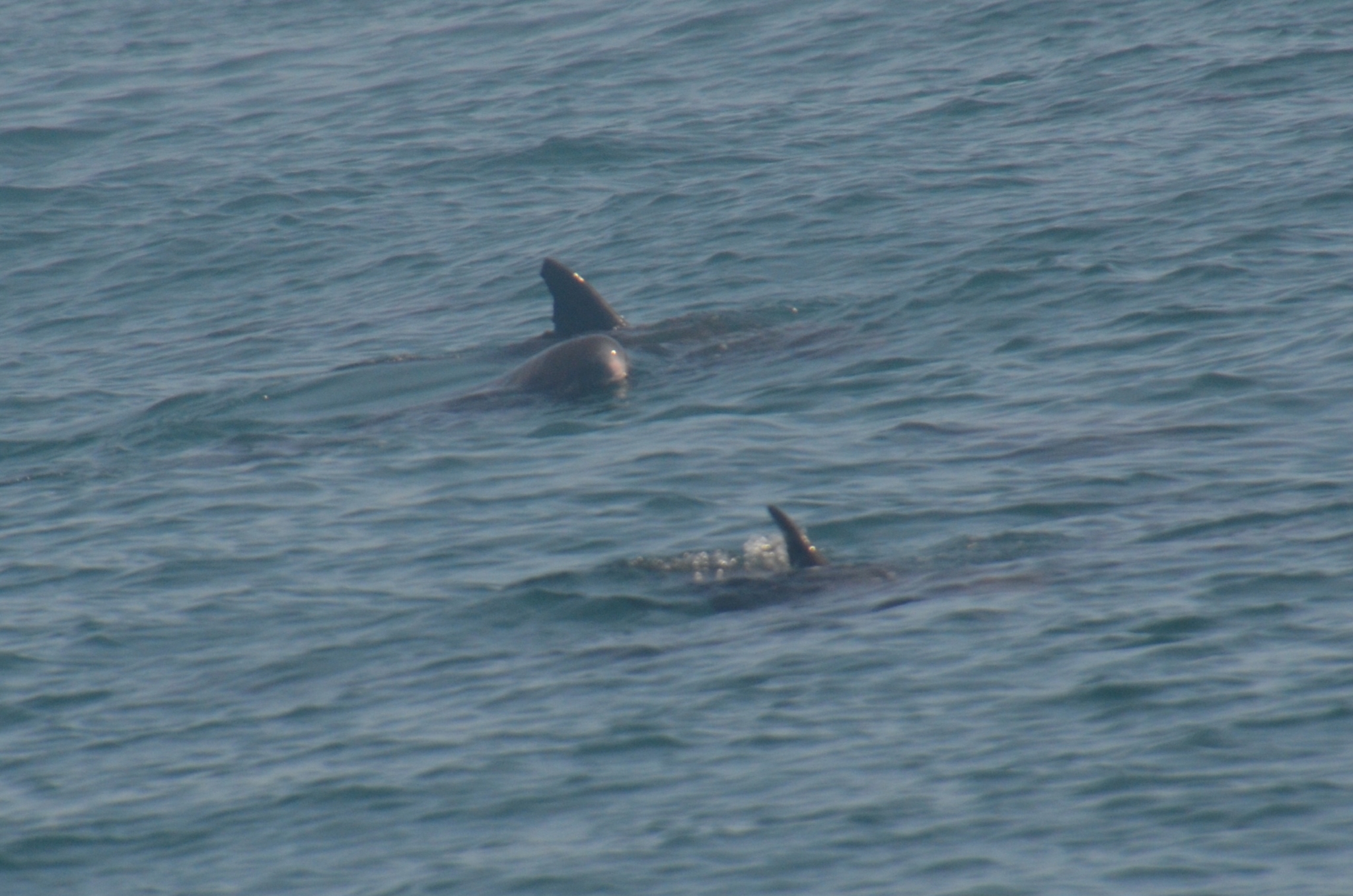
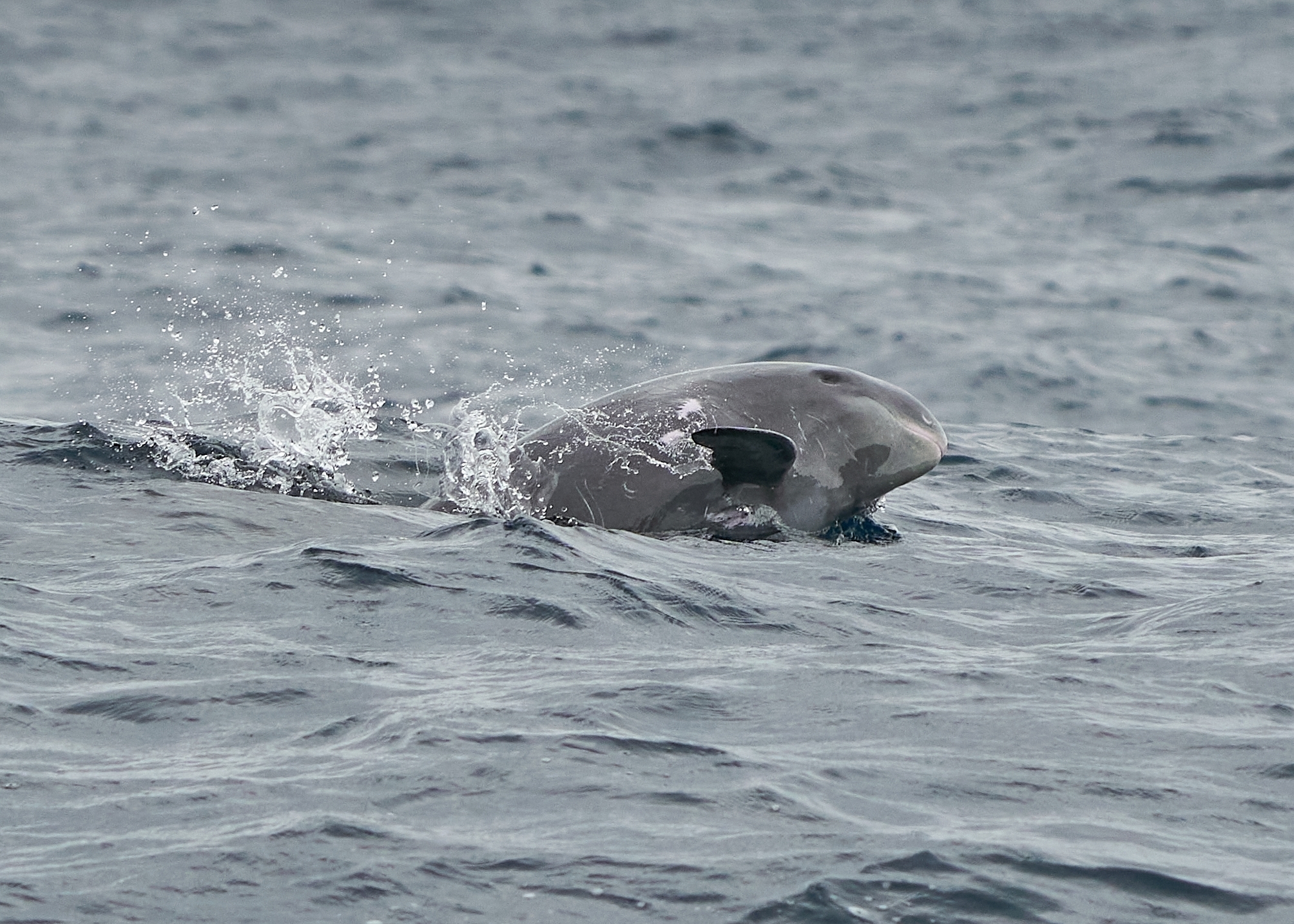
The pygmy killer whale is a small “blackfish”: a stocky, fusiform body of 2 to 2.6 m for 110 to 170 kg in most cases, exceptionally up to about 225 kg. The head is rounded and bulbous, entirely without a beak, and the lower jaw is slightly set back. The coloration combines a dark grey to black back forming a sharply outlined cape, grey flanks and a pale grey to white belly, often extended by a pale area, sometimes pinkish, around the genital region. The two most useful marks in the field are the white lips and the white patch at the tip of the chin. The dorsal fin, tall and sub-triangular, is set at the middle of the back and its tip curves slightly backwards; the flippers, of medium length, have distinctly rounded tips. The dentition, made up of large conical teeth, comprises 8 to 11 pairs in the upper jaw and 11 to 13 pairs in the lower, that is about 38 to 48 teeth in total.
Three species invite confusion. The melon-headed whale (Peponocephala electra) is very close in size and outline: it is told apart by its pointed flippers (rounded in the pygmy killer whale), by its head, which traces a clear triangle seen from above or below whereas that of the pygmy killer whale stays rounded, and above all by its far more numerous teeth, with 20 to 25 in each upper row. The false killer whale (Pseudorca crassidens) is much larger and more slender, with a characteristic hump on the leading edge of the flippers. As for the killer whale itself (Orcinus orca), its size, its dorsal fin and its contrasting black and white livery leave no ambiguity: despite its common name, the pygmy killer whale is not a miniature version of it.
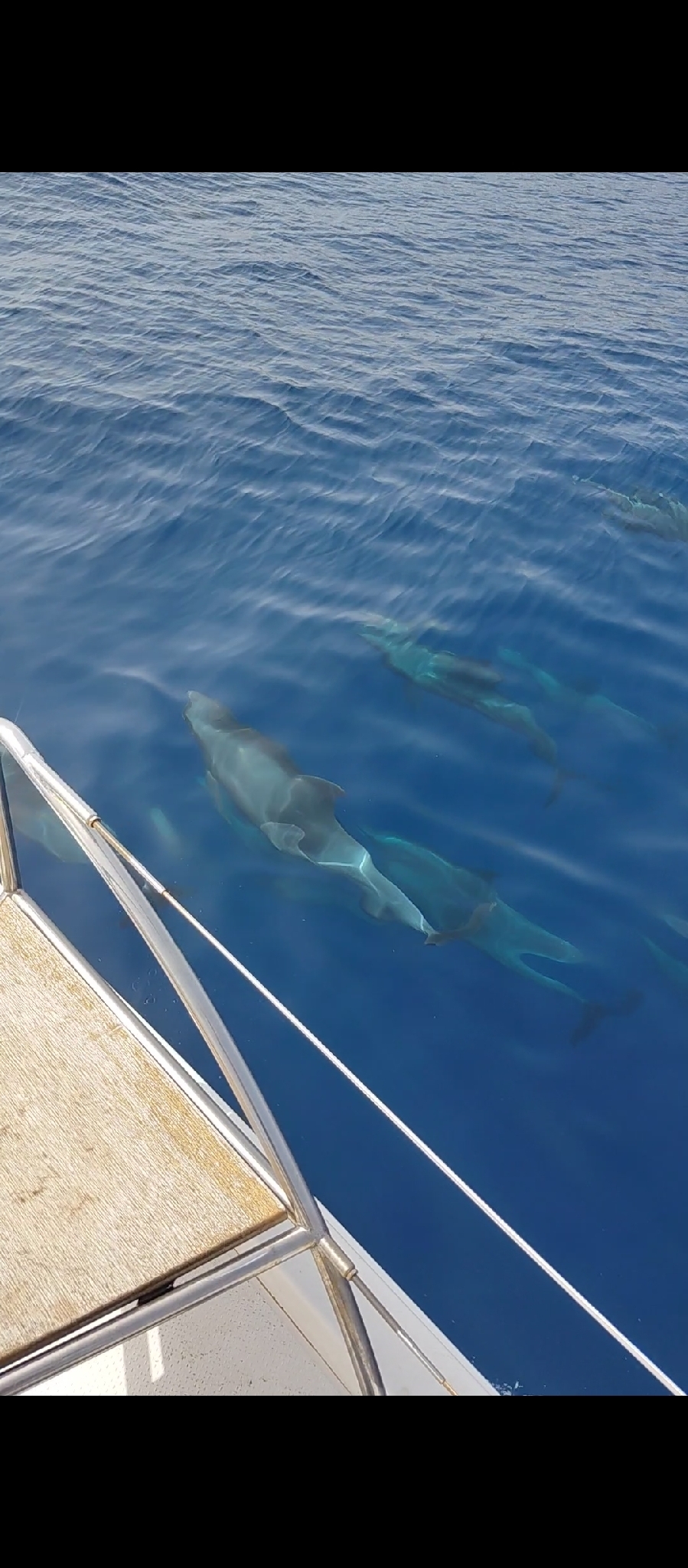
Behaviour helps as much as morphology. The pygmy killer whale swims slowly, in the order of 3 km/h when travelling calmly, shows little of itself and readily engages in “logging”: the group rests at the surface, all the animals facing the same way. It only exceptionally comes to ride the bow wave of boats, unlike the false killer whale, which is far more demonstrative, and at sea this is a clue of the first order.
The pygmy killer whale belongs to the family Delphinidae and to the subfamily Globicephalinae, which brings together dark, beakless cetaceans commonly called “blackfish”: pilot whales, the false killer whale, the melon-headed whale and Risso’s dolphin. The killer whale (Orcinus orca), often grouped with them among the “blackfish” in the broad sense, is for its part generally placed in a separate subfamily, the Orcininae. The pygmy killer whale is the only species in the genus Feresa, which is therefore monotypic.
Its nomenclatural history is unusual: John Edward Gray founded the species on two skulls only, one examined in 1827, the other in 1874, and erected the genus Feresa in 1870 before fixing the combination Feresa attenuata in 1874. The animal then remained a purely museum object for nearly eight decades: the first documented encounter with living individuals took place in 1952 at Taiji, Japan, and the Japanese cetologist Munesato Yamada formally assigned those animals to Gray’s species in 1954. No subspecies is recognised. In French, the names “orque pygmée” and “orque naine” coexist, the second being the one adopted by the French institutional reference lists.
The pygmy killer whale occurs in the tropical and subtropical waters of the Atlantic, the Indian Ocean and the Pacific, roughly between 40° N and 35° S. It is an offshore species tied to deep water: the depths recorded beneath sightings range from about 110 to 2,860 m, with a mean close to 1,200 m. In Hawaii, where great depths come right up to the islands, the animals on the contrary stay close to shore: the resident individuals tracked by satellite tag remained within 20 km of the coast (Baird et al. 2011, taken up by NOAA), over bottoms in the order of a thousand metres. The species is regarded as non-migratory.
It is regularly known around Hawaii, Japan, the Gulf of Mexico, the Lesser Antilles, Sri Lanka and the south-western Indian Ocean (Mozambique, South Africa), with Atlantic records spread from South Carolina to Senegal and as far as Brazil. In the north-east Atlantic the data remain extremely scarce: a dozen recent sightings off Madeira, the first in 2009, two sightings in the Canary Islands the same year, records from Cape Verde, then three encounters in the Azores during the summer of 2024, on 20 June and 2 July off São Miguel and on 25 June south of Pico, which could, according to the authors of their publication, be the northernmost confirmed occurrences known for the species. A confirmed sighting further north still, off mainland Portugal, was also reported in May 2023. Two sightings reported in the Bay of Biscay in 1997 have never been confirmed, and a few very sporadic records exist in the Mediterranean, where the species is not part of the regular fauna.
In France, the pygmy killer whale is essentially an overseas species. It is reported in the waters of the French Antilles, French Guiana, French Polynesia, Wallis and Futuna, Mayotte, the Îles Éparses and Réunion. In the Agoa sanctuary, which covers the waters of the French Antilles, it remains extremely discreet: a single sighting had been recorded there as of 2019.
The diet combines mainly cephalopods, squid and octopus, and fish, including tuna and dolphinfish. Attacks on small cetaceans have been reported on several occasions, a behaviour shared with the false killer whale. Hunting appears to take place at depth, largely at night, and the species uses an echolocation whose clicks peak between 45 and 117 kHz.
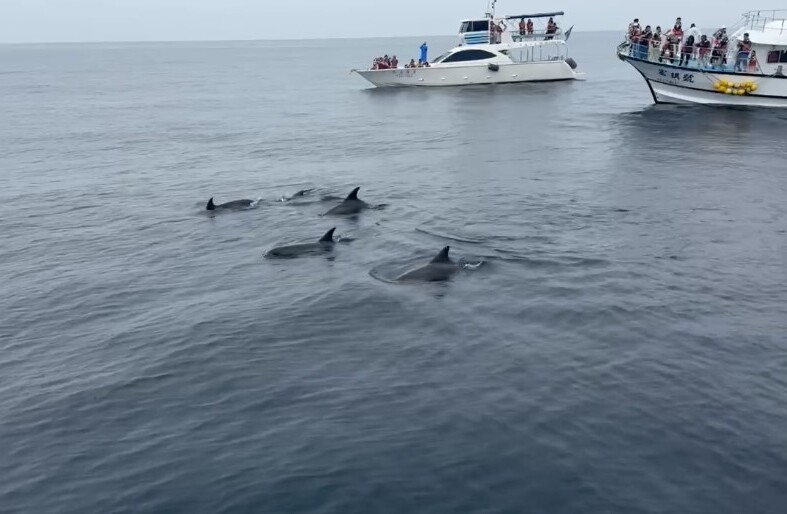
The pygmy killer whale is gregarious. Groups most often number from twelve to about fifty individuals, associations of four to fifty animals are frequently reported, and the pods seen in the Azores in 2024 numbered twenty to thirty individuals, exceptionally several hundred. In Hawaii, the photo-identification monitoring carried out by the Cascadia Research Collective has brought to light the first known resident population of the species anywhere in the world: more than 400 individuals catalogued, more than 200 encounters, animals faithful to their sector all year round and resighted over more than thirty years, one individual having been photographed 63 times between 2008 and 2020. Some associations between individuals are extremely stable, as in short-finned pilot whales or the false killer whale.
Breeding remains poorly known. The female gives birth to a single calf of about 0.8 m; summer births have been reported. Sexual maturity is reached beyond 2.16 m in the male and 2.21 m in the female, but the corresponding age has not been established. Longevity is at least 21 years according to a Hawaiian study, and photographic recaptures over more than thirty years imply an appreciably longer lifespan.
The species has a reputation for aggressiveness: in captivity it snaps its jaws and behaves with hostility towards other cetaceans, and it strikes the water with its fins when it feels threatened. This behaviour has not been observed in free-ranging animals. The fourteen individuals captured in Japan in 1963 were all dead within 22 days.
The IUCN has listed the pygmy killer whale as Least Concern (LC) since 2018; it had previously stood as Data Deficient (DD) since 2008. That reclassification reflects the absence of any identified global threat rather than good knowledge of the species, which remains very little studied over most of its range. At European level the status is “Not Applicable”, the species being only occasional there; in France, the regional red lists keep it as Data Deficient for Martinique (2020) and Guadeloupe (2022).
No global population estimate exists. Local assessments give the order of magnitude: about 10,600 individuals in the Hawaiian exclusive economic zone (reanalysed 2010 shipboard survey, CV = 0.53, minimum population estimate of about 7,000 animals), 408 in the northern Gulf of Mexico and 38,900 in the eastern tropical Pacific, all of these figures carrying a high degree of uncertainty.
The main documented pressures are bycatch in gillnets and driftnets, particularly in Japan and Sri Lanka, where the species can account for up to 4% of the cetaceans taken incidentally. In Hawaii, 62% of catalogued individuals carry marks of injuries of human origin, 49% of them consistent with interactions with fisheries. To these are added underwater noise, including military sonar, chemical contamination and heavy parasite burdens, cestodes and nematodes, sometimes giving rise to encephalitis and strandings.
The species is listed in Appendix II of CITES and in Annex II of the SPAW Protocol for the Caribbean. It is protected in French waters, and in the United States under the Marine Mammal Protection Act.
Encountering a pygmy killer whale is a matter of luck. The species accounted for less than 1.5% of the cetaceans recorded during a Hawaiian study carried out between 1985 and 2007, and dedicated watching trips exist nowhere. The areas offering the best chances are the leeward coast of the island of Hawaii, where a resident population lives, together with Madeira, the Canary Islands, Cape Verde, the Lesser Antilles and, since 2024, the Azores. These are always opportunistic sightings made in the course of offshore trips targeting cetaceans in general, over bottoms of several hundred to more than a thousand metres.
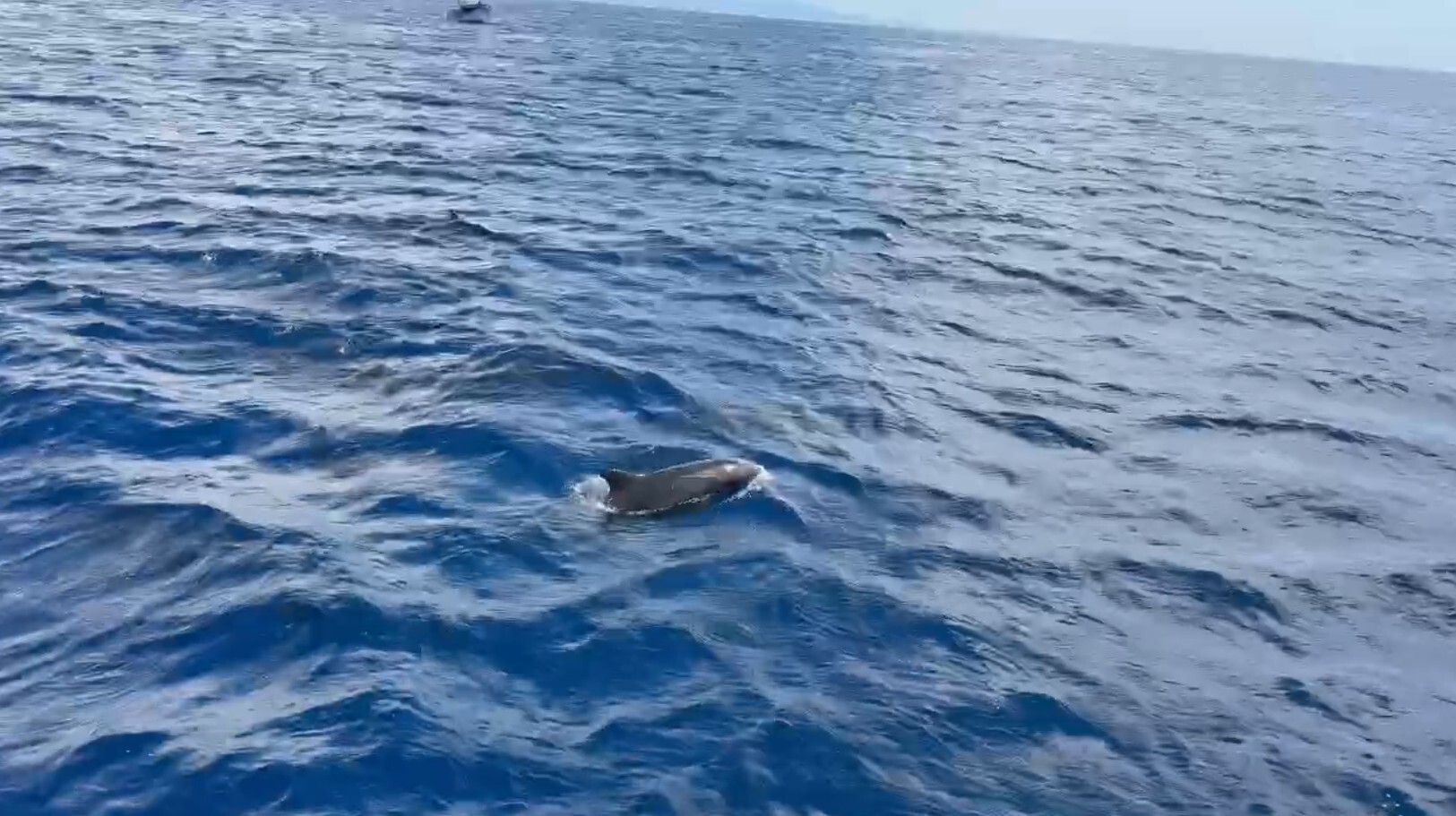
The animal gives itself away by a compact group motionless at the surface, tall dorsal fin and rounded head barely emerging. One then has to look for the white lips, the pale chin and the round-tipped flippers to rule out the melon-headed whale. The species is wary: in the Azores, the three groups encountered fled from the boats in a frantic manner.
This sensitivity calls for a cautious approach. One should never cut across the group’s path, should slow down well in advance, keep a good distance, never break up the group or come between the adults and the young, and cut the encounter short at the slightest sign of avoidance. In French waters, the intentional disturbance of cetaceans is prohibited, and the Agoa sanctuary, like the other marine protected areas, imposes specific codes of conduct. Any sighting is worth passing on to the stranding network or the local observatory: on a species as poorly known as this, a validated record has real scientific value.
No. Despite its name, it belongs to the genus Feresa, distinct from the genus Orcinus. Both are Delphinidae, but the pygmy killer whale falls within the subfamily Globicephalinae, alongside the melon-headed whale, the false killer whale and the pilot whales, whereas the killer whale is generally placed apart, in the Orcininae. At 2 to 2.6 m against up to 9 m in the killer whale, confusion at sea is impossible.
Yes, but only in the overseas territories. The species is reported in the French Antilles, French Guiana, French Polynesia, Wallis and Futuna, Mayotte, the Îles Éparses and Réunion. In mainland France it is not part of the regular fauna: two sightings reported in the Bay of Biscay in 1997 were not confirmed, and Mediterranean records remain very sporadic.
Three criteria. The flippers are rounded at the tip in the pygmy killer whale, pointed in the melon-headed whale. The head is rounded in the former, distinctly triangular seen from above in the latter. Lastly, the dentition differs markedly: 8 to 13 teeth per half-jaw in the pygmy killer whale against 20 to 25 in the melon-headed whale, a criterion that is nonetheless unusable on a living animal.
Its reputation comes from captivity, where it snaps its jaws and behaves with hostility towards other cetaceans. This behaviour has not been observed in free-ranging animals, which tend rather to flee from boats. Faced with disturbance, it may strike the water with its fins. Attacks on small cetaceans have on the other hand been reported in the wild.
The IUCN has listed it as Least Concern since 2018, after a listing as Data Deficient in 2008. No global population is estimated; local counts give about 10,600 individuals in the Hawaiian EEZ, 408 in the northern Gulf of Mexico and 38,900 in the eastern tropical Pacific, with wide uncertainties. Bycatch in gillnets and driftnets is the main known threat.
Profile compiled from authoritative scientific sources (IUCN, NOAA Fisheries, specialist literature) and reviewed for factual accuracy.
According to the open data of the GBIF, 51 georeferenced sightings of Feresa attenuata are recorded in our photographic index.
| Country | Notes |
|---|---|
| United States of America | 21 |
| Chinese Taipei | 19 |
| Australia | 6 |
| Indonesia | 3 |
| Timor-Leste | 2 |
| Japan | 2 |
| Mexico | 1 |
| Mozambique | 1 |
| New Zealand | 1 |
| Philippines | 1 |

Monthly distribution of 61 dated sightings (all years combined): the maximum is reached in August.
| Month | Notes |
|---|---|
| janvier | 2 |
| February | 3 |
| mars | 3 |
| avril | 7 |
| mai | 4 |
| juin | 3 |
| juillet | 5 |
| August | 14 |
| septembre | 5 |
| octobre | 7 |
| novembre | 6 |
| December | 2 |
These figures reflect survey effort (more boaters and more surveys in summer) as much as the actual presence of the species: to be interpreted with caution.


Photographs from GBIF under a Creative Commons licence. The author and the licence of each photograph are given; please respect them if you reuse them.
Automatic selection of the most cited works mentioning the species (source: Crossref).