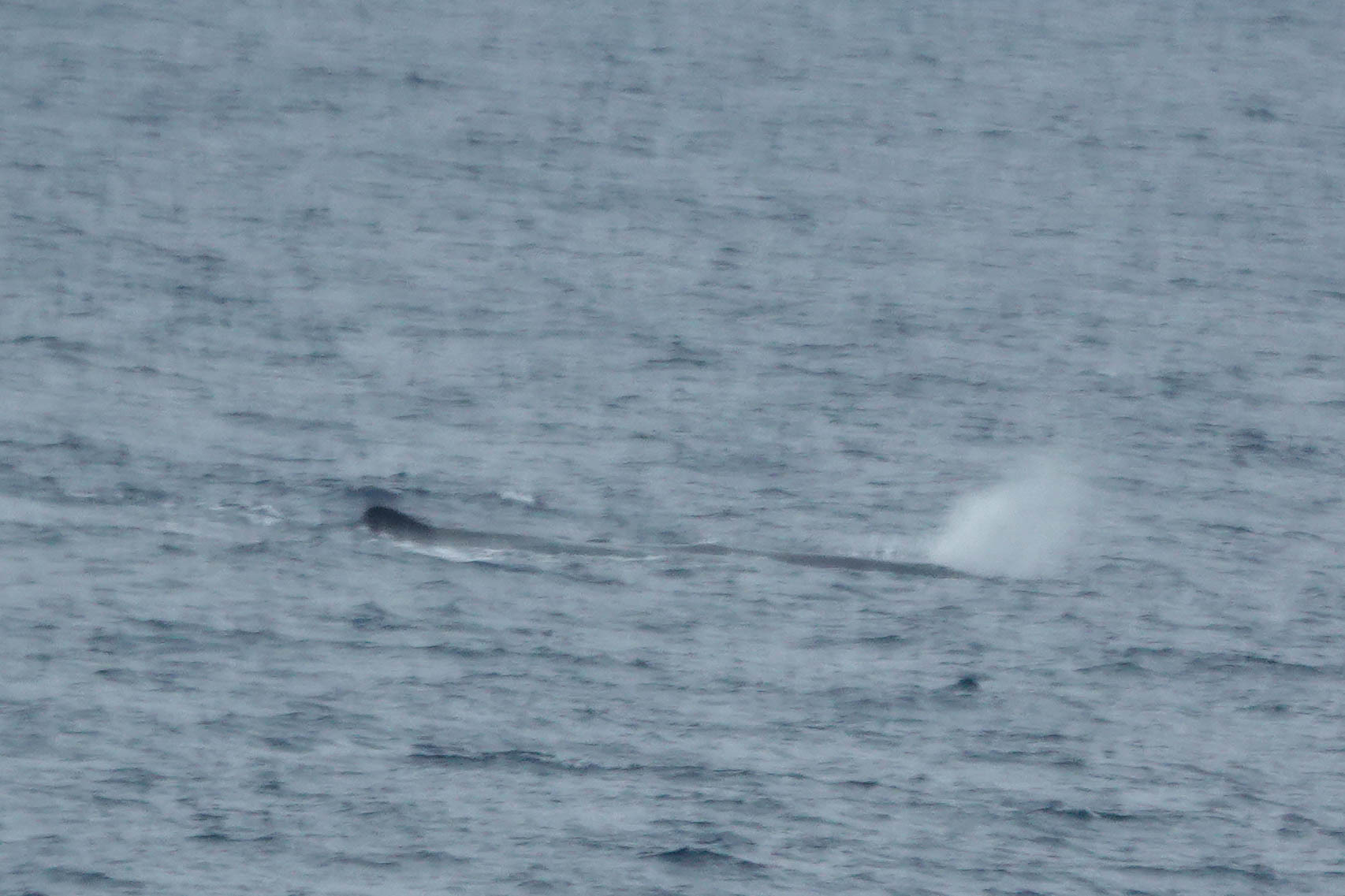
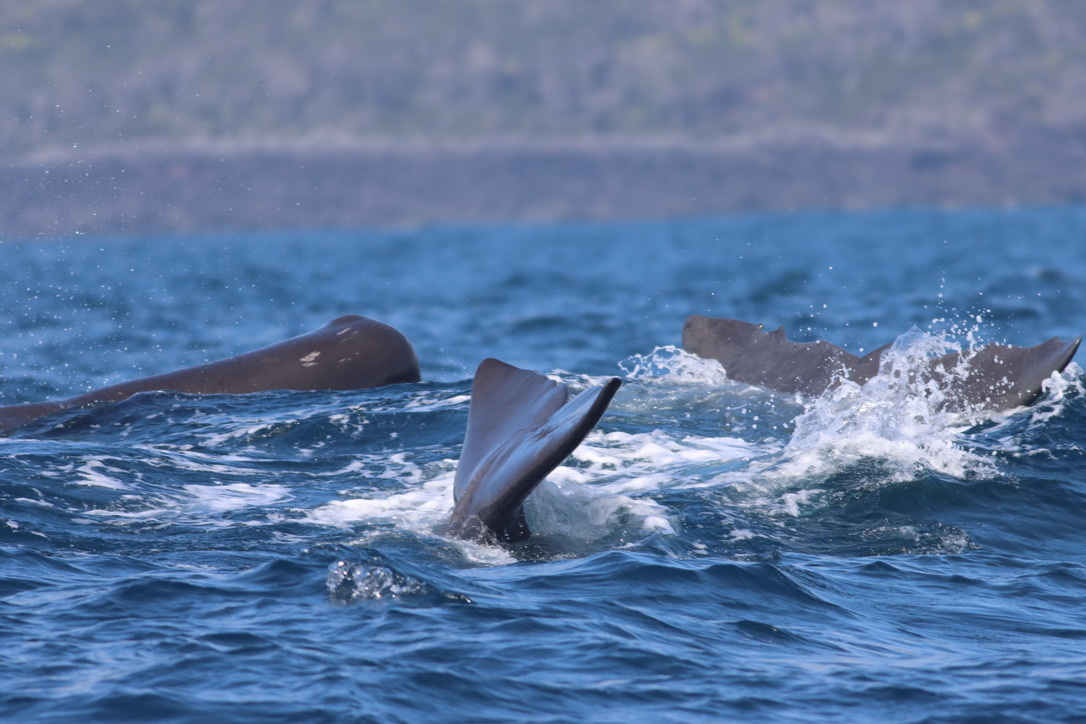
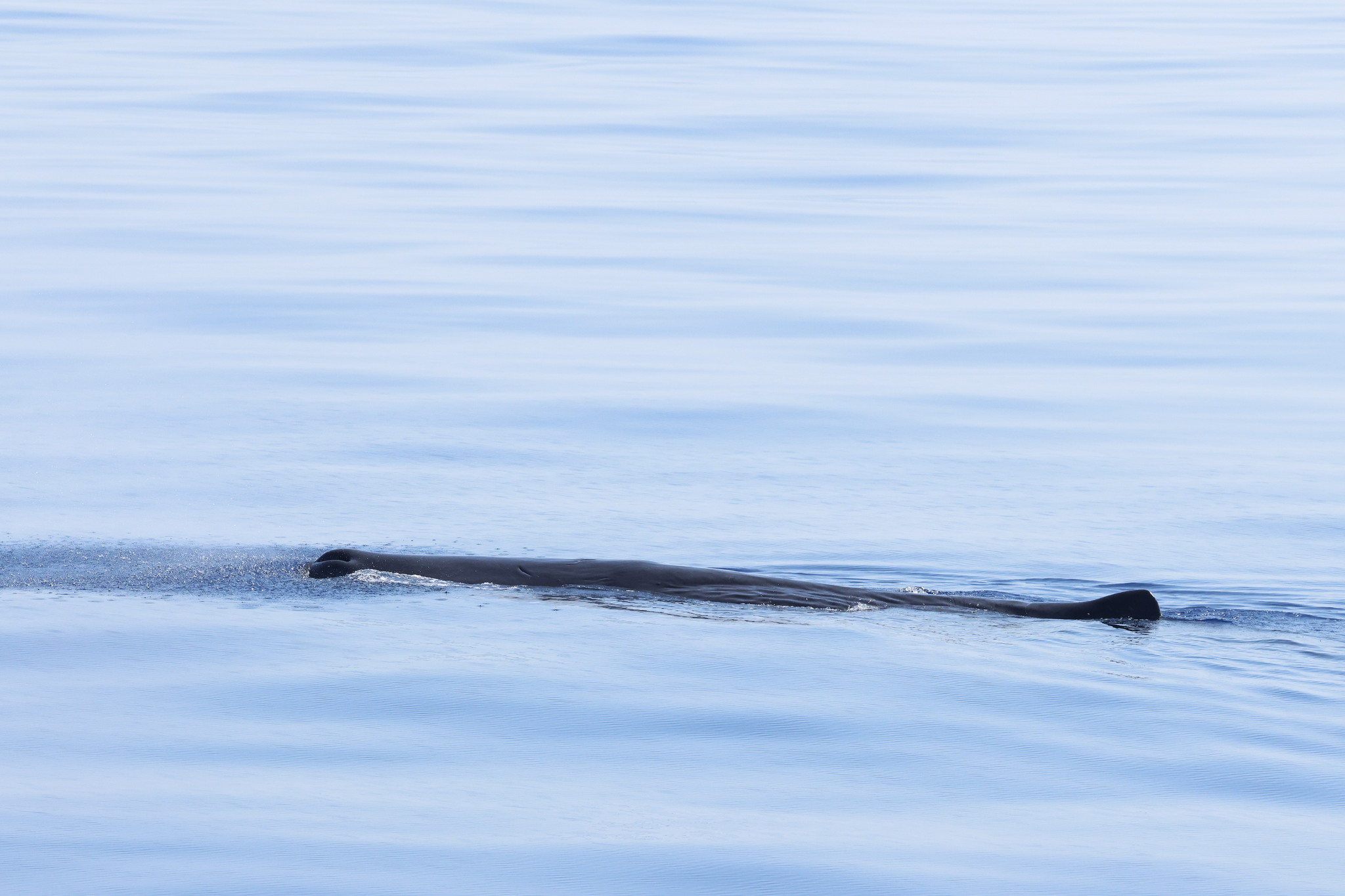
Majestic, enigmatic and deeply adapted to the world of the deep sea, the sperm whale (Physeter macrocephalus) embodies the archetype of the abyssal predator. It is not merely the largest toothed whale: it is also the all-round champion of extreme diving, of acoustic ability, and of complex social life among the odontocetes. Its extraordinary anatomy, its central ecological role in the abyssal food chain, and the mysteries that still surround its migrations, its codas and its battles with giant squid make it an emblematic species of the deep ocean.

The sperm whale is the largest odontocete (toothed whale) and has the largest brain known in the animal kingdom.
The sperm whale (Physeter macrocephalus) is not an odontocete like the others. The sole living representative of its genus, it belongs to the family Physeteridae, a distinct lineage issuing from an ancient divergence within the toothed whales. This monotypic status bears witness to a singular evolutionary trajectory.
Its phylogenetic proximity to the pygmy (Kogia breviceps) and dwarf (Kogia sima) sperm whales does not imply a strong morphological resemblance. The latter share neither the mass nor the exceptional acoustic functions of the sperm whale. This taxonomic singularity is expressed in anatomical and physiological adaptations deeply distinct from those of the other odontocetes.
In the sperm whale, males reach between 15 and 20 metres, sometimes more. The documented record refers to a specimen of 24 metres, whose 5.5-metre mandible is kept at Nantucket. Females, by contrast, scarcely exceed 13 metres.
This difference in size (up to three times the weight) results directly from the evolutionary pressures bound up with breeding, with migration and with competition between adult males. The males frequent polar areas, richer in prey but thermally demanding, while the females remain confined to temperate and equatorial waters, more favourable to the growth of the young.
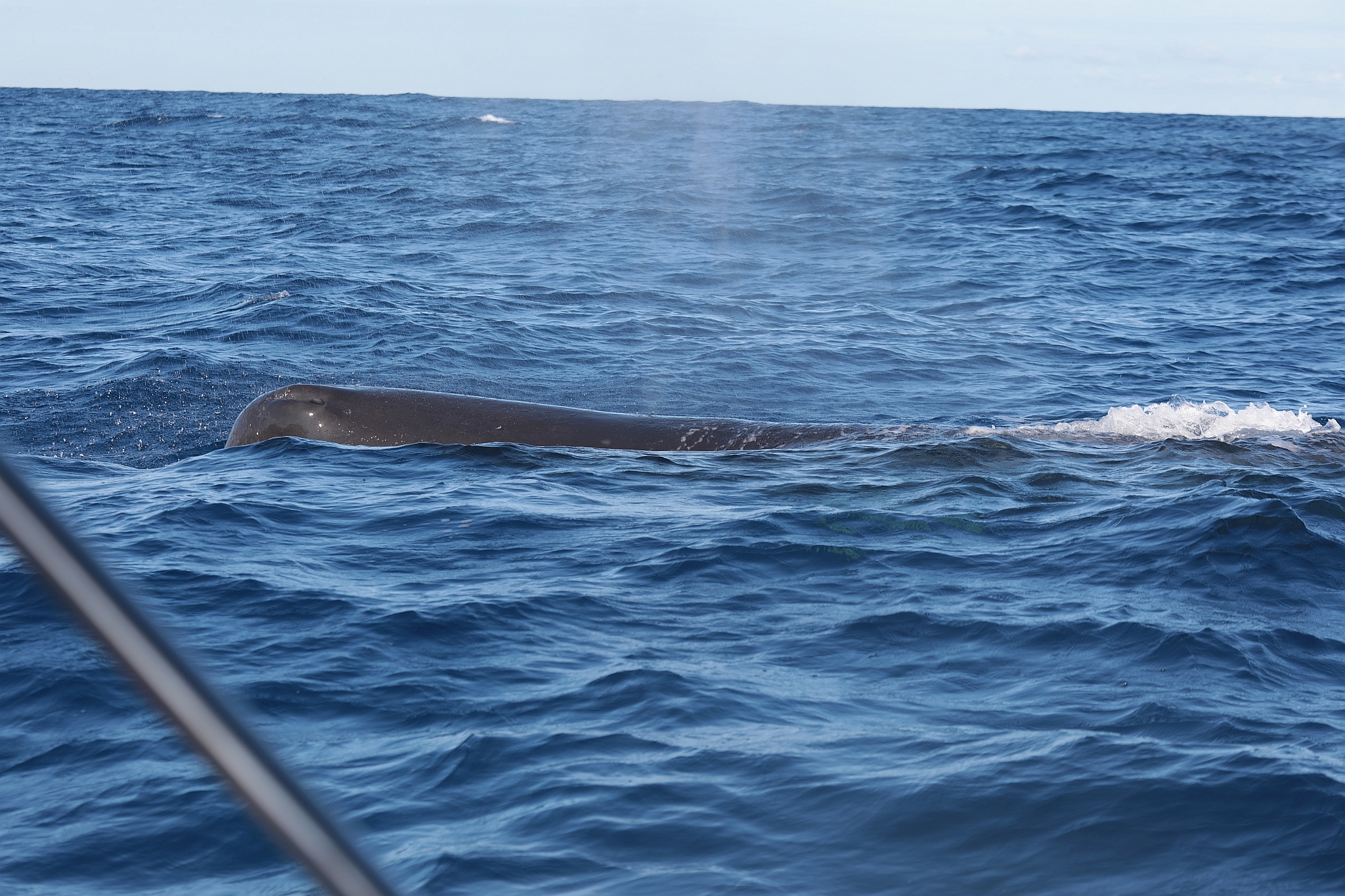
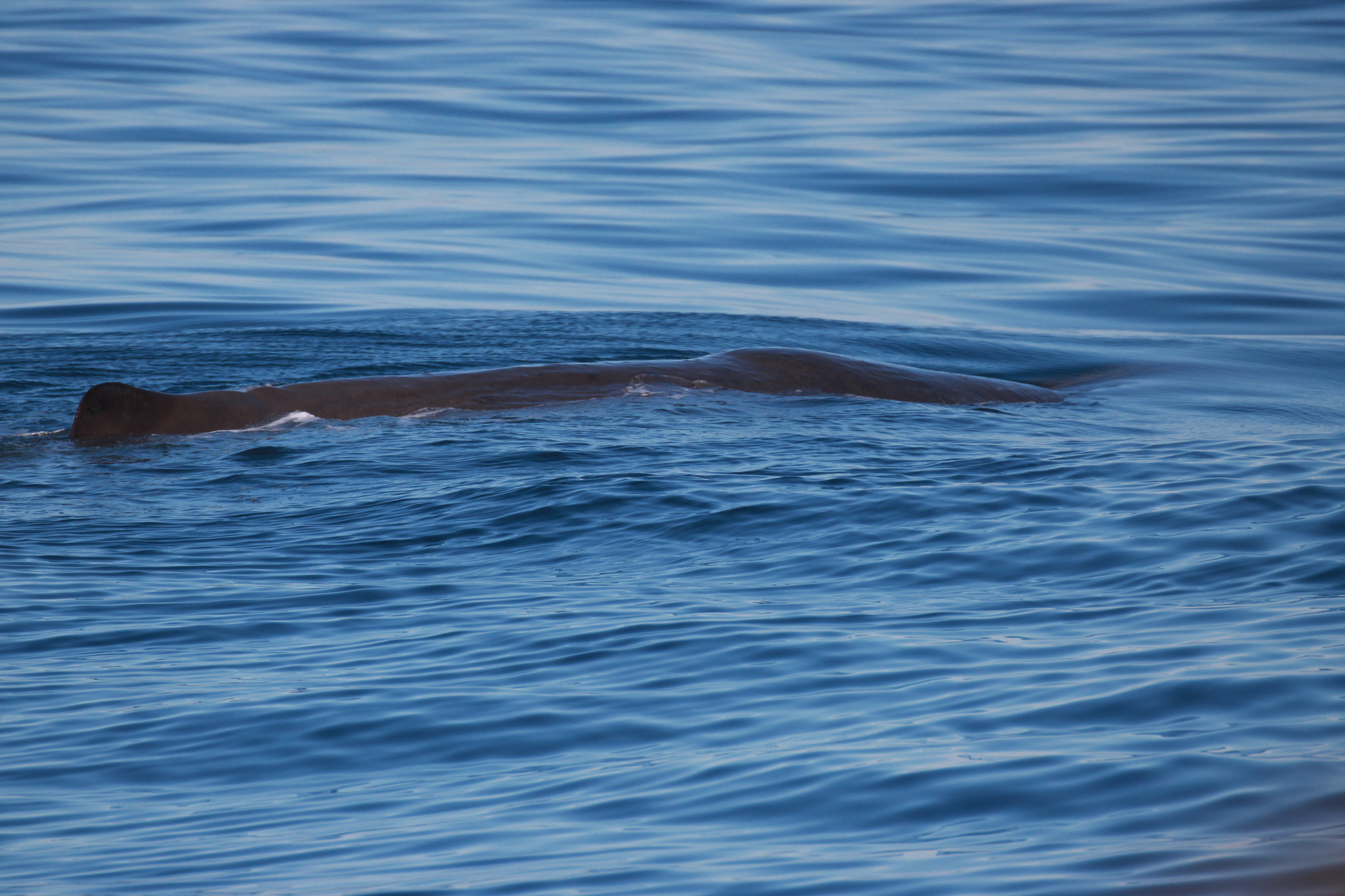
The front third of the animal is taken up by a massive head of squared-off geometry. It can reach up to 16 tonnes in the largest individuals. This is where the spermaceti organ sits, a hydrodynamic and acoustic structure unique in the animal kingdom. To this is added a blowhole displaced to the left, a feature unique among cetaceans.
The lower jaw, asymmetrical, carries between 20 and 26 functional teeth, each of which can weigh a kilogram. These teeth do not chew: they grip. The upper jaw bears only vestigial teeth, unerupted and without function.
The figures speak for themselves. Routine dives between 300 and 1,000 metres, documented records beyond 3,000 metres. Breath-holds of 45 to 90 minutes, with extremes exceeding two hours. All of it without embolism, without hypoxia, without narcosis.
The key lies in muscle myoglobin, concentrated up to 5.7 g/100 g, ten times more than in humans. To this is added a sophisticated vascular architecture: retia mirabilia, priority redistribution of blood to the heart and the brain, and a mobile rib cage that limits lung crushing.
In an adult male, the spermaceti organ holds up to 1,900 litres of oil. It acts above all as an acoustic amplifier. The clicks produced, at 230 decibels, exceed a jet taking off. These signals are emitted by the phonic lips, then directed and focused by the differentiated layers of spermaceti and the tissue envelopes around them.
Some hypotheses, still debated, suggest a secondary function in buoyancy control. By solidifying in cold water, spermaceti would increase the density of the head, easing the descent. Warming by blood circulation would reverse the process on the way back up.
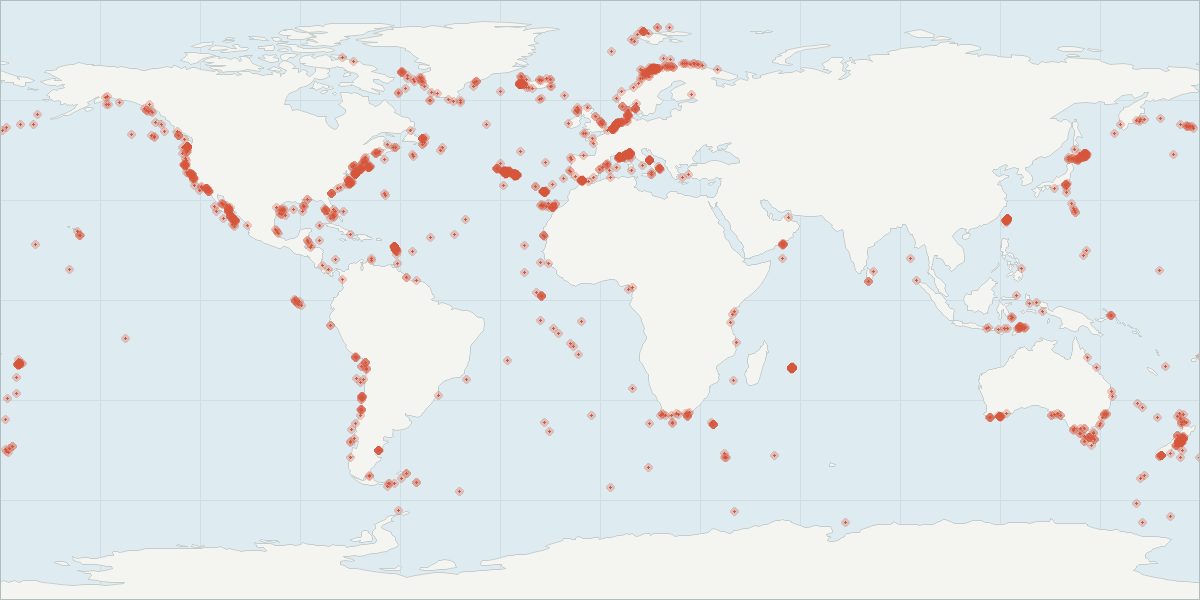
The sperm whale is among the most widely distributed species on Earth. Present in every ocean, it also occupies certain semi-enclosed seas such as the Mediterranean. This apparent ubiquity nonetheless conceals a rigorous spatial organisation: the sexes do not mix at the global scale.
Females, accompanied by their offspring, live in warm waters, between the tropics and the 50th parallels. There they find the thermal stability and the productivity needed to raise the young. Males, for their part, migrate towards polar waters, as far as the 75th parallel north, in search of areas rich in cephalopods.
These opposing trajectories are not a matter of simple thermal preference. They reflect a differentiated ecological and reproductive specialisation. Large males gradually draw apart as they reach maturity, leaving the maternal groups between 12 and 15 years of age. Changes of hemisphere are rare, each individual generally remaining confined to one hemisphere for its whole life.
The sperm whale frequents neither reefs nor lagoons. Its world is the deep pelagic zones, where the water column exceeds 1,000 metres. Even more than depth, it is slope that counts: the areas where the bottom drops away sharply, such as submarine canyons or the approaches to ridges, concentrate prey and draw sperm whales in.
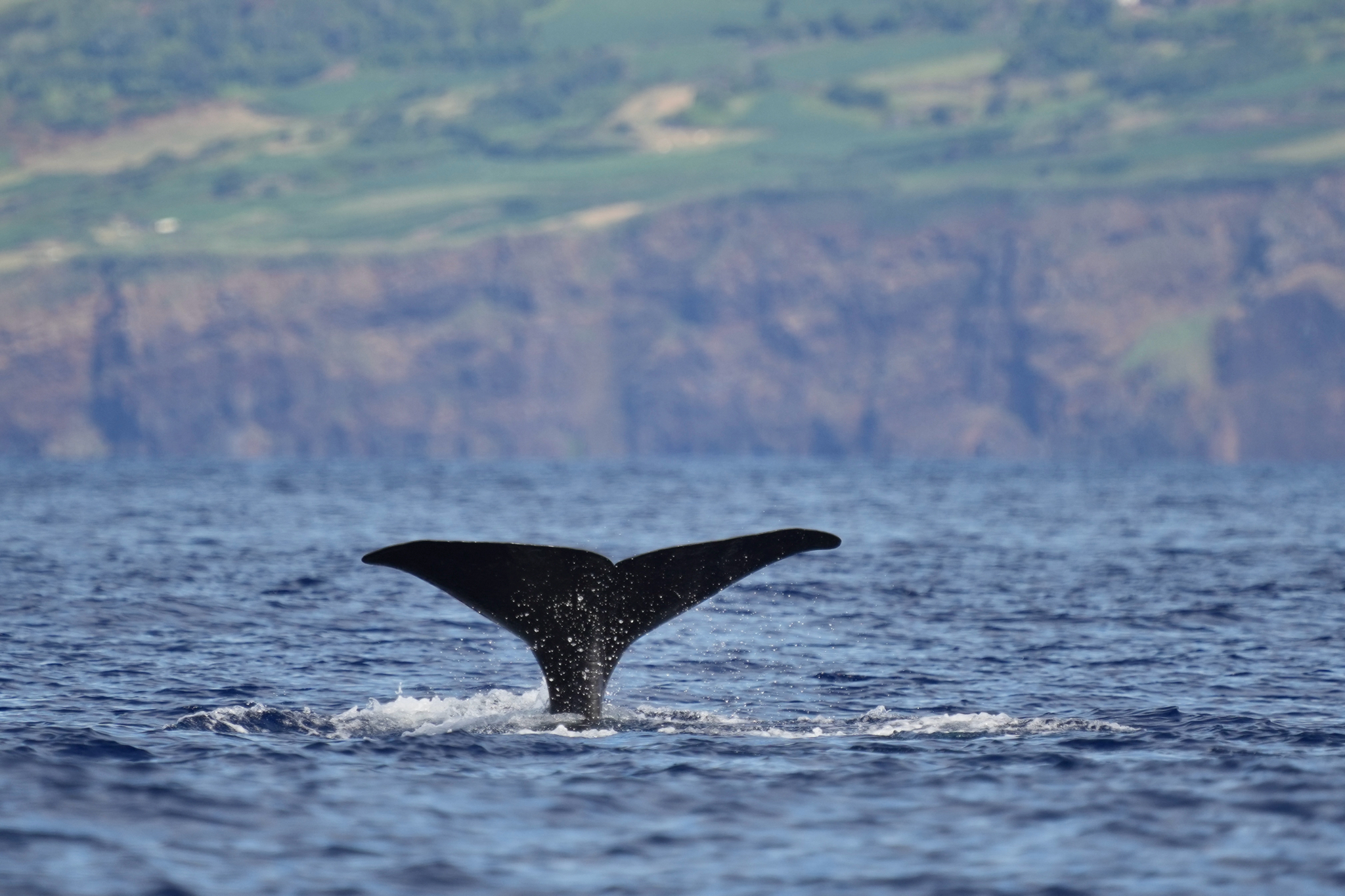
These aggregation areas are now well identified. The Azores, the island of Dominica, and the Liguro-Provençal slope in the Mediterranean offer rapid access to deep water and an abundant biomass of cephalopods. They are also favoured places for scientific and ethological observation of the species.


The sperm whale’s menu is dominated by a single group: cephalopods. This teuthophagous specialisation shows in a marked preference for squid, including the most massive of them, such as Architeuthis dux (the giant squid) or Mesonychoteuthis hamiltoni (the colossal squid).
The sucker marks seen on the skin of adult sperm whales bear witness to genuine confrontations in the depths. Each adult individual consumes up to a tonne of prey a day, that is between 400 and 800 squid depending on the average size caught.
This is not opportunistic behaviour but a real ecological anchoring, sustained by echolocation abilities suited to the detection of soft-bodied prey at great depth. The specialisation is not absolute, but it remains dominant in every area studied.

Predation rests almost entirely on high-intensity echolocation, whose emissions reach 230 decibels. The clicks, widely spaced during the search phase, tighten as the target is located, forming the bursts known as buzzes on the terminal approach.
The sperm whale can thus detect a squid several hundred metres away. A failed capture is not rare, but the cumulative efficiency secures a stable energy intake. All of it without recourse to vision, in total darkness, under several hundred bars of pressure.
In some regions, stomach contents reveal a high proportion of demersal fish. Up to 50% of the prey can be fish in temperate and polar waters. These include sleeper sharks, pelagic elasmobranchs, lobsters and, more exceptionally, pinnipeds.
This trophic plasticity is supported by an anatomical peculiarity: the sperm whale’s throat is far wider than that of the other odontocetes, allowing it to swallow large prey whole.
This behaviour, still poorly quantified, reveals a remarkable capacity to adapt to variations in resources, without calling into question its digestive structure or its acoustic hunting techniques.
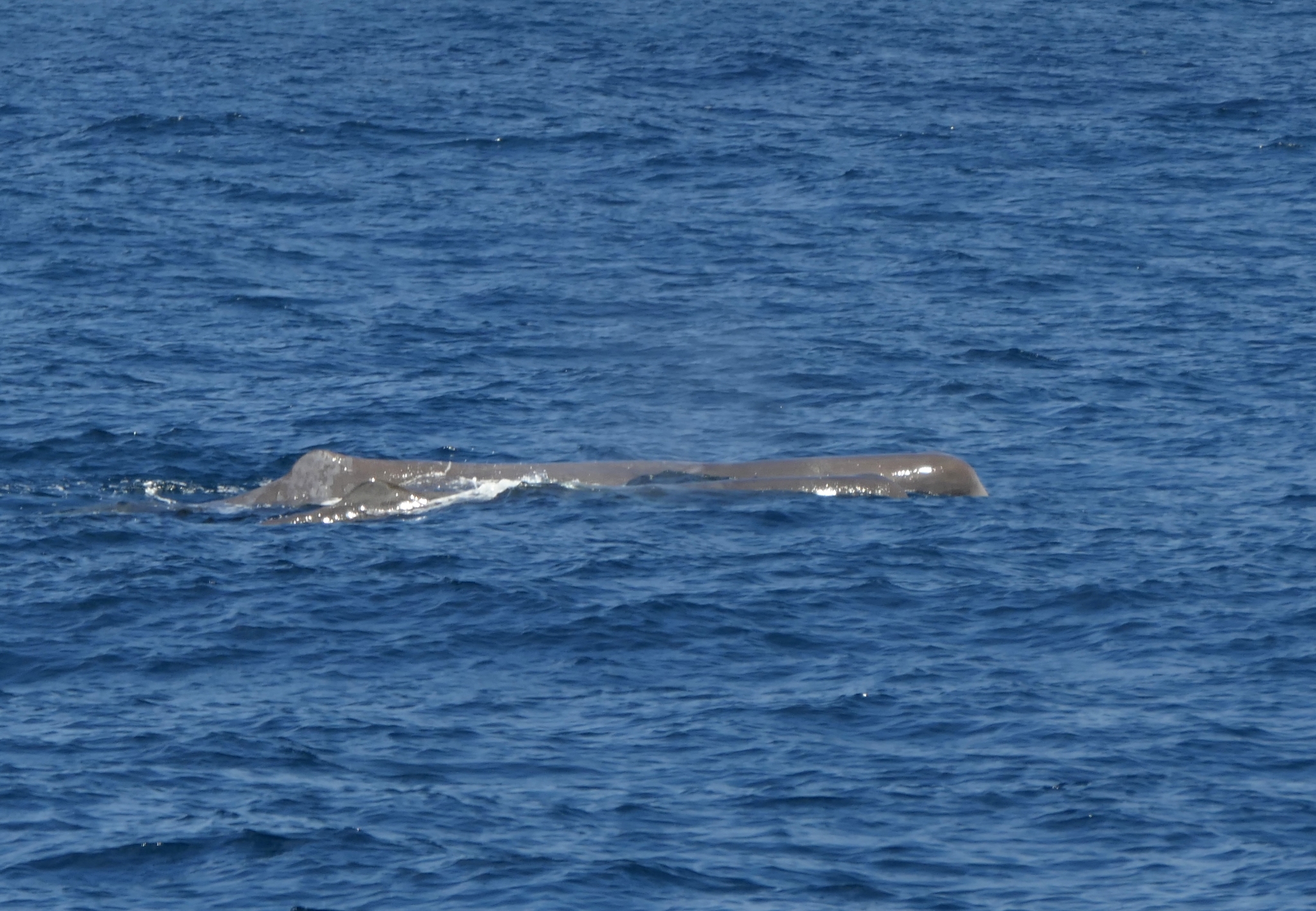
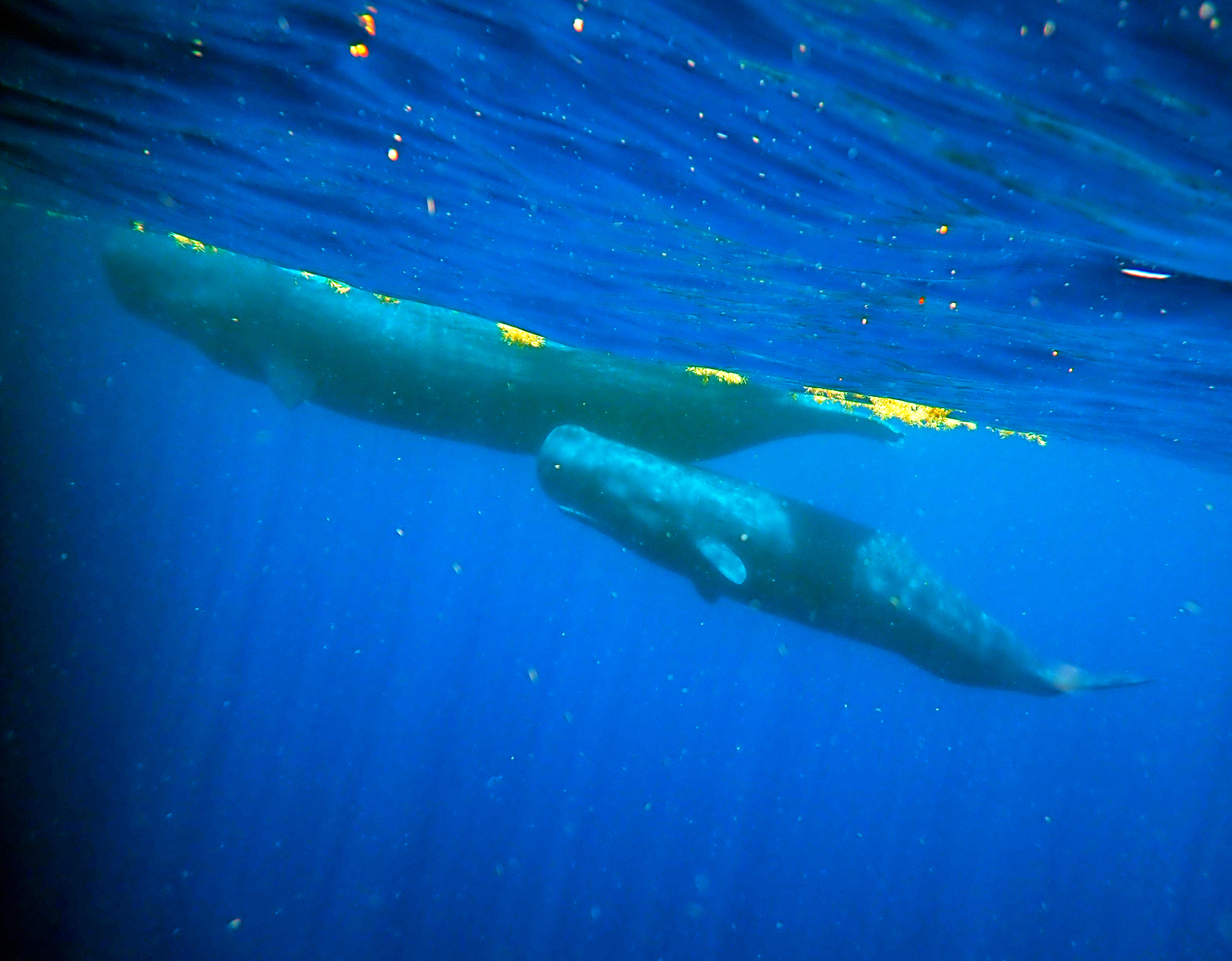
The sperm whale does not live alone. It moves within stable social units made up of related females and their young. These groups are restricted to between 10 and 12 individuals and can merge temporarily to form larger aggregations, sometimes of 30 individuals, in particular during favourable feeding periods.
But the hierarchy does not stop there. These units belong to identifiable clans, which can bring together up to 20,000 individuals spread across entire ocean basins. This level of organisation goes beyond that of most marine mammals and rests on cultural affinities, linguistic ones in particular.
Males, for their part, adopt a solitary way of life from puberty onwards. Their joining of the female groups is temporary, strictly tied to the breeding periods. The rest of the time they lead an inconspicuous existence, on the high seas, at high latitudes.
The sperm whale’s acoustic system is not limited to echolocation. It amounts to a genuine intraspecific language, structured around sequences of clicks called codas. These sequences, emitted at the surface or at shallow depth, vary in duration, in rhythmic structure, and in frequency.
Each clan develops a dialect of its own, culturally transmitted. These are not mere identification signals: the codas fill multiple social functions such as coordination, cohesion and learning, and are exchanged in precise situations such as maternal care, reunions or vigilance.
Recent advances, in 2024, have brought out four musical dimensions in these vocalisations: rhythm, tempo, rubato and ornamentation. Their combination would allow a near-infinity of meaningful sequences, opening the way to a combinatorial syntax.
Project CETI, an international consortium bringing together marine biologists, linguists and AI specialists, is currently working on the statistical modelling of these exchanges. The aim: to identify the recurrent syntactic patterns, and not simply the individual signatures.
The implications go beyond ethology. They bear on the question of animal culture, of the non-genetic transmission of information, even of intentionality. Recognising a hierarchical phonological structure raises, between the lines, the question of the boundary between communication and language.
The sperm whale has a polygynous breeding system. Adult males, physically mature at around 40 years, mate with several females during brief periods of social contact. Females, for their part, reach sexual maturity earlier, at around 7 to 13 years, but do not carry one pregnancy after another.
A single birth every 4 to 6 years, at the end of a gestation of 14 to 16 months. This extremely low frequency places a permanent demographic pressure on the populations, all the more so as juvenile mortality remains poorly known in deep water.
Matings follow no rigid seasonality, but births take place preferentially in spring, in tropical or subtropical waters, where the young can benefit from a stable temperature and abundant feeding.
At birth, the calf measures about 4 metres for 1,000 kilograms. Lactation lasts 2 to 3 years, sometimes more. The milk, rich in lipids (up to 40%), allows a rapid gain in mass, essential to thermoregulation and to future independence when diving.
But the mother is not alone. The females of the group form a genuine alliance for raising the young. During the mother’s dives, other females, often related, take over at the surface to protect, guide or calm the calves. This behaviour, called allocare, is well documented in sperm whales and plays a decisive part in the learning of the young.
The slowness of the sperm whale’s life cycle is not a handicap but a long-term investment strategy. The young animal does not merely grow. It learns: hunting techniques, social rules, the acoustic dialect, responses to predators.
This phase of active learning continues well beyond lactation. Only at around 10 years of age does the individual become independent in its dives and its feeding strategy, even though it is still part of the social unit.

The sperm whale is currently listed as “Vulnerable” at the global scale by the IUCN. This general status masks far more worrying regional situations. In the Mediterranean, home to a genetically distinct subpopulation, the population is estimated at fewer than 2,500 individuals. This isolated population is regarded as “Endangered”.
Since 1970, the species has also been protected in the United States under the Endangered Species Act. These measures acknowledge the lasting after-effects of an intensive whaling industry carried on for close to three centuries. The large breeding males were systematically targeted, bringing about a reduction in the average size of individuals that is still observable today.
Ship strikes are one of the main causes of mortality today, in particular in areas of heavy shipping traffic such as the Canary Islands or the north-western Mediterranean. At 25 knots, a modern vessel leaves a cetacean at the surface less than 5 seconds to react.
Bycatch in driftnets, still used illegally, affects mainly the females and the young. The ingestion of plastics, sometimes in quantity, causes gastric obstructions documented by necropsy in several recent cases.
Lastly, noise pollution seriously disturbs the sensory environment of sperm whales, in particular through the use of military sonar, seismic surveying campaigns and merchant traffic. Behavioural studies reveal social disorganisation and flight responses during acute exposures.
Several initiatives are attempting to limit human impact. The Pelagos Sanctuary, at the French, Italian and Monegasque interface, aims to protect a critical habitat, but remains weakly binding in law. The voluntary speed limit of 13 knots in certain Mediterranean areas has shown a measurable effect on the frequency of ship strikes.
In parallel, scientific projects such as CETI are producing data essential to the framing of conservation policies grounded in behaviour and cognition. These programmes bring together marine biology, applied acoustics, AI modelling and anthropology, with a shared aim: to protect a species whose complexity exceeds the classic frameworks of wildlife management.
The year 2024 marked a decisive turning point in the understanding of sperm whale vocalisations. Work carried out within Project CETI brought out a combinatorial phonetic structure within the codas: rhythm, tempo, rubato, ornamentation. These four parameters can vary independently and combine to produce potentially infinite expressive sequences.
This system is not limited to simple individual recognition. It allows shared motifs to emerge within a single clan, genuine cultural markers transmitted socially. The distance between the dialects of two neighbouring clans is measurable, translatable, modellable.
The implications are not only linguistic. They bear on the question of non-human culture, of learning between generations, and of the capacity to pass on structured information in the absence of articulate speech.
The use of drones fitted with VHF tags, coupled with machine learning models, now makes it possible to predict where and when the animals will surface, reducing the impact of observation campaigns. Access to deep-water behaviour remains indirect, but cross-referencing acoustic signals, GPS data and dive profiles is considerably refining current models.
The latest generation of satellite tags has also brought out migratory patterns more plastic than anticipated, in particular among North Atlantic males. The latter appear to adapt their routes not to a fixed seasonal calendar, but in response to dynamic environmental signals: temperature, trophic availability, salinity.
As the cognitive and social complexity of the sperm whale comes to light, a question arises: can this species still be regarded as a resource, or as a simple protected animal?
Some researchers, biologists and legal scholars alike, argue for granting the status of legal personhood to the great cetaceans, on the model of certain rivers or ecosystems already recognised as subjects of law in several bodies of legislation.
The aim is not to grant them human rights, but to recognise their cultural autonomy and their capacity for social learning as biologically legitimate grounds for protection.
The sperm whale was long an exploited animal before it was a studied one. For close to three centuries, the whaling industry built its profitability on the extraction of spermaceti, used for lighting, lubricants and cosmetics. That exploitation shaped the growth of ports such as Nantucket and New Bedford.
But the sperm whale is also a cultural icon. Moby Dick, published in 1851, set it up as a symbol: that of the limit of knowledge, of the human obsession with mastering what escapes us. Melville’s work, built on real events such as the sinking of the Essex or the hunt for Mocha Dick, continues to feed an ambivalent image: between monstrous beast and unrecognised intelligence.
According to the open data of the GBIF, 2,609 georeferenced sightings of Physeter macrocephalus are recorded in our photographic index.
| Country | Notes |
|---|---|
| Portugal | 727 |
| United States of America | 455 |
| New Zealand | 366 |
| Norway | 186 |
| Netherlands | 86 |
| Japan | 74 |
| Italy | 67 |
| Iceland | 65 |
| Australia | 65 |
| Mexico | 59 |

Monthly distribution of 2,944 dated sightings (all years combined): the maximum is reached in juillet.
| Month | Notes |
|---|---|
| janvier | 181 |
| February | 100 |
| mars | 154 |
| avril | 222 |
| mai | 323 |
| juin | 320 |
| juillet | 468 |
| August | 403 |
| septembre | 302 |
| octobre | 174 |
| novembre | 154 |
| December | 143 |
These figures reflect survey effort (more boaters and more surveys in summer) as much as the actual presence of the species: to be interpreted with caution.


Photographs from GBIF under a Creative Commons licence. The author and the licence of each photograph are given; please respect them if you reuse them.
Automatic selection of the most cited works mentioning the species (source: Crossref).