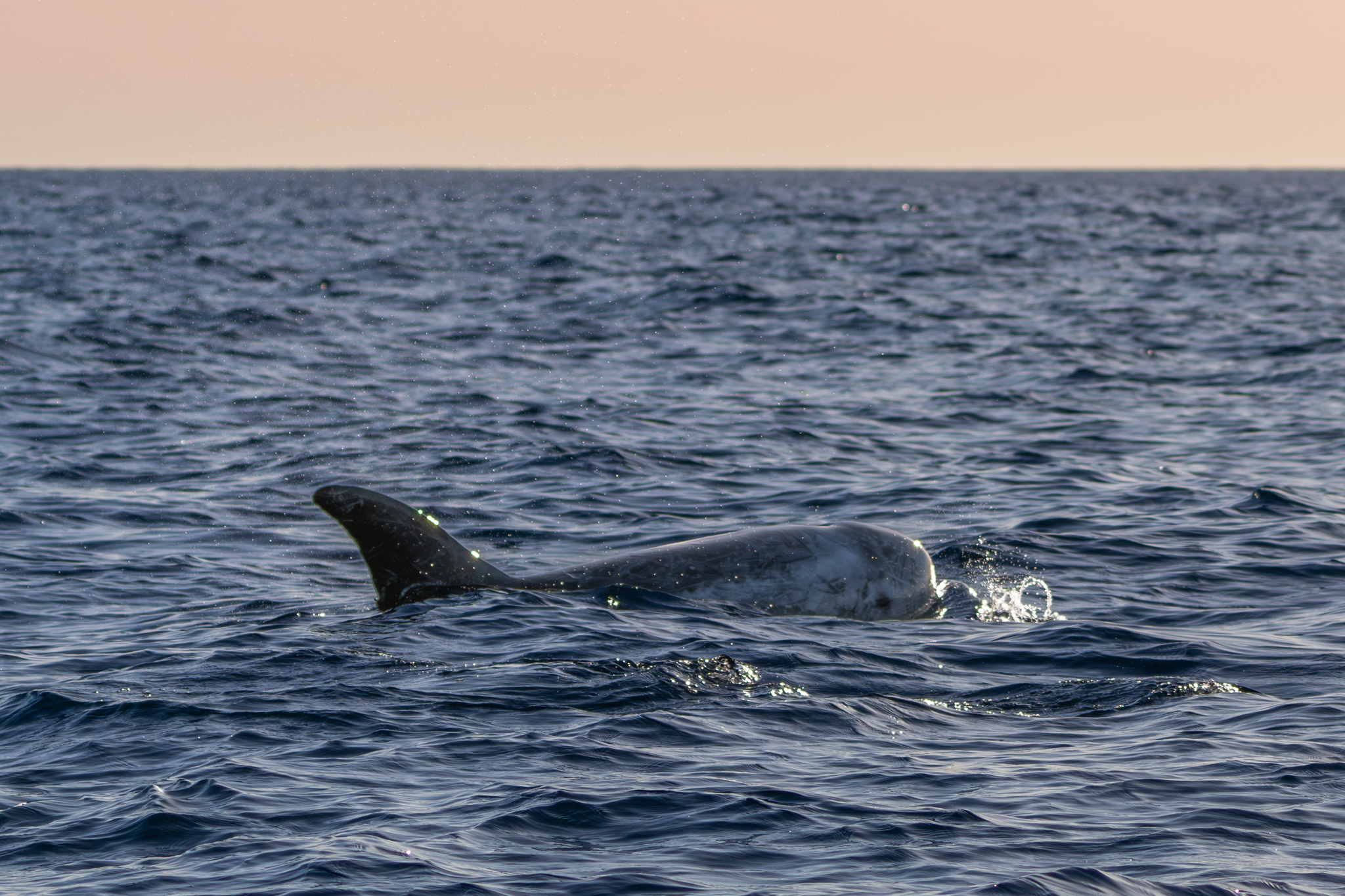
Risso's dolphin

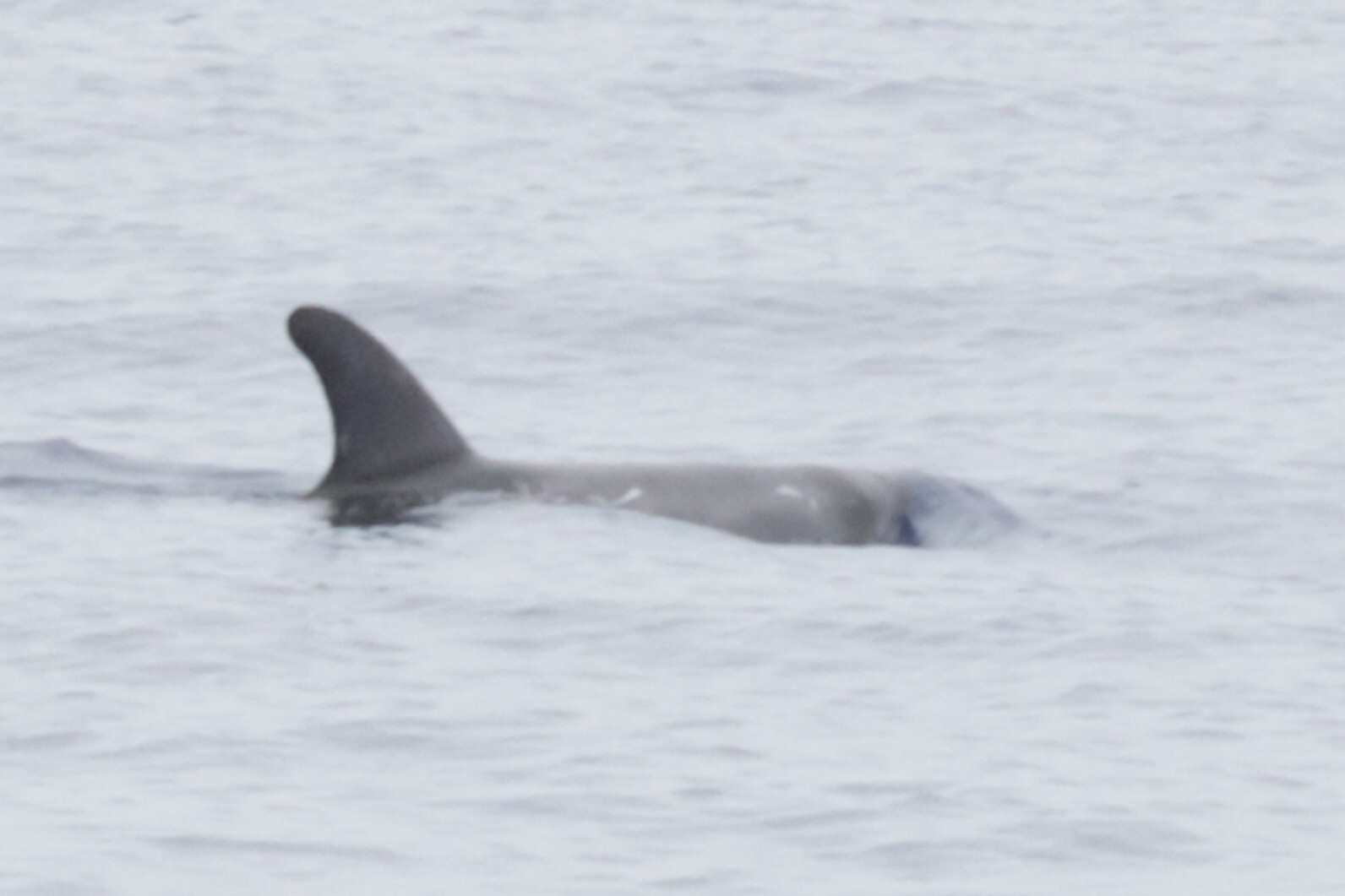
Rounded head with no beak, body marked with white scars

Enigmatic, deeply social and marked by scars that read like so many stories engraved in the skin, Risso’s dolphin (Grampus griseus) is one of the most singular delphinids. Neither a small agile dolphin with a long rostrum nor a large gregarious pilot whale, it occupies an intermediate position, by its size, its atypical anatomy and its pelagic way of life alike. A specialist of deep-sea cephalopods, equipped with a globular melon and a jaw toothless at the front, it fascinates naturalists and ethologists in equal measure. Its preferred habitat, the continental slope, also makes it a sentinel species for deep-sea ecosystems.

Species identification

Grampus griseus – Dauphin de Risso
  • Common name: Risso’s dolphin (or grampus)
  • Scientific name: Grampus griseus
  • Family: Delphinidae (subfamily Globicephalinae)
  • IUCN status: Least Concern (LC), but Endangered in the Mediterranean
  • Adult size: 2.60 to 3.80 m (up to 4 m in the largest males)
  • Weight: 300 to 500 kg (sometimes more than 600 kg)
  • Life expectancy: about 35 to 40 years

Risso’s dolphin is the fifth largest delphinid. It has one unique feature: a vertical groove down the middle of the forehead, running from the blowhole to the upper lip.

A giant apart in the classification of cetaceans

Risso’s dolphin (Grampus griseus) belongs to the family Delphinidae, but to a very particular subfamily: the Globicephalinae, which also brings together the pilot whales, the pygmy killer whale and the false killer whale. The only living representative of the genus Grampus, it occupies a singular taxonomic position, halfway between the typical dolphins and the large social cetaceans with bulbous heads.

The species was formally described in 1812 by Georges Cuvier, from a specimen stranded at Brest. Its vernacular name honours the Nice naturalist Antoine Risso, who had described an individual observed at Nice a year earlier. Since then, its anatomical and behavioural characteristics have made it a recurring case study in comparative cetology.

A silhouette without a rostrum and a globular forehead

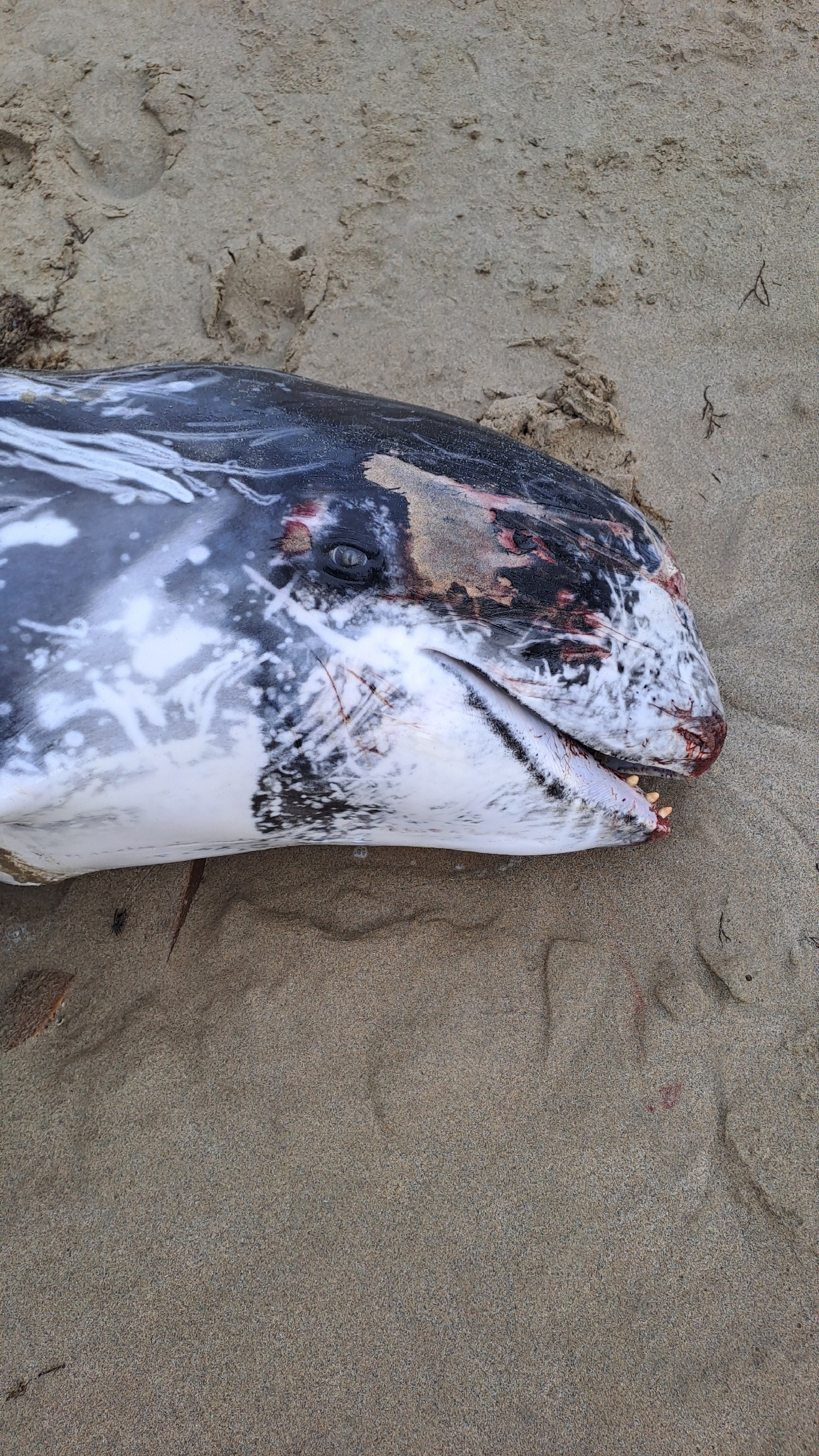
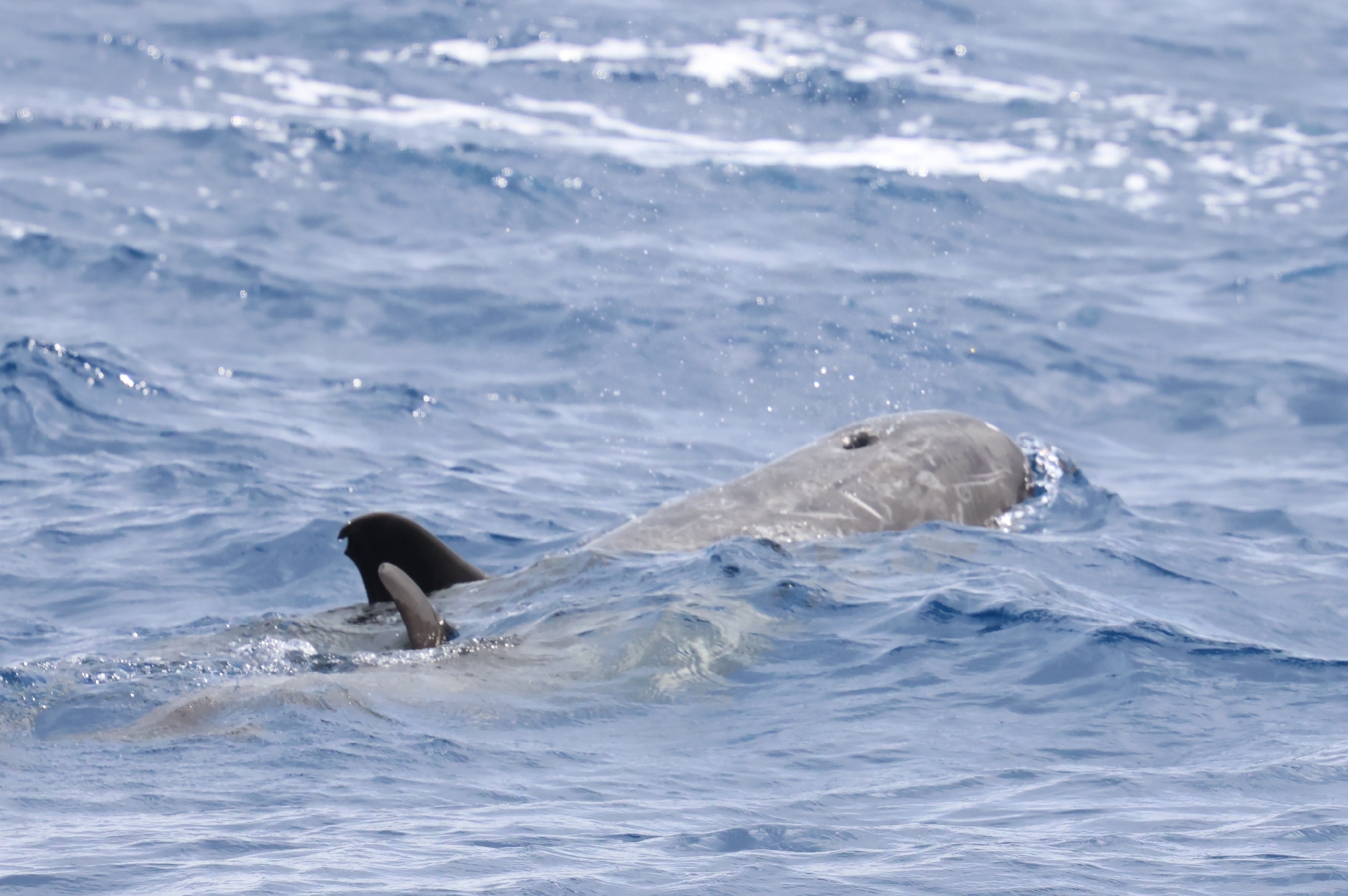
Unlike most dolphins, Risso’s dolphin has no visible rostrum. Its strongly domed forehead forms a globe-shaped melon that can account for more than a third of the length of the head. A single vertical groove, starting at the blowhole and running down to the upper lip, is unique to it among cetaceans.

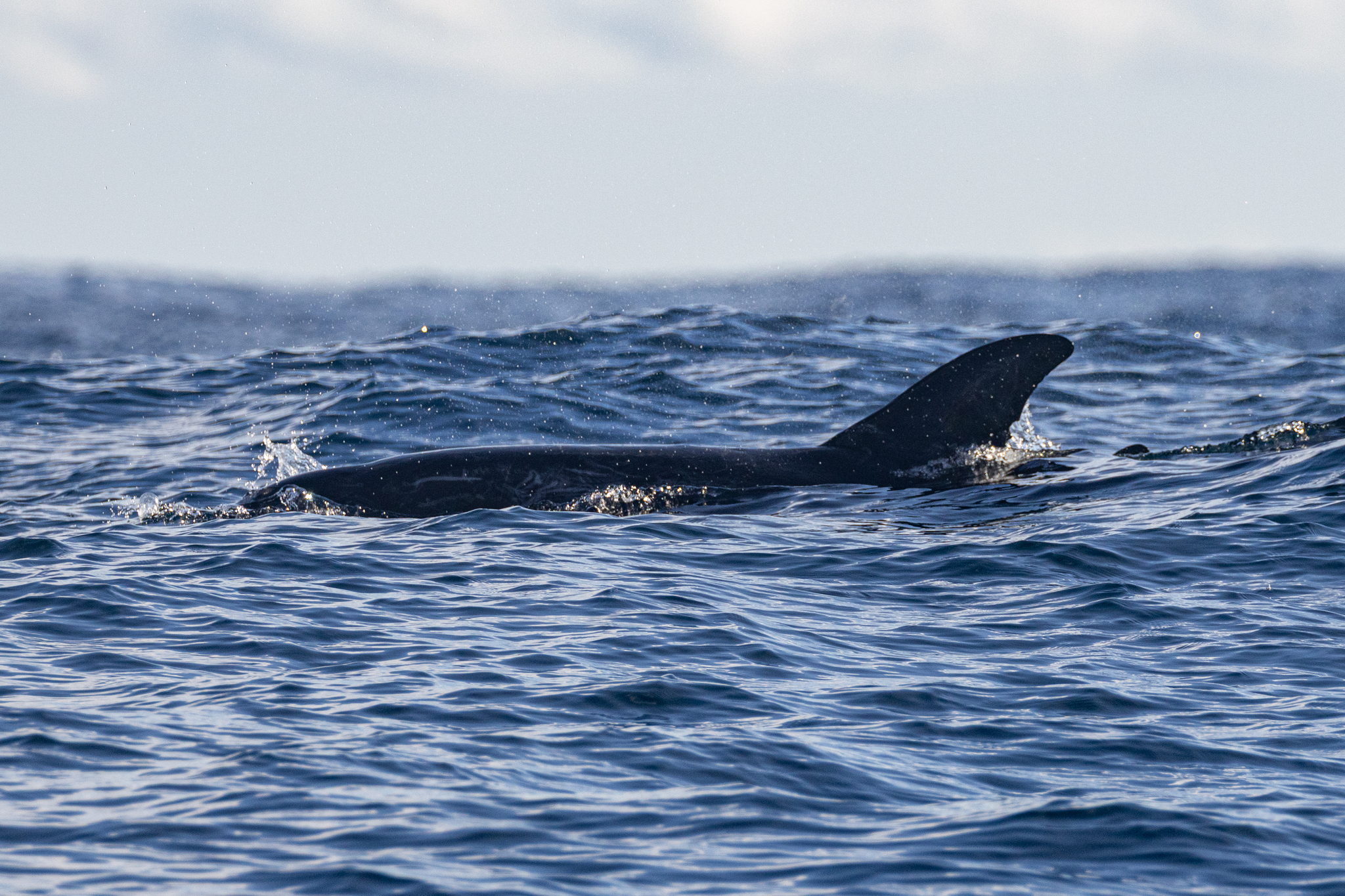
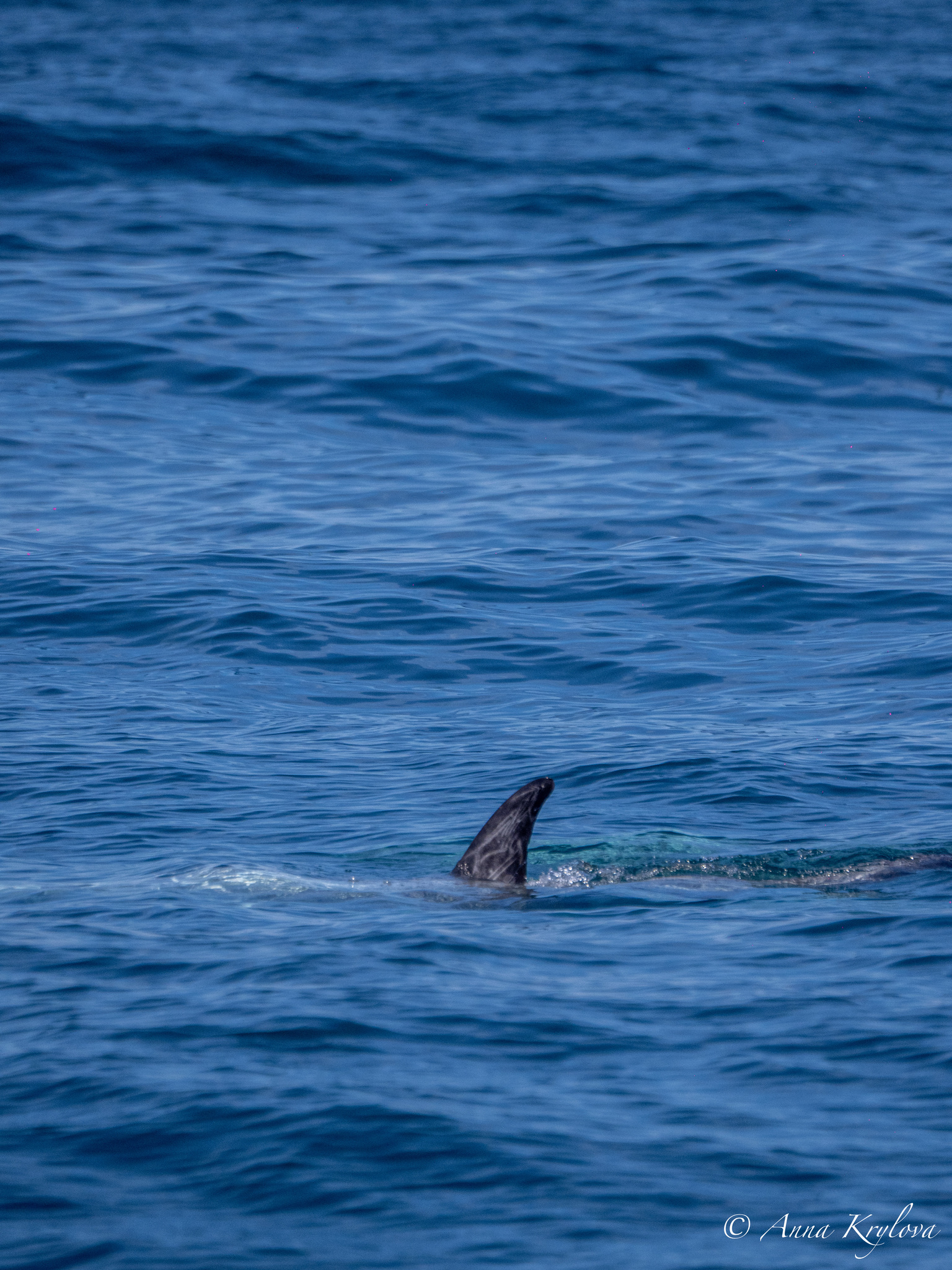
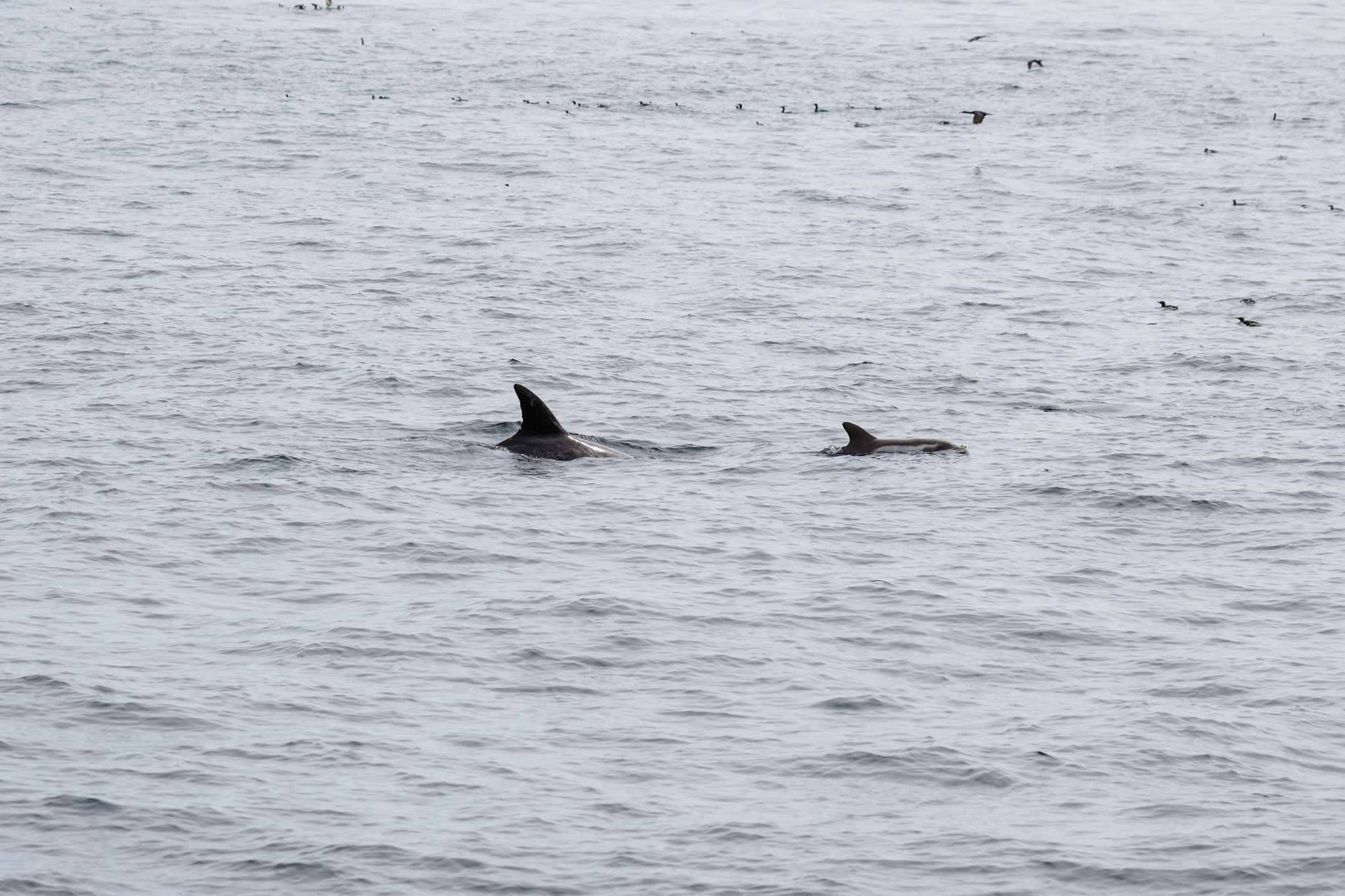
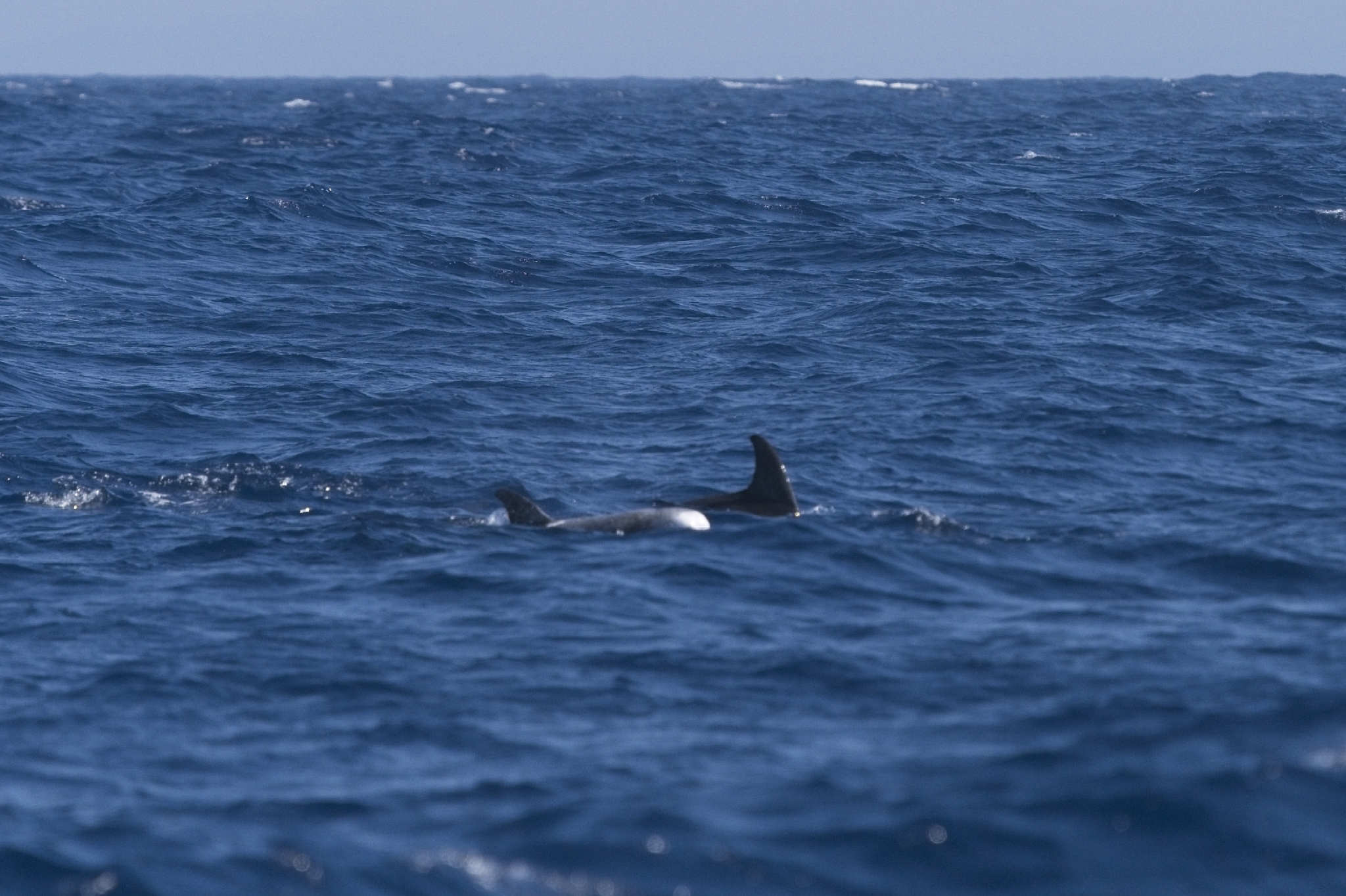
The dorsal fin is tall, falcate and proportionally very large: relative to body length, it is one of the largest dorsal fins of any cetacean. This characteristic silhouette allows rapid identification at sea, even at a great distance.

A skin marked by life

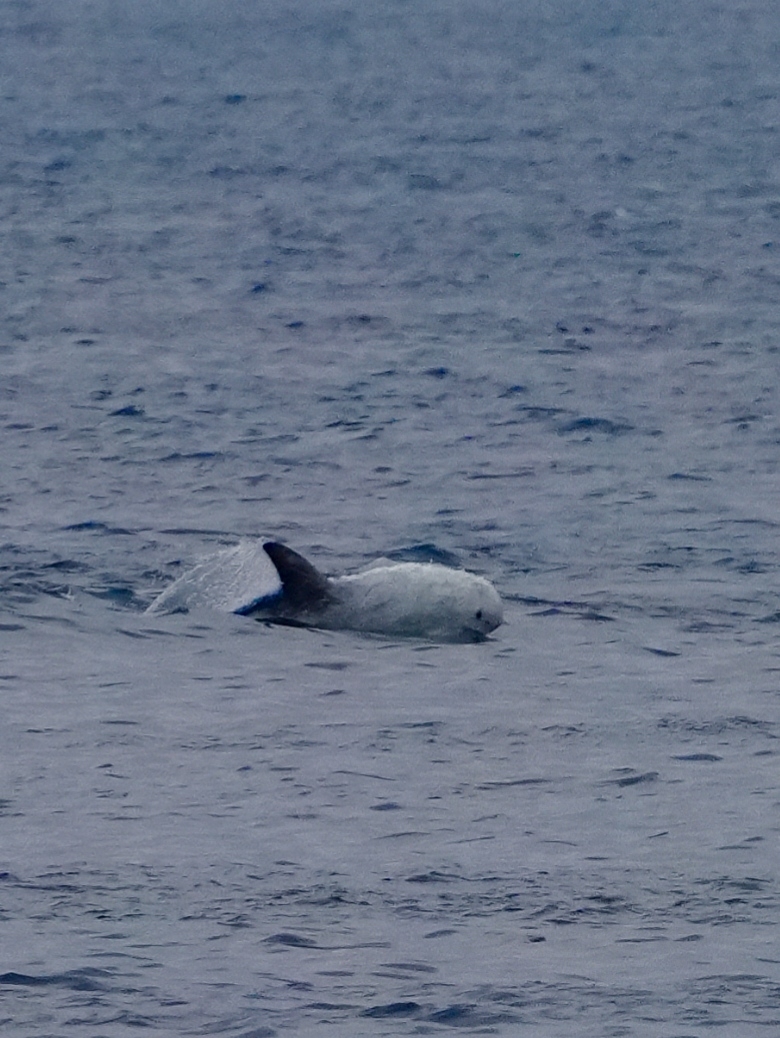
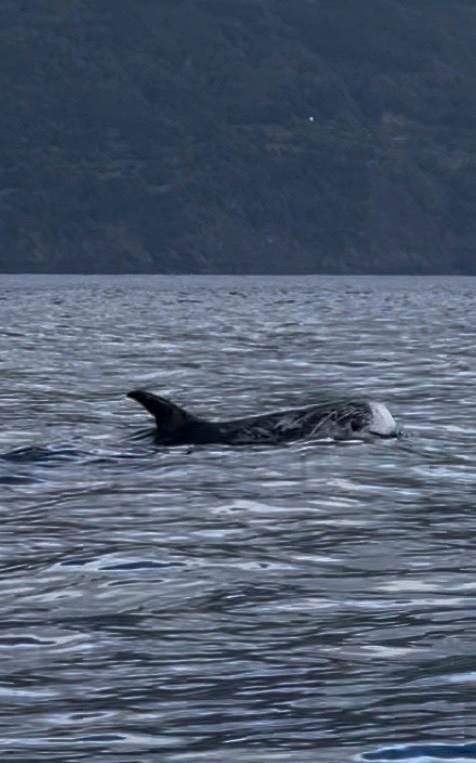
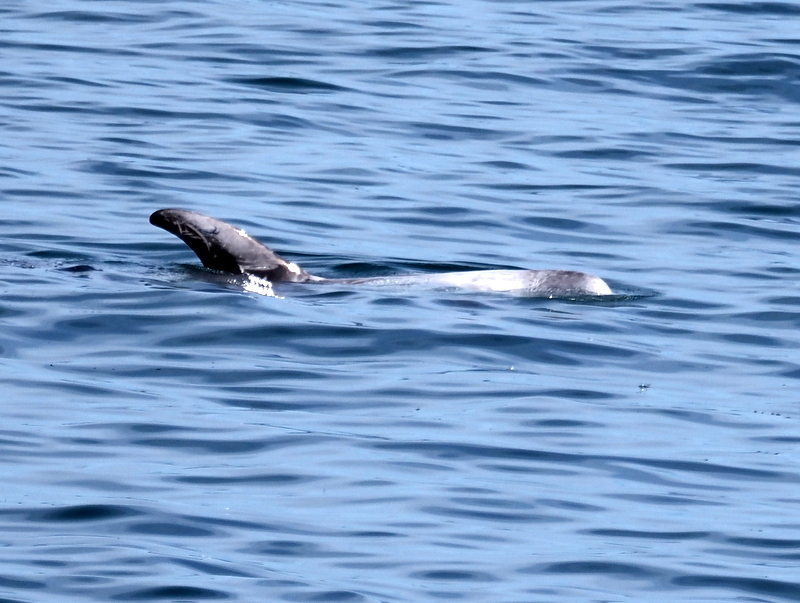
Dark grey at birth, Risso’s dolphin lightens gradually with age. Adults appear medium to light grey, and the oldest individuals can become almost entirely white, in the manner of belugas. This lightening results from an accumulation of linear scars and scratches, caused mainly by the bites of conspecifics and the suckers of cephalopods.

Since the outer epidermis of the Risso is poorly able to regenerate, every mark becomes all but permanent. Biologists in fact use these unique patterns for individual photo-identification, in the same way as the markings on the tail of humpback whales.

A jaw toothless at the front

The dentition of Risso’s dolphin is much reduced: it has no teeth at all in the upper jaw, and only 2 to 7 pairs of functional teeth at the front of the lower jaw. This feature, shared with other globicephalines, is directly linked to its diet: its prey, essentially cephalopods, are sucked in and swallowed whole, without chewing.

Moderate diving, but effective

Far more modest than the sperm whale, Risso’s dolphin is nonetheless a competent diver. Routine dives last 5 to 7 minutes, but the longest breath-holds reach 30 minutes. The depths used generally lie between a few tens of metres and 500 metres, with some individuals able to descend beyond 1,000 metres in search of squid.

A global distribution, anchored on the slope

Risso’s dolphin has a circumglobal distribution in the warm temperate and tropical waters of both hemispheres, between the 60th parallels. It is found in all the great ocean basins, as well as in several semi-enclosed seas, among them the Mediterranean and the Sea of Cortez.

More than latitude, it is bathymetry that structures its presence. The species favours continental slope areas and the approaches to submarine canyons, generally in 400 to 1,000 metres of water. These areas, where the gradient changes abruptly, concentrate the cephalopod populations it feeds on.

In the Mediterranean, Risso’s dolphin is present all year round. It frequents in particular the Ligurian-Provençal slope, the Tyrrhenian Sea and southern Italy. The Mediterranean population is estimated at about 3,000 individuals but this estimate remains debated. The Mediterranean subpopulation is today classified as “Endangered” by the IUCN, on account of a scarcity observed in the Ligurian Sea and of growing human pressures.

A pelagic species, but sometimes coastal

Unlike other delphinids, Risso’s dolphin makes little use of frankly coastal waters. There are, however, notable exceptions: around the British Isles it is regularly observed less than 11 km from shore, in connection with the immediate proximity of the continental shelf. The Azores, the Strait of Gibraltar and certain Californian canyons are also prime sighting areas, well suited to scientific research and to ecotourism.

Saut Grampus griseus

A marked teuthophagous specialisation

Like the sperm whale, Risso’s dolphin is an almost exclusively teuthophagous predator. Its diet is dominated by cephalopods: squid first and foremost, but also cuttlefish and octopus. More than a dozen squid species make up the bulk of its feeding, with Todarodes sagittatus and Illex coindettii as preferred prey in the north-east Atlantic and the Mediterranean.

A dentition reduced to a few pairs of lower teeth and the complete absence of upper teeth are perfectly suited to this diet: prey are drawn in by suction rather than seized. Risso’s dolphin has no need to cut up or chew: it swallows squid whole, after sometimes immobilising them by a fast pursuit behaviour.

Hunting activity is mainly nocturnal, linked to the upward movements of cephalopods through the water column. This strategy allows the species to exploit the diel vertical migration of zooplankton and of its predators, while limiting exposure to large daytime predators.

A discreet acoustic hunt

Grampus griseus – Dauphin de Risso

Risso’s dolphin uses a rich acoustic repertoire, made up of echolocation clicks, modulated whistles and rapid pulsed sequences (“burst pulses”). The echolocation clicks, emitted at frequencies that can reach 100 kHz, allow it to detect cephalopods in deep, dark water, where vision is of no use.

The whistles, for their part, play a social role: they contribute to group cohesion, to the coordination of dives and to individual recognition. Several acoustic studies have brought to light “signature whistles” specific to certain groups, comparable, with all due proportion, to the dialects observed in other social odontocetes.

Hunting at depth, in near-total darkness

Most prey are caught at depths of between 200 and 600 metres, sometimes more. At these depths the darkness is total and echolocation becomes the dominant sense. The closely spaced clicks at the end of the approach, sometimes grouped into buzzes, reflect precise localisation of the prey just before capture.

An almost exclusive diet, but adaptable behaviour

In some regions, stomach contents reveal a marginal share of small pelagic fish and crustaceans. This plasticity nonetheless remains very limited compared with that of the sperm whale. Risso’s dolphin remains above all a specialist, whose survival is closely tied to the abundance of deep-sea cephalopods, which makes it a species particularly vulnerable to changes in pelagic biomass.

A dense and structured social life

Risso’s dolphin lives in small to medium-sized groups, typically of 5 to 20 individuals, with an average of 8 to 12. These groups are not fixed: temporary associations, fusions and fissions are observed depending on periods of breeding, feeding or resting.

Several studies in the Ligurian Sea and the Azores have brought to light the existence of long-term preferential associations between certain individuals. Without reaching the complexity of the matriarchal units of the sperm whale or of killer whale pods, these social structures testify to a developed social cognition.

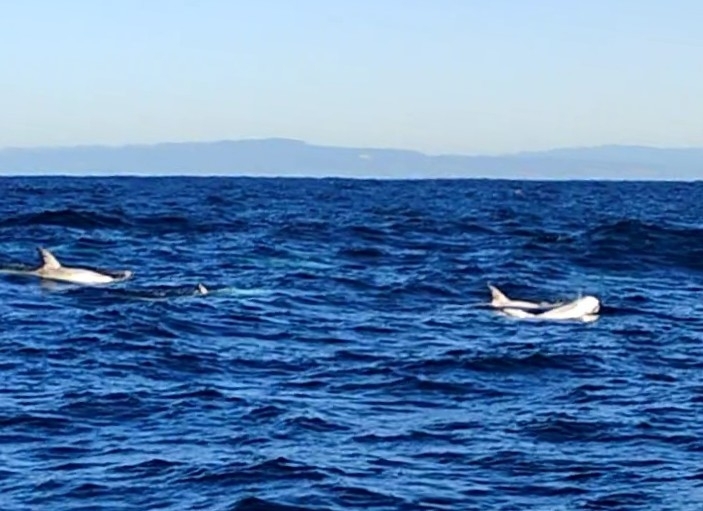
Interactions with other species are particularly notable: Risso’s dolphin is regularly observed in the company of striped dolphins and short-beaked common dolphins. These interspecific associations, still poorly explained, could stem from mutual benefit against predators, or from coordinated hunting behaviour.

Characteristic surface behaviour

Risso’s dolphin is generally undemonstrative at the surface: its breaches are rare and its travelling speeds modest (often under 4 knots). It nonetheless shows clearly identifiable behaviour:

  • The “headstand”: tail stock held vertically out of the water, sometimes 1 to 2 metres above the surface, observed during phases of socialising.
  • Spyhopping: vertical raising of the head to observe the surroundings.
  • Fin slaps, often associated with agonistic interactions between males.

A whistled language still little decoded

The whistled vocalisations of Risso’s dolphin are not yet as well described as those of the common bottlenose dolphin or the killer whale. Current research, however, based on passive acoustic monitoring (PAM) and machine learning, is identifying recurring structures whose organisation suggests a role in the coordination of deep dives and in individual recognition.

Slow and drawn-out breeding

Risso’s dolphin follows a slow breeding cycle, typical of long-lived cetaceans. Sexual maturity is reached between 6 and 9 years in the female, and at around 10 to 13 years in the male. Full physical maturity, for its part, is only reached at 20 to 25 years, depending on the individual.

The breeding season is mainly a summer one, with a peak of matings and births between June and September in the northern hemisphere. Gestation lasts 12 to 14 months, sometimes longer according to sources, and the mean interval between two births is about 4 years, and may reach 7 years depending on local conditions.

Robust and highly dependent newborns

At birth, the calf measures about 1.40 metres for 20 kilograms. It shows an almost uniform dark grey pigmentation, without the scars characteristic of adults. Lactation lasts 1.5 to 2 years, sometimes more in the absence of a new pregnancy.

As in most social odontocetes, maternal care is prolonged and accompanied by cooperative behaviour between females. The young remain closely associated with their mother for several years, with a gradual increase in their feeding and social independence.

A long apprenticeship, shaped by social transmission

Beyond simple growth, the young Risso’s dolphin has to acquire complex skills: deep-hunting techniques, acoustic navigation, the social codes of the group. This phase of social learning extends over many years, and is a decisive factor in the long-term cohesion of groups.

Deux Grampus griseus – Dauphin de Risso

A globally stable status, but regional concerns

Risso’s dolphin is currently classified as “Least Concern” (LC) at the global scale by the IUCN. This assessment reflects the absence of an immediate global threat, as well as a wide distribution. The species has also been listed in Appendix II of CITES since 2003, which regulates its international trade.

This apparent stability nonetheless conceals worrying regional situations. The Mediterranean subpopulation is classified as “Endangered”, on account of a decline observed in the Ligurian Sea and an estimated population of only 3,000 individuals. This population receives particular attention from the Pelagos Sanctuary.

Multiple direct and indirect threats

The main pressures identified for the species are:

  • Bycatch in driftnets and deep-set fishing gear, still documented in the Mediterranean and the north-east Atlantic.
  • The ingestion of plastic debris, of particular concern in a teuthophagous predator that frequently confuses soft plastic with cephalopods.
  • Disturbance from shipping traffic, in particular summer pleasure boating in the Mediterranean, which affects resting and socialising areas.
  • Noise pollution (military sonars, seismic surveys, merchant traffic), which disrupts echolocation and communication.
  • Chemical contamination (PCBs, heavy metals), which accumulates in high-trophic-level predators and impairs reproduction.

Responses that remain piecemeal

Protection of the species rests mainly on regional frameworks: the Pelagos Sanctuary in the north-western Mediterranean, several Atlantic marine protected areas (the Azores, Madeira), and the ACCOBAMS agreement. These instruments provide a framework, but their operational application remains uneven.

Programmes of passive acoustic monitoring, photo-identification and temporary tagging now make it possible to refine population estimates and to better understand the movements of populations, an indispensable first step towards any targeted conservation policy.

A species increasingly studied by bioacoustics

Long neglected in favour of more emblematic species such as the common bottlenose dolphin or the killer whale, Risso’s dolphin has for some years been the subject of growing scientific interest. The spread of underwater listening stations (PAM) and of automatic analysis of vocalisations is making it possible to pin down its presence, its movements and its behaviour.

Long-term recordings in the Pelagos Sanctuary, in the Azores and off California have brought to light marked seasonal variations in acoustic activity, linked to cycles of cephalopod abundance and to breeding phases.

Drones, photo-identification and non-invasive tagging

The use of drones, coupled with photo-identification techniques based on the scars unique to each individual, offers unprecedented resolution in the monitoring of groups. Researchers can now reconstruct long-term associations, measure movements at the individual scale and document births almost in real time.

Non-invasive satellite tags, attached by suction cup, also make it possible to map dive profiles and horizontal movements over several weeks, revealing migratory patterns more plastic than expected, in particular in the Mediterranean populations.

A model for understanding deep-sea cetaceans

By its ecological position (a teuthophagous predator of the slope) and by its biological characteristics (longevity, sociability, cognition), Risso’s dolphin is a valuable study model. It offers a more accessible parallel with the deeper-living species (sperm whales, ziphiids) while remaining regularly observable from the coast.

A discreet figure, but culturally present

Although less covered by the media than the sperm whale or the humpback whale, Risso’s dolphin has a certain cultural presence. Pelorus Jack, the famous solitary Risso’s dolphin observed in New Zealand between 1888 and 1912, regularly escorted ships through the French Pass strait. He was protected by a special law in 1904, becoming one of the first cetaceans in the world to enjoy individual legal protection, a strongly symbolic precedent in the history of cetacean conservation.

Observed distribution

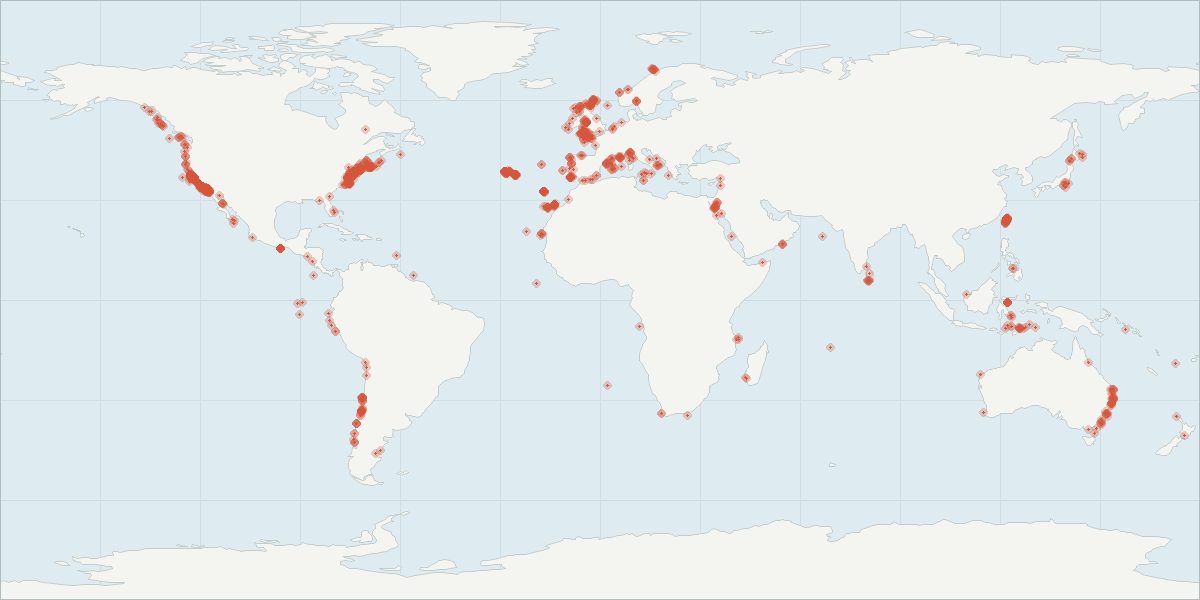
According to the open data of the GBIF, 2,280 georeferenced sightings of Grampus griseus are recorded in our photographic index.

Main countries of observation
CountryNotes
United States of America1,479
Portugal206
United Kingdom of Great Britain and Northern Ireland120
Chinese Taipei74
Spain64
Australia54
Mexico51
Chile47
France31
Italy24

Distribution map: Risso's dolphin (Grampus griseus)

Distribution map: Risso's dolphin (Grampus griseus), 2,280 georeferenced sightings from GBIF
2,280 georeferenced sightings of Grampus griseus. Base map Natural Earth, public domain. GBIF data.
🗺️ Open the interactive mapTo zoom and pan. It uses the OpenStreetMap/CARTO base maps and the GBIF occurrence densities: no data is sent to these services before you click.

Presence through the year

Monthly distribution of 2,317 dated sightings (all years combined): the maximum is reached in August.

3730janvier : 93janfévrier : 96febmars : 134maravril : 151avrmai : 245maijuin : 268juinjuillet : 242juilaoût : 373Augustseptembre : 266sepoctobre : 232octnovembre : 144novdécembre : 73dec
Sightings by month
MonthNotes
janvier93
February96
mars134
avril151
mai245
juin268
juillet242
August373
septembre266
octobre232
novembre144
December73

These figures reflect survey effort (more boaters and more surveys in summer) as much as the actual presence of the species: to be interpreted with caution.

En images

Grampus griseus
© Olivier De Clerck, CC BY-NC, 2026
Grampus griseus
© Dean Walton, CC BY-NC, 2026
Grampus griseus
© palmeythepotato, CC BY-NC, 2026
Grampus griseus
© Jacob Crisp, CC BY-NC, 2026
Grampus griseus
© Anna Krylova, CC BY-NC, 2026
Grampus griseus
© Lucas Rouco López, CC BY-NC, 2026
Grampus griseus
© guoguoyo, CC BY-NC, 2026
Grampus griseus
© rosa767, CC BY-NC, 2026
Grampus griseus
© kyle_morales, CC BY-NC, 2026
Grampus griseus
© Simon Tonge, CC0, 2026
Grampus griseus
© Judebirder, CC BY-NC, 2026
Grampus griseus
© helenfan, CC BY-NC, 2026

Photographs from GBIF under a Creative Commons licence. The author and the licence of each photograph are given; please respect them if you reuse them.

Scientific references

  1. Bearzi G., Reeves R., Remonato E., Pierantonio N. et al. (2011) Risso's dolphin Grampus griseus in the Mediterranean Sea, Mammalian Biology
  2. Blanco C., Raduán M., Raga J. (2006) Diet of Risso's dolphin (Grampus griseus) in the western Mediterranean Sea, Scientia Marina
  3. Bloch D. (2012) Life History of Risso’s Dolphin (Grampus griseus) (G. Cuvier, 1812) in the Faroe Islands, Aquatic Mammals
  4. Amano M., Miyazaki N. (2004) COMPOSITION OF A SCHOOL OF RISSO'S DOLPHINS, GRAMPUS GRISEUS, Marine Mammal Science
  5. Baird R., Stacey P. (1991) Status of Risso's Dolphin, Grampus griseus, in Canada, The Canadian field-naturalist
  6. Palacios D., Day D. (1995) A RISSO's DOLPHIN (GRAMPUS GRISEUS)CARRYING A DEAD CALF, Marine Mammal Science
  7. Schevill W. (1954) Sight Records of the Gray Grampus, Grampus griseus (Cuvier), Journal of Mammalogy
  8. (2018) Grampus griseus: Kiszka, J. & Braulik, G., IUCN Red List of Threatened Species

Automatic selection of the most cited works mentioning the species (source: Crossref).